





Velvet Vanity Seat
These velvet vanity seat examples bring period elegance to dressing rooms and bedrooms, offering practical low seating upholstered in rich textile finishes.
Velvet Vanity Seat
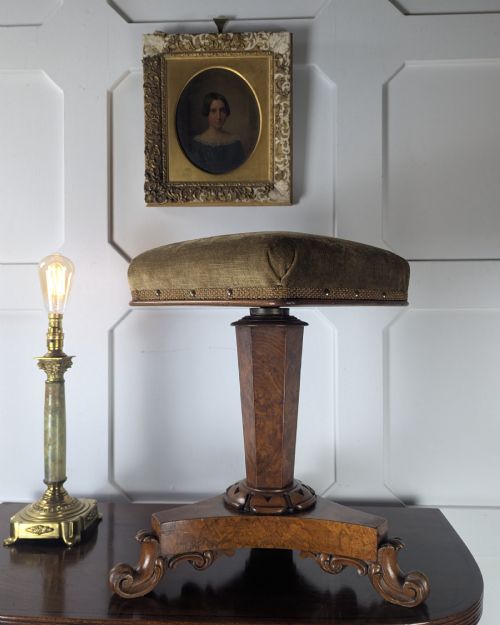
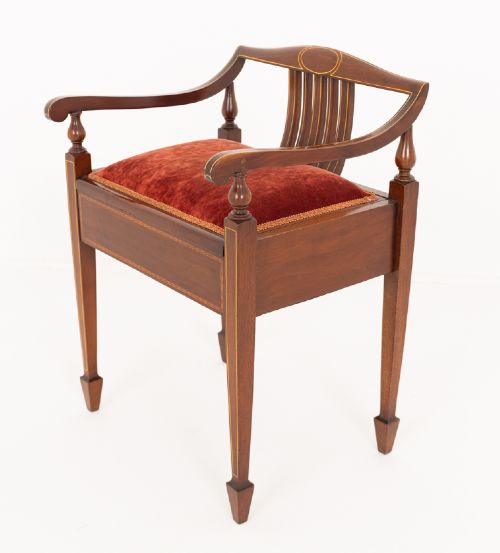
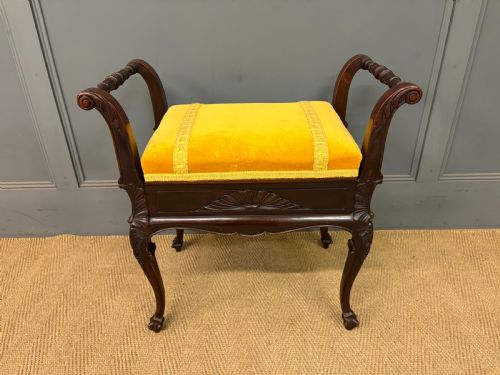
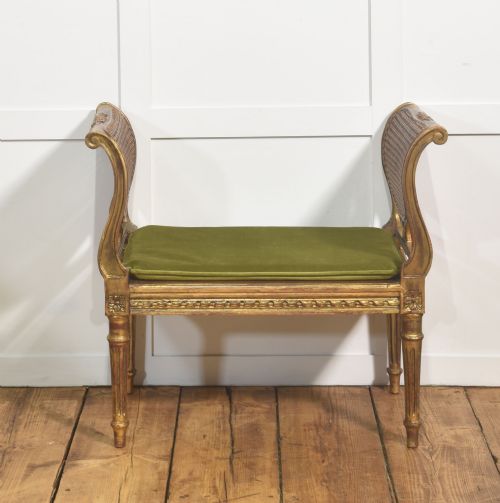
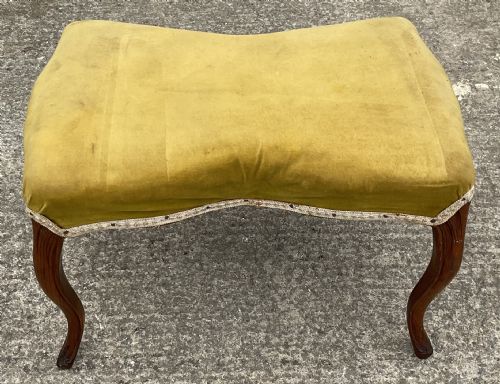
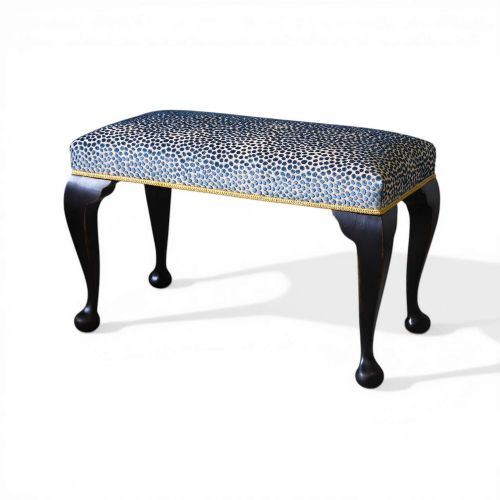
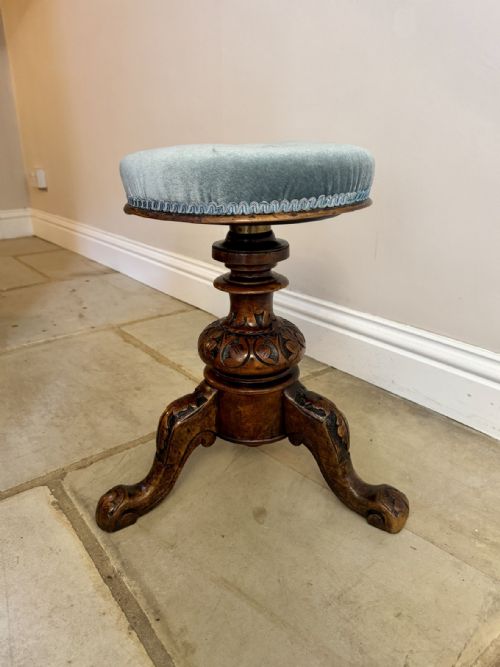
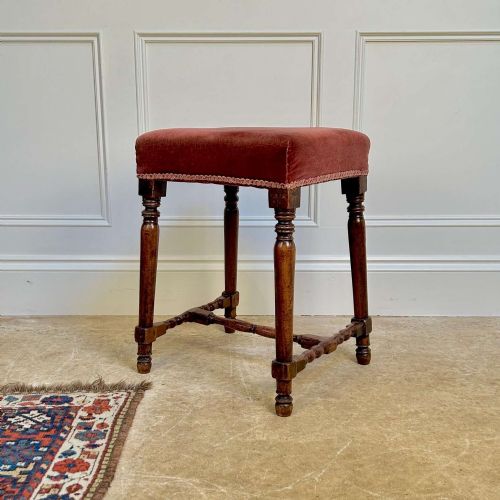
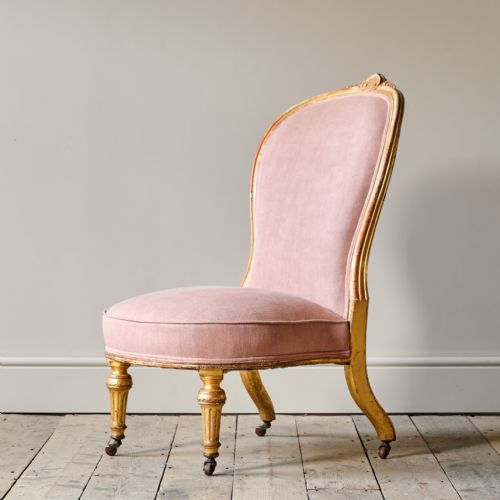
A velvet vanity seat encompasses a variety of compact low seating forms, including piano stools, dressing table stools, window benches, and slipper chairs designed for personal grooming spaces.
The selections span distinct historical eras from the Georgian period through the Victorian and Edwardian decades, alongside revival designs reflecting French Empire and Louis styles.
Mahogany and walnut form the structural backbone of these pieces, frequently paired with giltwood, brass, and ebonised finishes to support the upholstered textile tops.
How they were made
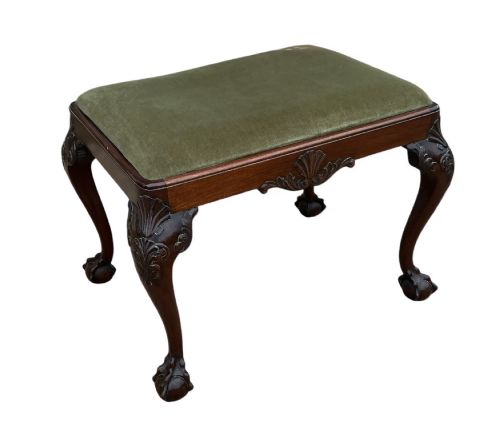
Cabinetmakers constructed the wooden frames from dense timbers such as mahogany, walnut, and rosewood, employing traditional joinery and carved details characteristic of periods like Chippendale and Sheraton revivals.
Upholstery techniques combined sprung or padded seat foundations with tactile coverings, securing the velvet textile using decorative braids and edge trim.
Metal components such as brass adjusting mechanisms and steel fittings were integrated into specialised music and piano stools to allow height variation.
One recorded piece includes a formal coronation seating example originating from the West Wycombe workshops.
What varies in quality
The refinement of the timber carving and the architectural integrity of the frame separate standard production pieces from higher-tier examples produced by notable cabinet makers.
The choice of secondary woods and the execution of intricate details like giltwood finishes, inlay work, and robust turning on the legs dictate the overall grade of the item.
The retention of original textiles, braids, and functioning mechanical parts preserves the historical integrity and elevates the standing of the piece within its category.
Lamb of Manchester·James Shoolbred·B. North and Son·A.M.E. Fournier
The Velvet Vanity Seat Glossary
- Giltwood
- Wood that has been treated with gold leaf or a gold-coloured finish. This technique highlights decorative carvings on frames from various revival periods.
- Ebonised
- Timber finished to resemble ebony through dark staining or painting. This process creates a striking contrast against brightly coloured upholstery.
- X Frame
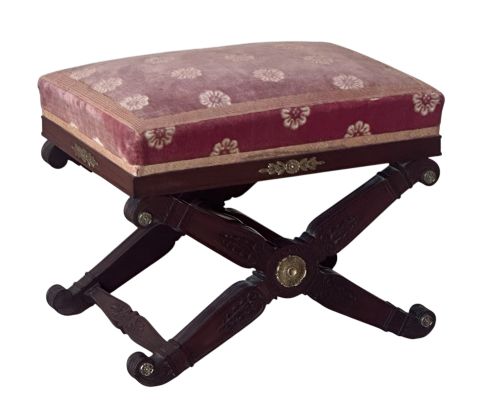
- A structural support design formed by intersecting diagonal members. This configuration provides sturdy stability for stools and window seats.
- Slipper chair
- A low-seated upholstered chair traditionally utilised for dressing. The shortened legs place the sitter closer to the floor for ease of putting on footwear.
Velvet Vanity Seat: Frequently Asked Questions
What is a velvet vanity seat used for?
These pieces provide accessible low seating primarily positioned in bedrooms, dressing rooms, and music rooms for daily grooming and instrumental practice.
Their compact proportions allow them to slide neatly beneath dressing tables or sit quietly beside windows and pianos.
How do I identify a Victorian vanity seat?
Victorian examples frequently utilise figured walnut or mahogany frames with deep carved ornamentations and traditional upholstery methods.
They often appear as dressing stools or adjustable music seats reflecting the decorative tastes of the mid to late nineteenth century.
Are these seats suitable for daily use?
The sturdy timber frames and solid joinery built by period cabinetmakers ensure these items remain robust for everyday domestic placement.
Careful consideration of the textile covering helps maintain the fabric condition under regular household seating.
How do revival styles differ from original periods?
Revival pieces produced during the Edwardian era adopt classical motifs from earlier Georgian or French Louis designs while utilising contemporary manufacturing methods.
Examining the timber characteristics and structural assembly helps distinguish the exact period of manufacture.