





Velvet Upholstered Bed
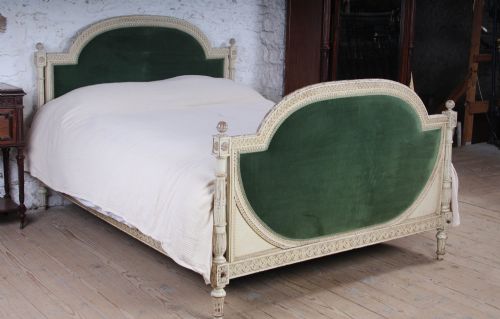
These velvet upholstered bed pieces range from grand nineteenth-century French canopies to comfortable day beds, offering tactile luxury for the home.
Velvet Upholstered Bed
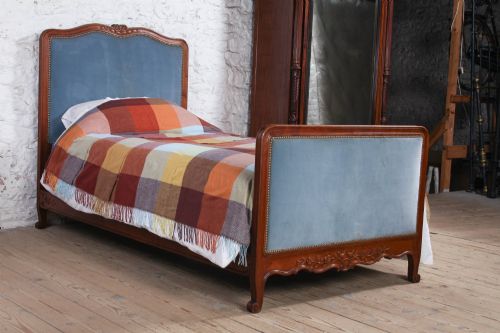
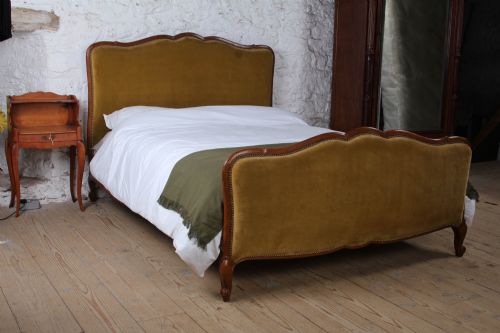
A velvet upholstered bed search brings together an array of historic sleeping furniture, window seats, and day beds spanning the Victorian era through the early twentieth century. You will frequently encounter French-inspired provincial frames alongside sturdy mahogany and walnut structures from English traditions.
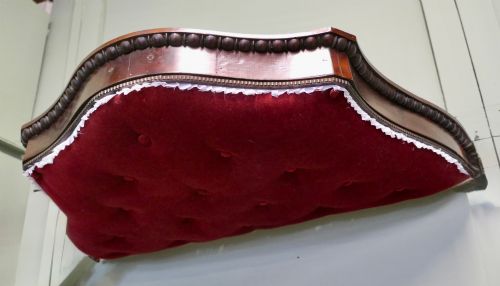
The selection encompasses large double bedsteads, single beds, and elaborate bed canopies known as ciels de lit. Alongside these full-sized frames, the category frequently includes related seating forms such as day beds, chaise longues, and deeply buttoned ottomans.
How They Were Made
Carpenters utilised dense hardwoods such as mahogany, walnut, oak, and rosewood to construct robust internal frames and exposed decorative woodwork. These timber foundations were shaped into curved headboards, carved mouldings, and slender legs.
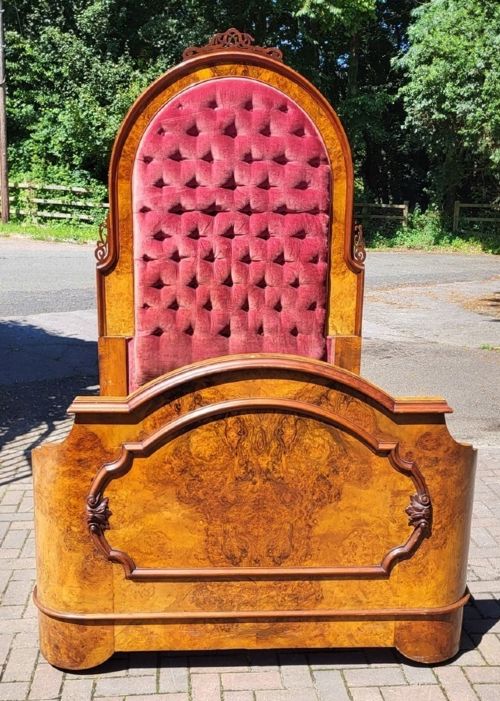
Textiles played an essential role, with plush velvet upholstery applied over internal padding and secured using traditional techniques like deep buttoning. Metal elements such as brass occasionally appeared on castors, frames, or decorative coronas.
Velvet Upholstered Bed Retail Price Guide 2026
Typical asking prices for velvet upholstered bed among the pieces listed under this phrase on Sellingantiques today, from the lower quarter to the upper quarter. They describe what is for sale here now, not the wider market.
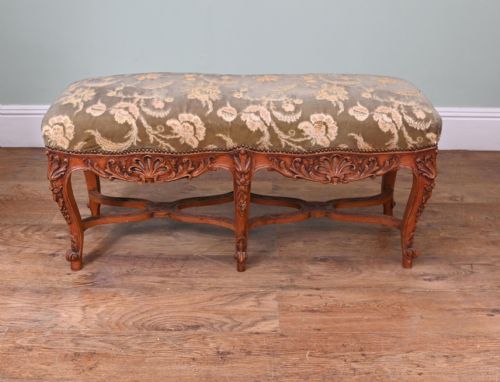
Musicians can practice in comfort on duet piano stools upholstered in rich nineteenth-century velvet.
What Varies in Quality
Quality rests significantly in the depth and execution of the woodwork, distinguishing finely hand-carved French chateau styles from simpler provincial frames. The integrity of the timber joints and the weight of the underlying hardwood determine the structural longevity of each piece.
The standard of upholstery work dictates visual appeal, particularly in the precision of deep buttoning and the choice of durable velvet textiles. Pieces retaining original design harmony between the carved wooden frame and the fabric styling command greater appreciation.
Howard and Sons
The Velvet Upholstered Bed Glossary
- Ciel de lit
- A bed canopy or crown drapery suspended above a bed to frame the sleeping space. These fabric structures add vertical grandeur to historic bed settings.
- Chaise longue
- An elongated upholstered chair designed for reclining, combining the functions of a seat and a day bed. Examples often feature a single raised end for head support.
- Ottoman stool
- A low, padded seat typically without a back or arms, often upholstered in rich velvet. They served multifaceted roles in nineteenth-century interiors as footrests or casual seating.
- Window seat
- A long, narrow bench designed to fit within a window recess. These pieces frequently showcase detailed woodwork and tactile fabric upholstery.
- Button back
- An upholstery technique where indentations are formed in the padding by pulling threads tightly through to the frame in a geometric pattern. This method secures the filling while creating a textured surface.
Velvet Upholstered Bed: Frequently Asked Questions
What defines a velvet upholstered bed?
These pieces combine wooden or brass bed frames and seating forms with soft velvet textile upholstery. They span various historic periods including Victorian and Edwardian eras.
Designs range from full bedsteads and canopies to day beds and window seats, uniting comfort with decorative woodwork.
How do I identify the period?
Dating relies on stylistic clues found in the carved wooden frames, such as French provincial motifs, Regency mahogany lines, or Art Deco geometry. Materials like burr walnut and rosewood also point to specific nineteenth and early twentieth-century workshops.
Examining construction methods and timber ageing helps confirm the era of manufacture alongside stylistic markers.
Where were day beds placed?
Day beds and chaise longues were typically positioned in drawing rooms, dressing rooms, or large parlours for daytime resting. They offered versatile seating and lounging options before evening bedroom use.
Their decorative wooden frames and rich velvet coverings ensured they remained visible items of reception room furniture.
How do I care for antique velvet?
Protecting historic velvet requires gentle brushing with the grain to maintain the pile and prevent flattening. Keeping pieces away from direct sunlight preserves the rich colour of the textile.
Professional specialist cleaning is recommended for antique fabrics to avoid damaging the underlying historic padding.