




Uzbekistan Silk Suzani
An uzbekistan silk suzani brings vibrant Central Asian needlework into a room, offering rich colour and historic textile artistry.
Uzbekistan Silk Suzani
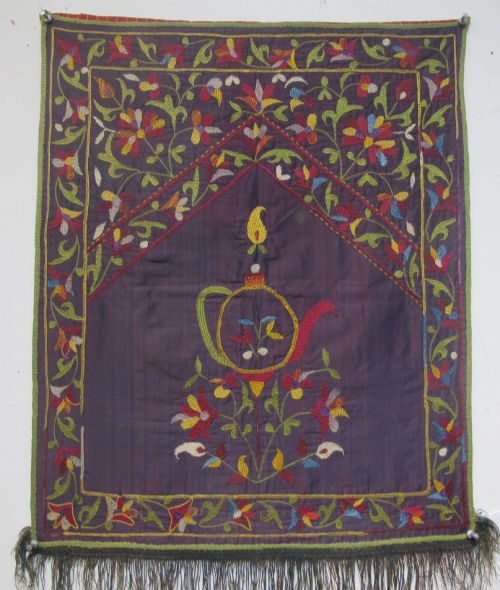
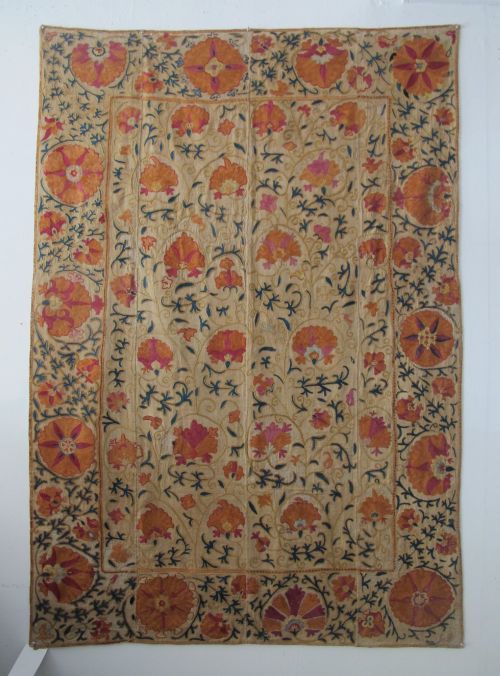
When someone searches for an uzbekistan silk suzani, they are looking at traditional embroidered textiles originating from Central Asia. These pieces function primarily as wall hangings, decorative covers, or ceremonial objects rooted in Uzbek culture.
The selections available span from the mid-nineteenth century into the early twentieth century, encompassing regional variations such as Bokhara, Shakrisabz, Tashkent, and Uratube. Alongside standard formats, collectors frequently encounter smaller nim suzanis, prayer formats, and specialised Lakai tribal pieces.
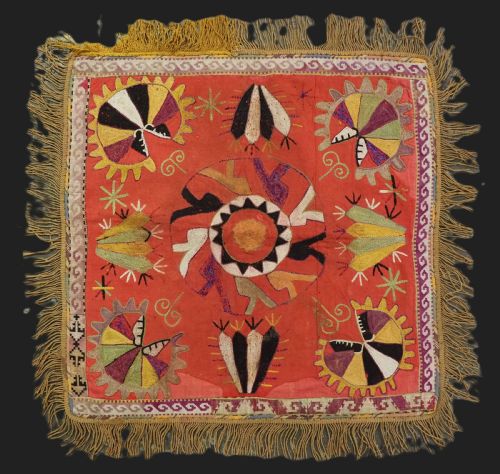
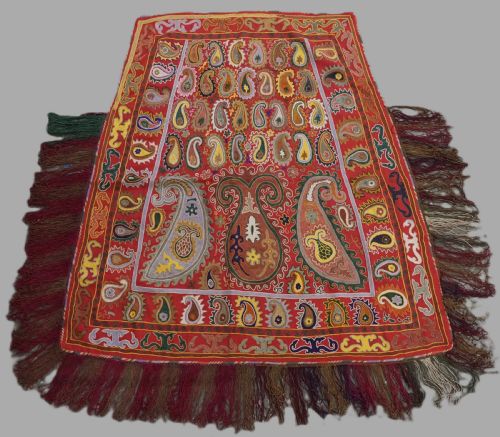
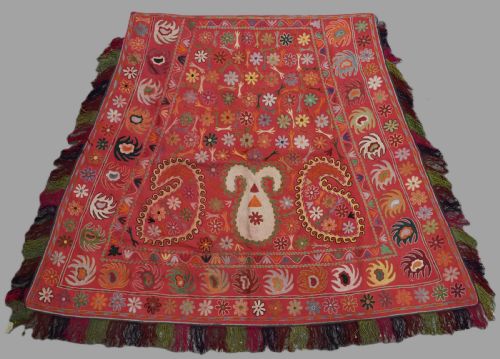
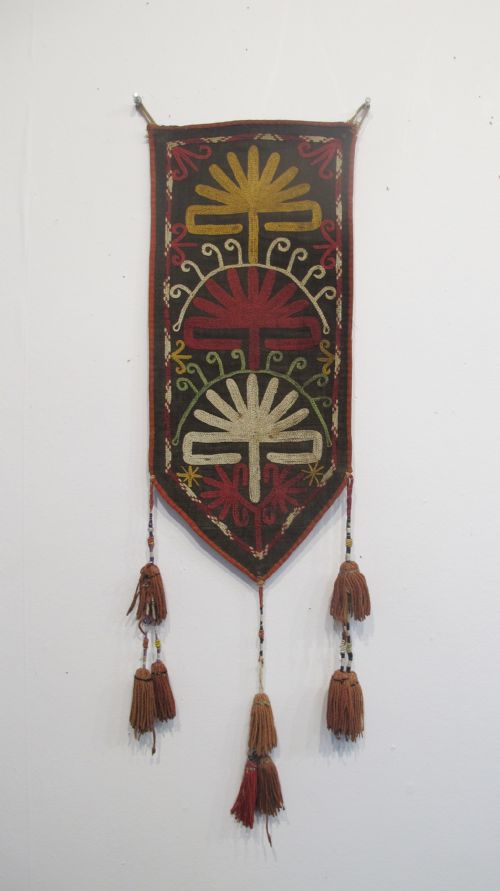
Tribal examples often take the form of ceremonial horse covers, saddle rugs, or dowry embroideries rather than domestic wall hangings. These diverse formats reflect the rich textile traditions practised across different towns and nomadic groups in Uzbekistan.
How they were made
Makers embroidered fine silk threads onto a foundation fabric, which commonly consists of cotton or sometimes wool. The resulting needlework displays dense patterns executed with traditional stitch techniques distinctive to Central Asian workshops and tribes.
Grounds appear in various shades, including striking yellow cotton backgrounds that provide strong contrast to the polychrome silk embroidery. Artisans organised compositions with architectural elements, medallions, or prayer formats depending on the intended regional style.
Uzbekistan Silk Suzani Retail Price Guide 2026
Typical asking prices for uzbekistan silk suzani among the pieces listed under this phrase on Sellingantiques today, from the lower quarter to the upper quarter. They describe what is for sale here now, not the wider market.
The inventory records distinct regional forms including Bokhara, Shakrisabz, Tashkent, and Uratube alongside Lakai tribal work.
What varies in quality
The standard of a piece depends heavily on the density of the needlework and the complexity of the design layout. Full work examples that completely cover the ground fabric demonstrate greater labour and artistic ambition than sparser compositions.
Colour saturation and the preservation of the original silk and cotton materials also determine the visual impact of the textile. Distinct regional drawing styles, particularly in tribal pieces from the Lakai or urban centres like Bokhara, separate ordinary items from exceptional textile art.
The Uzbekistan Silk Suzani Glossary
- Suzani
- An embroidered hanging originating from Central Asia, traditionally worked in silk on a cotton foundation. These textiles formed an essential part of a bride's dowry.
- Nim suzani
- A smaller version of the standard suzani, roughly half the size. These compact textiles served more intimate domestic functions.
- Lakai
- A Central Asian Turkic tribal group known for distinctive, dynamic embroidery styles. Their work often includes horse covers, amulet holders, and dowry pieces.
- Torba
- A small hanging bag or utilitarian textile used within nomadic households. Examples often feature tribal embroidery matching larger suzani traditions.
- Prayer format
- A textile design incorporating a mihrab or arch motif oriented in a specific direction. These pieces relate visually to Islamic prayer rugs.
Uzbekistan Silk Suzani: Frequently Asked Questions
How were suzanis originally used?
These textiles served primarily as wall hangings and decorative domestic furnishings within traditional Central Asian homes. Many pieces also formed part of a bride's dowry, prepared over years by family members.
Nomadic groups such as the Lakai utilised similar embroidery techniques for ceremonial horse covers and saddle rugs. Each piece played a role in marking significant life events and domestic celebrations.
How do I hang a textile safely?
Mounting requires distributing the weight evenly across the entire upper edge to prevent strain on the historical silk and cotton fibres. Professional conservators often recommend using a velcro system or a padded sleeve.
Direct sunlight causes natural silk dyes to fade rapidly over time. Placing the piece away from windows and direct heat sources preserves the rich colour palette.
What is a nim suzani?
A nim suzani is simply a smaller format of the standard embroidered hanging. The Persian word nim translates to half, indicating a more compact scale.
These smaller pieces fit more easily into modern residential spaces while retaining the exact same embroidery techniques and regional designs as larger works.
How do I distinguish regional styles?
Regional attribution relies on examining the specific drawing style, colour combinations, and motif arrangements. Urban centres like Bokhara and Tashkent developed distinct floral and architectural compositions.
Nomadic groups like the Lakai utilised much more geometric and abstract tribal motifs. Comparing these design elements reveals the likely origin within Uzbekistan.