
Uzbek Tribal Wall Hanging
When you search for an uzbek tribal wall hanging, you are seeking Central Asian textiles made from cotton, silk, and wool that bring rich colour and history into a room.
Uzbek Tribal Wall Hanging
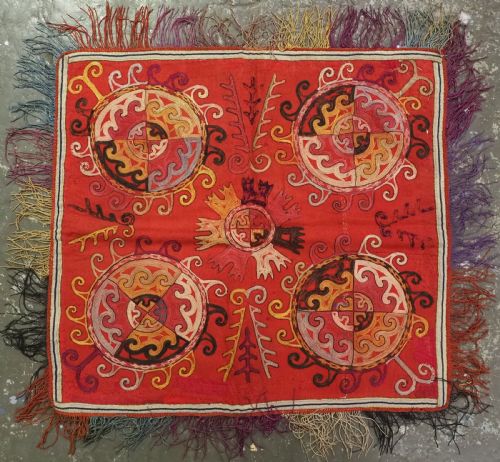
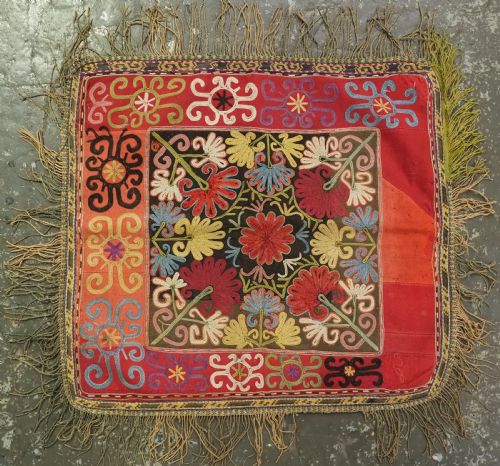
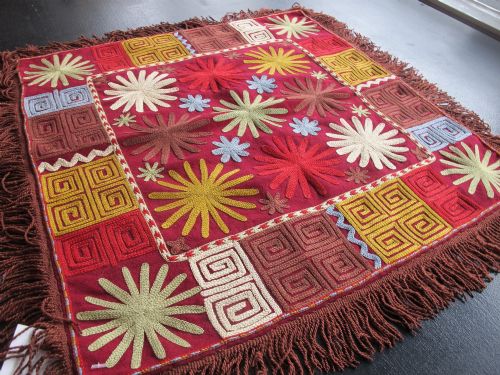
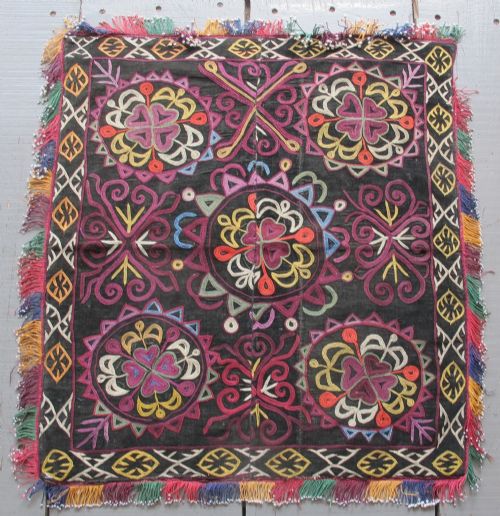
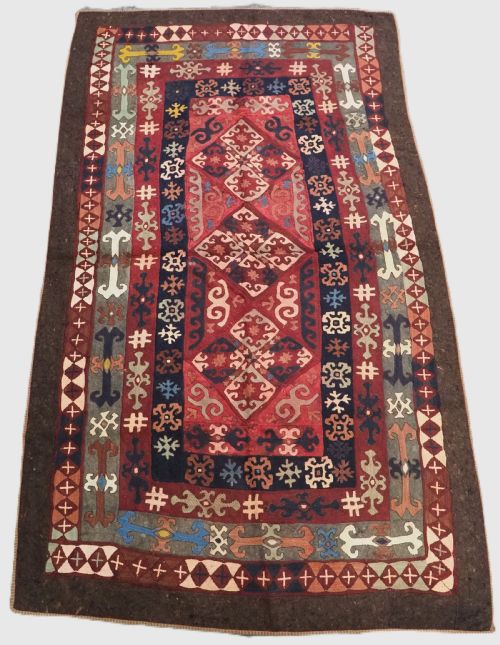
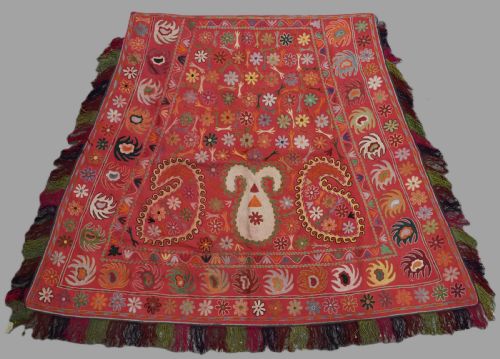
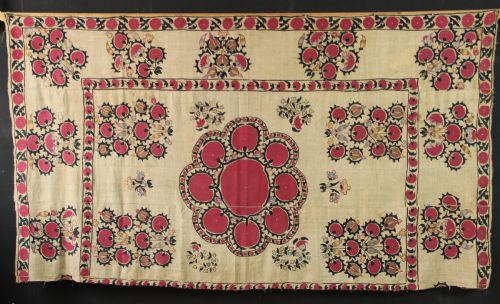
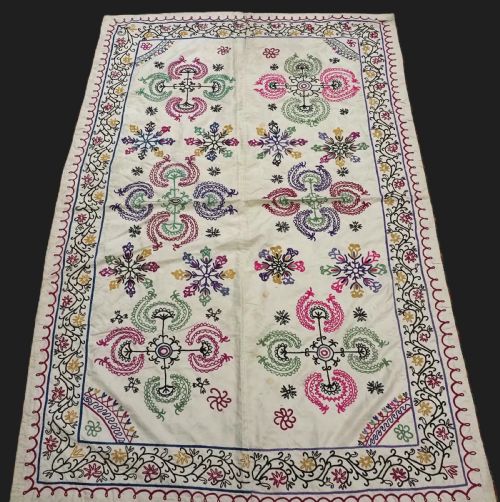
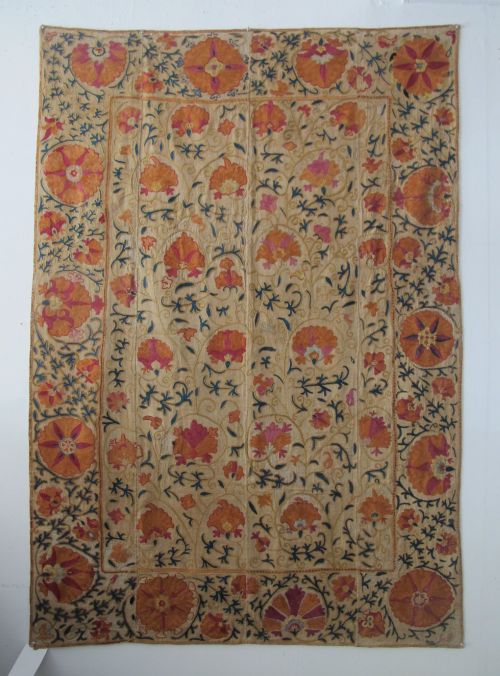
An uzbek tribal wall hanging encompasses traditional Central Asian textiles, including dowry embroideries, suzanis, and functional covers adapted for display. These pieces range from pieces originating in the nineteenth century up to the twentieth century.
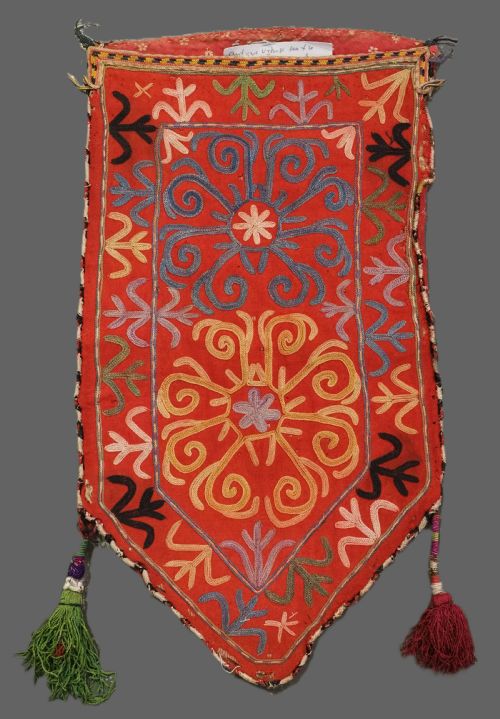
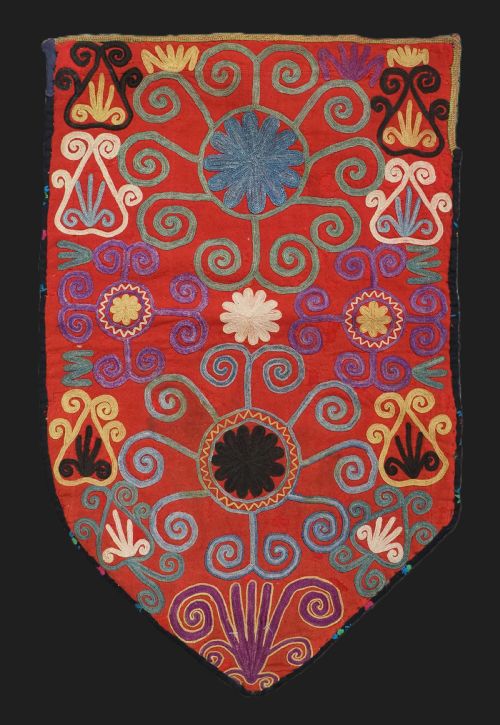
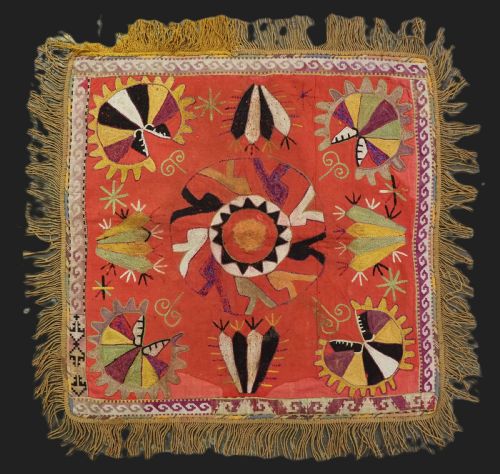
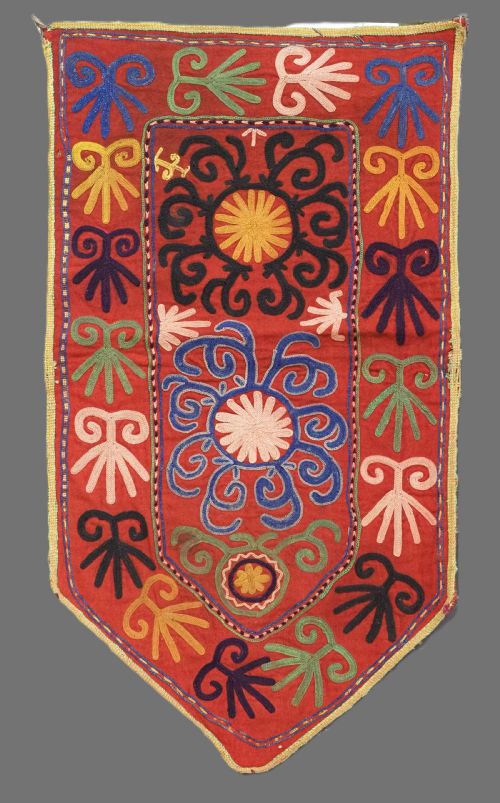
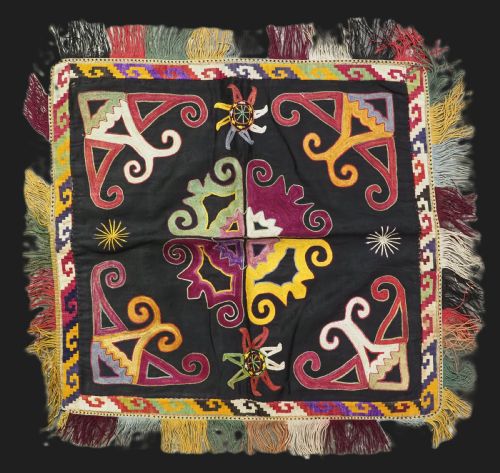
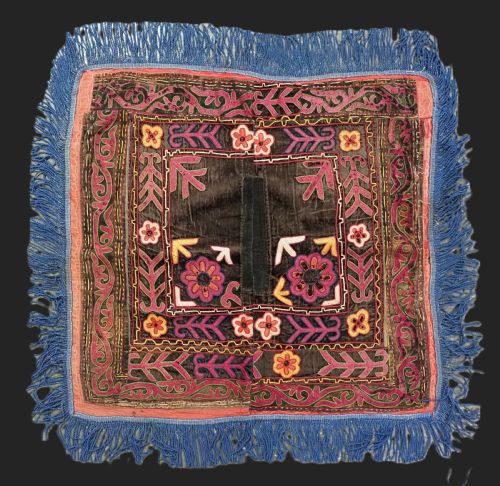
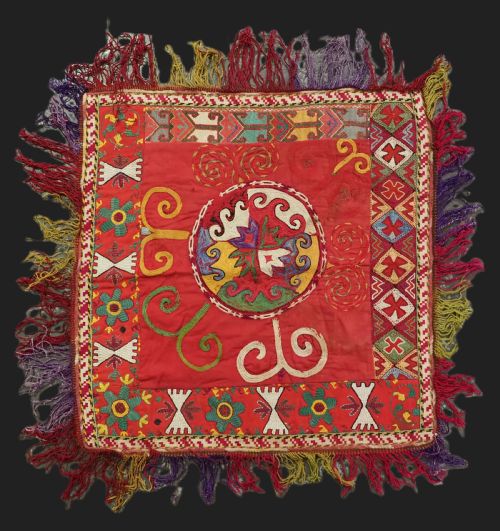
The most common examples encountered on this page are suzanis and ilgiches created by nomadic and settled groups such as the Lakai tribe. They feature bold geometric motifs or floral medallions worked onto woven grounds.
Makers utilised various formats, from full room-scale wall panels down to smaller mirror covers and saddle rugs. Each textile reflects the regional traditions of centres like Bukhara and Shakrisabz.
How they were made
Artisans built these works using natural foundations of cotton, wool, and felt, sometimes applying velvet or woven strips. Silk thread formed the primary medium for embroidery, laid down in dense stitches to cover the ground fabric.
Embroiderers worked geometric and curvilinear motifs by hand, occasionally incorporating glass beads or working on dual-faced panels. Workshops in different regions employed distinct colour palettes and stitch densities to achieve their specific visual identity.
Materials recorded on this page include silk thread, cotton, felt, wool, velvet, and glass beads.
What varies in quality
The visual strength of an embroidery depends on the saturation of the silk threads and the precision of the needlework against the backing material. Examples with dense, unbroken stitches and balanced proportions command greater attention.
Compositional rhythm and the preservation of early natural dyes set exceptional panels apart from simpler workshop output. Patination on wool or cotton grounds also indicates the age and authenticity of the textile.
The Uzbek Tribal Wall Hanging Glossary
- Suzani
- An embroidered wall hanging from Central Asia, traditionally worked in silk on a cotton or linen ground. These large textiles served as dowry items and decorative covers.
- Ilgich
- A small embroidered hanging or wall panel, often associated with the Lakai tribe. They were created as dowry elements or ceremonial items.
- Uut Kap
- A storage bag or hanging panel traditionally used in nomadic yurts. Surviving fragments are frequently displayed as decorative wall art.
- Adras
- A traditional Central Asian mixed fabric woven with a silk warp and a cotton weft. It provides a smooth surface for ikat pattern dyeing.
- Nim Suzani
- A half-sized suzanis panel, scaled down from the larger full-room versions. These smaller formats suit domestic wall spaces.
Uzbek Tribal Wall Hanging: Frequently Asked Questions
How were suzanis originally used?
These textiles functioned as bridal dowry items, wall decorations, and ceremonial covers within Central Asian households. Families displayed them during weddings and other significant domestic events.
Over time, many of these functional pieces transitioned into decorative wall art for Western interiors. Their robust construction allows them to hang securely on walls today.
What is a Lakai embroidery?
Lakai embroideries originate from a specific Uzbek tribal group known for distinct graphic motifs and heavy silk stitching. Their work often employs vibrant reds, greens, and yellows on dark wool or cotton grounds.
These pieces frequently take the form of small wall hangings, saddle covers, or mirror pouches. Their bold geometry differs from the floral court styles of urban centres.
How do I care for an antique textile?
Protect antique embroideries from direct sunlight to prevent the silk threads from fading and weakening. Keep them away from damp environments to safeguard the natural cotton and wool foundations.
Mounting should distribute the weight evenly across the entire textile rather than suspending it from a few points. Professional framing with UV-filtering glass offers the best protection for fragile silk.
How can I tell the age of a wall hanging?
Age is assessed through the analysis of the base materials, the type of dyes used, and the style of the embroidery. Earlier pieces from the nineteenth century often feature hand-spun foundations and natural dye palettes.
Minor irregularities in the weave and signs of period wear point to traditional manufacture. Comparing the motif style to documented regional examples helps narrow down the production period.