



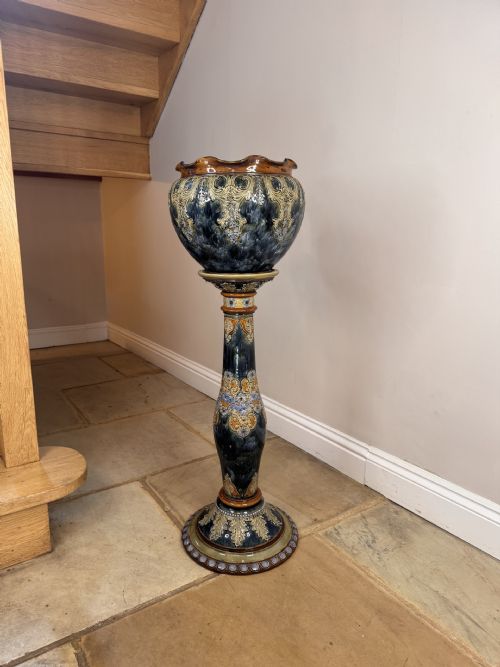
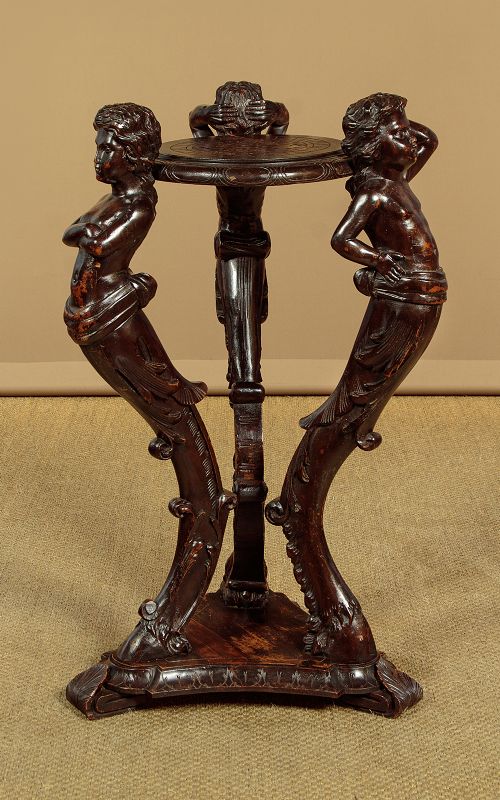
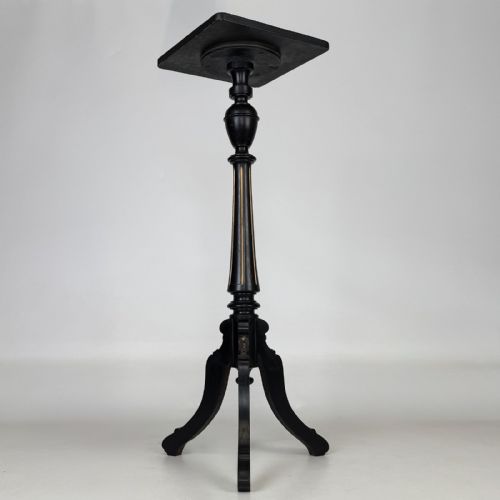
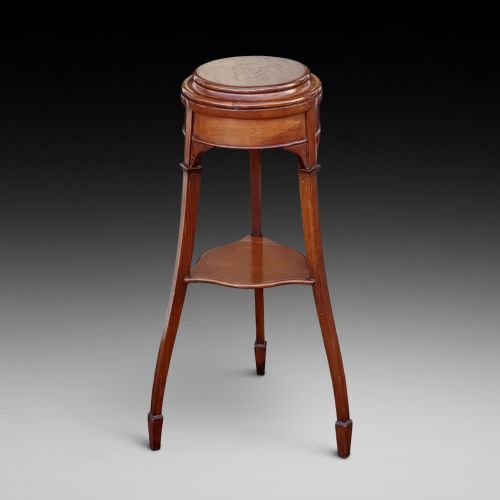



Urn Stand Pedestal
An urn stand pedestal elevates heavy planters and classical vessels, bringing proportion and focus to interior and garden spaces.
Urn Stand Pedestal
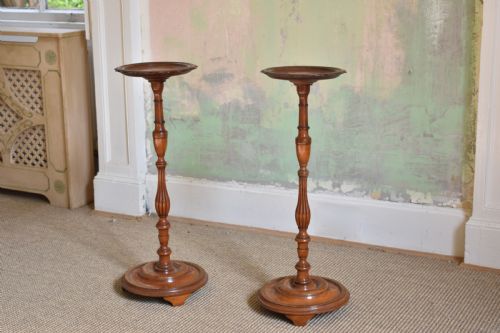
An urn stand pedestal functions as a raised support for decorative vessels, plants, and ornamental sculpture within domestic and garden interiors. These pieces appear across multiple historical eras, with Victorian and Edwardian examples forming the largest share of current listings.
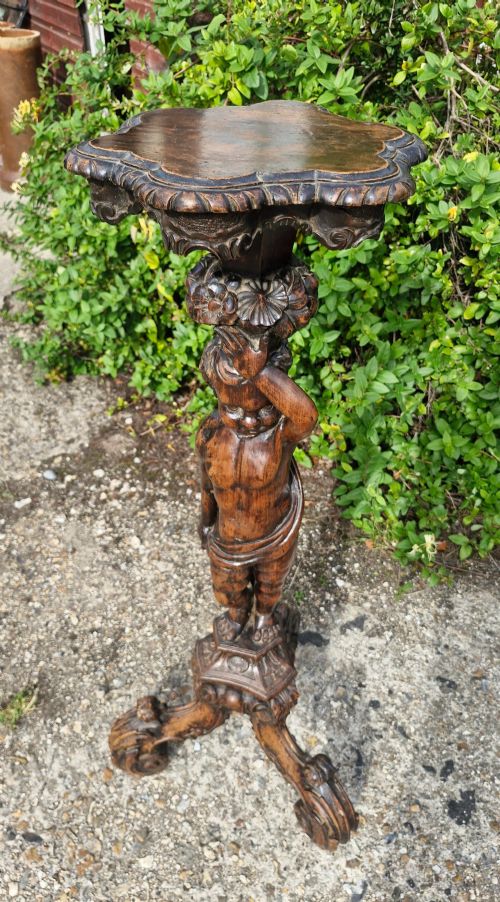
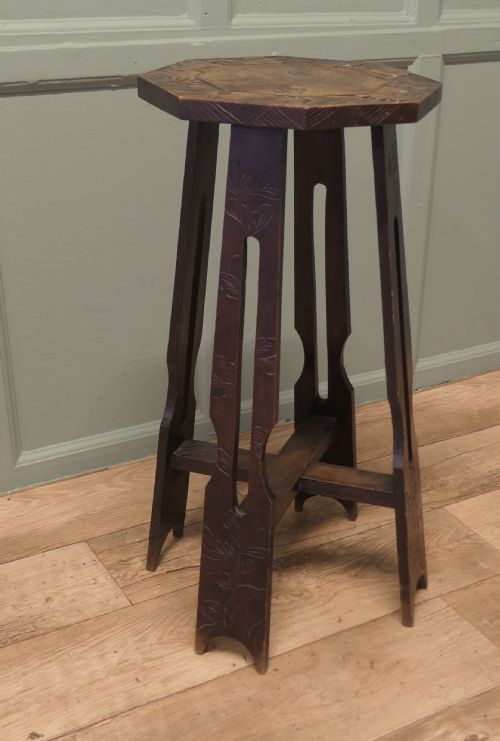
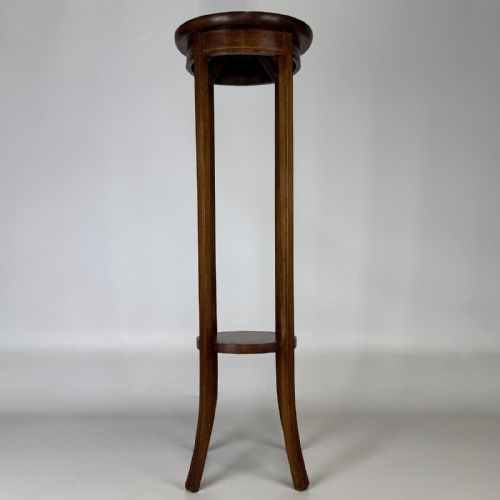
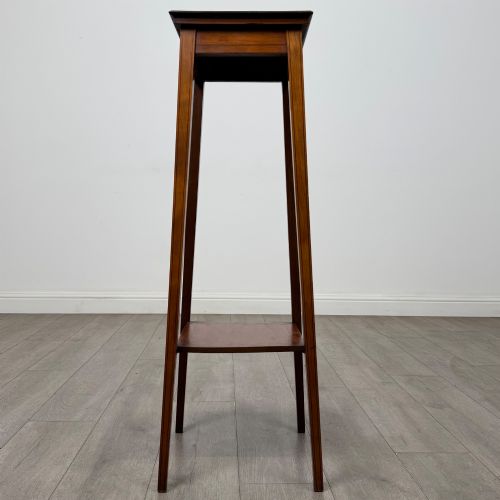
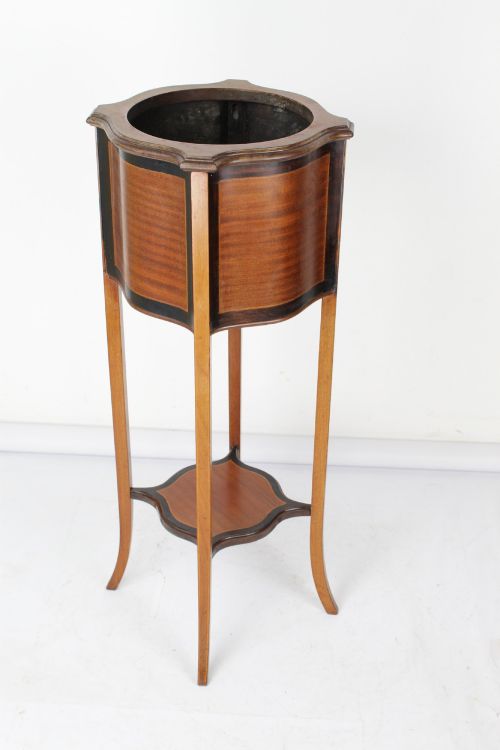
Makers designed these objects in diverse forms, ranging from tall fluted columns to compact octagonal plant stands and tripod bases. Georgian iterations display refined mahogany construction, whilst later nineteenth-century pieces embrace ebonised wood, marble tops, and intricate inlay.
Global influences merge within the selection, spanning from Chinese hardwood pot stands with inset marble to French gilt-metal mounted black marble columns and Italian Renaissance revival carvings. Buyers encounter items functioning as torchères, occasional tables, and dedicated jardinière holders.
Materials and Construction
Cabinetmakers utilised dense timbers such as mahogany, walnut, satinwood, and rosewood, often enhancing surfaces through marquetry inlay, mother-of-pearl, or ebonisation. Structural integrity relied on turned columns, tripod bases, and carved knees to support weighty stone or ceramic vessels.
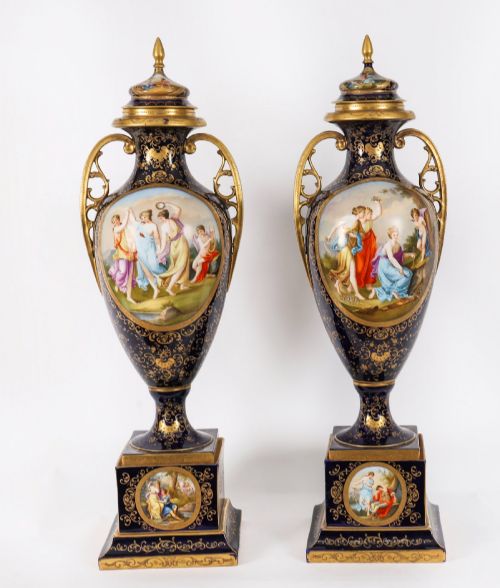
Stone, marble, and composite cast stone appear frequently on top surfaces and structural plinths, paired with bronze, brass, and gilt-metal mounts. Artisans combined carved wood with inset stone panels to withstand the heavy loads of garden urns and large porcelain vases.
Urn Stand Pedestal Retail Price Guide 2026
Typical asking prices for urn stand pedestal among the pieces listed under this phrase on Sellingantiques today, from the lower quarter to the upper quarter. They describe what is for sale here now, not the wider market.
The inventory includes Chinese export hardwood stands alongside European Neoclassical and Gothic revival pieces.
Evaluating Quality and Craftsmanship
Superior examples demonstrate precision in hand-carved ornamentation, such as crisp acanthus leaves on torchère knees or finely detailed mounts on marble columns. The choice of timber grain and the complexity of inlay work distinguish standard production items from distinguished workshop commissions.
Structural stability dictates longevity, where solid joints and balanced tripod or octagonal bases prevent wobble under heavy decorative loads. The integration of contrasting materials, such as polished marble inserts within carved hardwood frames, reflects the ambition of the original maker.
Liberty And Co·Royal Doulton·Royal Vienna·Coalbrookdale·Druce And Co London·Shoolbred
The Urn Stand Pedestal Glossary
- Torchère
- A tall, slender stand designed specifically to support a candelabrum or light fixture. These elevated pieces frequently feature carved wooden columns and tripod legs.
- Jardiniere
- An ornamental pot or container for holding flowers or plants. They typically rest upon dedicated stands or pedestals.
- Ebonised Wood
- Timber treated with a dark finish to imitate expensive ebony. This technique gained prominence during the Victorian period for dramatic visual contrast.
- Inlay
- A decorative technique where pieces of contrasting material are fitted into depressions within a wooden base. Common materials include satinwood, mother-of-pearl, and brass.
Urn Stand Pedestal: Frequently Asked Questions
What is an urn stand pedestal used for?
These pieces elevate decorative urns, heavy planters, and classical vases to eye level within a room or garden space. They provide structural support whilst enhancing the display of botanical and sculptural elements.
Historically, homeowners placed them in hallways, drawing rooms, and conservatories to showcase imported ceramics and bronze sculptures.
How do I style a pedestal in my home?
Position a standalone pedestal in an empty corner, near a window, or flanking an entryway to create a strong vertical focal point. Ensure the top surface matches the scale of the object placed upon it.
Pair wooden columns with trailing plants, or use marble-topped stands to display heavy ceramic vessels and bronze figures.
How do I identify the period of a stand?
Examine the timber species, carving style, and secondary woods used in the construction of the column and base. Georgian pieces favour refined mahogany, whilst Victorian items often utilise ebonised finishes and heavy cast ornament.
Edwardian stands display lighter satinwood inlays and simpler geometric forms, reflecting changing domestic fashions at the turn of the twentieth century.