



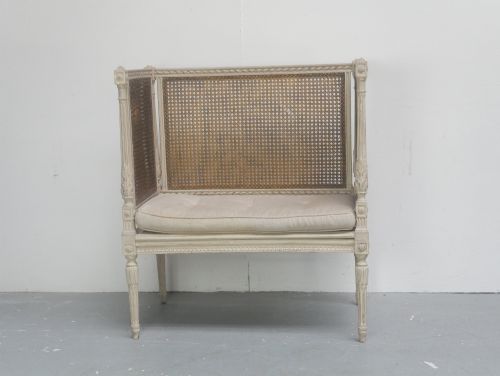
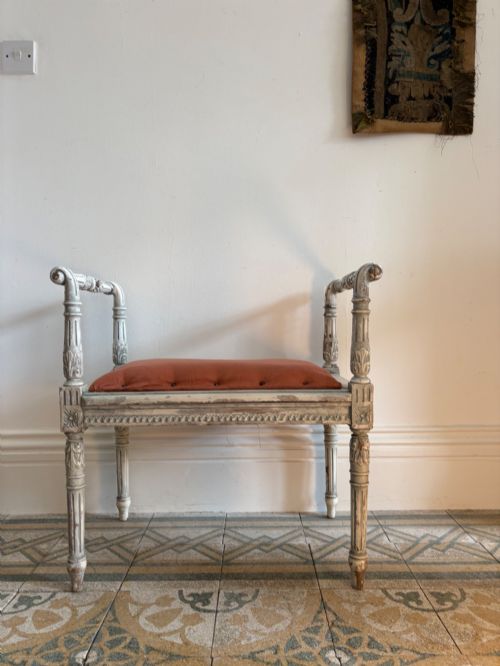
Upholstered Wood Bench
An upholstered wood bench brings tactile warmth and period character to an interior, combining sturdy timber frames with soft textile seats.
Upholstered Wood Bench
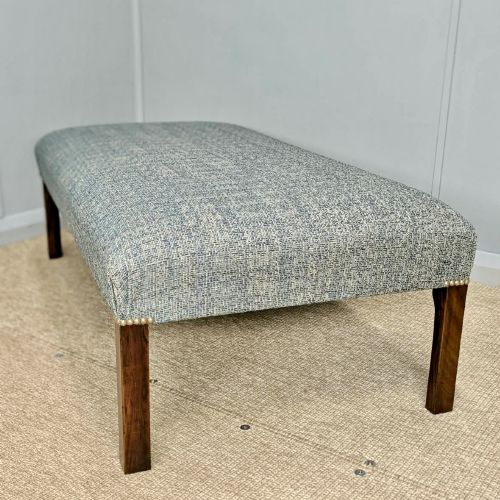
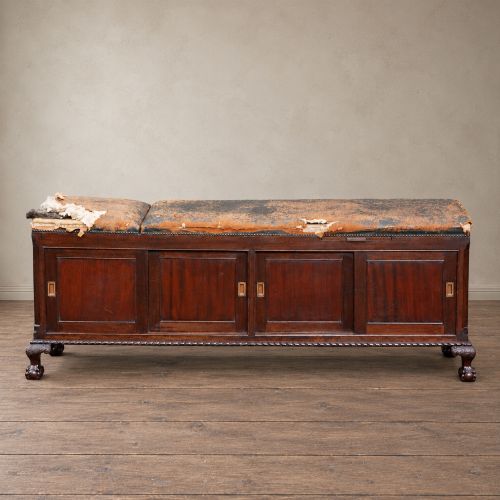
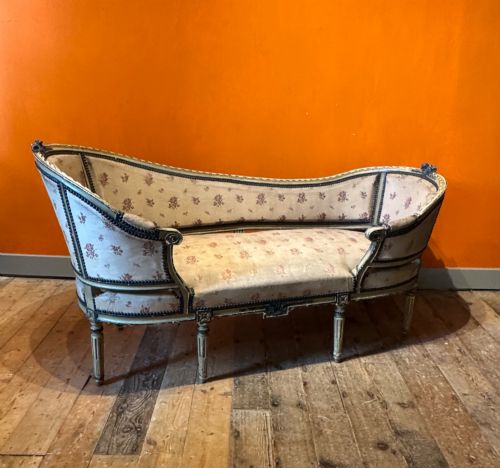
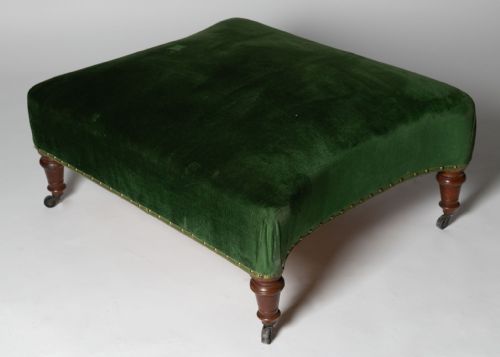
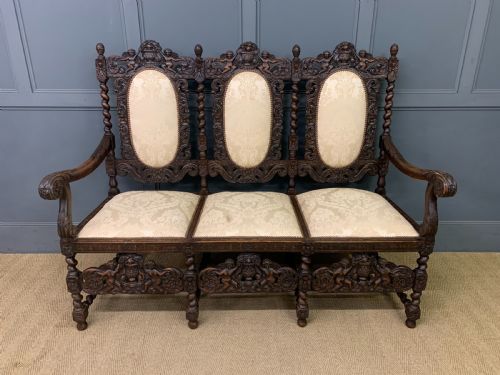
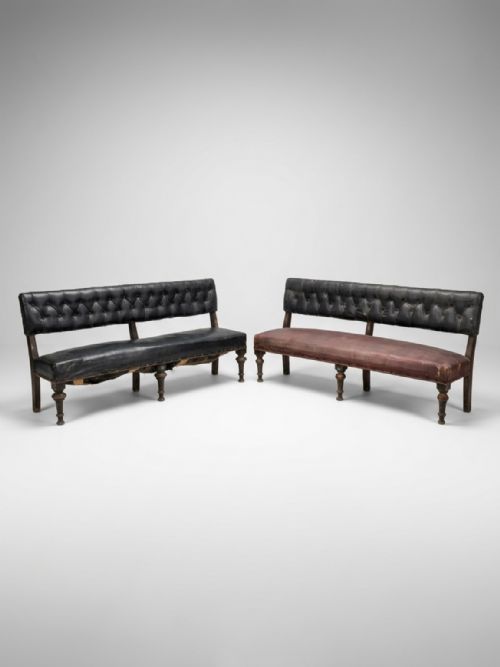
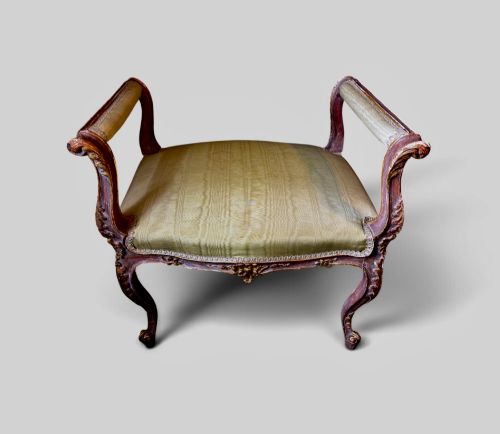
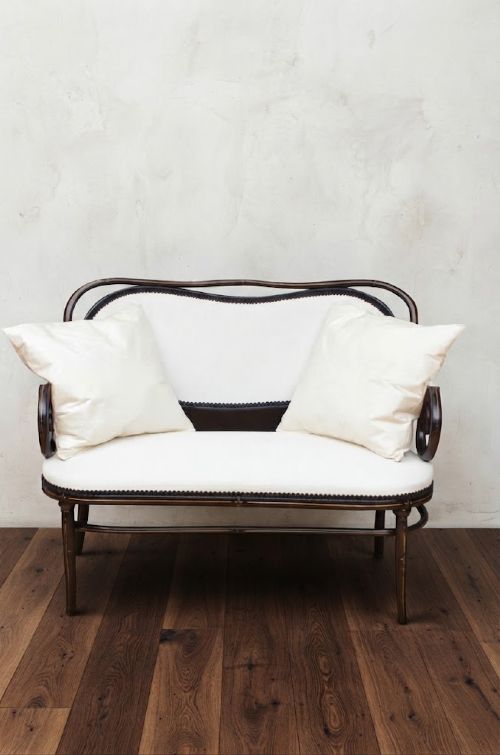
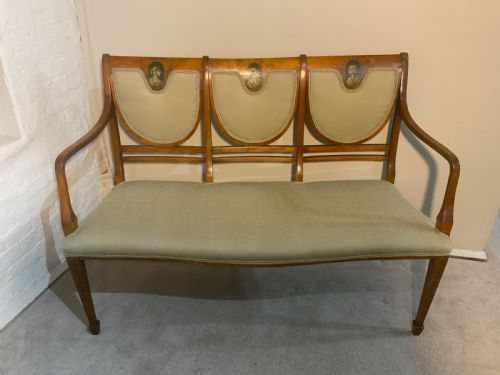
An upholstered wood bench encompasses a diverse group of seating forms, including window seats, footstools, duet stools, and larger settees designed for domestic spaces. When searching for an upholstered wood bench, buyers encounter pieces originating from the nineteenth and early twentieth centuries, spanning stylistic revivals from French Louis designs to Arts and Crafts and Art Deco interpretations.
The material combination typically unites a wooden support structure - ranging from mahogany and walnut to painted softwood - with padded seating covered in fabric, velvet, linen, silk, or leather. Formats vary from neat piano stools and dressing table seats to long hall benches and daybeds intended for functional daily use.
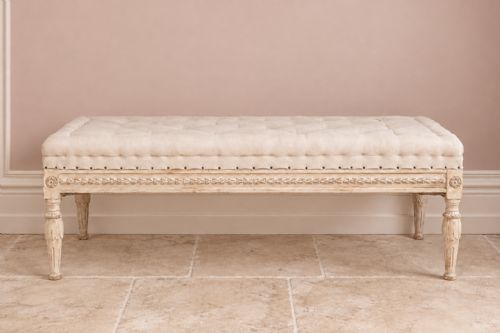
Origin points across the current selection include English workshops, French ateliers, Italian studios, and Swedish houses. Many examples show distinct regional stylistic traits, such as Gustavian neoclassicism or Edwardian ebonised finishes.
Construction and Materials
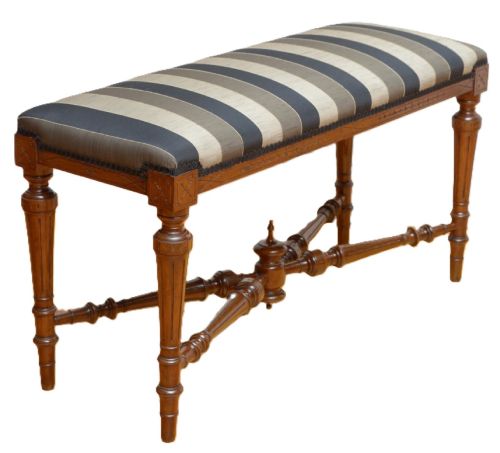
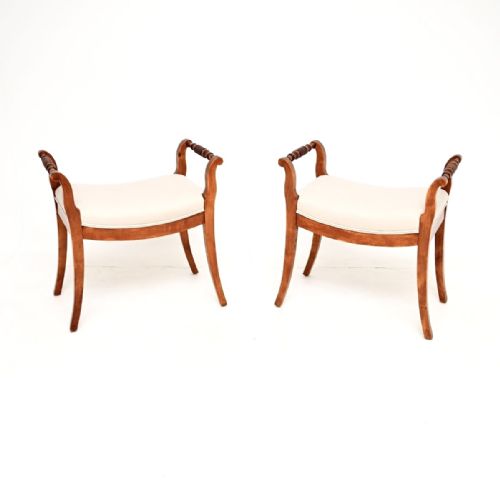
Makers utilised solid hardwoods such as mahogany, rosewood, walnut, and satin birch to build durable frames, often employing hand-carving or turning techniques for legs and rails. Alternative finishes include giltwood, painted surfaces, and ebonised treatments.
Upholstery methods involved securing supportive webbing and stuffing directly onto the wooden base before applying textile covers fastened with brass tacks or piping. Secondary materials like cane work, brass hardware, and specialised wood veneers such as calamander or burr maple appeared on specific decorative iterations.
Upholstered Wood Bench Retail Price Guide 2026
Typical asking prices for upholstered wood bench among the pieces listed under this phrase on Sellingantiques today, from the lower quarter to the upper quarter. They describe what is for sale here now, not the wider market.
Some nineteenth-century duet stools were built extra wide specifically to accommodate two piano players practicing side by side.
Evaluating Craftsmanship and Integrity
Quality rests in the rigidity of the wooden joinery and the depth of hand-carved detail on the frame. Superior pieces display crisp moulding profiles, well-matched timber grains, and original surface treatments such as period gilt or early paint layers.
The execution of the upholstery foundation dictates longevity, with firmer internal building techniques separating standard production seating from high-workshop items stamped by known makers.
C. Hindley & Sons·Loidrault Freres Paris
The Upholstered Wood Bench Glossary
- Duchesse brisee
- A French multi-part chaise longue combination comprising a chair and a matching stool or footrest. This form originates in eighteenth-century design vocabulary.
- Canape
- An antique French settee or sofa featuring an upholstered backrest and seat supported by an exposed wooden frame. These pieces often exhibit carved decorative motifs along the crest rail.
- Banquette
- A long upholstered bench without a backrest, typically designed for hallways or placement beneath windows. French examples frequently feature turned or carved wooden legs.
- Giltwood
- Timber treated with a thin layer of gold leaf applied over a prepared gesso base. This finish appears frequently on decorative period window seats and salon furniture.
- Ebonised
- Wood stained or painted to resemble ebony, creating a dense black finish popular during the Victorian and Aesthetic Movement periods.
Upholstered Wood Bench: Frequently Asked Questions
Where should I place an upholstered wood bench?
These pieces suit placement at the foot of a bed, beneath a hallway window, or beside a dressing table where compact seating is required.
Their narrow profile allows them to function in corridors or reception rooms without cluttering the floor plan.
How do I identify a Victorian wooden bench?
Victorian examples frequently utilise dark dense timbers like mahogany and walnut, accompanied by heavy turned legs or carved mahogany frames.
Stylistic cues often draw from earlier historical revivals including Rococo and Carolean influences.
Are these benches suitable for daily seating?
Most antique examples remain sturdy enough for regular use, provided the internal webbing and padding have been properly maintained or restored.
Stools and window seats with solid hardwood frames offer reliable structural support for everyday living.