




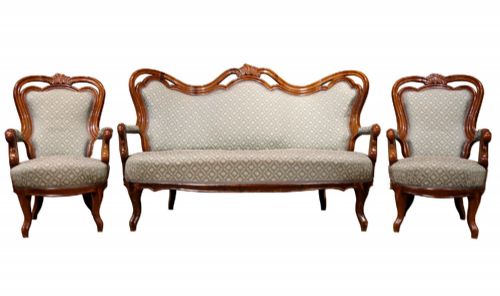
Upholstered Parlour Sofa
An upholstered parlour sofa sits at the heart of the nineteenth-century drawing room, offering structured comfort for formal social gatherings.
Upholstered Parlour Sofa
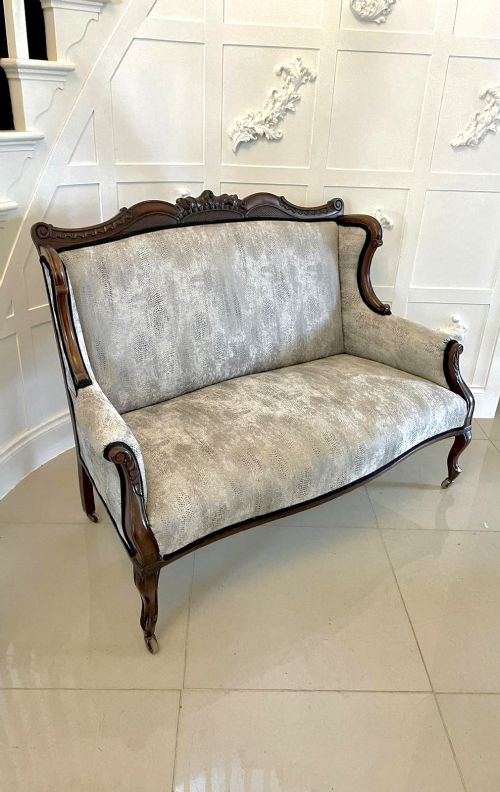
An upholstered parlour sofa brings nineteenth-century drawing-room seating into contemporary spaces, appearing across Victorian, Edwardian, and Regency periods. These pieces take the form of settees, double-ended couches, and multi-piece salon suites.
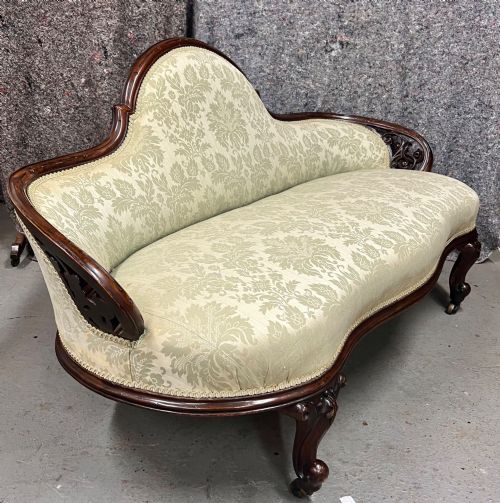
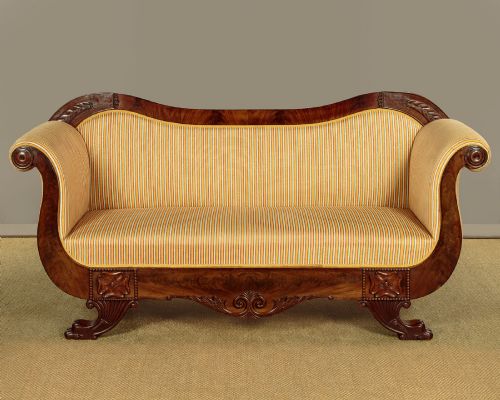
Makers construct these seating arrangements to serve formal domestic interiors, pairing robust wooden frames with textiles designed for display. Examples range from simple mahogany two-seaters to ornate walnut frames with inlaid details.
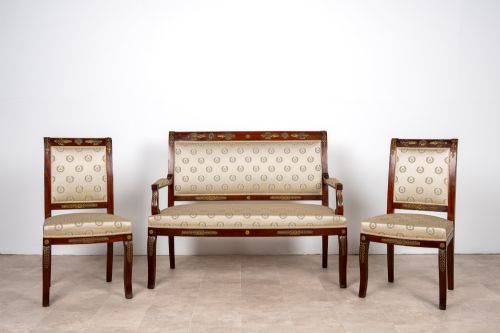
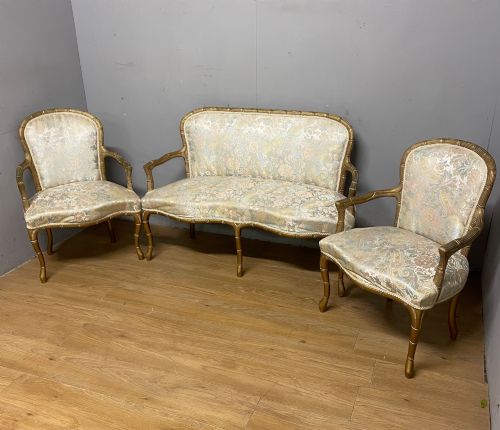
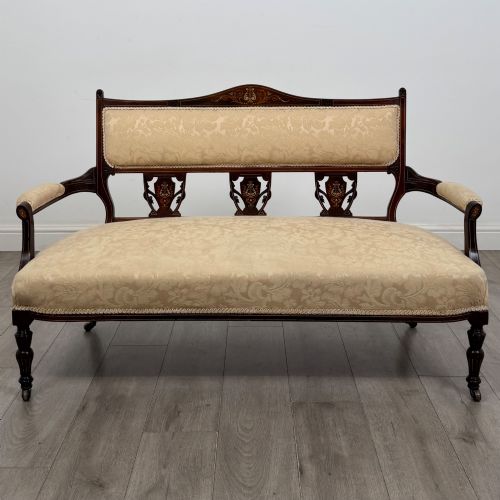
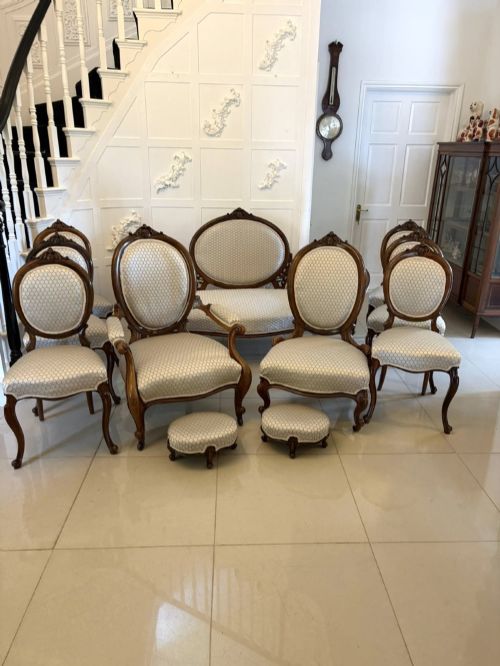
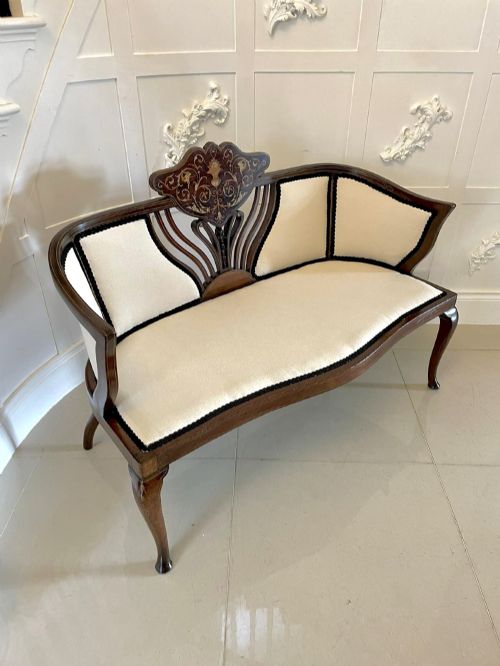
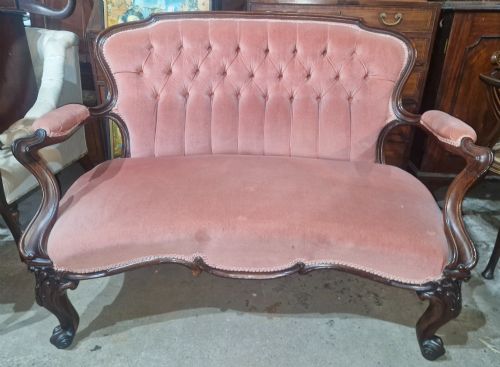
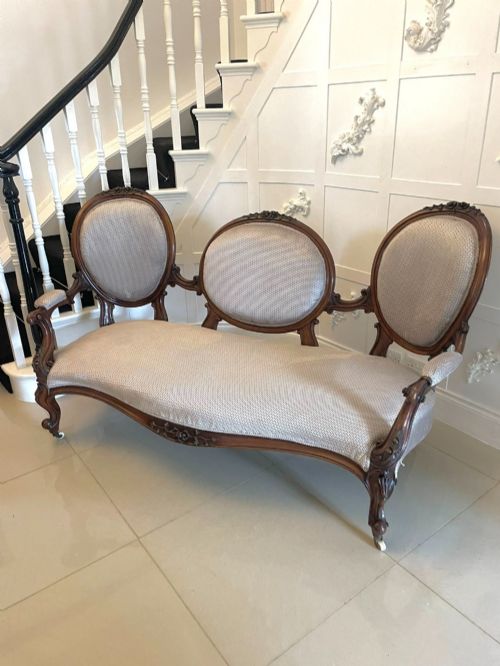
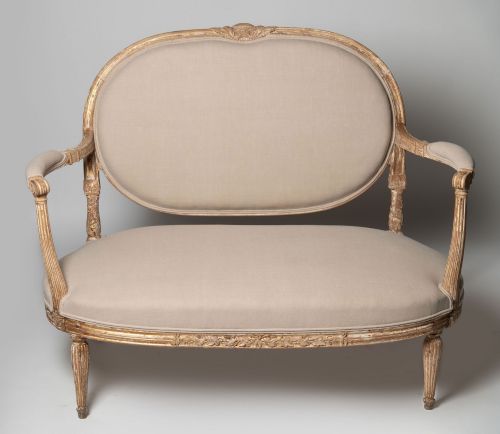
Buyers encounter variations spanning French Empire revival styles, Rococo revival curves, and late Victorian inlaid rosewood constructions. The selection includes standalone pieces as well as complete salon suites accompanied by matching chairs.
Materials and construction
Cabinetmakers build structural frames using dense hardwoods like mahogany, walnut, and rosewood, often shaping the timber with carved details or decorative inlay.
Upholstery relies on traditional textiles, incorporating deep-pile brocade, velvet, and various upholstery fabrics stretched over sprung settee bases.
Detailed ornamentation involves brass mounts, ormolu, and bone or satinwood inlay, particularly on pieces influenced by French styles or Edwardian tastes.
Upholstered Parlour Sofa Retail Price Guide 2026
Typical asking prices for upholstered parlour sofa among the pieces listed under this phrase on Sellingantiques today, from the lower quarter to the upper quarter. They describe what is for sale here now, not the wider market.
Listings feature mahogany, walnut, and rosewood frames paired with fabrics ranging from velvet to deep-pile brocade.
Judging the range
The degree of hand-carving on the wooden frame separates standard production from exhibition-quality pieces, with deep relief work indicating higher workshop skill.
Complexity in framing defines the upper tier, seen in double-ended sofas, cameo backs, and intricate marquetry or bone inlay across mahogany and rosewood surfaces.
The integration of cohesive salon suites shows superior original design, where sofas match the exact proportions and decorative motifs of accompanying armchairs and side chairs.
C. Hindley & Sons·Robert Strahan & Co
The Upholstered Parlour Sofa Glossary
- Settee
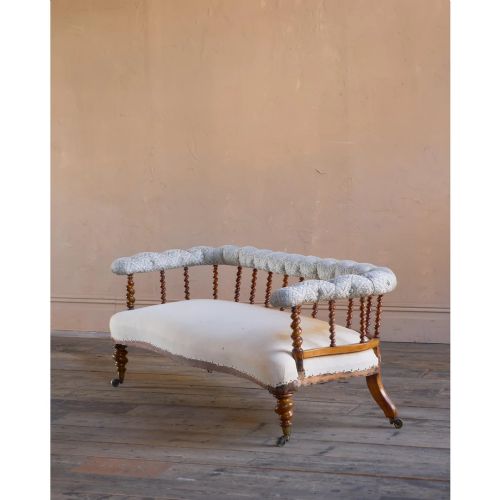
- A long upholstered seat with a back and arms, designed for more than one person. This form appears frequently in Victorian and Edwardian drawing rooms.
- Ormolu
- Gilded bronze ornamentation applied to furniture frames. It adds metallic lustre to French-influenced pieces from the nineteenth century.
- Inlay
- Decorative wood or bone pieces set into the surface of a larger wooden frame to create contrasting patterns. Edwardian and late Victorian makers utilise this technique extensively.
- Double-ended sofa
- A seating design featuring raised scrolls or headrests at both ends rather than a single back and distinct arm. This configuration allows a person to recline from either direction.
- Salon suite
- A matching set of seating furniture comprising a sofa and corresponding armchairs or side chairs. These collections furnished formal nineteenth-century reception rooms.
Upholstered Parlour Sofa: Frequently Asked Questions
What is an upholstered parlour sofa?
An upholstered parlour sofa is a nineteenth-century seating form designed for formal reception rooms and drawing rooms. These pieces feature padded upholstery supported by hardwood frames in mahogany, walnut, or rosewood.
Craftsmen built these sofas in various regional styles, including Victorian, Edwardian, and French revival designs. They serve both as decorative centrepieces and functional furniture for formal sitting areas.
How do I date a parlour sofa?
Dating relies on observing stylistic markers, timber choices, and construction methods characteristic of specific decades. Early nineteenth-century pieces often display Regency scroll ends, while mid-century examples show elaborate Rococo revival walnut carvings.
Later Victorian and Edwardian pieces frequently incorporate mahogany frames with lighter inlaid decoration or bone accents. Comparing the wood grain and framing technique to dated examples clarifies the period.
Where were these sofas used?
These sofas were placed in the primary reception rooms of nineteenth-century homes, such as parlours, drawing rooms, and salons. They accommodated guests during formal afternoon visits and social gatherings.
In larger houses, they formed part of a matched salon suite arranged around the room. Smaller homes utilised individual settees to maximise seating space without crowding the interior.
How do I live with antique upholstery?
Living with antique seating requires balancing historical preservation with daily domestic use. Placed away from direct sunlight, the fabrics and timber frames maintain their colour and structural integrity over time.
Regular gentle dusting and careful support of the sprung base help preserve the textile covering. Many pieces also allow for reupholstery using complementary historical or contemporary fabrics.