



Upholstered Parlor Settee
An upholstered parlor settee brings nineteenth-century drawing-room comfort and timber craftsmanship directly into a modern interior.
Upholstered Parlor Settee
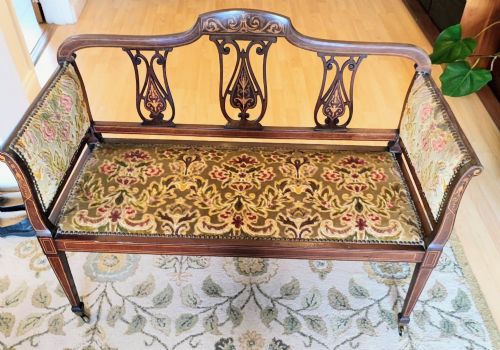
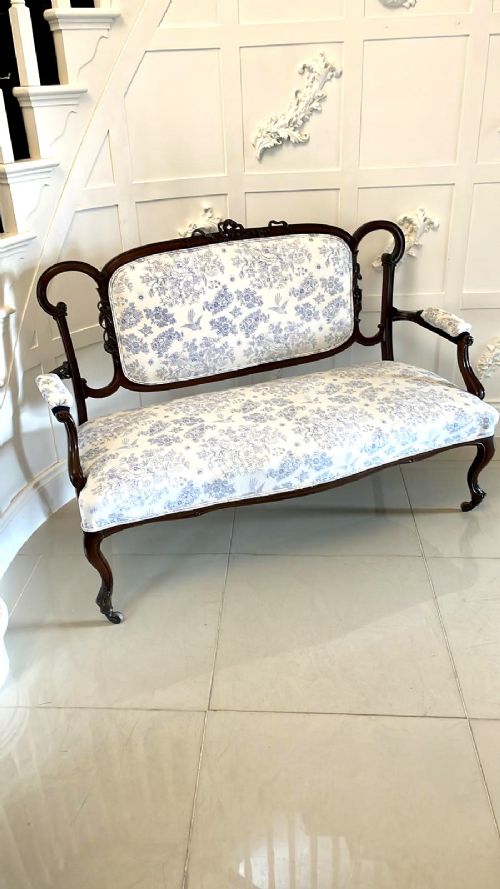
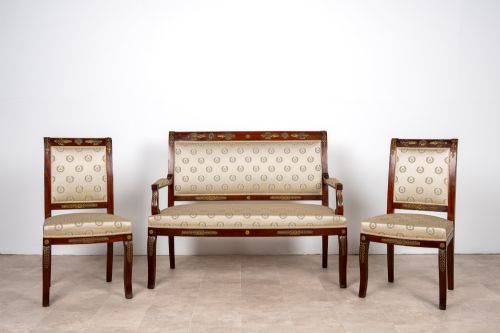
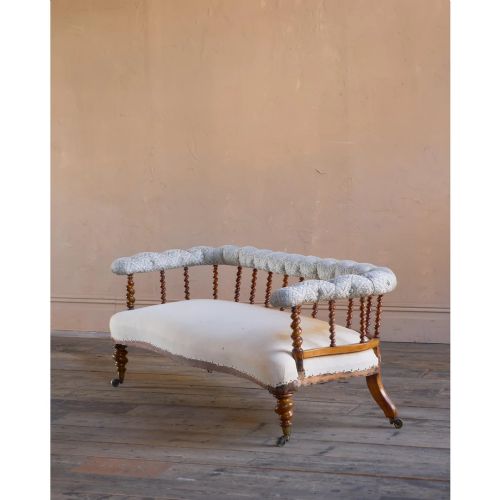
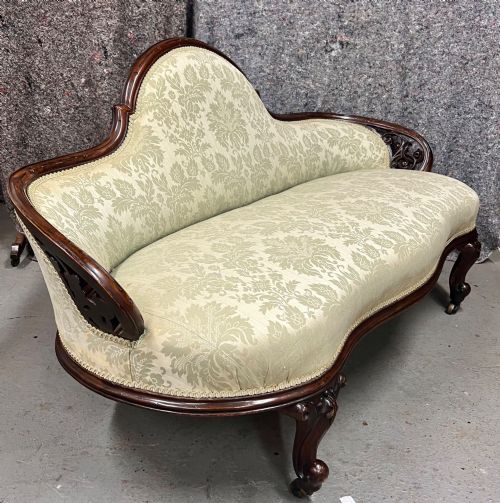
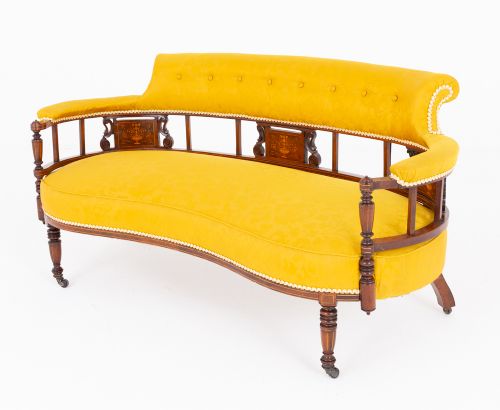
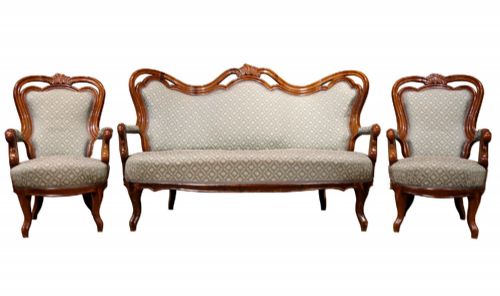
An upholstered parlor settee is a multi-seater seating form designed for formal reception rooms, appearing primarily across nineteenth-century and early twentieth-century periods. These pieces range from compact window seats and double-ended couches to expansive salon suites and multi-piece groupings.
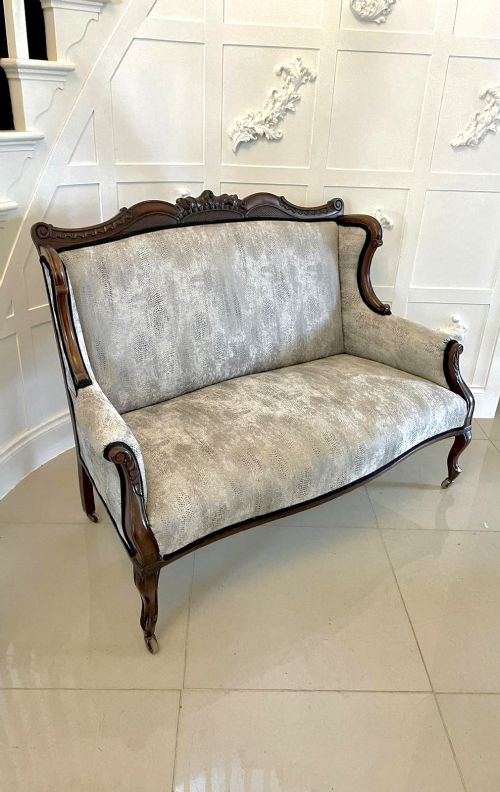
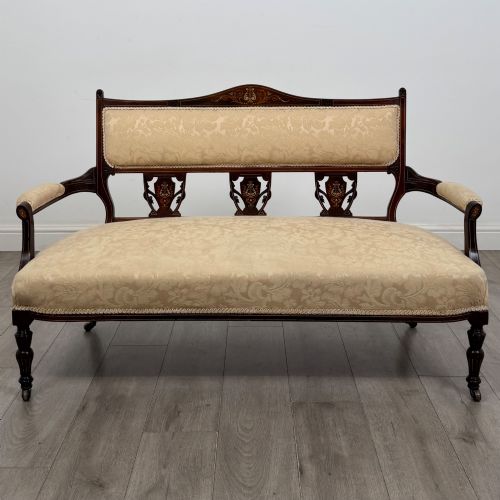
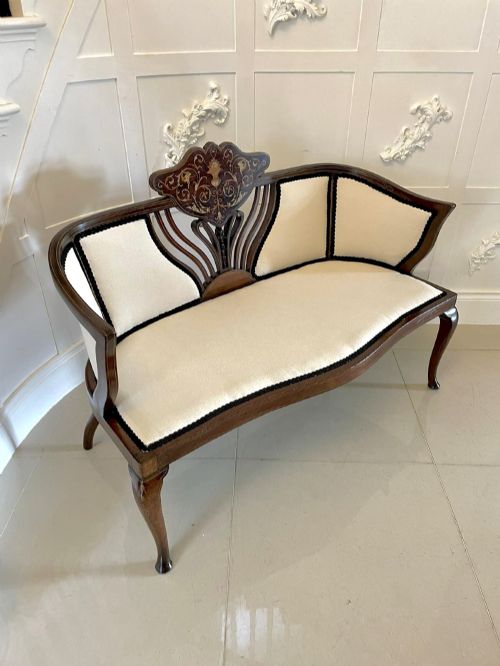
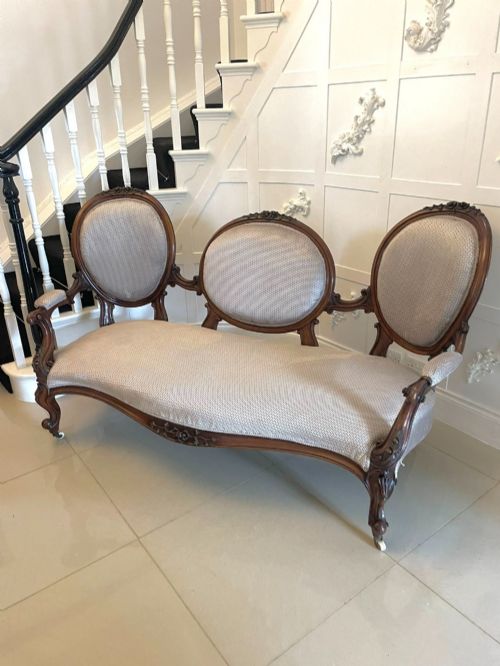
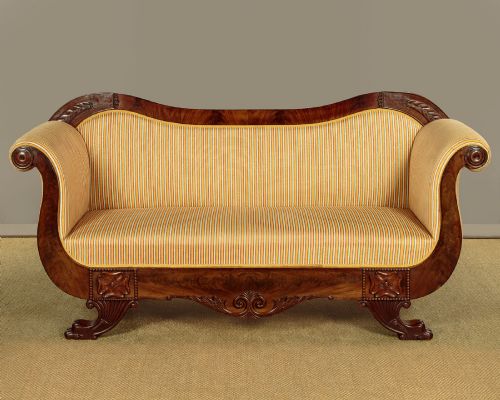
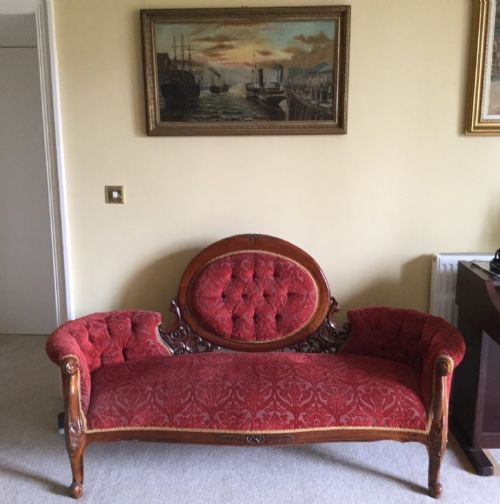
The most common examples on this page date from the Victorian and Edwardian eras, constructed in forms such as cameo-back sofas, scroll-end couches, and spindle-back salon seating. Makers utilised woods like mahogany, walnut, and rosewood to anchor soft textile coverings.
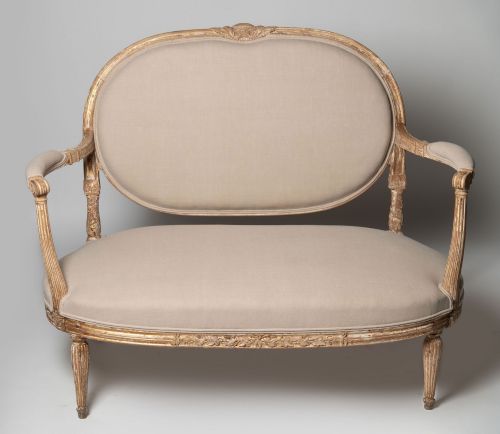
Origin influences span local British cabinet-making traditions to continental French Louis XVI styles, Rococo Revival interpretations, and Chinoiserie aesthetics. Each layout serves as a focal point for historic formal spaces.
Materials and construction methods
Carpenters formed the structural frames of an upholstered parlor settee using hardwoods such as mahogany, walnut, and rosewood, frequently incorporating decorative satinwood inlays, bone accents, or brass details. Structural stability relied on traditional joinery within the wooden skeleton.
Upholstery layers involved traditional sprung settee bases combined with dense stuffing and finished textiles like velvet, brocade, and patterned upholstery fabric. Many pieces exhibit decorative carved woodwork along the crest rails and arm supports alongside applied gilding or ormolu mounts.
Upholstered Parlor Settee Retail Price Guide 2026
Typical asking prices for upholstered parlor settee among the pieces listed under this phrase on Sellingantiques today, from the lower quarter to the upper quarter. They describe what is for sale here now, not the wider market.
Some Edwardian settees incorporated unexpected bone and satinwood inlays to delight guests resting at the foot of a bed.
Distinctions in craftsmanship and design
Quality in an upholstered parlor settee rests upon the crispness of the timber carving and the sophistication of the frame's silhouette, such as flowing Rococo curves or precise inlay work. Pieces from established makers or distinct stylistic revivals demonstrate superior joinery and timber selection.
The refinement of the secondary materials, including intricate bone stringing, Ormolu mounts, or high-grade imported fabrics, elevates a piece from standard domestic seating to high-status parlor furnishings.
C. Hindley & Sons·Robert Strahan & Co
The Upholstered Parlor Settee Glossary
- Cameo back
- A chair or settee back shaped like a cameo brooch, typically oval or shield-formed within a carved wooden border.
- Canapé
- A traditional French-style sofa featuring an exposed wooden frame and upholstered seat and back.
- Ormolu
- Gilded bronze mounts applied as decorative ornaments to wooden furniture frames, particularly on pieces influenced by French design.
- Scroll end
- A sofa arm or terminal curving outward in a continuous scroll shape, common in Regency and Victorian seating.
- Satinwood
- A pale, lustrous timber utilised for contrasting stringing and geometric inlays on mahogany frames.
Upholstered Parlor Settee: Frequently Asked Questions
What periods do these settees come from?
The listings span the nineteenth and early twentieth centuries, capturing Regency, Victorian, and Edwardian aesthetic movements.
Victorian and Edwardian examples dominate the selection, alongside earlier Regency pieces and continental variants.
Are these settees suitable for daily seating?
Many examples feature robust sprung bases and sturdy hardwood frames intended for domestic use in reception spaces.
Buyers should examine specific internal padding and upholstery conditions when planning for active daily lounging.
How do I identify a Rococo Revival piece?
Rococo Revival frames display characteristic asymmetric curves, naturalistic floral carvings, and deep channel-backed or upholstered forms.
These designs look back to eighteenth-century French aesthetics through mid-nineteenth-century British and continental craft interpretations.
What woods were used for the frames?
Cabinet-makers utilised dense hardwoods including mahogany, walnut, and rosewood to support the weight and decorative carving.
Exotic accents such as satinwood and bone appear as inlay details on late-period Edwardian and Victorian items.