

Upholstered Low Seat
An upholstered low seat brings intimacy to a room, offering low-slung comfort across centuries of cabinet-making.
Upholstered Low Seat
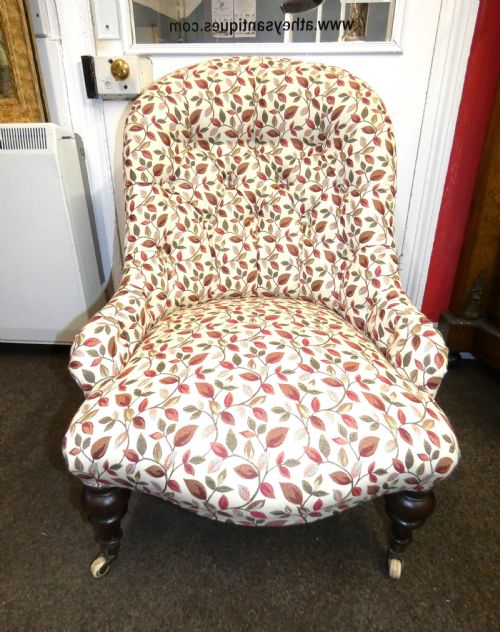
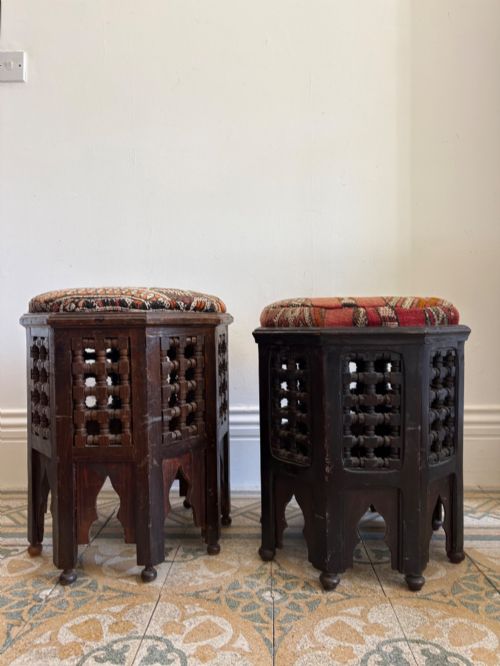
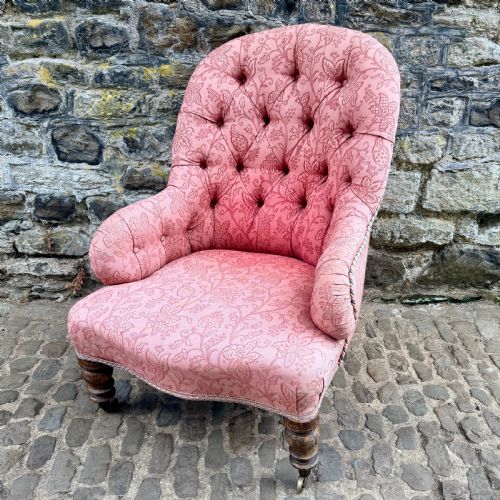
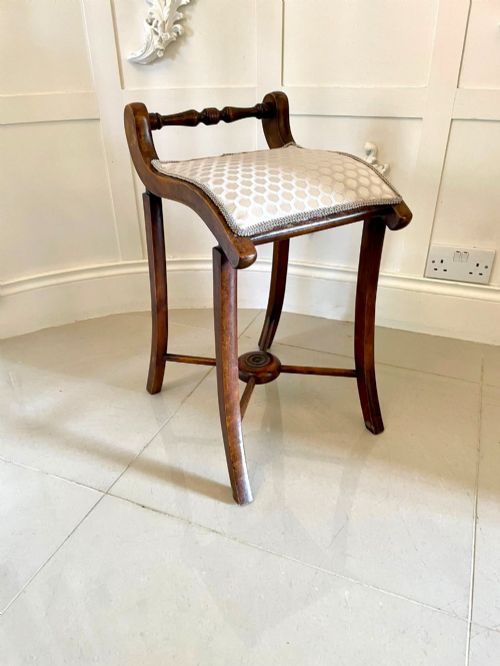
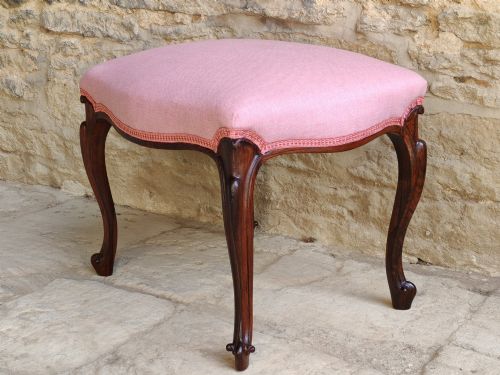
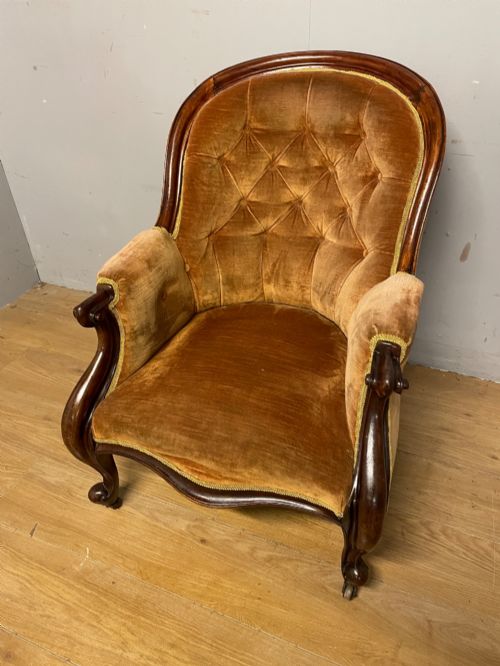
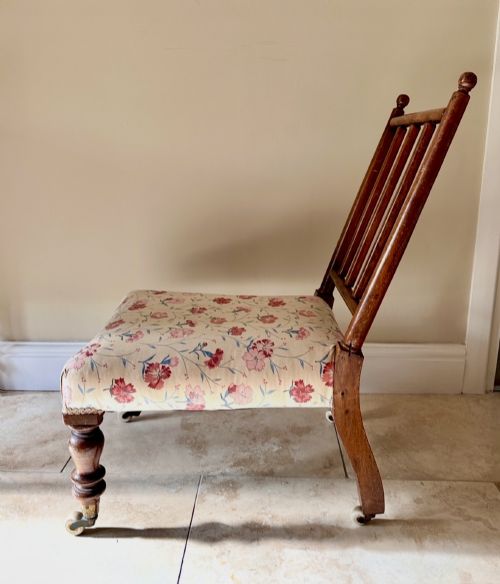
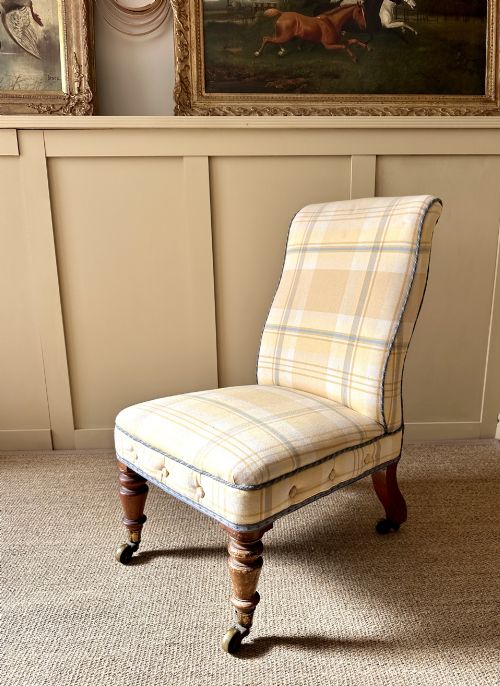
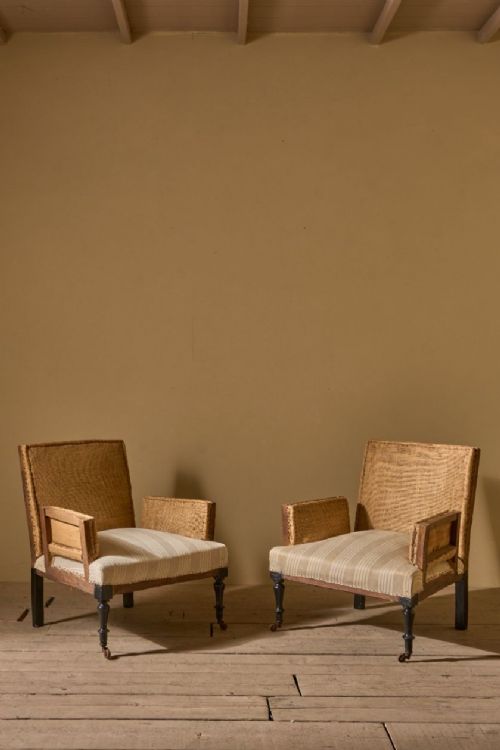
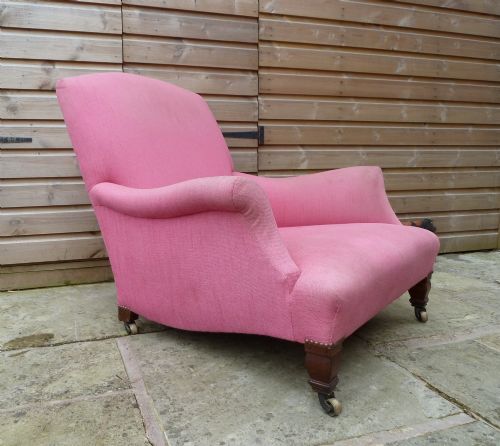
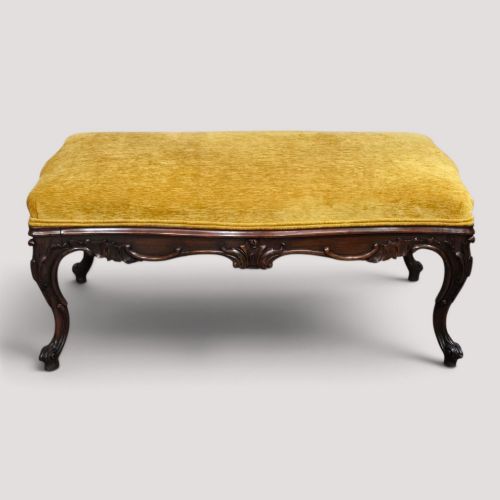
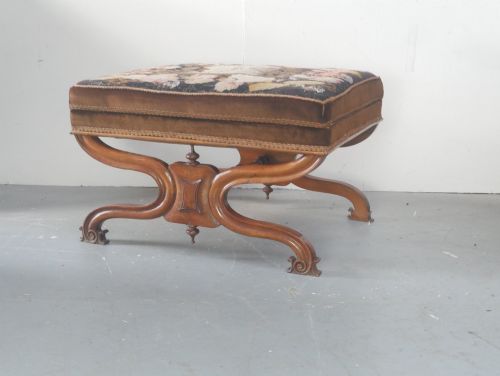
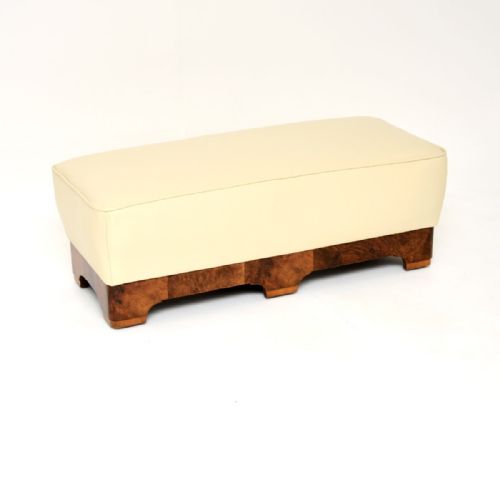
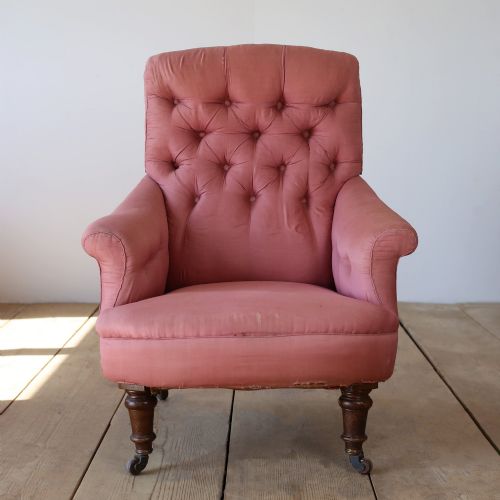
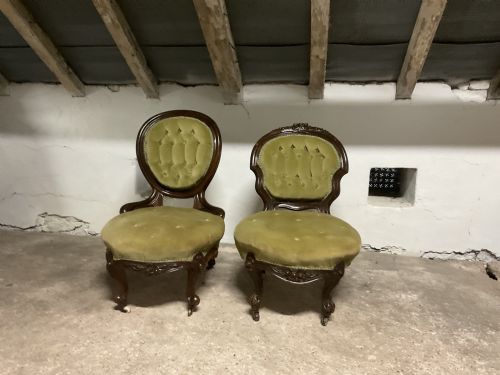
When you search for an upholstered low seat, you encounter a diverse collection of forms designed for comfort close to the floor. These pieces span centuries of domestic life, encompassing compact stools, nursing chairs, slipper chairs, and low armchairs.
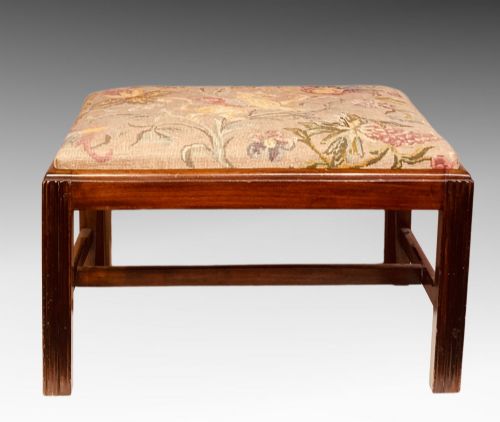
The selection on this page is dominated by Victorian and nineteenth-century examples alongside earlier Georgian and Regency pieces. Forms range from simple footstools and dressing stools to elaborate button-back armchairs and bedroom seating.
Makers and designers from the past adapted these low seats for specific domestic tasks, such as dressing, nursing, or resting near a fireplace. Consequently, the proportions remain compact, inviting close interaction with the interior space.
Construction and materials
Timber frames form the backbone of these pieces, with cabinet-makers predominantly utilising mahogany, walnut, rosewood, oak, and occasional exotic woods like burr walnut. These woods are frequently carved, polished, or painted and gilded to match the prevailing style of the period.
Upholstery techniques rely on traditional stuffing and textile coverings, incorporating velvet, leather, needlework, and general fabric or textile finishes. Supporting elements such as brass castors and turned wooden legs complete the structural assembly.
Upholstered Low Seat Retail Price Guide 2026
Typical asking prices for upholstered low seat among the pieces listed under this phrase on Sellingantiques today, from the lower quarter to the upper quarter. They describe what is for sale here now, not the wider market.
Seating designed for low-to-the-ground comfort includes dedicated chapel prayer kneelers alongside bedroom chairs built for slipper donning.
Judging the quality
Quality in these low seats rests upon the fidelity of the timber framing and the integrity of the joinery. Finer pieces demonstrate careful carving, well-chosen timber veneers like oyster-veneered stretchers, and substantial framing woods that withstand decades of use.
The refinement of the upholstery work and the selection of covering materials further distinguish standard utility pieces from high-status commissions. Superior examples retain original design characteristics, such as specific aesthetic movement legs or maker attribution, which elevate their standing.
Charles Hindley and Sons·Howard and Sons
The Upholstered Low Seat Glossary
- Nursing chair
- A low-seated armchair designed in the nineteenth century to allow a mother to feed a baby comfortably while wearing voluminous skirts. These pieces typically feature low seats and supportive backs.
- Slipper chair
- An upholstered bedroom chair characterised by its low-to-the-ground seat, traditionally utilised for sitting while putting on shoes or slippers. They often lack arms to accommodate heavy nineteenth-century garments.
- Ottoman
- A low upholstered seat or bench without a back or arms, frequently fitted with a hinged lid to reveal interior storage space. Versions here feature decorative needlework seats.
- Prie Dieu
- A devotional chair featuring a low seat and an upper shelf or rest for kneeling during prayer. Nineteenth-century examples are commonly upholstered.
- Barley-sugar twist
- A spiral turning technique applied to furniture legs and stretchers, resembling a twisted column of confectionery. This decorative joinery appears on seventeenth and eighteenth-century inspired pieces.
Upholstered Low Seat: Frequently Asked Questions
What is a nursing chair?
A nursing chair is a low-seated nineteenth-century chair built to assist women with infant care. The low profile allowed mothers to sit comfortably while wearing heavy clothing of the era.
These pieces often feature padded backs and upholstered frames. They remain popular today as decorative bedroom or fireside seating.
How do I identify a slipper chair?
Slipper chairs are recognised by their exceptionally low seats and lack of arms. This specific proportion was originally intended for dressing rooms and bedrooms.
Today, they function well as accent chairs in tight spaces. Their compact height distinguishes them from standard living room armchairs.
Where were low stools used?
Low stools served multiple functions across the parlour, dressing room, and bedroom. They acted as footstools, dressing table seats, or portable resting places near the hearth.
Their varied forms include square-sided frames, ottoman storage boxes, and intricately carved mahogany or walnut structures.
Are these seats comfortable?
These seats offer firm, traditional support derived from period upholstery methods. The low posture encourages a relaxed, informal seating position.
While proportioned differently from modern lounge furniture, they provide distinct ergonomic charm. Their compact dimensions make them easy to place in various corners of a room.