





Two Tone Watch
A two tone watch brings together contrasting metals like gold and steel, offering a versatile aesthetic that spans decades of horological design.
Two Tone Watch
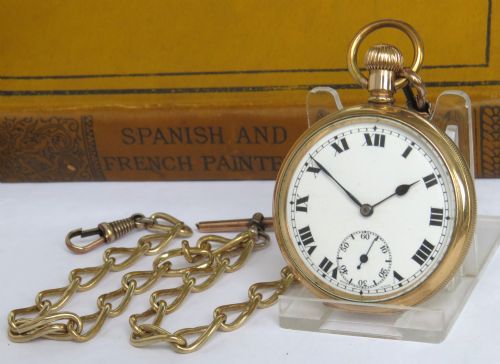
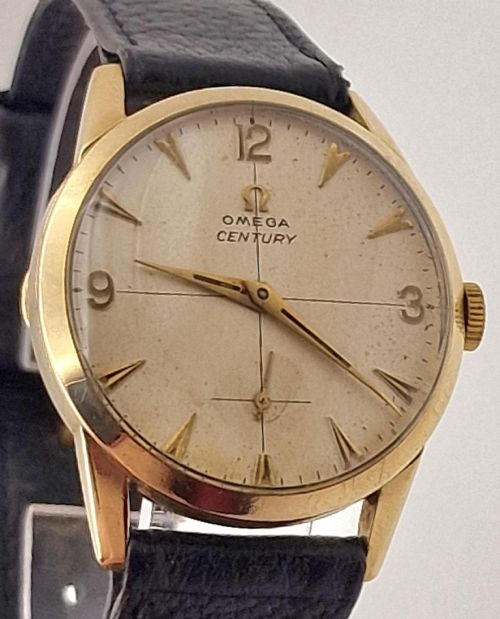
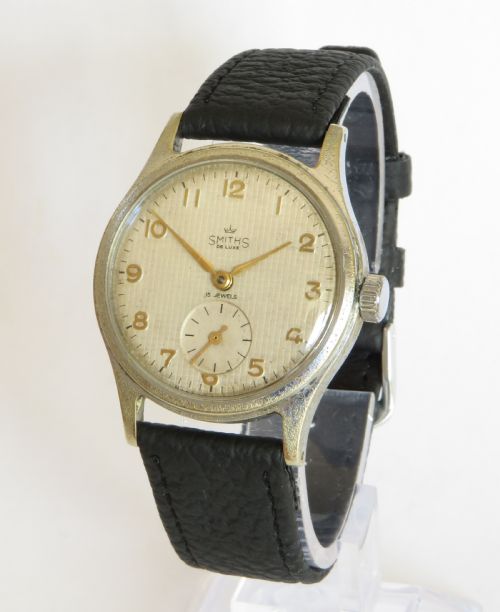
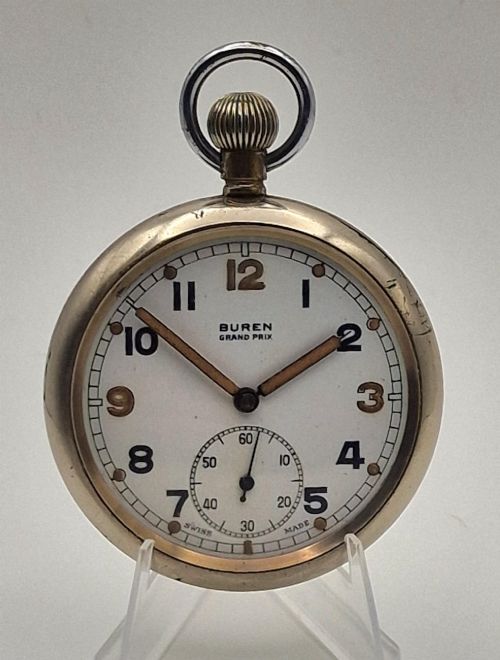
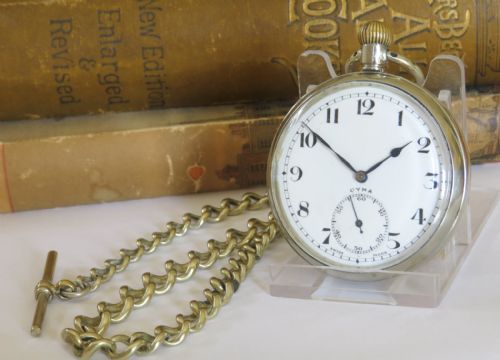
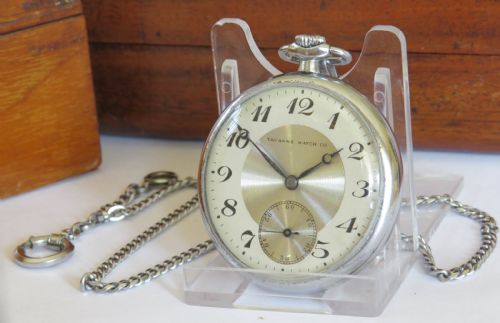
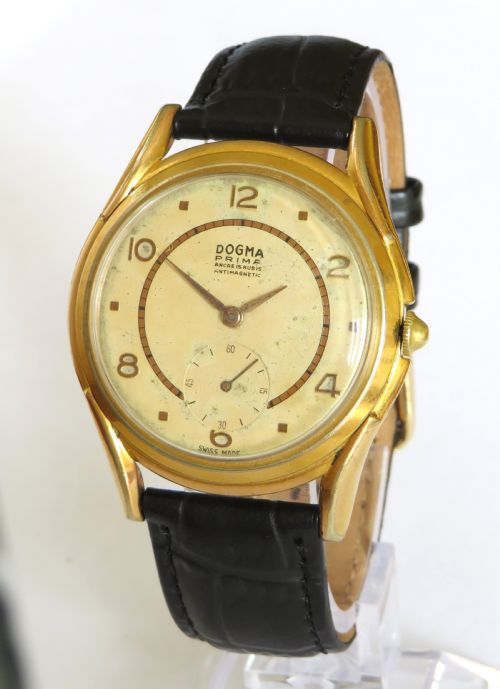
When you search for a two tone watch, you encounter a selection of timepieces and related jewellery featuring mixed metallic finishes across various periods. The pieces appearing on this page range from early pocket watches and chains to mid-century wristwatches and gold-and-platinum necklaces.
The objects span Victorian, Edwardian, Art Deco, and mid-century eras, including military-issued pocket watches and distinct wrist models. Manufacturers and styles from the 1900s through to the 1960s dominate the selection, highlighting shifts in everyday timekeeping and personal adornment.
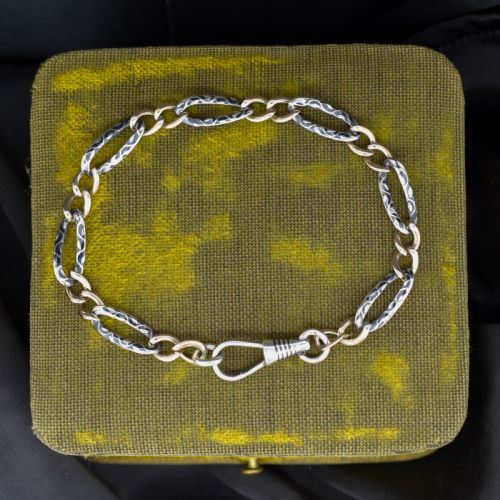
Wristwatches and pocket watches form the core of the current offerings, alongside necklaces and bracelets equipped with dog clips. These items frequently display dual-colour properties, such as white and rose gold or steel and gold combinations.
How they were made
The construction of these items relies on traditional metallic crafting techniques utilising stainless steel, brass, and various purities of gold. Enamel and glass frequently complement the metal components on dials and protective watch covers.
Two Tone Watch Retail Price Guide 2026
Typical asking prices for two tone watch among the pieces listed under this phrase on Sellingantiques today, from the lower quarter to the upper quarter. They describe what is for sale here now, not the wider market.
Even sturdy military pocket watches occasionally required fine gold chains to keep secure during daily service.
What varies in quality
Quality differences lie in the choice of materials and the complexity of the metallic combination, moving from standard base metals to solid gold and platinum. The inclusion of precious stones or specific dial configurations alters the overall caliber of the piece.
The intricacy of the associated chains, such as those with dog clips and swivel clasps, distinguishes standard items from finer examples. Preservation of original components, from movements to dials, dictates the standing of each individual watch or necklace.
Buren·Smiths·Cyma·Tavannes·Zenith·Longines·Le Coultre·Bulova·Tudor
The Two Tone Watch Glossary
- Dog clip
- A spring-loaded clasp commonly found on watch chains and necklaces for securing pendants or pocket watches. This mechanism allows for quick attachment and release.
- Tank style
- A rectangular watch case design popularised during the Art Deco period, named for its resemblance from above to a military tank. It offers clean, geometric lines.
- Pocket watch
- A portable timepiece designed to fit in a pocket, often attached to a chain or fob. These were widely used before wristwatches became standard.
- Two tone dial
- A watch face featuring two distinct contrasting colours or metallic finishes, often dividing the centre and the outer track. This layout enhances legibility and visual depth.
Two Tone Watch: Frequently Asked Questions
What is a two tone watch?
A two tone watch combines two different metallic finishes, such as gold and steel, within its design. This approach provides a versatile look that bridges different jewellery styles.
Such timepieces appear across various twentieth-century decades, reflecting changing tastes in accessories.
How do I wear a pocket watch?
A pocket watch is typically secured to a waistcoat or belt loop using an attached chain. The watch itself rests safely inside the garment pocket.
Chains often feature dog clips or swivel clasps for secure fastening.
What materials are used in these watches?
These items utilise a range of materials including stainless steel, brass, and gold of varying carats. Glass and enamel also appear on dials and protective elements.
Leather straps frequently accompany wristwatches from the mid-century period.
How do I identify Art Deco style?
Art Deco design favours geometric shapes, clean lines, and symmetrical patterns. Tank style rectangular watch cases are characteristic of this era.
Such pieces date predominantly from the 1930s.