
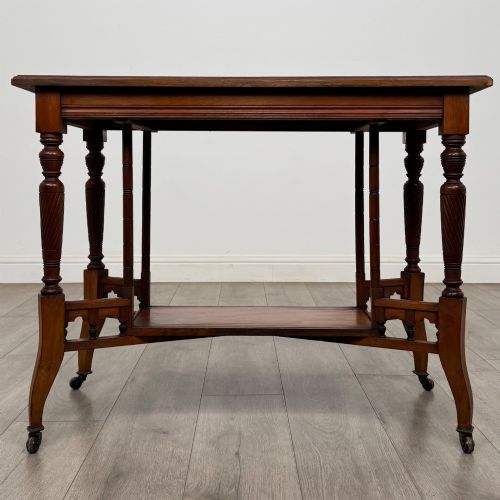
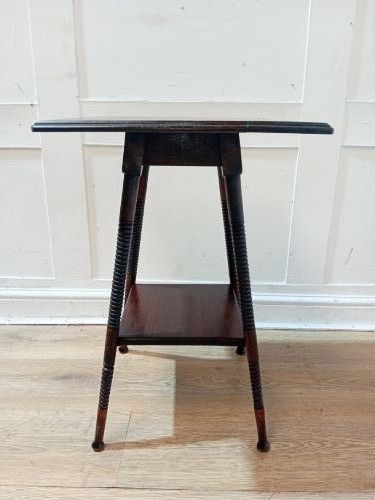
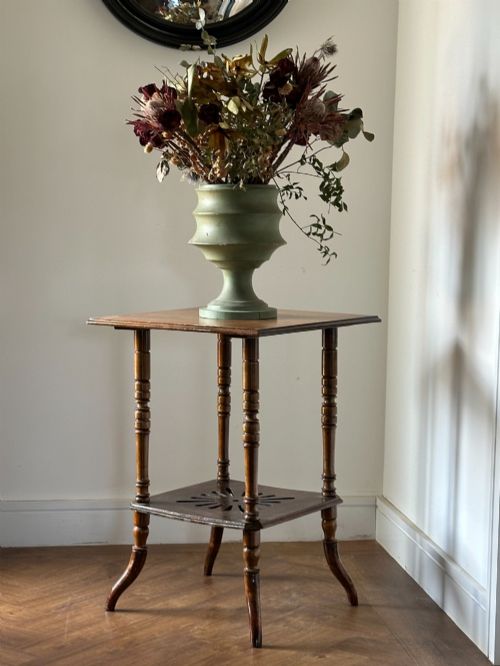
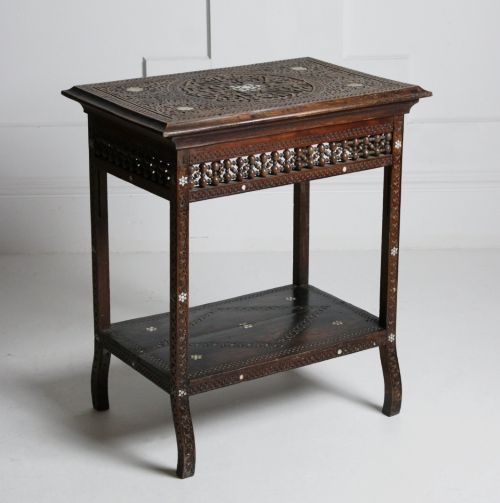
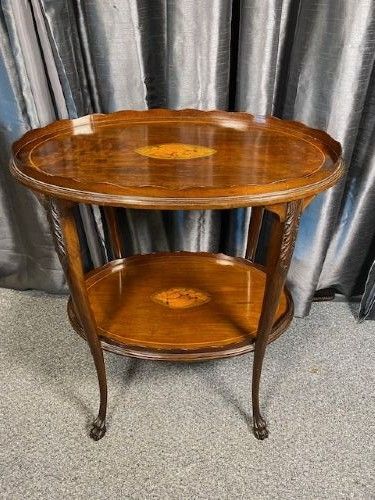
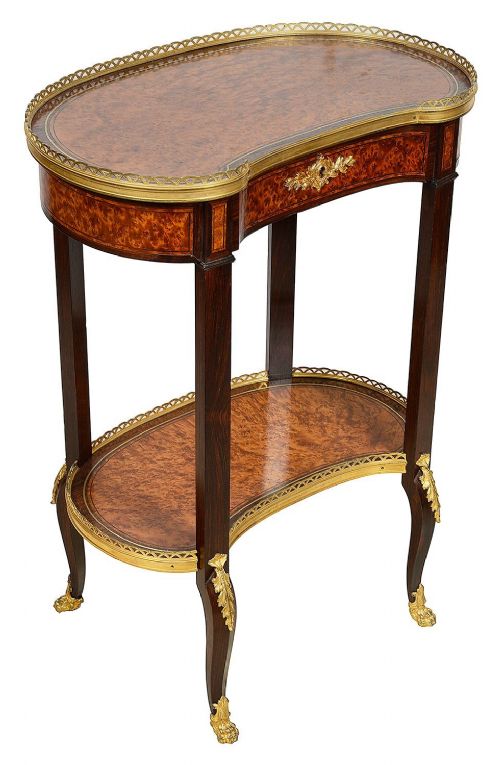
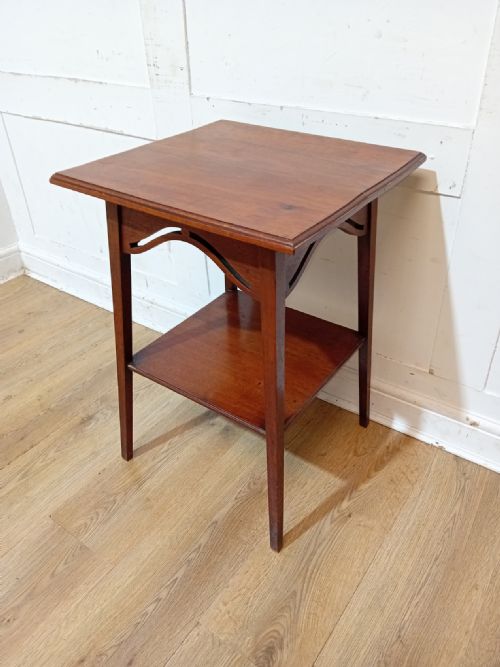

Two Tier Walnut Table
A two tier walnut table offers practical surface space arranged across dual levels, combining warm timber figure with versatile daily utility.
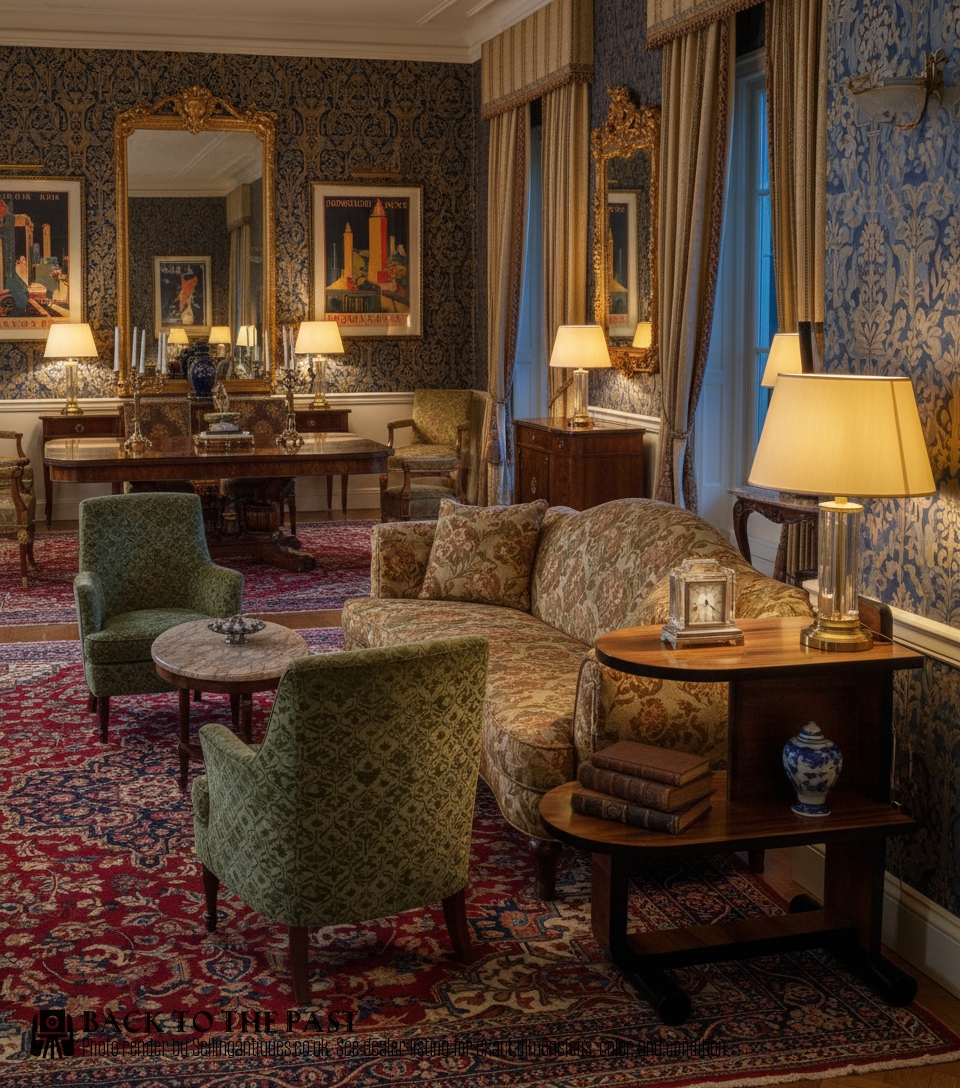
Two Tier Walnut Table
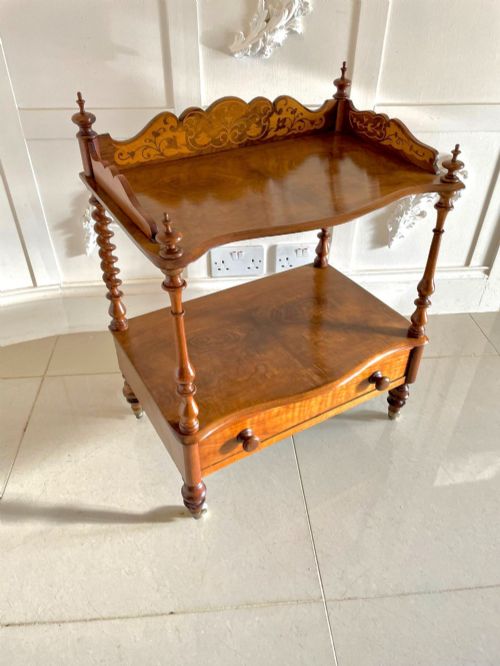
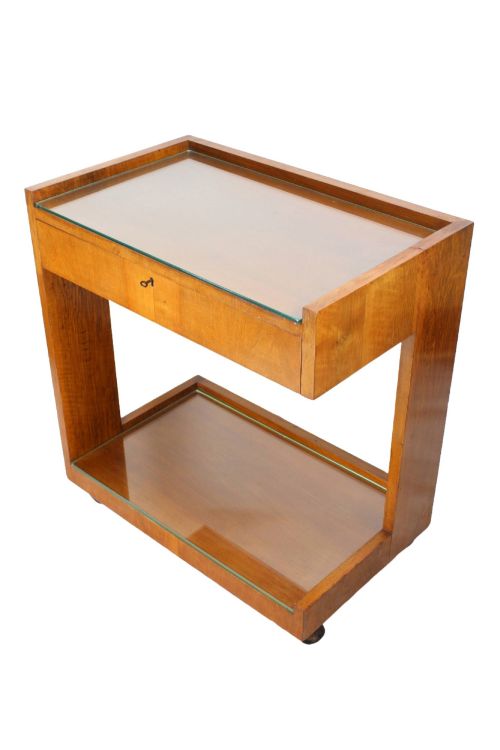
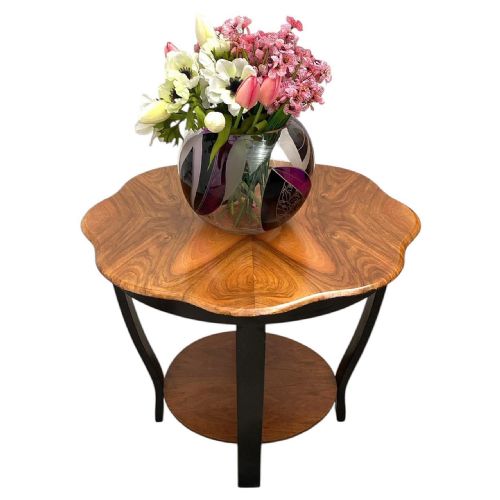
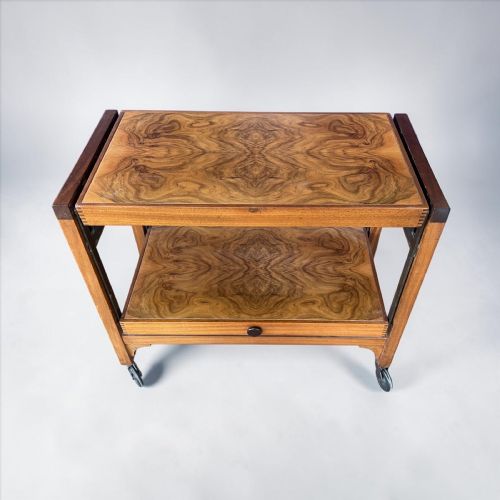
A two tier walnut table provides a dual surface arrangement designed for display and convenience within domestic interiors. These pieces appear frequently as occasional tables, coffee tables, drinks trolleys, and etageres spanning the Victorian, Edwardian, and Art Deco eras.
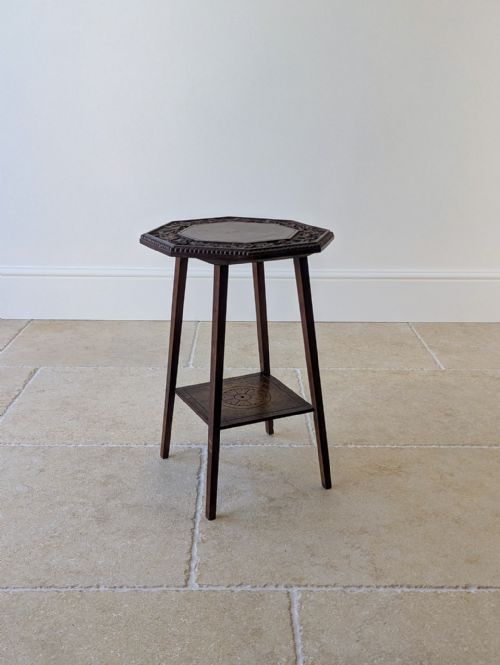
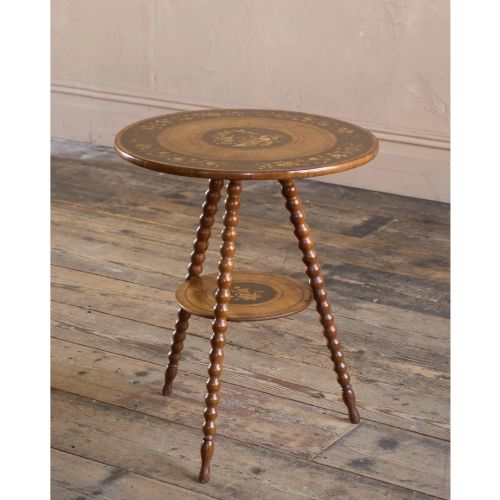
Victorian examples often incorporate burr walnut veneers, marquetry inlay, or Arts and Crafts principles, while later twentieth-century iterations favor the clean geometric lines characteristic of the Art Deco period. The lower shelf serves to stabilize the frame while holding books, tea items, or decorative objects.
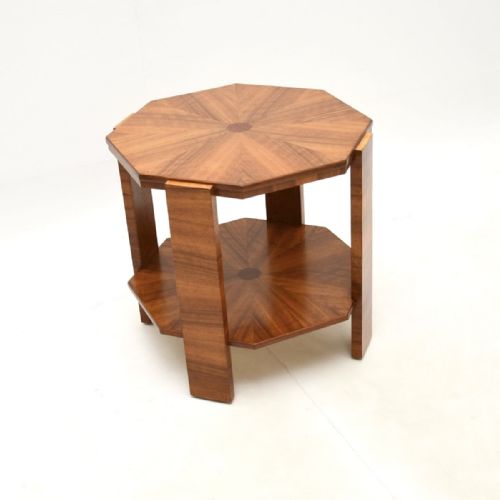
Origins range across English workshops, French studios, and Italian makers, utilising secondary woods alongside primary walnut surfaces. Buyers find square, round, octagonal, and rectangular formats designed to suit specific room layouts and functional requirements.
Distinctions in quality
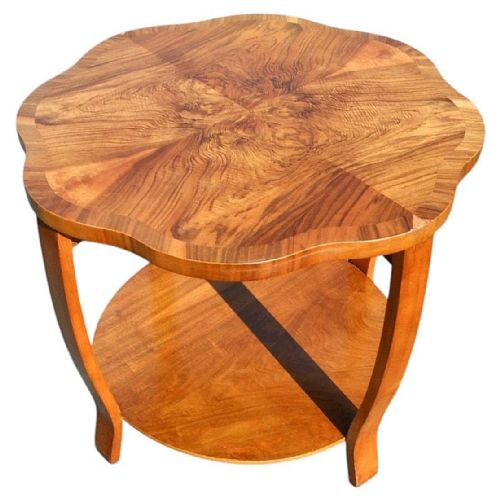
The selection of timber grain heavily dictates overall visual merit, with book-matched veneers and burr patterns marking superior execution. Natural figure in the walnut surface requires careful matching across both upper and lower tiers.
Refinement in leg turning, edge moulding, and joinery integrity distinguishes bespoke workshop production from standard commercial output. The integration of secondary materials like brass hardware and marquetry inlay demonstrates the level of craftsmanship invested in the piece.
Some Edwardian tables came equipped to revolve, ensuring books could be selected without leaving the comfort of an armchair.
William Birch·Gilbert Rohde
The Two Tier Walnut Table Glossary
- Etagere
- A piece of furniture consisting of a set of open shelves for displaying small objects, appearing frequently in multi-tiered side formats.
- Marquetry
- Decorative veneer work forming pictures or geometric patterns using various woods applied to a structural carcase.
- Ormolu
- Gilded bronze mounting applied as decorative hardware or feet on nineteenth-century furniture pieces.
- Aesthetic Movement
- A late nineteenth-century design style emphasising simplicity, geometric form, and artistic arrangement over heavy historicism.
Two Tier Walnut Table: Frequently Asked Questions
What rooms suit a two tier walnut table?
These tables adapt easily to sitting rooms, studies, and bedrooms where extra surface space is needed without occupying a large footprint. The lower tier provides convenient storage for books or daily items.
Compact coffee table formats fit centrally before sofas, while taller etagere and trolley versions function effectively beside chairs or against walls.
How do I identify an Art Deco walnut table?
Art Deco pieces from the nineteen-thirties display symmetric, streamlined geometry with highly figured veneers like blonde walnut or contrasting maple inlay. Clean horizontal lines define the structure rather than ornate Victorian carving.
Many incorporate chrome or glass elements alongside the wood to achieve a modern aesthetic suited to twentieth-century interiors.
What is the difference between an etagere and a side table?
An etagere specifically emphasises tiered open shelving designed primarily for display, whereas a side table focuses on a singular primary surface with supporting utility below. Etageres often feature more decorative upright supports and multiple levels.
Both forms utilise walnut and veneer construction across the Victorian and Edwardian periods.
How do I care for antique walnut veneer?
Maintain walnut surfaces by dusting regularly with a soft, dry cloth and avoiding placement near direct heat sources or strong sunlight. Excessive moisture can damage older veneers and polish.
Applying occasional appropriate wax preserves the depth of the timber figure without building up heavy residue.