
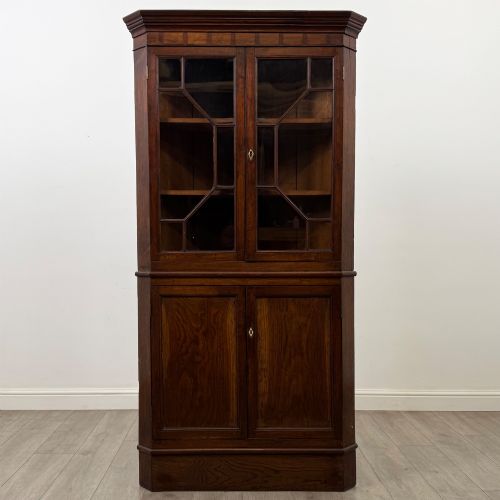
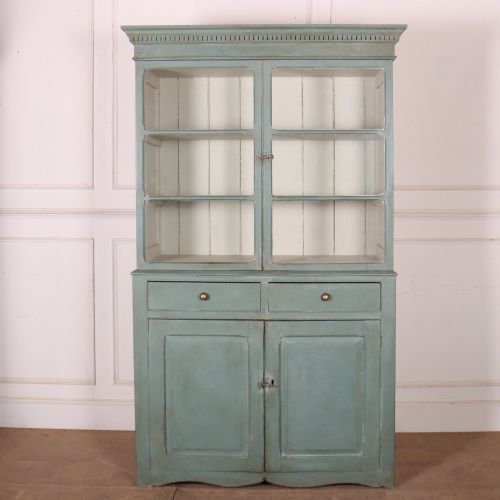
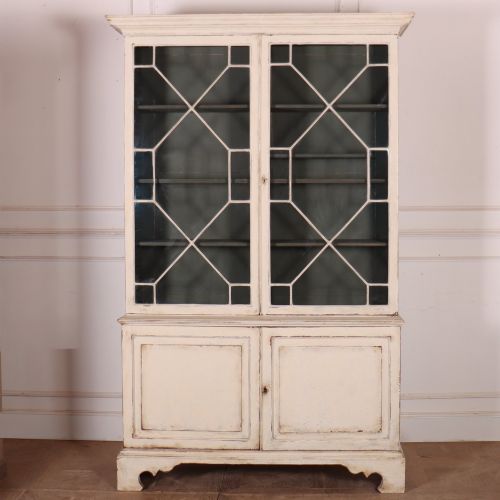
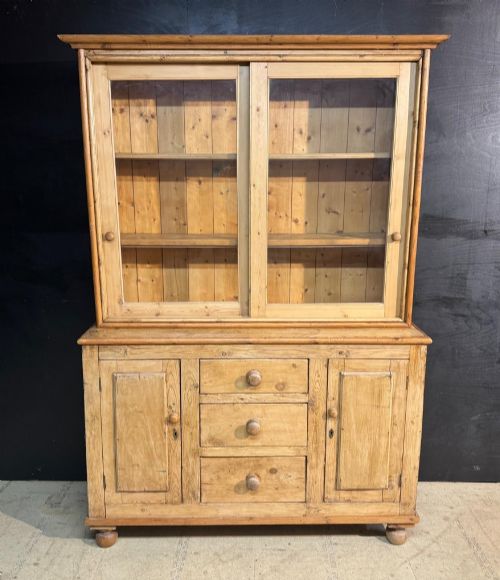
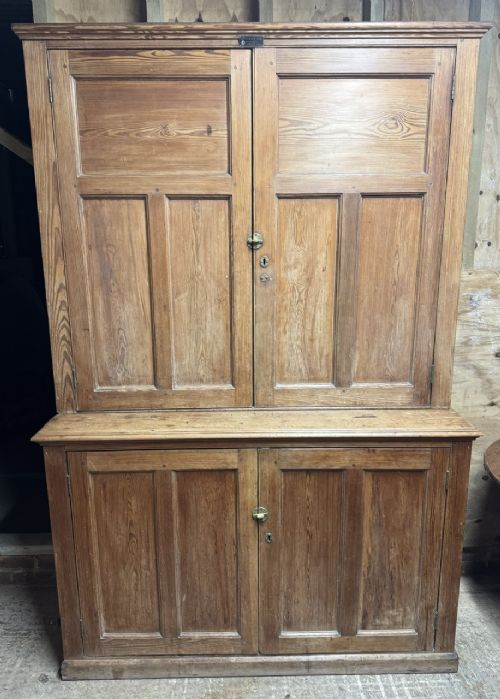
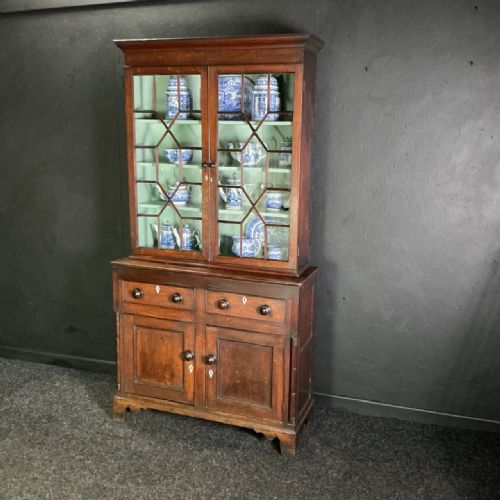
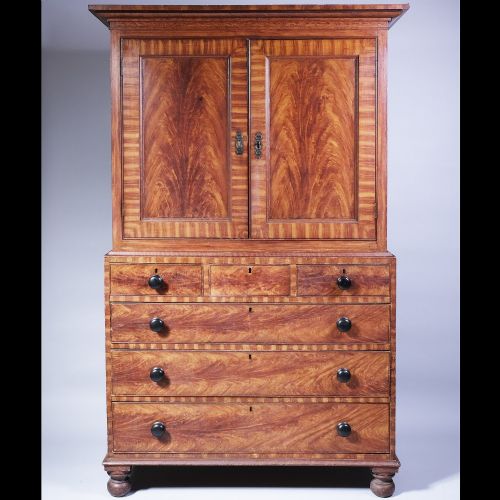
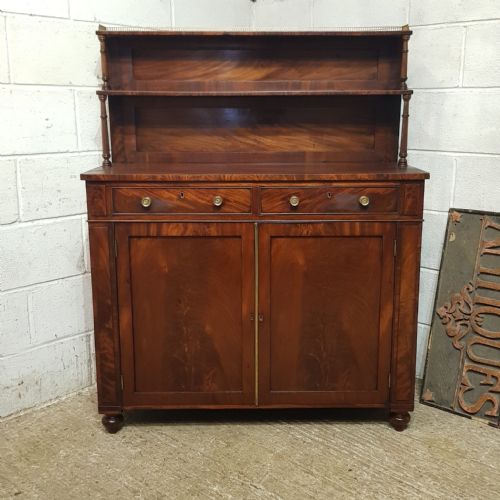
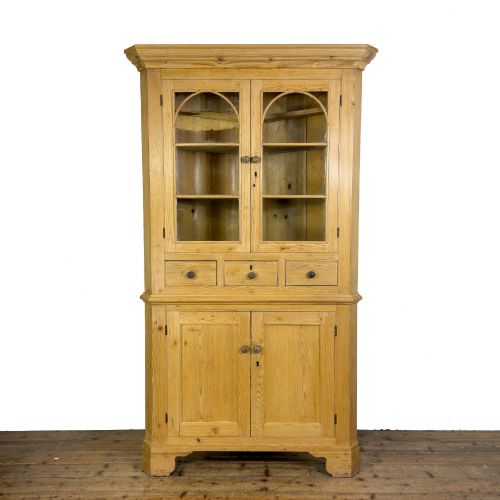

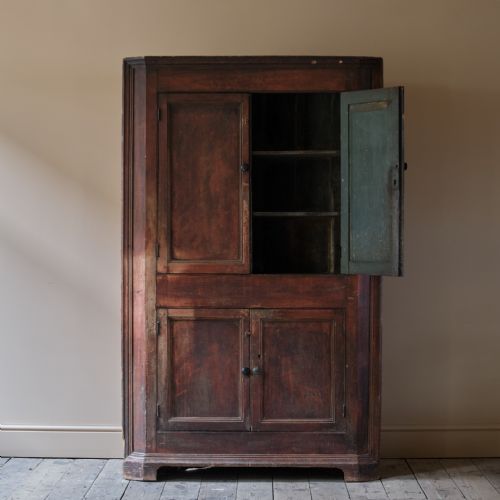


Two Tier Storage Cupboard
A two tier storage cupboard offers practical shelving and enclosed space, bringing period character and functional storage to any room.
Two Tier Storage Cupboard
A two tier storage cupboard provides split storage levels, often combining open display with enclosed lower compartments or distinct upper and lower shelving sections. These pieces span the eighteenth, nineteenth, and early twentieth centuries, reflecting diverse domestic and institutional needs.
The selection here encompasses regional vernacular forms such as Welsh deuddarns and housekeeper's cupboards alongside refined Georgian and Regency bookcases, cabinets, and corner cupboards. Oak, pine, and mahogany dominate the construction, accompanied by painted finishes and glass glazing.
Cabinets and dressers from French, Swedish, and English traditions demonstrate how different regions adapted the multi-tiered storage format for kitchens, libraries, and parlours.
How they were made
Cabinet makers utilised solid hardwoods like oak, walnut, and mahogany alongside durable softwoods such as pine, shaping panels with hand tools and securing joints with traditional joinery methods. Many pieces feature glazed doors framed in timber, allowing visual access to upper shelving.
Surface treatments range from clear wax and polish revealing natural wood grain to historic paint, scumble finishes, and liming. Iron and brass hardware, including hinges and handles, complete the construction of these functional storage items.
Listings feature oak, pine, mahogany, and walnut across eighteenth, nineteenth, and early twentieth-century periods.
What varies in quality
Quality rests upon the selection of timber and the precision of the joinery, with dense, well-figured woods and tight joints distinguishing finer examples from standard utility pieces. The integrity of original surfaces, whether polished mahogany or historic paint, significantly influences the character of a piece.
Proportion and architectural detailing, such as carved mouldings, original glass panes, and authentic brass or iron hardware, elevate certain cupboards from simple storage to notable examples of period cabinet making.
The Two Tier Storage Cupboard Glossary
- Deuddarn
- A traditional Welsh two-tier or two-part cupboard, typically constructed in oak with panelled doors. These pieces often date from the eighteenth century and provide substantial vernacular storage.
- Housekeeper's cupboard
- A large, tall storage piece usually featuring upper cupboard doors and lower drawers or cupboards. They were utilised in large homes for storing linens and provisions.
- Chiffonier
- A small sideboard or low cupboard developed during the Regency period, often featuring shelves or a raised back. They combine display space with enclosed lower storage.
- Scumble paint
- A decorative surface finish applied in translucent layers to imitate the grain of finer woods or create textured patterns. It appears frequently on nineteenth-century vernacular furniture.
- Glazed cabinet
- A storage piece featuring glass-fronted upper doors designed for the display of books or china. The glazing bars divide the glass panes into geometric patterns.
Two Tier Storage Cupboard: Frequently Asked Questions
What is a two tier storage cupboard?
A two tier storage cupboard is a piece of furniture featuring distinct upper and lower storage or display sections, such as a cabinet sitting upon a base or a cupboard with two vertical levels of doors.
These versatile items were used historically in kitchens, libraries, and parlours to organise everything from books and porcelain to household linens and provisions.
How were these cupboards used historically?
Households utilised these cupboards for everyday storage, keeping foodstuffs, tableware, and domestic supplies protected behind wooden or glass doors.
In larger houses, specific variants like housekeeper's cupboards held linens, while corner cupboards made efficient use of difficult room angles.
How do I date a wooden cupboard?
Dating relies on observing construction methods, timber choices, and stylistic details such as mouldings, hardware, and foot forms.
Eighteenth-century pieces often display pegged oak joinery and fielded panels, whereas nineteenth-century examples frequently utilise mahogany, pine, or standard machine-sawn elements.
How do I care for a antique cupboard?
Maintain antique wooden surfaces by keeping them away from direct heat sources and sudden humidity changes that cause timber to split.
Apply gentle beeswax periodically to nourish the wood and preserve the natural finish without using harsh modern chemical polishes.