

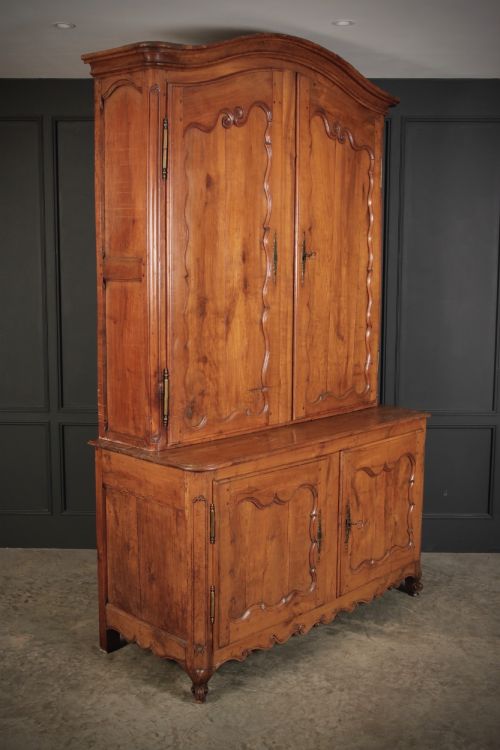


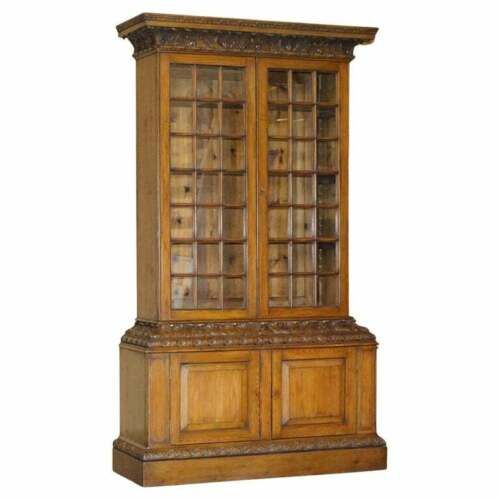


Two Tier Press Cupboard
A two tier press cupboard brings robust storage and regional craftsmanship together, offering a stately silhouette for storing textiles and provisions in any room.
Two Tier Press Cupboard
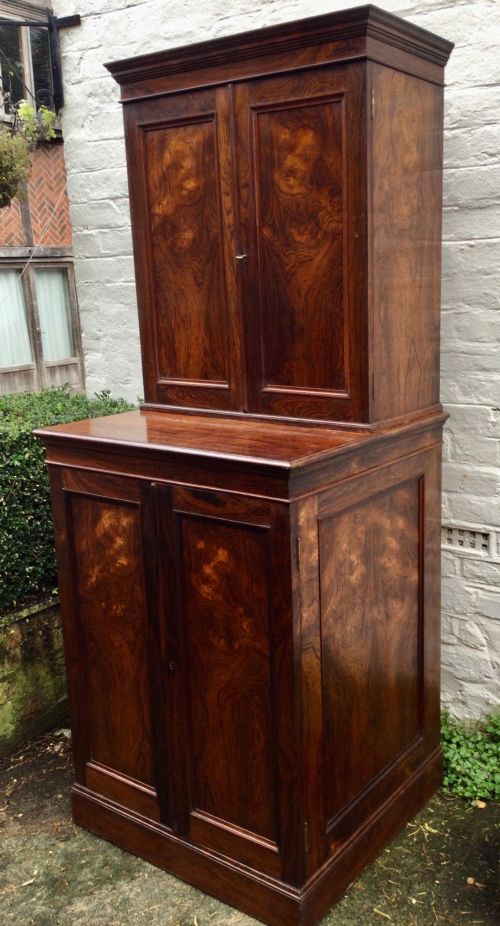
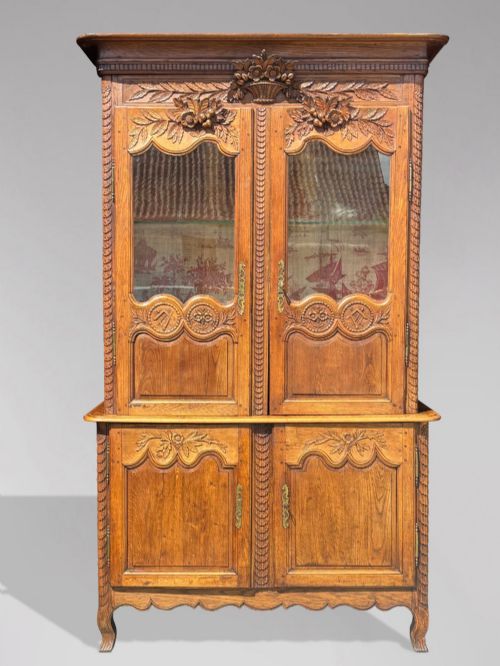
A two tier press cupboard represents a substantial storage piece divided horizontally into upper and lower sections, often encountered as traditional Welsh cwpwrdd deuddarn examples or continental buffet de corps forms. These pieces frequently date from the eighteenth and nineteenth centuries, spanning Georgian and Victorian periods.
The regional variations include English country designs, French provincial cabinets, and Scandinavian country styles. Oak dominates the material record, accompanied by pine, cherry wood, walnut, chestnut, and painted timber finishes.
Buyers searching for this phrase seek architectural presence and large-scale utility. The listings provide vernacular regional cupboards and bookcases alongside housekeeper variants.
How they were made
Carpenters constructed these large storage units primarily using solid oak, pine, and walnut, often shaping panels and framing timbers by hand. Regional workshops employed traditional joinery methods to support the heavy two-tier architecture of press cupboards and buffets.
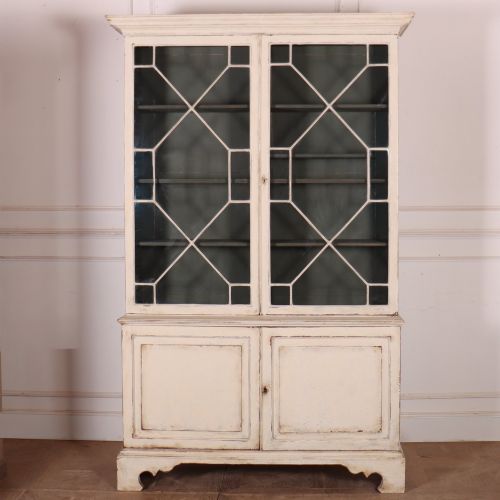
Surface treatments range from natural waxed timbers to scumble painted finishes, painted wood, and brass or iron hardware. Glazed doors appear on bookcase and display variants, integrating glass panes into the upper sections.
Two Tier Press Cupboard Retail Price Guide 2026
Typical asking prices for two tier press cupboard among the pieces listed under this phrase on Sellingantiques today, from the lower quarter to the upper quarter. They describe what is for sale here now, not the wider market.
What varies in quality
The standard of a two tier press cupboard depends on the choice of timber and the complexity of its construction. Finely figured oak, walnut, or cherry wood distinguish superior regional examples from simpler pine or painted utility pieces.
The integrity of regional detailing, such as carved mouldings, original brass or iron hardware, and intact panel work, elevates a piece. Retained historic paint finishes or scumble work also mark the distinction between standard utilitarian storage and more refined vernacular furniture.
The Two Tier Press Cupboard Glossary
- Deuddarn
- A traditional Welsh two-tier cupboard featuring an enclosed upper section supported by posts above a lower cabinet base. This form typifies eighteenth-century vernacular regional cabinet-making.
- Buffet de corps
- A large two-body French cupboard featuring a split structure with upper and lower storage compartments. These pieces display provincial carving and substantial oak or walnut construction.
- Scumble painted
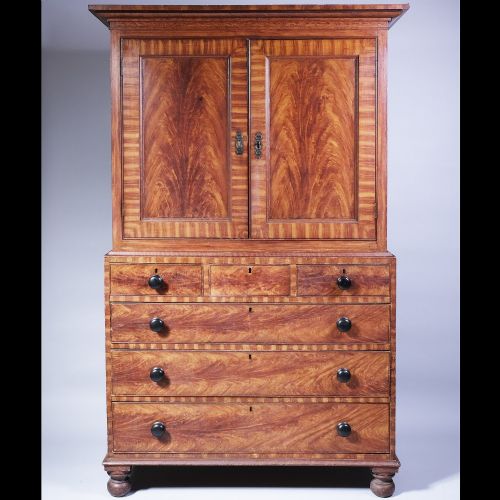
- A decorative surface technique where a translucent glaze is manipulated over a lighter base coat to imitate wood grain or create textured patterns. This finish appears frequently on nineteenth-century regional cupboards.
- Court cupboard
- An antique cabinet form featuring multiple tiers, often associated with early woodwork traditions. These display horizontal framing and enclosed upper compartments.
Two Tier Press Cupboard: Frequently Asked Questions
What is a two tier press cupboard?
A two tier press cupboard is a large storage furniture piece split into upper and lower sections. These items were built to hold textiles, linen, and household provisions.
The form appears across various regional traditions, including Welsh deuddarn cabinets, French buffet de corps designs, and English country housekeeper cupboards.
How were these cupboards used historically?
Historically, households utilised these substantial cupboards for storing folded linen, garments, and dried provisions. The enclosed shelving kept contents clean and protected from dust and pests.
In larger country houses and farmhouses, the upper and lower tiers allowed domestic staff to organise household stores efficiently.
How do I identify eighteenth-century examples?
Eighteenth-century examples typically display hand-planed timbers, pegged joints, and regional vernacular characteristics such as raised panels. Woods like oak, walnut, and cherry predominate in this era.
Proportions and construction methods reflect eighteenth-century workshop practices, differing from later Victorian or mass-produced industrial furniture.
Where do painted finishes appear?
Painted finishes appear on Baltic, Scandinavian, and English country pieces from the eighteenth and nineteenth centuries. Scumble painted surfaces and solid paint layers protected secondary woods and provided decorative colour.
These painted treatments reflect regional aesthetic preferences rather than standard factory production.
How do I care for antique oak?
Care for antique oak involves maintaining stable indoor humidity and avoiding direct sunlight. Gentle cleaning with appropriate wax helps preserve the timber finish.
Harsh chemical cleaners and excessive moisture should be avoided to protect the historic grain and surface patina.