




Two Tier Dining Table
A two tier dining table provides stacked serving surfaces, bringing practical multi-level storage to traditional dining rooms.
Two Tier Dining Table
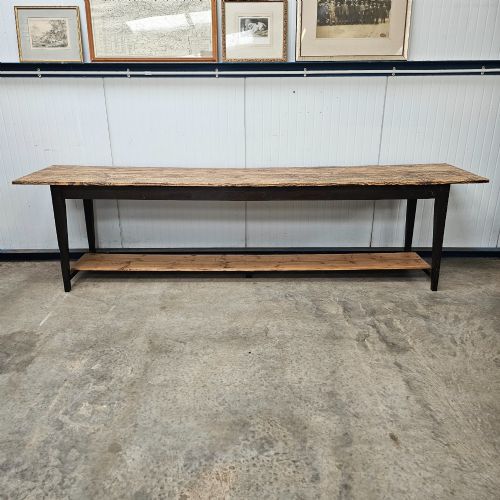
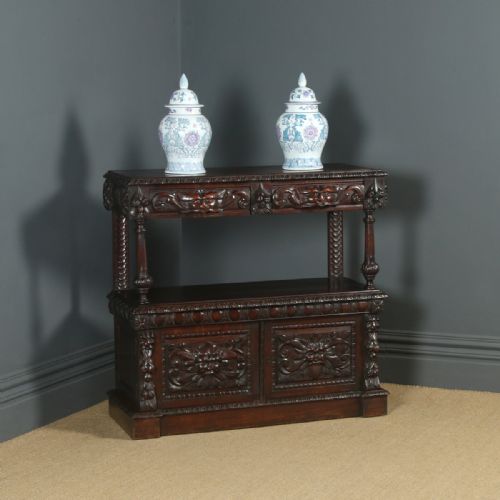
A two tier dining table comprises pieces designed for serving and dining use, often appearing as dumb waiters, serving tables, and buffets across this selection. Buyers exploring a two tier dining table encounter formats from the Georgian, Regency, and Victorian periods.
The inventory demonstrates that forms range from revolving lazy susans and dumb waiters to large pine and oak harvest tables and mahogany serving sideboards. These items serve dining spaces by holding dishes, drinks, and servingware across multiple levels.
How they were made
Construction relies heavily on timbers such as mahogany, oak, walnut, and pine, frequently paired with brass hardware. Artisans utilised durable hardwoods to build sturdy frames for serving tables, dumb waiters, and sideboards.
Detailing includes carved elements, ebonised wood touches, pollard oak veneers, and revolving mechanisms for lazy susans. These construction choices reflect the cabinet-making standards of the 18th and 19th centuries.
Some Victorian pieces feature carved green man motifs keeping watch over your dining room refreshments.
What varies in quality
Quality differences emerge in the selection of timber veneers, such as pollard oak or figured mahogany, and the crispness of carved ornamentation. Pieces attributed to documented makers demonstrate superior joinery and refined proportions compared to unsigned workshop output.
The mechanical ingenuity of revolving tiers and dumb waiter tiers varies considerably, affecting both smooth operation and structural longevity. Refinement in hardware materials, including brass fittings, further distinguishes standard utility items from finer examples.
James Shoolbred & Co
The Two Tier Dining Table Glossary
- Dumb Waiter
- A tiered piece of dining furniture designed to hold food and utensils without requiring a human servant. These serving stands feature multiple stacked trays or revolving levels.
- Pollard Oak
- Oak timber taken from trees that have been pollarded, producing a highly decorative and knotted grain pattern. Cabinet makers utilised this wood for striking veneered surfaces on Victorian furniture.
- Lazy Susan
- A revolving tray or tabletop placed on a central bearing to allow easy sharing of dishes. Examples in this category span revolving designs from the mid-nineteenth century.
- Aesthetic Movement
- A late nineteenth-century design style that emphasised visual beauty over narrative subject matter. Furniture from this movement often highlights natural wood tones and artistic craftsmanship.
Two Tier Dining Table: Frequently Asked Questions
What is a two tier dining table used for?
These pieces serve dining and entertaining spaces by holding dishes, bottles, and serving accessories across multiple levels. They reduce clutter on the main dining surface during meals.
Historically, dumb waiters and serving tables allowed diners to help themselves without servants present in the room.
How do I identify a Victorian piece?
Victorian examples often employ dense timbers like mahogany and carved oak, alongside styles influenced by Gothic and Aesthetic movements. Cabinet makers during this era frequently produced elaborate buffet servers and sideboards.
Examination of the timber grain, hardware, and structural joints helps confirm nineteenth-century production.
Are revolving tiers common?
Revolving tiers appear on specific serving items like lazy susans and certain dumb waiter configurations. These rotating mechanisms facilitate easy access to food and condiments from various seating positions.
Engineering standards for these moving parts vary between simple pivots and more complex bearing systems.
What timbers were used?
Makers utilised a variety of woods including mahogany, oak, walnut, pine, and pollard oak. Hardwoods provided the structural integrity required for heavy serving tables and multi-tiered stands.
Finishes sometimes incorporated ebonised wood for contrast or decorative veneers to enhance the visual appeal.