

Two Tier Bookcase Cabinet
When you search for a two tier bookcase cabinet, you are looking at substantial storage furniture combining open shelving and enclosed cupboard space.
Two Tier Bookcase Cabinet
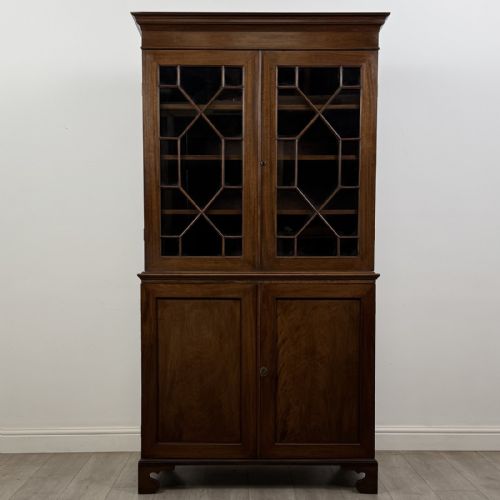
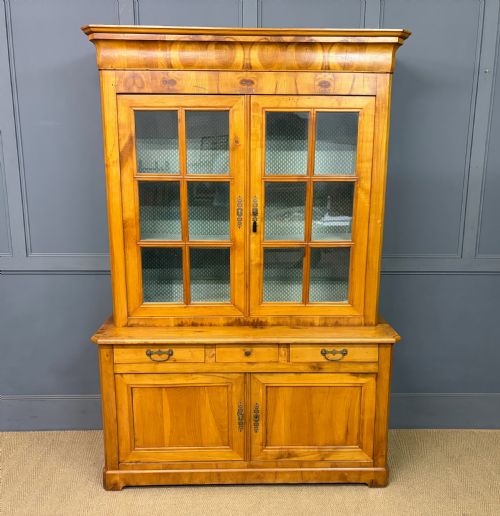
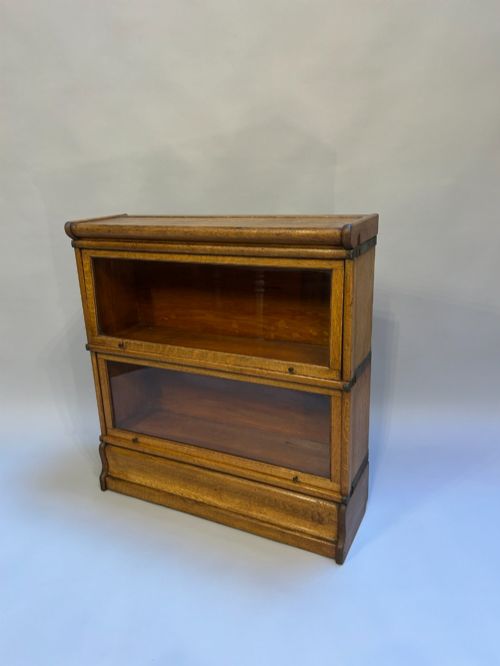
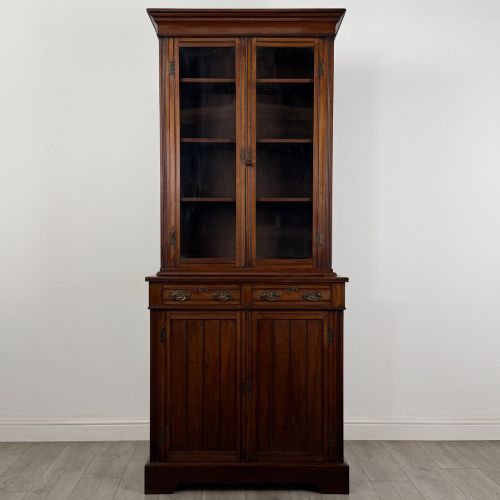
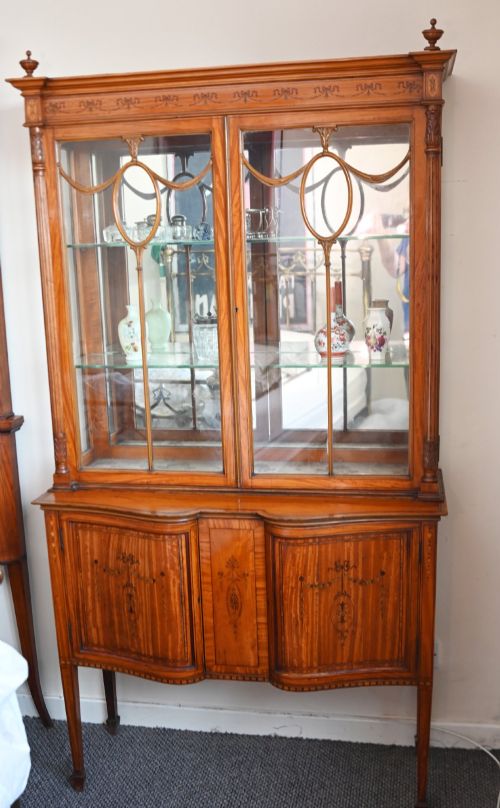
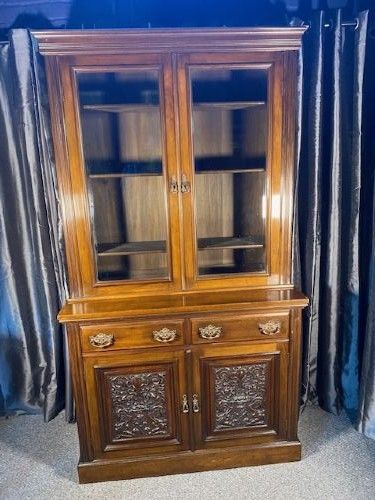
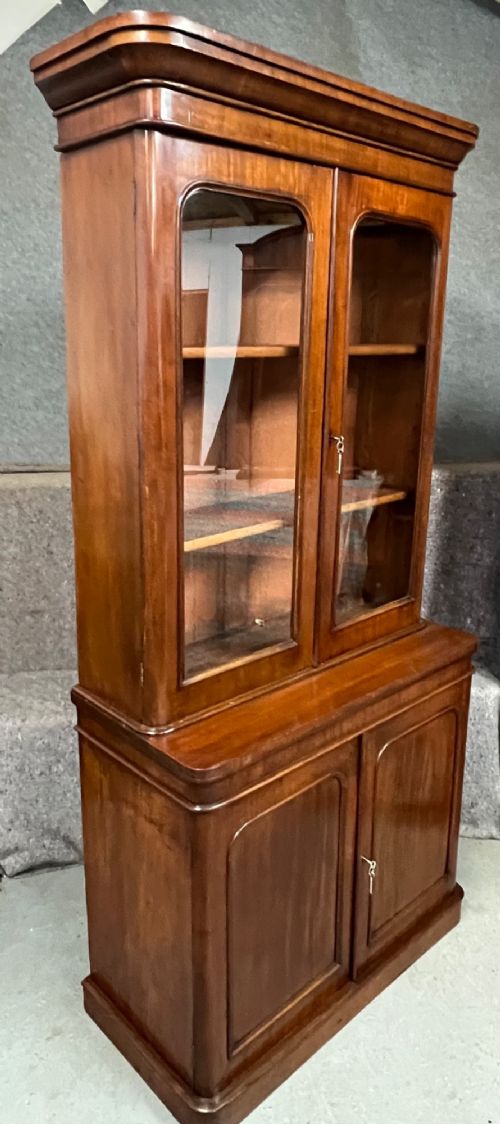
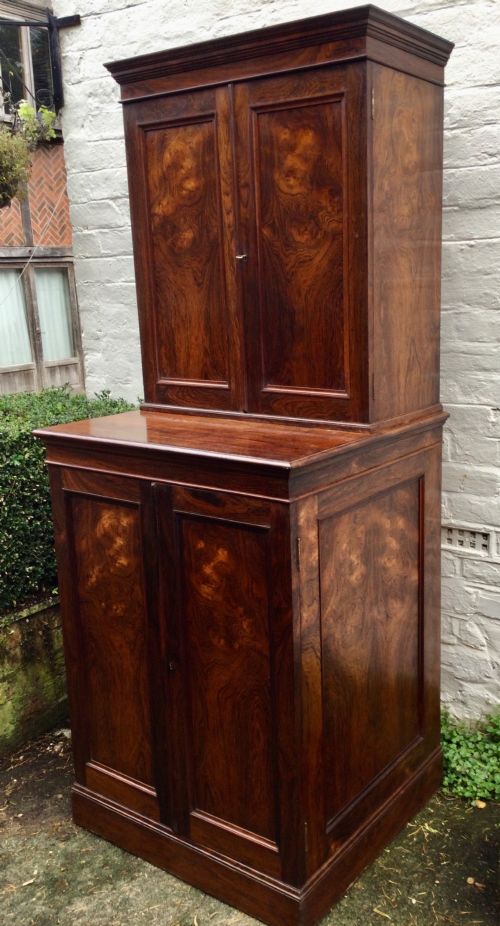
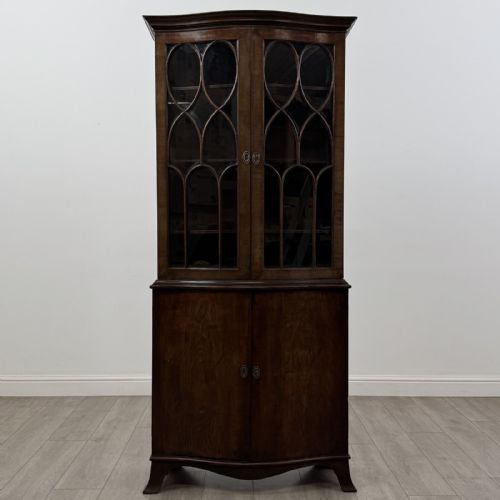
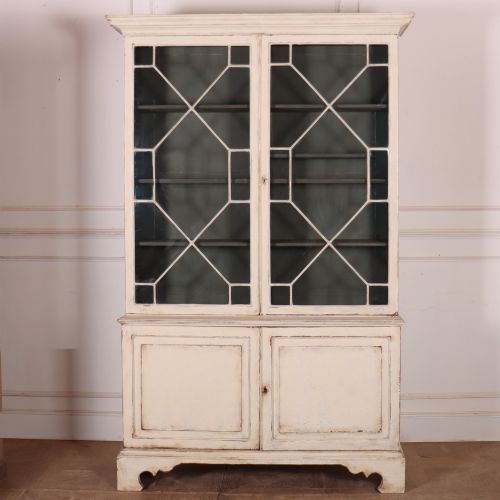
A two tier bookcase cabinet brings together open shelving and lower cupboard storage in a single footprint, designed to display volumes while keeping other items concealed below. The pieces appearing here span from the eighteenth century through the Victorian era and into the early twentieth century, showing periods such as Georgian, Regency, and Victorian.
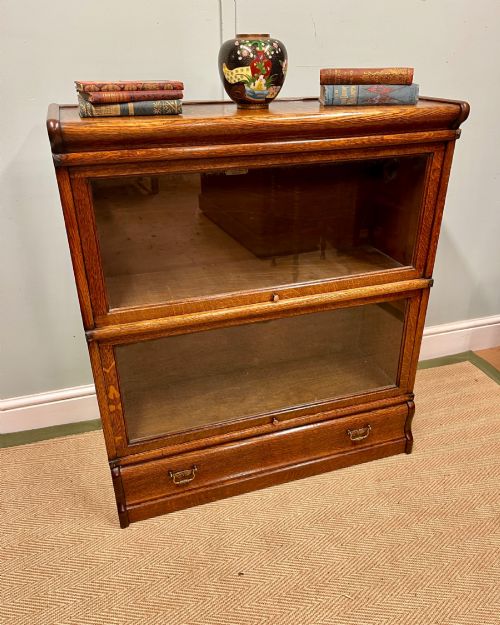
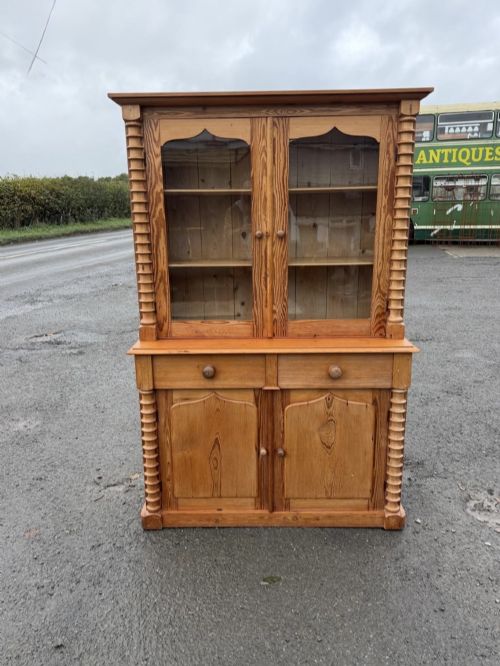
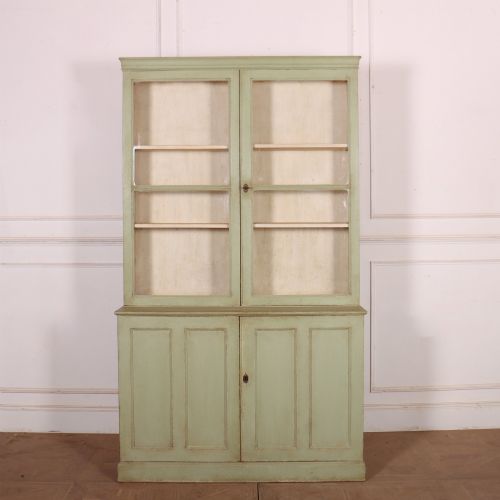
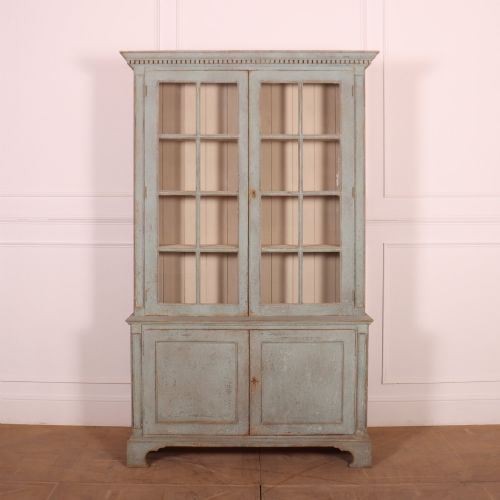
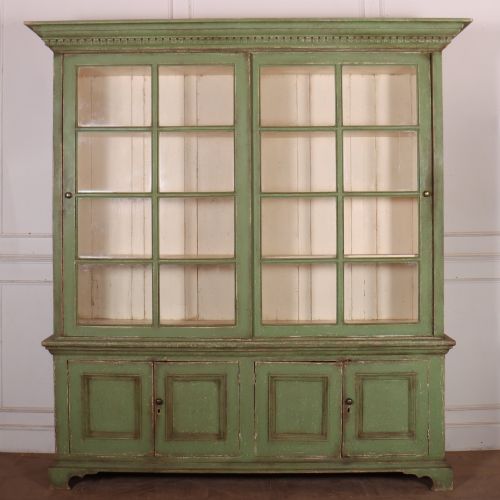
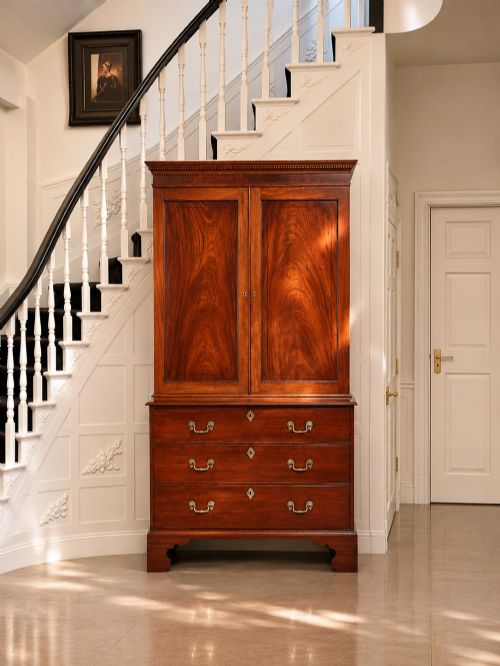
The format ranges from formal mahogany breakfront designs and rosewood display pieces to practical pine kitchen dressers, oak library cupboards, and painted country furniture. Most examples encountered on this page divide cleanly into a glazed upper display section and a panelled wooden base.
Makers and workshops across England, Scotland, Wales, France, Sweden, and Germany produced these cabinets in local timbers to suit domestic and institutional interiors. Regional variations include walnut and burr walnut with marquetry inlay, pollard oak, and cherry wood.
How they were made
Cabinet makers constructed these pieces using solid timbers and decorative veneers such as mahogany, oak, rosewood, walnut, and pine, joined with traditional woodworking methods. Structural integrity depended on sturdy framing and housing joints for fixed or adjustable shelves.
Glazing bars divided glass panes in the upper display tiers, while lower cupboard doors often featured raised panels or marquetry inlay. Brass hardware, ormolu mounts, and gilt bronze details completed the construction of finer examples.
Two Tier Bookcase Cabinet Retail Price Guide 2026
Typical asking prices for two tier bookcase cabinet among the pieces listed under this phrase on Sellingantiques today, from the lower quarter to the upper quarter. They describe what is for sale here now, not the wider market.
Listings feature woods spanning mahogany, oak, pine, rosewood, walnut, and cherry across periods from the 18th century to the 1930s.
What varies in quality
The distinction between standard domestic furniture and the finest workshop productions lies in the selection of timber, such as figured mahogany or burr walnut, and the precision of the cabinet work. Elaborate decorative elements like ormolu mounts, marquetry inlay, and carved details elevate certain pieces above utilitarian storage.
Proportions and original surface finishes also define the grade of a cabinet, with neatly proportioned Regency pieces and documented workshop items representing the upper tier of quality.
Howard And Sons
The Two Tier Bookcase Cabinet Glossary
- Breakfront
- A cabinet design where the central section projects forward from the flanking wings. This architectural arrangement was favoured by Georgian and Victorian cabinet makers.
- Vitrine
- A glass-fronted display cabinet used for showing porcelain, books, or curiosities. These pieces often feature fine framing and glazed sides.
- Buffet deux corps
- A traditional two-tier French cupboard comprising a lower cabinet base and an upper section. The term translates directly to a two-body sideboard.
- Glazing bar
- A wooden strip that holds individual panes of glass within a sash. Fine glazing bars create delicate geometric patterns across bookcase doors.
- Secrétaire
- A desk fitted with a pull-out writing drawer or drop-front flap concealing small pigeonholes and drawers. It typically forms the middle tier of a larger bookcase cabinet.
Two Tier Bookcase Cabinet: Frequently Asked Questions
How are two tier bookcase cabinets constructed?
These cabinets are built in two distinct sections, typically featuring an upper glazed bookcase resting upon a lower wooden cupboard base. The joinery employs traditional techniques suited to heavy timbers like mahogany, oak, and walnut.
Secondary woods line the interiors and drawer construction, while exterior surfaces often display fine veneers, crossbanding, or painted finishes depending on the regional origin and period.
Were these cabinets used only in libraries?
While many examples served in gentlemen's libraries and studies, the form adapted easily to other rooms in the house. Kitchen dressers, school library cabinets, and dining room display pieces utilised the same two-tier layout for storage and display.
Lower cupboards held heavier domestic goods or linens, leaving the upper shelves clear for books, ceramics, and glassware.
How do I identify the period of a cabinet?
Dating relies on timber choice, construction methods, and stylistic details characteristic of eras such as the Georgian, Regency, and Victorian periods. Earlier eighteenth-century pieces often use solid oak or cherry, while nineteenth-century examples frequently feature mahogany, rosewood, and burr walnut.
Hardware styles, shelf adjustment mechanisms, and glazing bar thickness also provide clear indicators of manufacturing date.
Can shelves be adjusted inside?
Many Victorian and later bookcase cabinets feature fitted adjustable shelves supported by wooden racks or brass studs. This flexibility accommodated volumes of varying heights.
Earlier Georgian and country pieces more commonly rely on fixed wooden shelving positioned permanently within the upper carcass.