

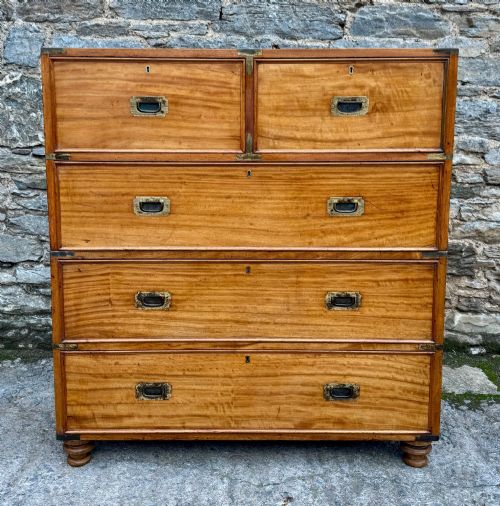
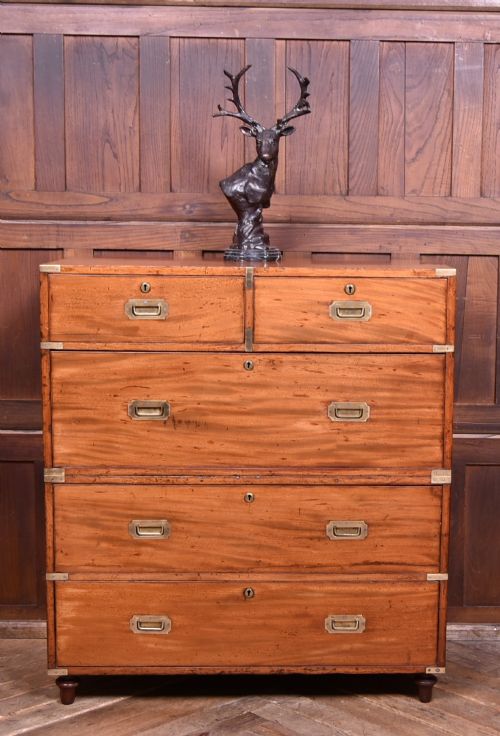
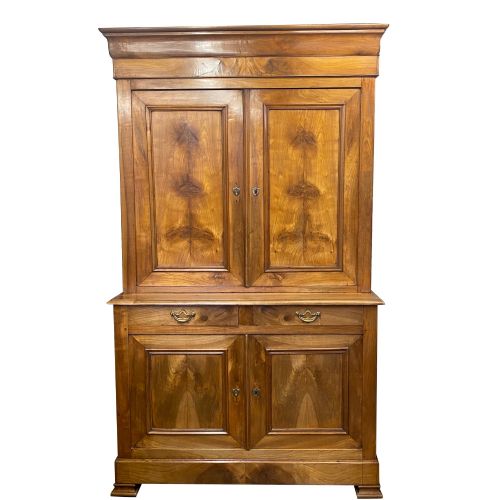


Two Section Dresser
A two section dresser divides into distinct upper and lower halves, offering both storage and ease of transport for the home.
Two Section Dresser
A two section dresser brings together robust forms from the seventeenth century onwards, appearing as campaign chests, bookcases, and cupboards built in separate parts.
Most examples found here span the Georgian, Victorian, and nineteenth-century periods, constructed from timbers like oak, mahogany, teak, and pine.
These items function practically in modern spaces by separating into two manageable halves, a clever design originally intended for travel or simple domestic movement.
Materials and construction
Cabinet makers utilised dense hardwoods such as mahogany, oak, teak, and walnut, alongside softer woods like pine and cedar for internal construction.
Hardware played a crucial role in construction, particularly brass mounts, flush handles, and cast iron carrying handles fitted to military campaign pieces.
Joinery techniques ranged from geometric mouldings on seventeenth-century oak to painted finishes and multi-part modular builds for ease of relocation.
Two Section Dresser Retail Price Guide 2026
Typical asking prices for two section dresser among the pieces listed under this phrase on Sellingantiques today, from the lower quarter to the upper quarter. They describe what is for sale here now, not the wider market.
Some campaign chests split neatly in half so officers could travel across the empire with their wardrobe completely intact.
Assessing quality and craftsmanship
Superior examples display precise matching of timber grain across the horizontal split where the two sections meet, preserving the visual integrity of the facade.
The sophistication of the hardware and internal fittings, such as secret drawers in secretaire chests or original painted pine surfaces, elevates certain pieces above standard utilitarian builds.
The integrity of the original brass mounts and structural joints determines the longevity and authenticity of modular campaign and sectional items.
The Two Section Dresser Glossary
- Campaign chest
- A modular set of drawers built in two or more sections with recessed brass handles for transport on military campaigns. These pieces separate cleanly for travel.
- Secretaire
- A cabinet or chest incorporating a pull-down writing drawer fitted with small drawers and pigeonholes. It often forms the upper section of a two-part desk or tallboy.
- Tallboy
- A tall chest of drawers consisting of a smaller chest stacked upon a larger base section. This form maximises vertical storage capacity.
- Deuddarn
- A traditional Welsh two-part oak cupboard featuring upper and lower shelved compartments. These cupboards reflect regional vernacular furniture design.
- Geometric mouldings
- Raised decorative patterns applied to drawer fronts using mitred strips of wood, characteristic of seventeenth-century joinery. This technique adds depth to the facade.
Two Section Dresser: Frequently Asked Questions
What is a two section dresser?
A two section dresser is a piece of furniture built in separate upper and lower halves, designed for ease of movement and transport.
Such items include campaign chests, bookcases, and cupboards originating from the seventeenth century to the Victorian era.
Why were they built in two parts?
Modular construction allowed heavy furniture to be easily carried on military campaigns or moved between rooms and floors in large houses.
This practical design ensures that tall or bulky items can navigate narrow stairwells and tight spaces.
How do I identify the period?
Periods are identified through timber selection, construction methods, hardware styles, and distinct decorative details like geometric mouldings or campaign brass.
Earlier pieces often use solid oak or walnut, while nineteenth-century examples frequently feature mahogany, teak, or camphor wood.
How should I care for these timbers?
Solid woods like mahogany, oak, and teak respond best to stable indoor humidity and occasional waxing to preserve the natural grain.
Avoiding direct sunlight prevents the wood from drying out and protects original finishes on antique surfaces.