

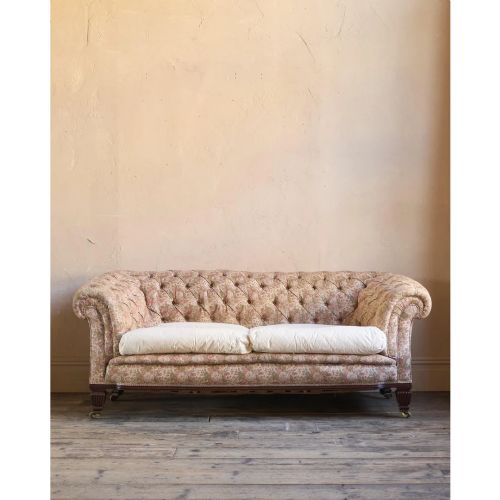
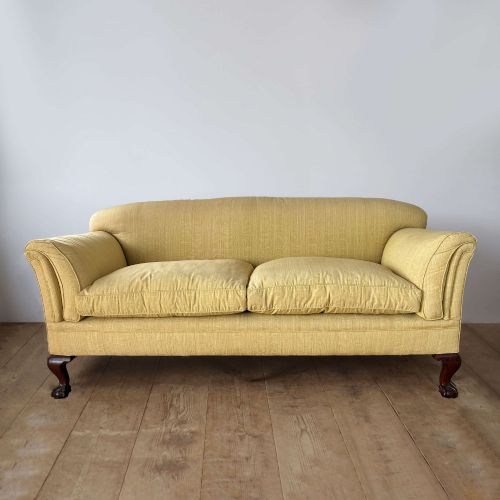


Two Seat Country Settee
A two seat country settee brings domestic ease and traditional craftsmanship into a room, offering compact comfort built for everyday sitting.
Two Seat Country Settee
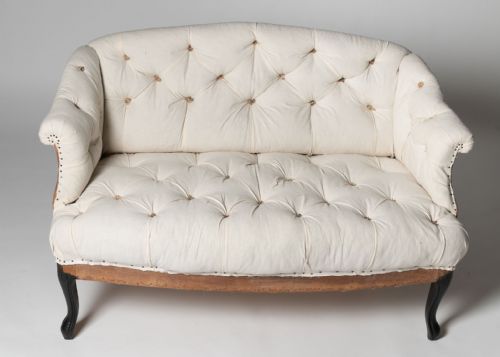
A two seat country settee is a compact seating form designed for domestic interiors, appearing across various regional and formal interpretations. When searching for a two seat country settee, buyers encounter pieces ranging from Victorian and Edwardian periods down to the early twentieth century.
The selections on this page encompass English country house pieces alongside French styles and classic Chesterfield designs. These settees function as intimate seating options, often scaled smaller than standard three-seater sofas while maintaining generous depth for lounging.
Origins vary from English workshops to French provincial ateliers, spanning periods such as the mid nineteenth century through the 1920s. Buyers most frequently meet walnut or mahogany framed examples, as well as deeply upholstered varieties intended for relaxed reception rooms.
How they were made
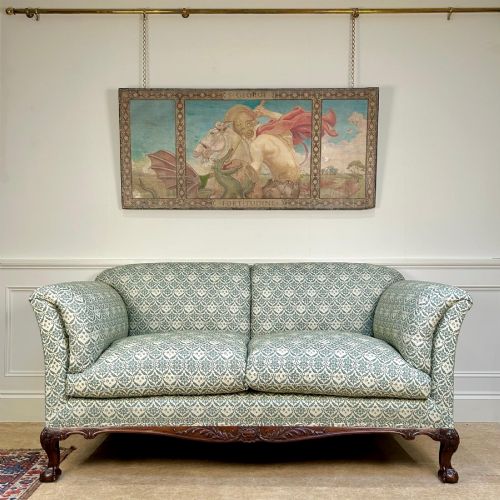
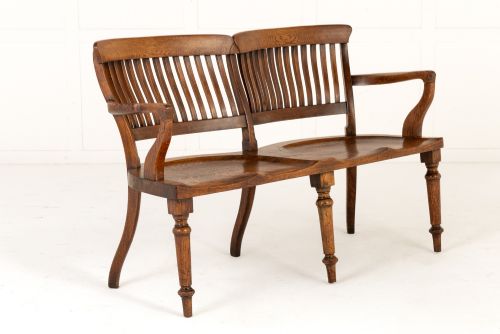
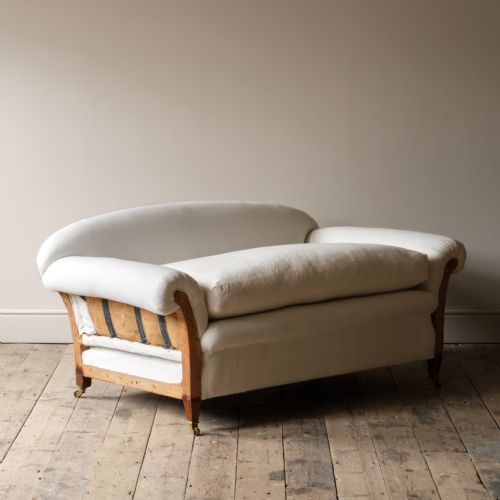
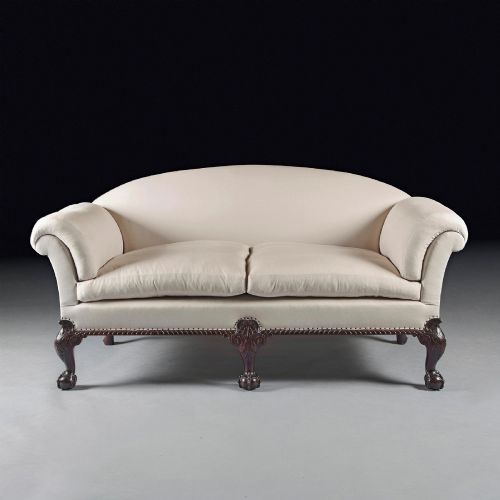
Construction relies upon solid timber frames built from walnut, mahogany, fruitwood, or general wood and timber. Makers shaped structural supports through turning and carving, sometimes incorporating details like ball and claw feet or ladderback designs.
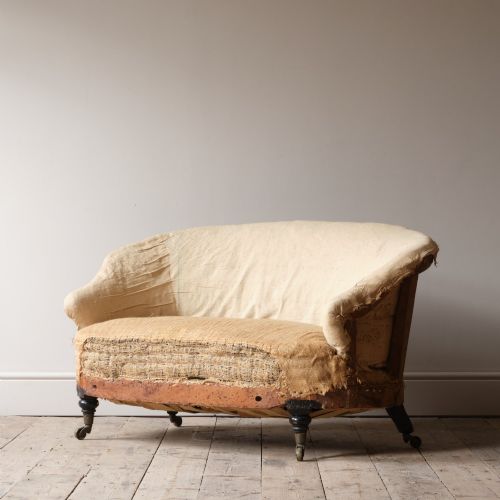
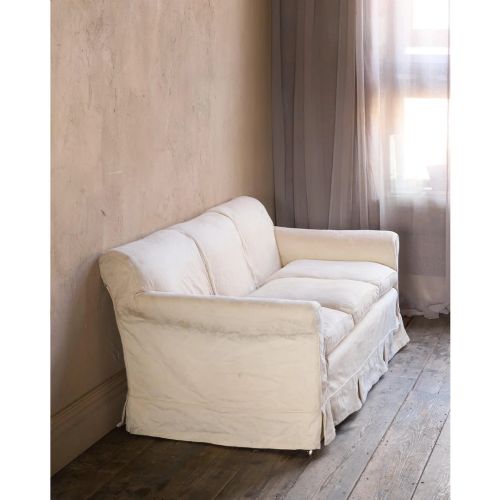
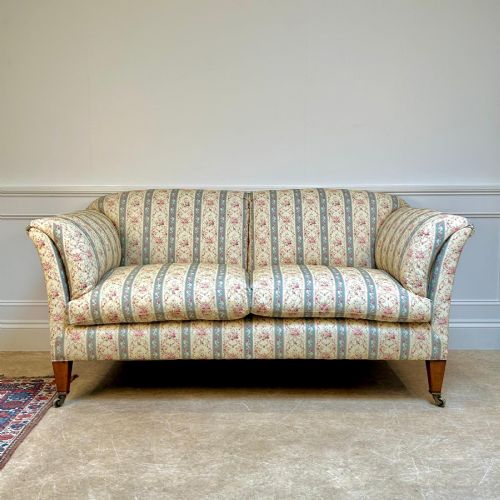
Upholstery techniques utilise traditional fillings secured beneath fabrics such as calico, specialised upholstery fabric, and original ticking. Exposed wooden frames display polished finishes, while fully upholstered versions conceal their internal framing beneath heavy cloth.
Two Seat Country Settee Retail Price Guide 2026
Typical asking prices for two seat country settee among the pieces listed under this phrase on Sellingantiques today, from the lower quarter to the upper quarter. They describe what is for sale here now, not the wider market.
Several compact settees were specifically built short enough to double as comfortable end-of-bed lounging seats.
What varies in quality
Quality differences emerge in the selection and working of timber frames, distinguishing robust structural hardwoods from simpler secondary woods. Finer examples display precise joinery, balanced proportions, and careful carving on exposed wooden elements.
The integrity of the upholstery work and the retention of original materials also mark the difference between standard production and superior craftsmanship. Pieces carrying documented maker attributions command greater interest through their verified workshop origins.
Howard and Sons
The Two Seat Country Settee Glossary
- Chesterfield sofa
- A distinctively upholstered seating form characterised by deep buttoning and rolled arms of equal height to the back. These pieces provide a formal yet comfortable presence.
- Bergere
- A French style of upholstered armchair or settee featuring enclosed wooden sides and cane work panels. The cane work requires skilled weaving around a shaped wooden frame.
- Ticking
- A tightly woven, durable cotton or linen fabric traditionally used as a base covering to contain internal upholstery fillings. Original ticking indicates untouched condition.
- Ball and claw
- A furniture foot motif carved to resemble a bird's talon clutching a ball, popular during revival periods referencing earlier cabinetmaking traditions.
Two Seat Country Settee: Frequently Asked Questions
How do I clean the fabric?
Surface dust can be removed using a soft brush or a low-suction vacuum attachment. For deeper cleaning, consult a professional textile conservator familiar with antique upholstery.
Avoid applying water or chemical solvents directly to the material, as older fabrics and internal stuffings react unpredictably to moisture.
Are these settees comfortable?
Many examples are designed with deep seats and supportive upholstered backs intended for prolonged sitting. Their comfort level depends upon the condition of the internal springing and stuffing.
Overhauling the interior padding can restore ergonomic support while preserving the exterior appearance of the piece.
Where should I place it?
These compact settees fit well in smaller reception rooms, studies, or at the foot of a bedroom. Their modest scale allows them to sit comfortably without dominating the floor plan.
Position the settee away from direct sunlight to prevent fading of the wood finish and upholstery fabric over time.
How do I identify the period?
Dating relies upon examining construction methods, timber types, and stylistic indicators such as leg carving or frame shaping. Victorian and Edwardian examples often display distinct design revivals.
Comparing structural details with documented pieces from makers like Howard and Sons helps narrow down the manufacturing decade.