

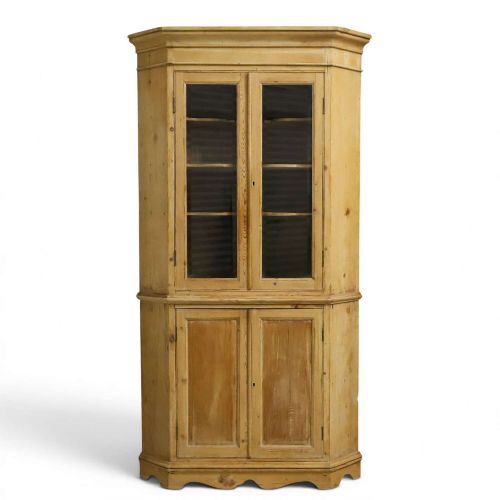


Two Piece Glazed Dresser
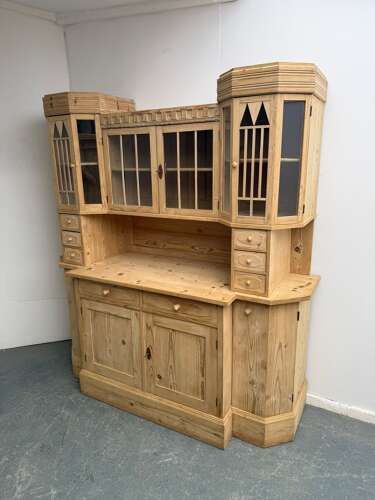
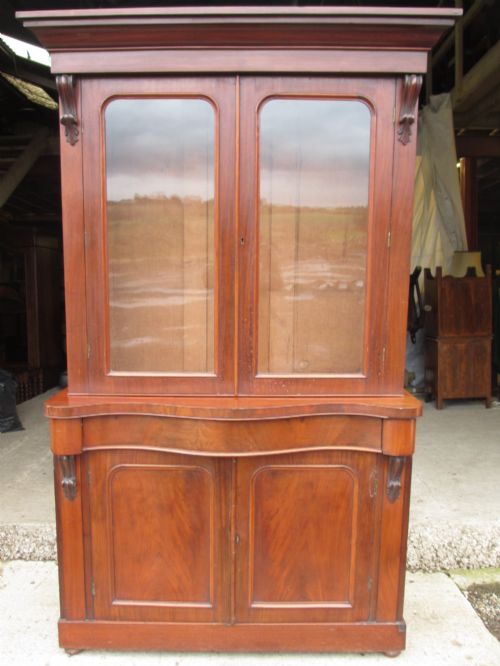
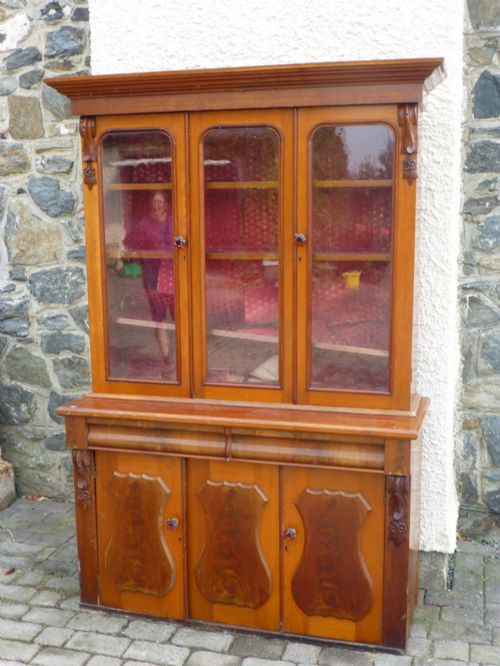
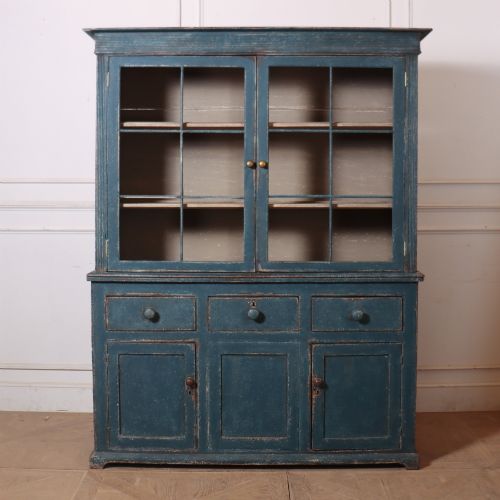
A two piece glazed dresser offers substantial display space above enclosed storage, making it an essential anchor for traditional interiors.
Two Piece Glazed Dresser
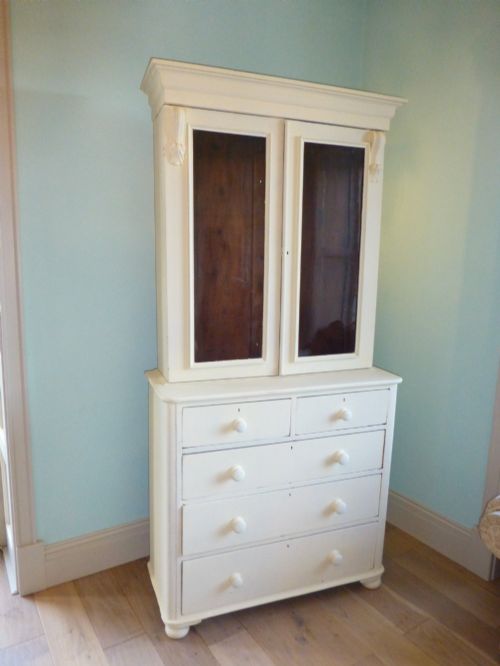
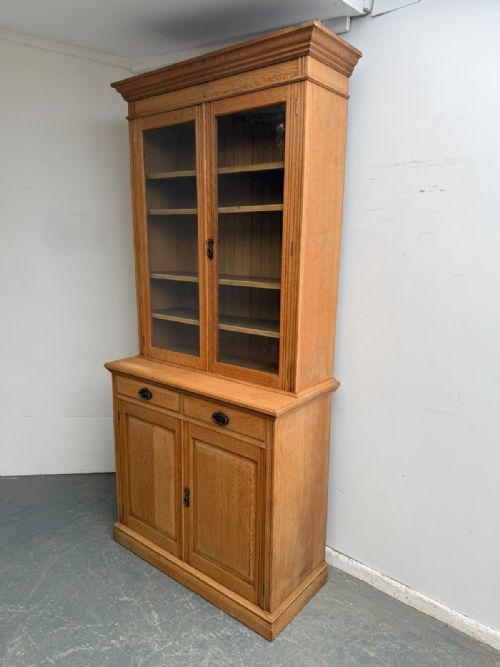
A two piece glazed dresser combines an upper cabinet with glass doors for display and a lower base section for concealed storage, dividing the furniture into distinct upper and lower halves. When searching for a two piece glazed dresser, buyers encounter examples originating primarily from the nineteenth century alongside pieces attributed to the eighteenth century.
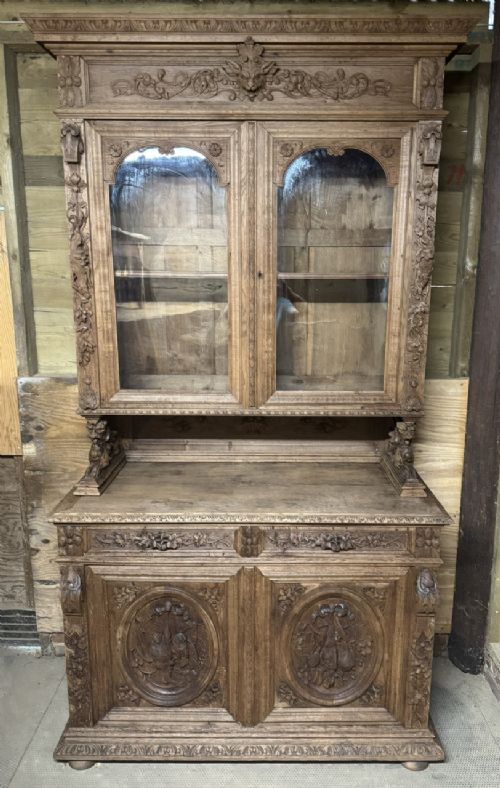
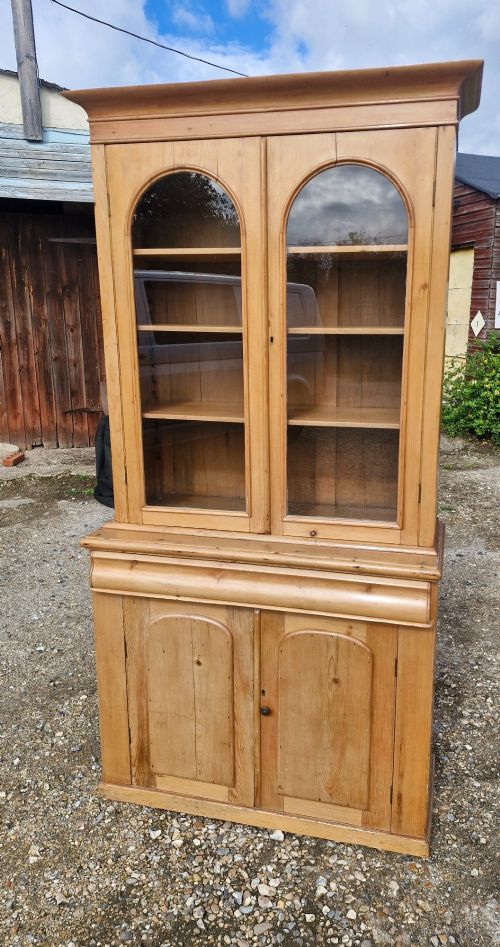
The regional variety spans English country and Welsh vernacular traditions to French provincial styles, utilising forms such as kitchen dressers, bookcases, and vitrines. Pine and oak predominate as the primary woods, often complemented by painted finishes, glazed panels, and brass hardware.
Most pieces on display reflect domestic utility, ranging from tall Cornish and West Country kitchen furniture to Arts and Crafts oak bookcases and Hungarian painted cabinets. The separation into two distinct sections facilitates movement and placement within domestic spaces.
Materials and Construction
Cabinet makers constructed these dressers using solid timbers like pine, oak, and mahogany, chosen for structural stability and local availability. Carpenters joined the upper glazed cabinets to the lower bases using sturdy tenon and dowel joints designed to bear heavy weight.
Glass panes were individually fitted into timber frames to create the upper doors, allowing visibility for contents while protecting them from dust. Surface treatments varied from natural wax and bleached finishes to traditional painted coats in cream, teal, or neutral tones.
Two Piece Glazed Dresser Retail Price Guide 2026
Typical asking prices for two piece glazed dresser among the pieces listed under this phrase on Sellingantiques today, from the lower quarter to the upper quarter. They describe what is for sale here now, not the wider market.
Listings feature pine and oak construction spanning the eighteenth, nineteenth, and early twentieth centuries, including Arts and Crafts and Victorian styles.
Evaluating Quality and Craftsmanship
Proportion and timber selection dictate the distinction between standard domestic utility pieces and finer cabinetwork. Superior examples display carefully matched grain patterns in oak or mahogany, whereas utilitarian pine versions often rely on painted surfaces for decorative effect.
Hardware integrity, such as original brass handles and hinges, contributes to the overall integrity of the piece. The subtlety of carved detailing, particularly on French hunting styles or Welsh vernacular pieces, separates simpler workshop output from more ambitious furniture.
The Two Piece Glazed Dresser Glossary
- Vitrine
- A glass-fronted cabinet designed for displaying porcelain, books, or curiosities. These upper sections sit atop commodes or lower cupboards in two-part forms.
- Vernacular
- Regional furniture built by local joiners using traditional methods rather than following metropolitan pattern books. Welsh and West Country examples exhibit these distinct local traits.
- Glazing bar
- A wooden strip that holds individual glass panes within a sash door. Multiple bars create small glass divisions typical of nineteenth-century cabinet work.
- Two-part form
- Construction comprising a separate upper display section resting upon a lower base cabinet. This division aids transportation and placement in domestic rooms.
Two Piece Glazed Dresser: Frequently Asked Questions
How do I separate the two sections?
Most two-part pieces simply rest the upper glazed cabinet directly onto the lower base chest or sideboard. Gravity and wooden locating pins or dowels generally hold the upper section securely in place without requiring mechanical fasteners.
When moving the furniture, simply lift the upper cabinet straight up off the base after removing any glass shelves or loose contents to reduce weight and prevent damage.
What is the best way to clean pine?
Maintenance depends entirely upon whether the surface is waxed, polished, or finished with traditional paint. Dust the timber regularly with a dry cloth and nourish waxed pine occasionally with a quality beeswax.
Avoid using harsh chemical sprays or excess water on historic painted or polished surfaces, as moisture can lift old paint layers or dull the timber grain over time.
Where should I place my dresser?
These tall cabinets require solid wall placement and adequate ceiling height, particularly for eight-foot examples or tall kitchen dressers. Position the furniture away from direct heat sources and strong sunlight to protect older timbers from warping and painted finishes from fading.
Dining rooms, kitchens, and large hallways provide traditional settings where the upper glazed shelves can display crockery while the lower cupboards conceal everyday items.
How do I date a Victorian piece?
Examine the construction methods, timber choice, and hardware styles to determine the likely period of manufacture. Nineteenth-century pieces often display hand-sawn drawer linings, vernacular pine construction, or characteristic mahogany veneers depending on whether they follow country or formal traditions.
Cabinet makers during the Victorian era utilised standard workshop practices that evolved from earlier Georgian joinery, gradually incorporating machine-cut elements towards the end of the century.