

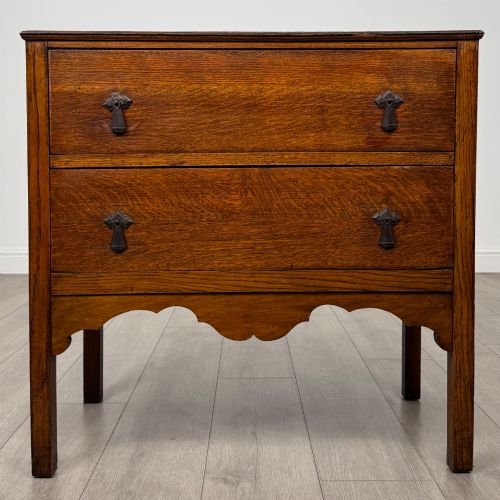
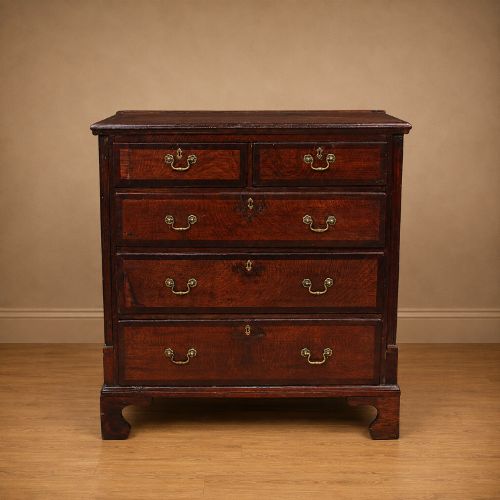
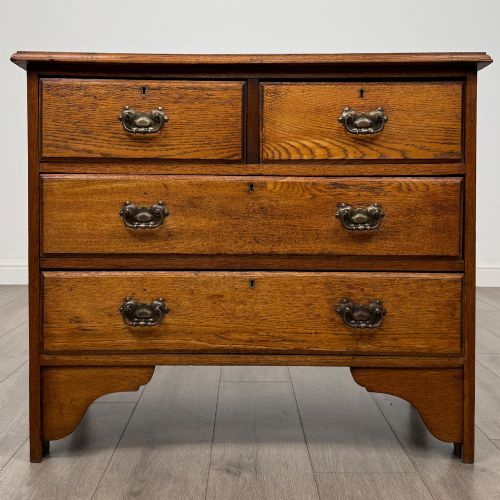
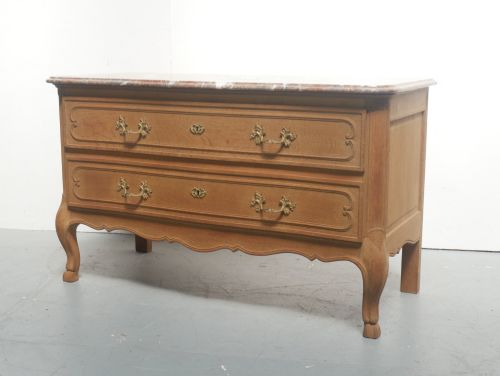
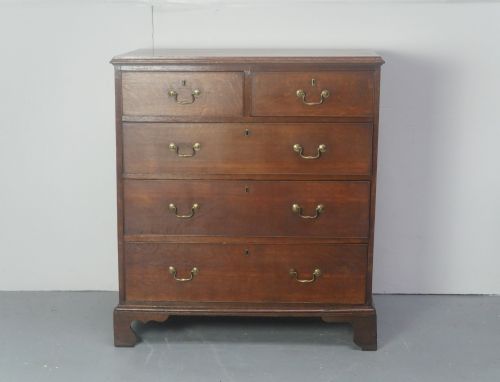
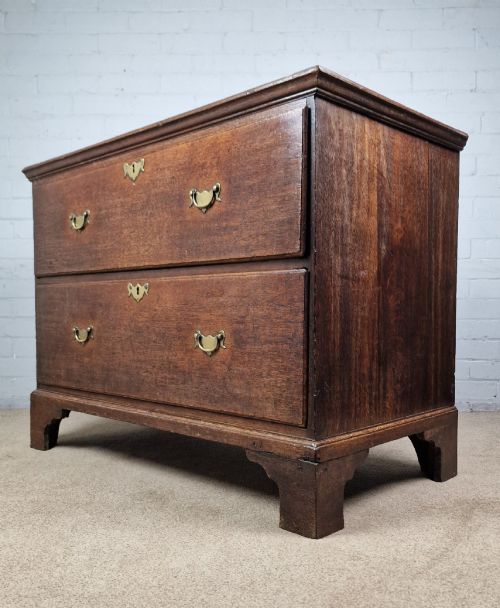
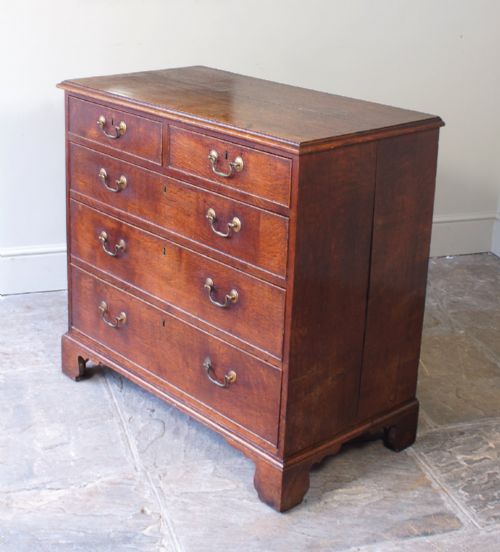
Two Drawer Oak Chest
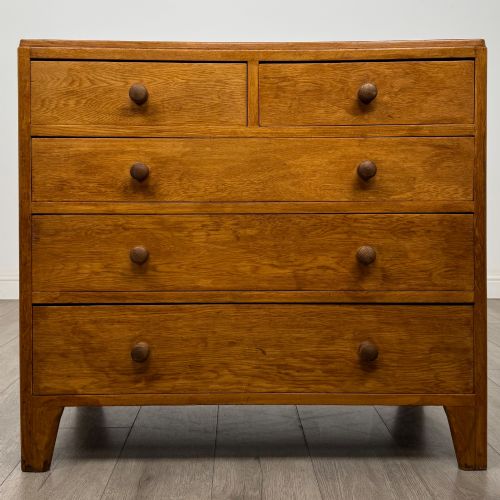
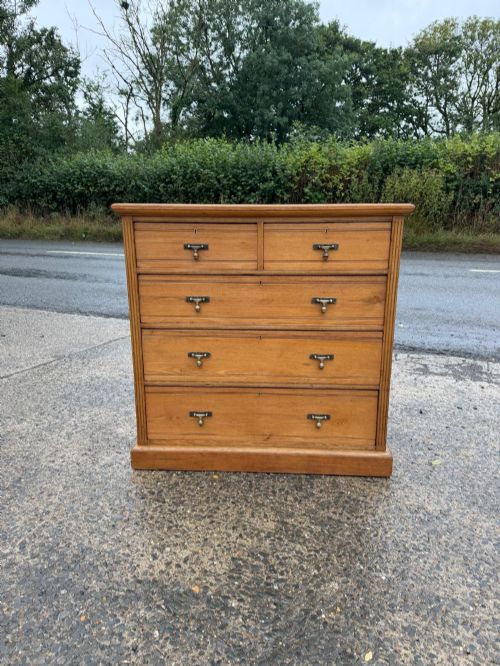
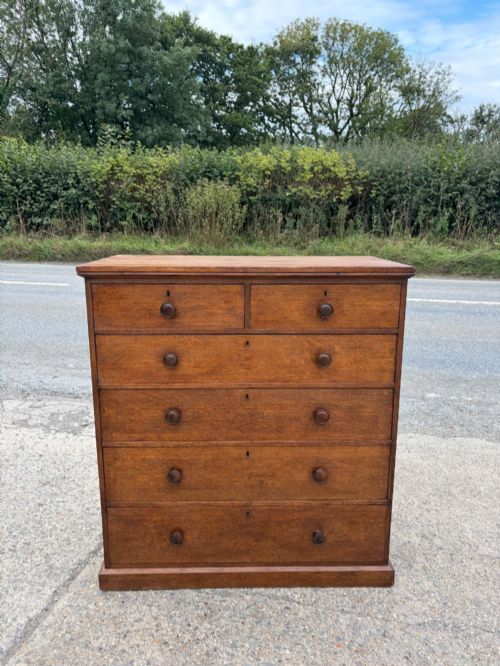
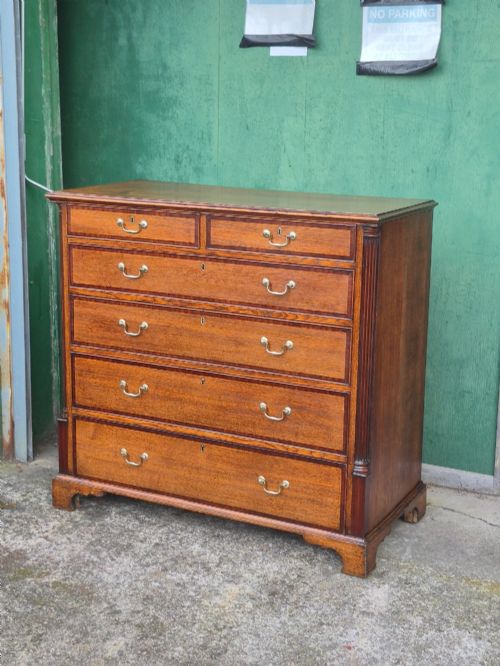
A two drawer oak chest offers sturdy storage and rich timber grain, anchoring a room with dependable utility and quiet presence.
Two Drawer Oak Chest
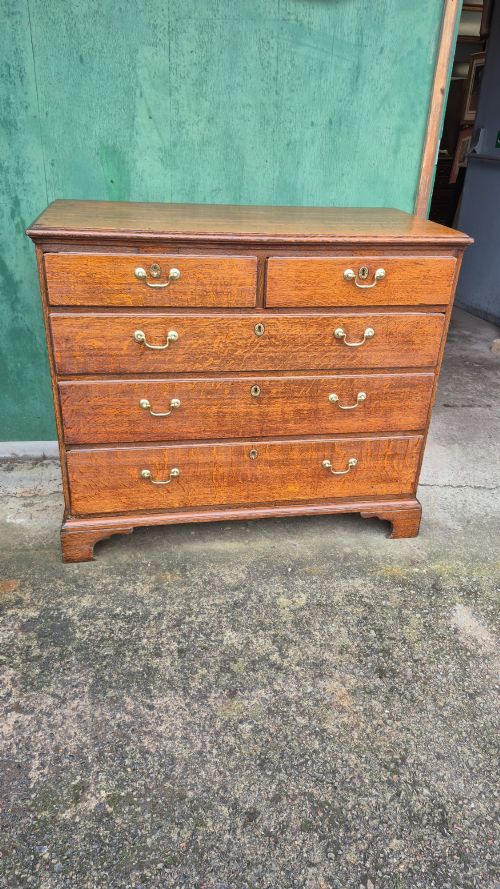
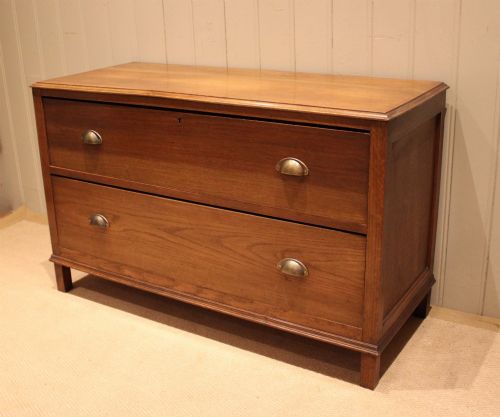
A two drawer oak chest provides compact storage in hallways, bedrooms and living spaces. These pieces combine practical surface area with accessible drawer space.
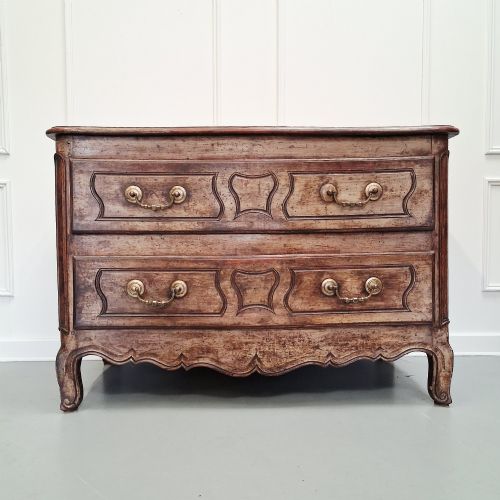
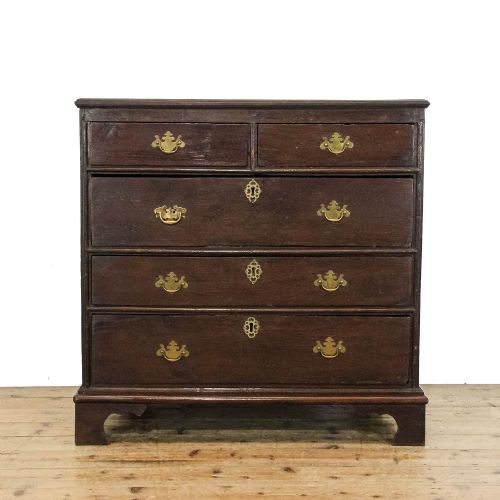
The selections span distinct eras, from seventeenth-century joined examples to eighteenth-century Georgian designs and later Edwardian interpretations. Many pieces originate from English and French workshops, utilising regional cabinet-making traditions.
Buyers encounter low proportions, mule chests with lower drawers, and two-part forms built for transport. Oak remains the primary timber, often paired with fruitwood, walnut or mahogany details.
How They Were Made
Cabinet makers constructed these pieces using solid oak, frequently augmented by fruitwood, walnut, elm or mahogany crossbanding. Joinery relied on traditional methods, including panelled framing and dovetailed drawer construction.
Surface treatments varied from waxed golden oak and bleached finishes to painted wood and geometric mouldings. Metal hardware such as brass handles and drop pulls completed the construction.
Listings feature oak alongside fruitwood, walnut, mahogany and marble top surfaces.
What Varies in Quality
Proportion and scale dictate the desirability of a chest, with smaller dimensions and balanced drawer arrangements commanding attention. The crispness of geometric mouldings and panel carving distinguishes accomplished workshops from simpler regional output.
Surface integrity matters greatly, separating pieces retaining original finish and timber patination from heavily restored examples. The quality of secondary timbers, such as fruitwood or walnut accents, adds depth to the construction.
Heals of London
The Two Drawer Oak Chest Glossary
- Crossbanding
- A decorative border technique where thin strips of veneer are laid perpendicular to the grain of the primary surface. This framing method enhances the visual depth of drawer fronts.
- Bracket foot
- A simple structural foot shape resembling a shaped bracket supporting the corners of a case piece. These feet lift the chest cleanly off the floor.
- Geometric moulding
- Raised wooden mouldings applied in geometric patterns to drawer fronts and panels. This technique is typical of seventeenth-century joinery.
- Two-part chest
- A modular cabinet built in stacked upper and lower sections designed for ease of movement. This form frequently dates to the seventeenth and eighteenth centuries.
- Mule chest
- A blanket box or chest featuring one or more drawers built into the base below the main compartment. It bridges the function of a trunk and a chest of drawers.
Two Drawer Oak Chest: Frequently Asked Questions
Where should I place a two drawer oak chest?
These compact chests fit comfortably in entrance halls as occasional tables or in bedrooms as bedside storage.
Their shallow depth allows them to sit neatly against walls without obstructing walkways.
How do I identify seventeenth-century pieces?
Seventeenth-century examples often feature two-part construction with geometric mouldings and heavy oak framing.
Panelled sides and fruitwood accents further distinguish these early pieces from later Georgian models.
Are these chests suitable for daily use?
Solid oak construction and dovetailed joints provide the structural durability needed for storing everyday items.
Regular waxing helps protect the timber surface from daily wear.
What is a two-part chest?
A two-part chest consists of a separate upper section stacked securely upon a lower base unit.
This modular design originated to ease the transport of heavy furniture through narrow spaces.