

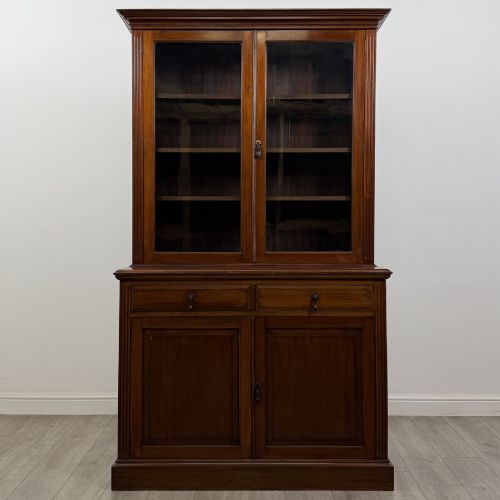
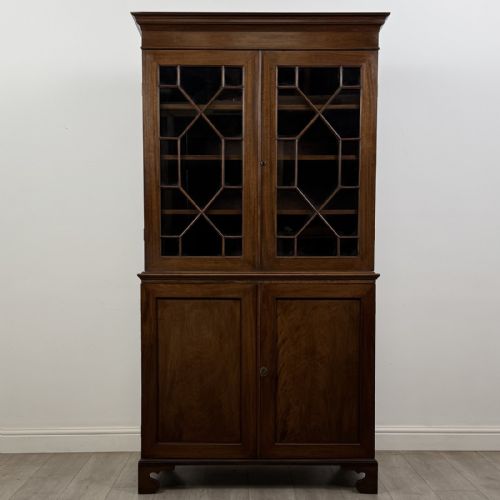
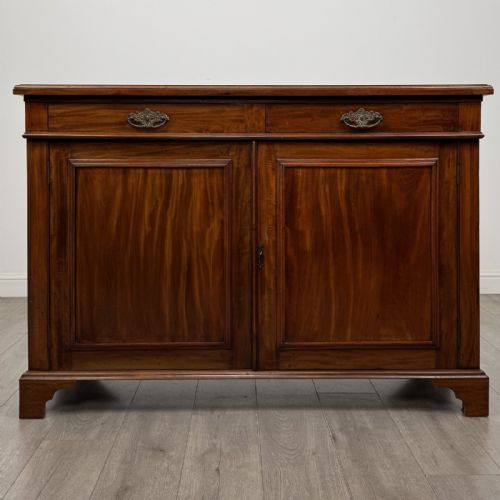
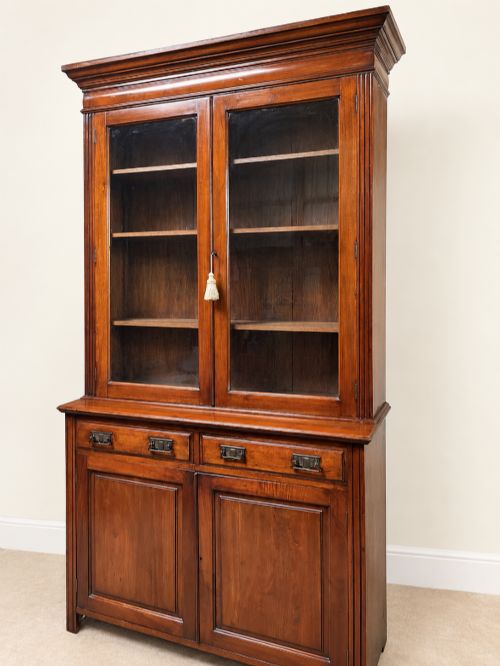
Two Door Wood Cabinet
A two door wood cabinet provides essential storage while anchoring a room with period timber and traditional craftsmanship.
Two Door Wood Cabinet
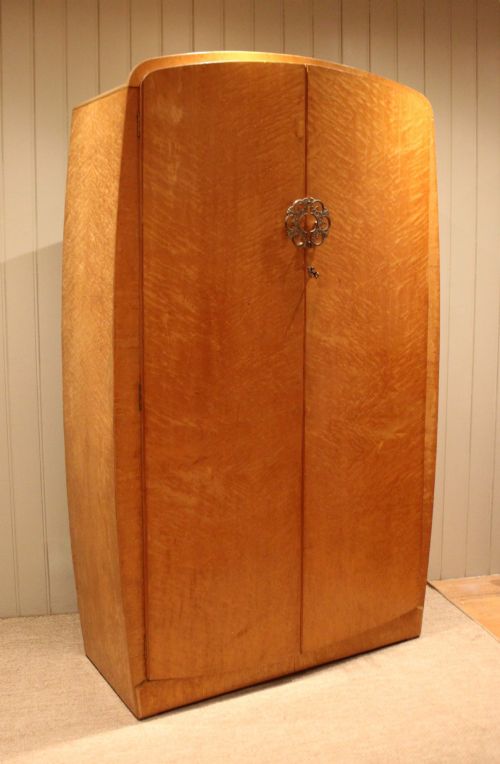
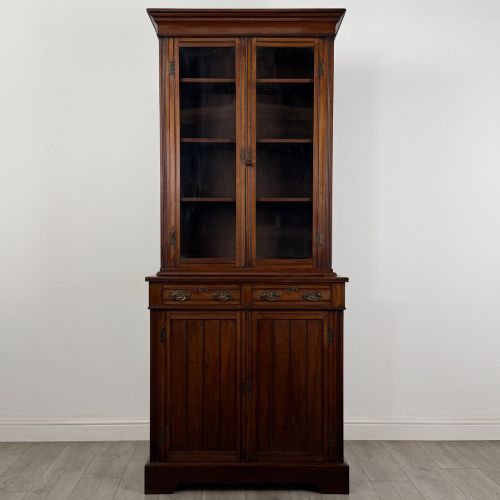
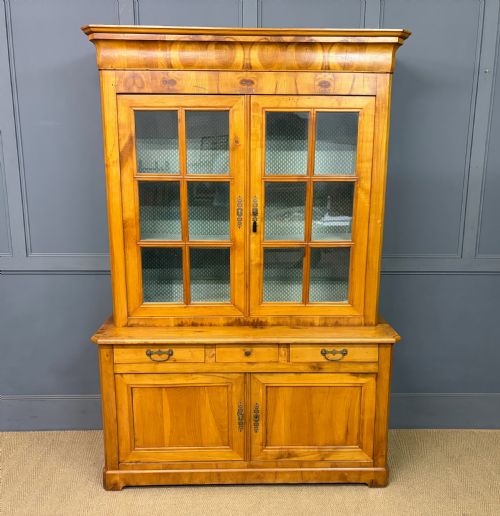
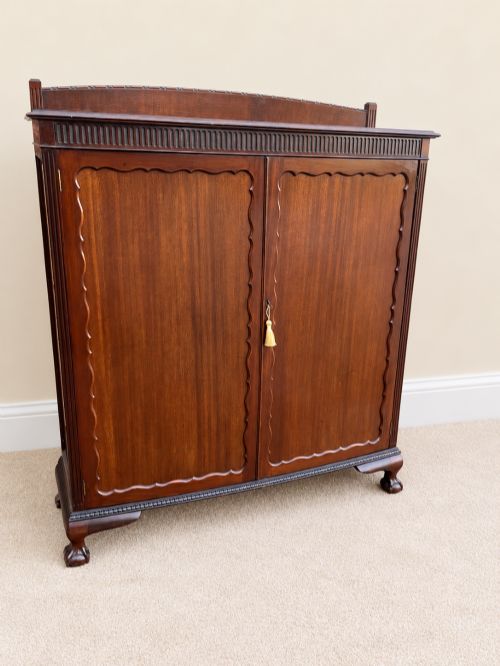
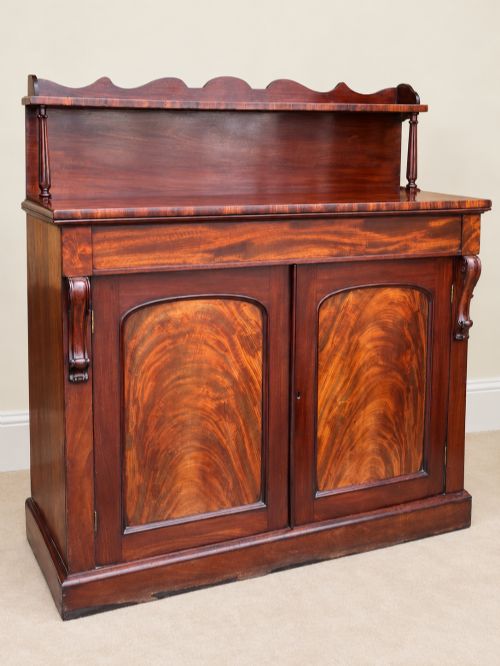
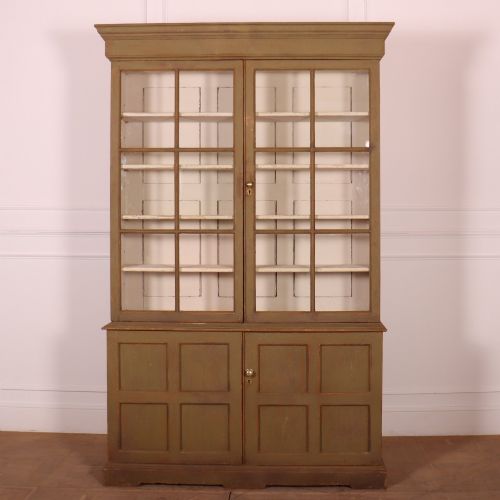
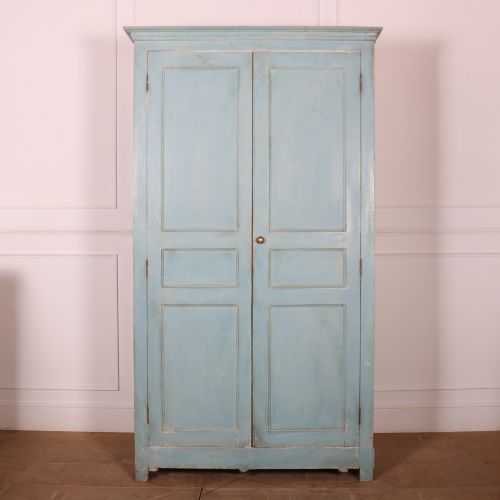
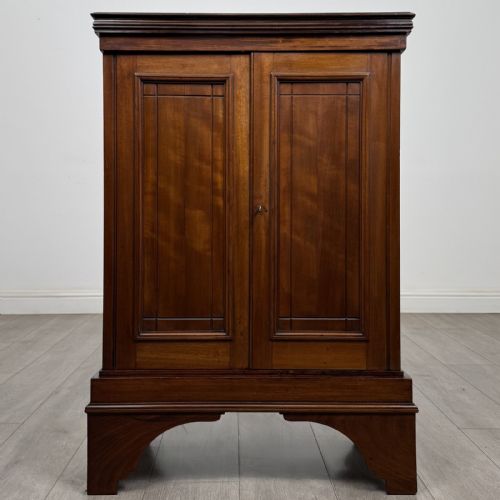
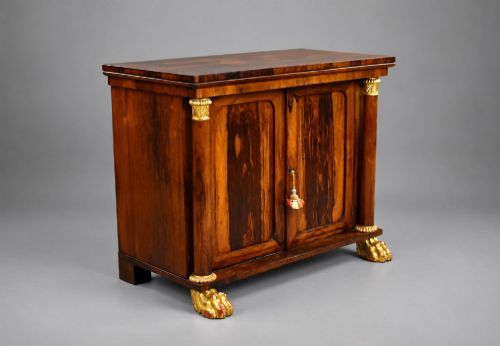
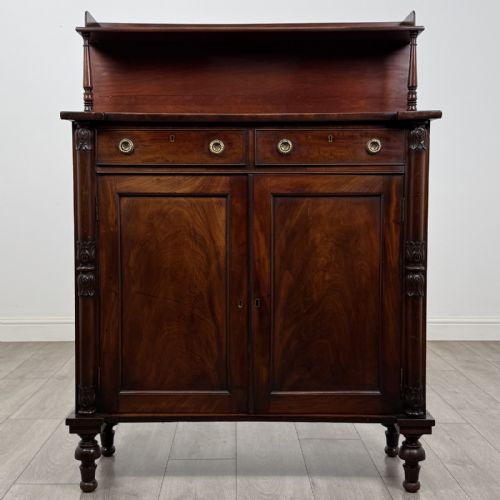
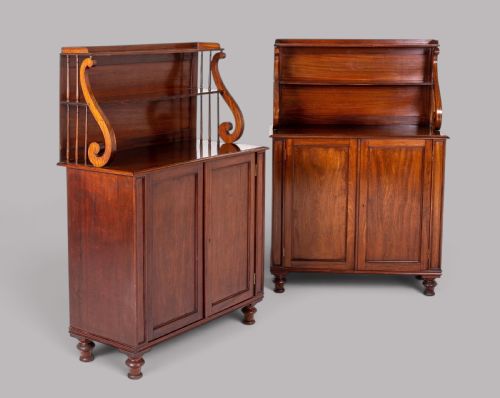
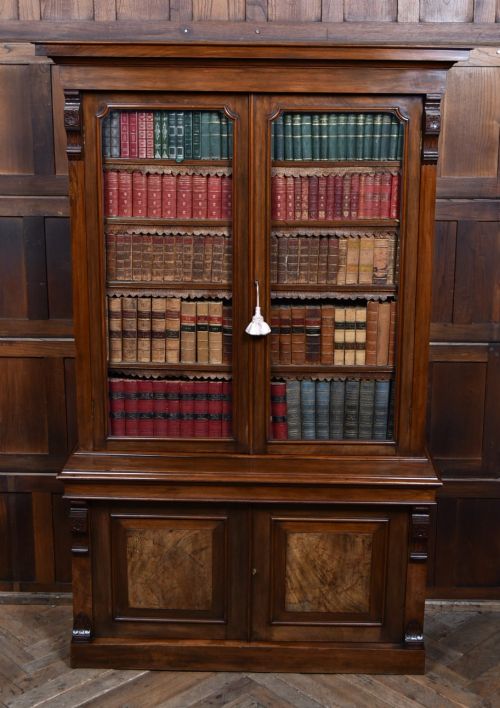
A two door wood cabinet encompasses a diverse group of practical storage furniture, ranging from bookcases and display cabinets to side cabinets, wardrobes, and cupboards. Buyers searching for a two door wood cabinet encounter pieces spanning the Regency, Victorian, and Edwardian periods, alongside early twentieth-century examples.
The selections on this page lean heavily towards mahogany, oak, and rosewood forms, often featuring glazed doors for the display of books or china. Side cabinets, chiffoniers, and linen presses also populate the range, reflecting the domestic storage needs of the nineteenth and early twentieth centuries.
Materials and construction methods
Cabinet makers relied primarily on dense hardwoods such as mahogany, rosewood, and oak, occasionally utilising pine for internal construction or country pieces. Flame mahogany veneers and figured timbers frequently form the principal visual surfaces on finer Regency and Victorian examples.
Structural hardware involves brass for hinges, escutcheons, and handles, whilst glass panels feature extensively in bookcase and display cabinet doors. Joinery methods include carved panels, bracket feet, and baluster turned legs depending on the stylistic period.
Two Door Wood Cabinet Retail Price Guide 2026
Typical asking prices for two door wood cabinet among the pieces listed under this phrase on Sellingantiques today, from the lower quarter to the upper quarter. They describe what is for sale here now, not the wider market.
Listings feature woods including mahogany, rosewood, oak, pine, and birch across Victorian, Regency, and Edwardian periods.
Distinctions in quality
Quality reveals itself in the selection of timber, such as the use of highly figured flame mahogany or richly grained rosewood against plain utility pine or standard oak. The depth of hand-carved ornamentation and the precision of glazing bars indicate the level of craftsmanship invested in a piece.
Proportion and architectural detailing, including swan neck pediments or bracket feet, separate standard utility furniture from sophisticated examples made by notable makers and workshops.
Heals of London·A. Solomon
The Two Door Wood Cabinet Glossary
- Astral glazed
- Refers to glass doors divided by wooden bars into geometric patterns. This technique allows for the secure display of books and china.
- Chiffonier
- A low sideboard or cabinet developed during the Regency and Victorian eras. These pieces typically combine enclosed lower cupboards with upper shelving or drawers.
- Compactum
- A large wardrobe designed with internal compartments, drawers, and hanging space. They offer maximum storage efficiency within a single footprint.
- Flame mahogany
- A veneer cut from the fork of the mahogany tree where branches meet the trunk. This produces a distinctive flickering flame-like grain pattern.
- Pediment
- The decorative architectural structure surmounting the top of a bookcase or cabinet. Common variations include swan neck and triangular designs.
- Bracket foot
- A structural support foot shaped like an L-bracket, fixed to the bottom corners of cabinets and chests. They lift the base cleanly off the floor.
Two Door Wood Cabinet: Frequently Asked Questions
What is a two door wood cabinet used for?
These cabinets serve multiple domestic purposes, acting as bookcases for libraries, display units for china, or storage for linens and garments.
Depending on the internal configuration, they adapt easily to modern living spaces for general household storage.
How do I date a wooden cabinet?
Dating relies on identifying stylistic markers, timber choices, and construction techniques specific to periods like Regency, Victorian, or Edwardian.
Hardware styles and framing methods also provide clear chronological indicators for each piece.
Are these cabinets made of solid wood?
Construction methods vary between solid timbers and decorative wood veneers applied over secondary woods.
Finer nineteenth-century pieces frequently employ flame mahogany or rosewood veneers over robust structural carcases.
How do I care for antique wood furniture?
Maintain timber surfaces by avoiding direct sunlight and excessive temperature fluctuations that cause wood to dry and crack.
Apply appropriate natural waxes periodically to nourish the grain and preserve the original finish.