

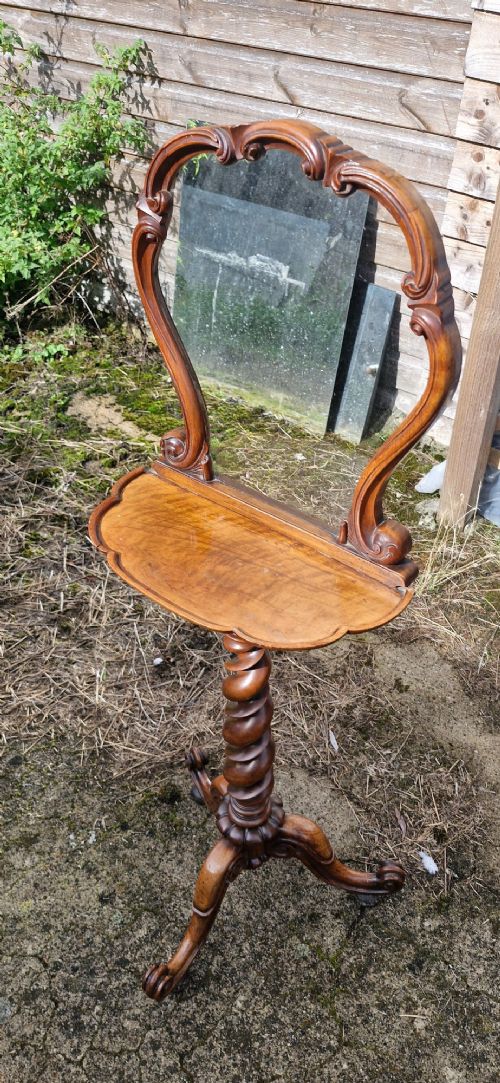


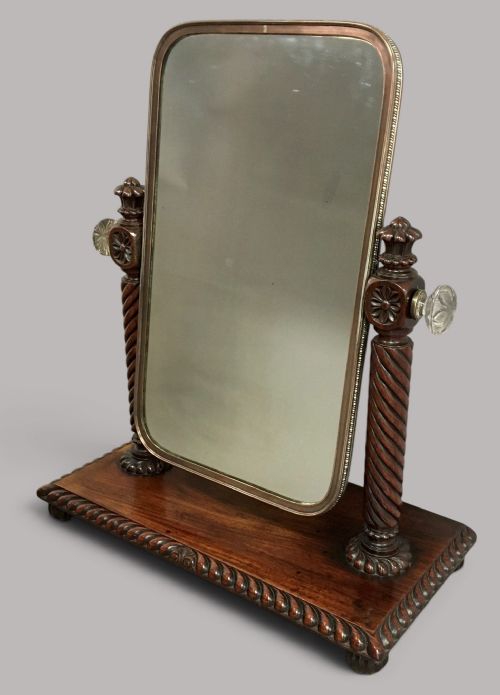


Twist Column Mirror
A twist column mirror brings architectural presence to a room, combining architectural framing with polished reflection.
Twist Column Mirror
A twist column mirror takes various forms across the 19th Century, Victorian, Regency, and Georgian periods, though the selection leans heavily toward overmantel mirrors and pier mirrors. These items anchor a room by introducing height, light, and structured vertical lines to walls and mantelpieces.
Buyers will encounter multiple styles on this page, including English Regency, Victorian, William IV, and English Country House pieces. Overmantel mirrors and pier glasses dominate the selection, alongside dressing mirrors and occasional tables.
The twist column mirror functions as both a practical looking glass and a focal point of interior design. Surviving examples demonstrate how makers integrated turned woodwork with traditional framing to suit period interiors.
How they were made
Makers constructed these frames from wood such as walnut, mahogany, rosewood, and padouk, applying carved wood and gesso to build up decorative relief. Giltwood and gold leaf finishes provided a reflective metallic sheen, sometimes enhanced by water gilding techniques.
The glass elements include mirror glass and triple plate configurations, set into frames shaped with arched tops or classical architectural proportions. Brass fittings and carved details such as acanthus leaf friezes completed the construction.
Twist Column Mirror Retail Price Guide 2026
Typical asking prices for twist column mirror among the pieces listed under this phrase on Sellingantiques today, from the lower quarter to the upper quarter. They describe what is for sale here now, not the wider market.
The listings here span the 19th Century, Victorian, Regency, and Georgian periods, utilising materials such as giltwood, gesso, walnut, and brass.
What varies in quality
The refinement of the carved woodwork and the crispness of the gesso application set finer examples apart from simpler production. Water gilded surfaces display a depth and warmth that differs noticeably from later or cruder metallic applications.
Proportion and scale dictate the visual success of a piece, with larger or more unusual dimensions commanding greater presence. The integrity of the original mirror glass and the execution of the turned columns further distinguish the better examples.
The Twist Column Mirror Glossary
- Pier glass
- A tall mirror designed to hang on the pier, the section of wall space situated between two windows. These tall glasses were typically paired with a pier table placed directly beneath them.
- Overmantel mirror
- A wide looking glass created specifically for placement above a fireplace mantel. These pieces frequently feature multi-plate glass and elaborate carved frames.
- Gesso
- A plaster-like mixture applied to wooden frames as a smooth base for gilding or painting. Skilled application ensures sharp relief on decorative moulding.
- Water gilding
- A traditional technique using liquid size and gesso to adhere gold leaf to a surface, allowing the metal to be burnished to a high gloss. This method produces a brilliant, warm finish.
- Acanthus leaf
- A classical carved ornament modelled on the foliage of the Mediterranean acanthus plant. It appears frequently on the friezes and capitals of fine period frames.
Twist Column Mirror: Frequently Asked Questions
Where should I hang a pier mirror?
A pier mirror traditionally hangs on the narrow wall space between two windows, where it maximises natural light reflection. In modern spaces, they work equally well on any prominent vertical wall.
Their upright proportions help draw the eye upward and create an illusion of greater room height.
What is an overmantel mirror used for?
An overmantel mirror sits directly above a fireplace mantel to anchor the hearth area within the room's decorative scheme. It reflects light from the opposite side of the space and balances the visual weight of the fireplace.
These wider mirrors often feature multiple glass plates suited to expansive wall spaces.
How do I identify a Regency mirror?
Regency mirrors typically feature classical architectural motifs, bold gilding, and refined carved details like acanthus leaves. The frames often draw inspiration from Greek and Roman design.
Proportions remain balanced and elegant, reflecting the neoclassical tastes of the early nineteenth century.
What woods were used in these frames?
Cabinet makers utilised a variety of native and exotic timbers including walnut, mahogany, rosewood, and padouk. Many frames were constructed from softer woods beneath a layer of gesso and gold leaf.
The choice of timber often depended on the period and whether the grain was intended to remain visible.