

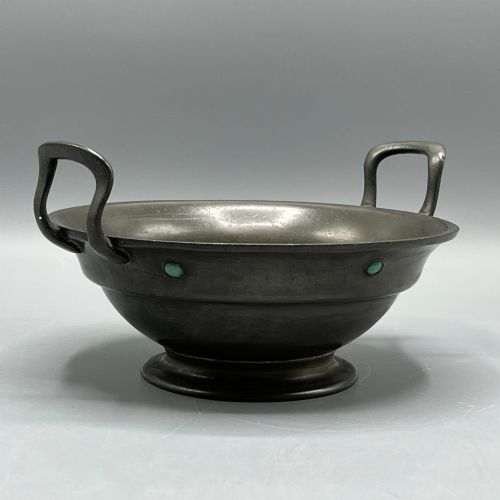

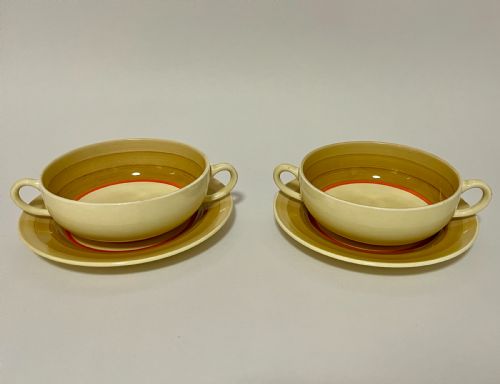


Twin Handle Bowl
These twin handle bowl selections span centuries of craftsmanship, offering practical vessels and decorative centrepieces crafted from silver, porcelain and bronze.
Twin Handle Bowl
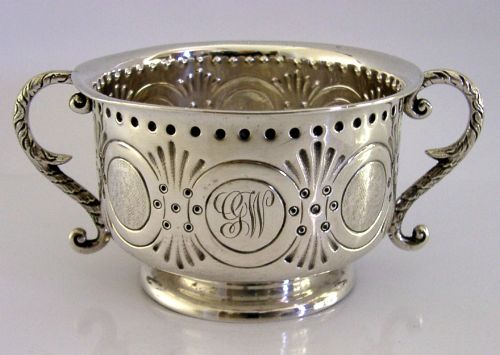
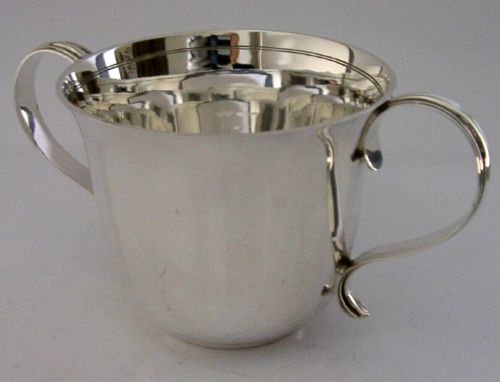
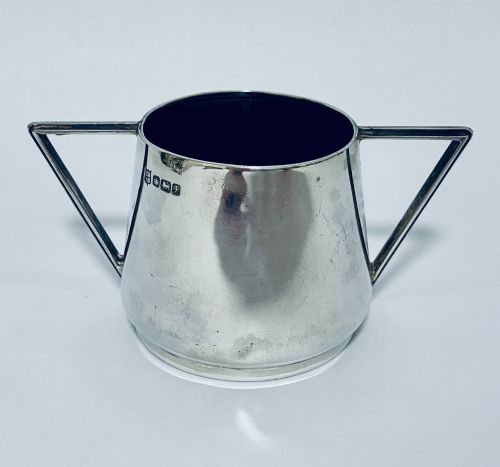
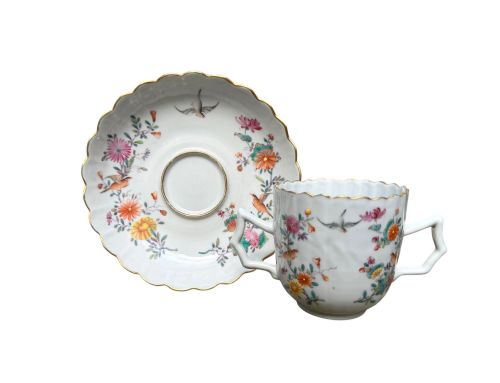
A twin handle bowl brings together functional vessels and decorative items from various periods, including Georgian, Victorian and Art Deco designs. Buyers searching for a twin handle bowl encounter forms ranging from sterling silver porringers and sugar basins to porcelain cups and bronze tazzas.
The pieces on this page originate from diverse workshops and traditions, incorporating styles such as Arts & Crafts, Qing Dynasty and Grand Regency. These vessels served multiple purposes in domestic and formal settings, functioning as sugar bowls, soup bowls and decorative display items.
Materials and construction
Silversmiths constructed pieces using sterling silver and silver plate, shaping metal through hammering and casting to form sturdy handles and bodies. Ceramic makers utilised porcelain and ironstone, applying detailed hand-painted glazes such as famille rose to create durable domestic wares.
Foundries cast bronze and brass into mortars and classical tazzas, employing traditional metalworking techniques. Artisans also worked with copper and pewter, incorporating decorative cabochons and gold leaf details into specific Arts & Crafts designs.
Twin Handle Bowl Retail Price Guide 2026
Typical asking prices for twin handle bowl among the pieces listed under this phrase on Sellingantiques today, from the lower quarter to the upper quarter. They describe what is for sale here now, not the wider market.
A sixteenth-century bronze mortar sits quietly alongside nineteenth-century Grand Tour souvenirs and crisp Art Deco sugar basins.
Judging quality in double-handled vessels
Quality rests in the precision of the metalwork or ceramic shaping, where clean lines and secure handle attachments demonstrate superior maker skill. Superior examples display crisp casting details on bronze and brass, or finely executed hand-painted motifs on porcelain surfaces.
The weight and balance of the vessel indicate the grade of materials utilised, with heavier sterling silver and solid bronze commanding greater regard. Maker attributions and intact original finishes, such as unpolished patination on copper or vibrant enamel colours, elevate the standing of a piece.
Liberty & Co·Clarice Cliff·Roberts and Belk·Royal Worcester
The Twin Handle Bowl Glossary
- Porringer
- A small, shallow vessel with one or two horizontal flat handles, traditionally used for porridge, broths or as a sugar basin. These pieces appear frequently in sterling silver and pewter from the early twentieth century.
- Tazza
- A small pedestal cup or shallow bowl raised on a standard, often designed for display or serving sweetmeats. Italian Grand Tour examples in bronze showcase classical revival motifs.
- Ironstone
- A type of heavy, durable earthenware patented in the nineteenth century to imitate porcelain. Makers like Mason utilise this ceramic body for robust bowls and tableware.
- Famille rose
- A palette of Chinese porcelain enamels dominated by opaque pink, introduced during the Qing Dynasty. This colourful decorative style appears on eighteenth-century cups and stands.
- Cabochon
- A gemstone polished rather than faceted, frequently set en cabochon into pewter metalwork by Arts and Crafts designers. These smooth stones add tactile contrast to vessel surfaces.
Twin Handle Bowl: Frequently Asked Questions
What were twin handled bowls used for?
These vessels served various functions depending on their material and form, from holding sugar and soups to serving as decorative centrepieces.
Silver and pewter versions often functioned as porringers or sugar basins, while porcelain and bronze examples held fruit, potpourri or sweetmeats.
How do I care for a silver bowl?
Sterling silver and silver-plated vessels require gentle cleaning with specialist polish to remove tarnish without abrading the surface.
Store them in dry environments away from direct sunlight to maintain the integrity of the metal and any applied decorative finishes.
How can I date an antique bowl?
Dating relies on examining hallmarks on silver pieces, ceramic backstamps on pottery, and stylistic indicators such as Art Deco geometric lines or Georgian proportions.
Maker marks and registration numbers provide specific production eras, while material composition offers broader period context.
Can porcelain bowls be used daily?
While ironstone and sturdy porcelain withstand gentle handling, antique and decorative pieces benefit from careful usage rather than heavy everyday service.
Hand washing preserves delicate hand-painted glazes, famille rose enamel work and gold leaf details found on older ceramics.