


Twentieth Century Landscape Art
Twentieth century landscape art captures rivers, coastlines and street scenes through the evolving brushwork of British and European painters.
Twentieth Century Landscape Art
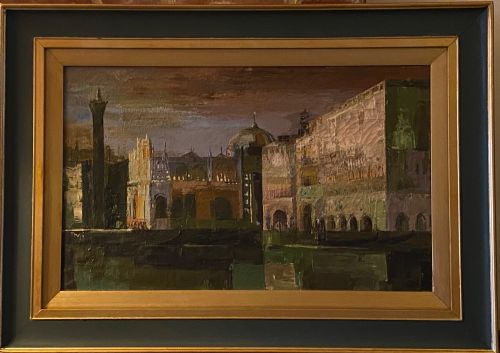
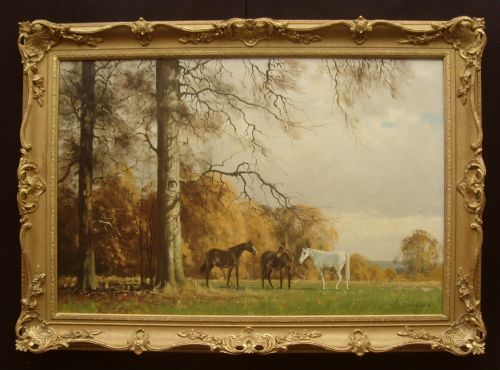
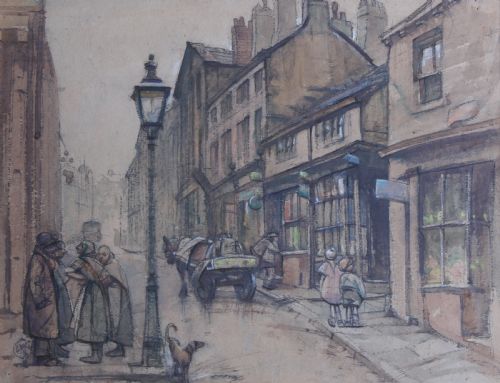
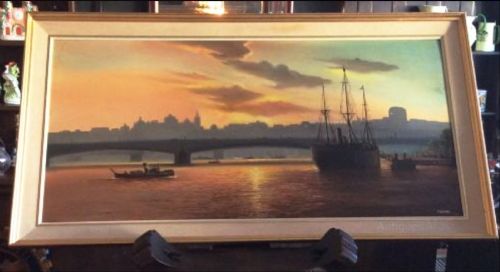
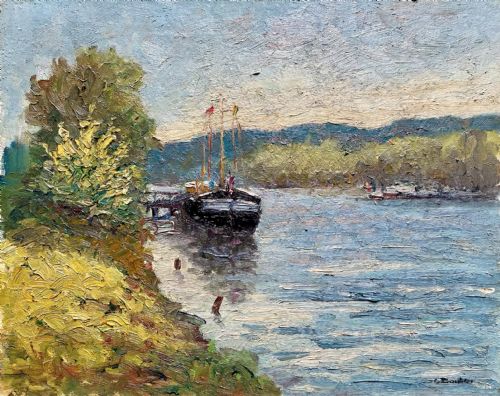
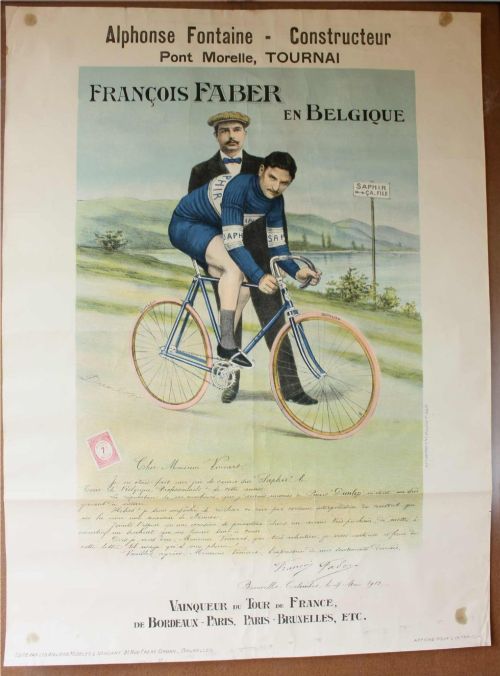
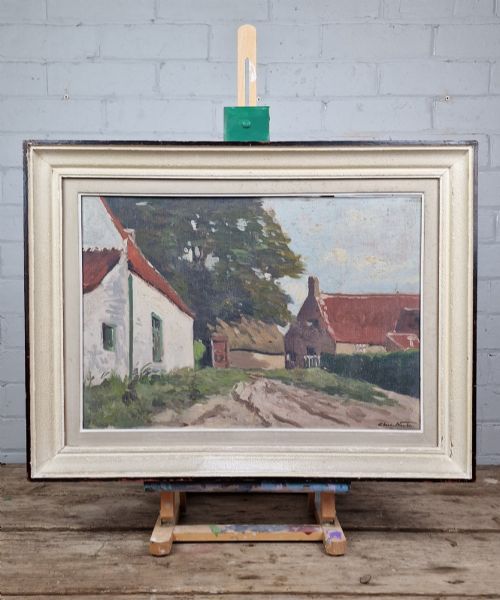
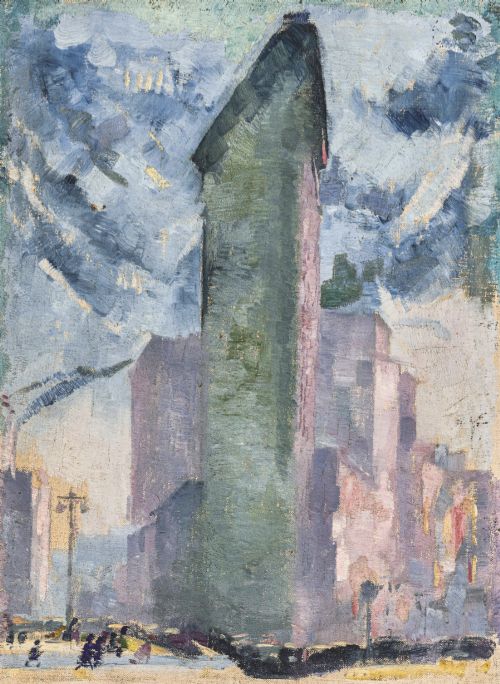
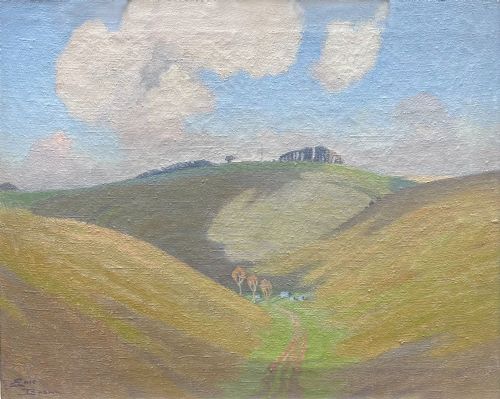
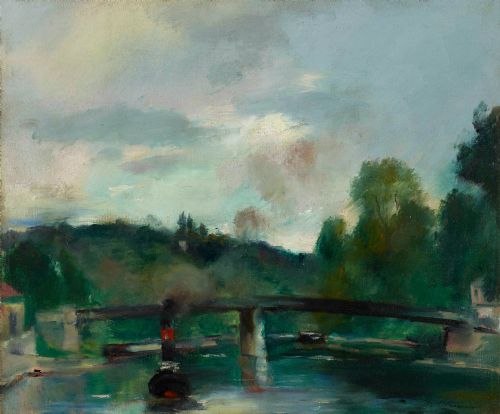
Twentieth century landscape art covers paintings, watercolours and posters created across several decades, ranging from Edwardian watercolours to mid-century post-impressionist canvases. Buyers searching this phrase meet coastal views, rural farmyards, urban rivers and market squares recorded by regional and continental artists.
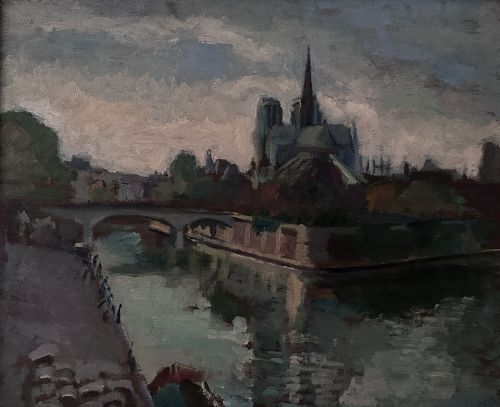
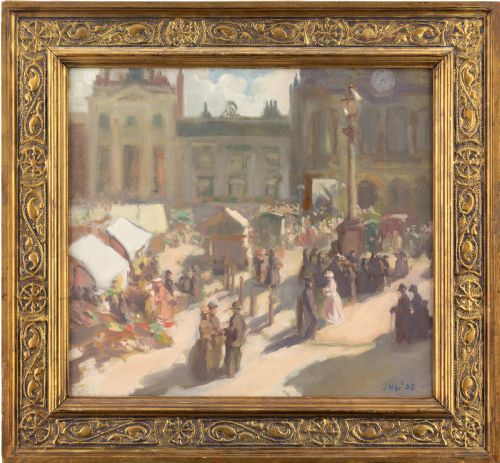
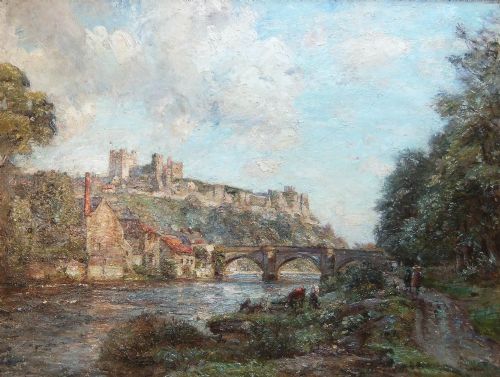
The works most commonly encountered here include framed oil paintings on canvas or board and delicate watercolours on paper. Subjects vary from Yorkshire valleys and Scottish rivers to French coastal towns and Paris street scenes, reflecting diverse local traditions.
Materials and techniques
Artists painted primarily with oil paint on canvas, wood panels and board, or applied watercolours and inks to paper. These media allowed varied textures, from smooth glazes on panel to thick impasto strokes on canvas.
Framing often utilised traditional wood mouldings and burr frames that complement the painting style of the period, protecting the edges of the canvas or paper supports.
Cattle occasionally wander into the scenery, captured patiently on paper by Edwardian artists.
What separates works within the range
Quality rests on the confidence of the brushwork and the artist's command of light, atmosphere and perspective within the chosen landscape. Stronger pieces reveal a deliberate handling of medium and colour rather than stiff, formulaic application.
Provenance and documentation also distinguish works, as signed pieces with traceable exhibition histories or known artistic associations carry greater contextual weight than unsigned or unrecorded examples.
Thomas Ellison·Clifford Hanney·Charles Houben·Alfred Wolmark·Henri Ottmann·John Hodgson Lobley·Herbert Royle·Paul-Élie Gernez·Sir David Murray·Gabriel Dauchot·Fred Lawson·Robert Leslie Howey·Merio Ameglio·Stanley Orchart·Donald McIntyre·William Grant Murray·Florence Hess·Cecil R. Doyly-John·Helmut Reuter·Ernest F. Hill·Berthe des Clayes·John Hobson Nicholson·Frank Wood·William Lambert Bell·Owen Bowen
The Twentieth Century Landscape Art Glossary
- Impressionism
- A style of painting that focuses on capturing light and ordinary subject matter with visible brushstrokes. It emerged in the nineteenth century and heavily influenced twentieth century painters.
- Post-Impressionism
- An art movement that followed impressionism, extending its use of vivid colours and thick paint while exploring more expressive forms. Artists of this period often emphasised geometric structures.
- Watercolour
- A paint consisting of pigment suspended in a water-based solution, typically applied to paper. It produces transparent washes that allow the white of the paper to reflect light through the pigment.
- Impasto
- Paint applied thickly to a canvas or panel so that the brush or palette knife marks stand proud of the surface. This technique adds tactile depth and texture to the scene.
- Provenance
- The documented history of ownership of an artwork from its creation to the present day. Clear provenance helps verify authenticity and authorship.
Twentieth Century Landscape Art: Frequently Asked Questions
What subjects appear in twentieth century landscape art?
These works feature rural countryside, coastal harbours, pastoral farmyards and busy urban river scenes. Artists recorded local topography across Britain and continental Europe.
Subjects range from Yorkshire dales and Scottish golf courses to French coastal cliffs and Paris streetscapes.
How do I identify the period of a painting?
Dates are often indicated by the artist's signature, gallery labels on the reverse, or stylistic markers. Framing materials and canvas types also offer clues to the decade of creation.
Comparing brushwork techniques against known movements like post-impressionism helps narrow down the historical context.
How should I care for these paintings?
Keep works away from direct sunlight and high humidity to protect canvas, paper and pigments from fading or degradation. Stable indoor temperatures prevent warping in wood panels and frames.
Dust watercolours and oil paintings gently with a soft, dry brush without applying liquid cleaners to the surface.
What is the difference between oil and watercolour works?
Oil paint uses a drying oil binder and allows for rich textures, thick impasto and deep colour layering on canvas or wood panels. Watercolours use water-soluble binders on paper, creating translucent, luminous washes.
Watercolours require glass framing for protection, whereas oil paintings on canvas remain open to the air.