



Muted Brown Artwork
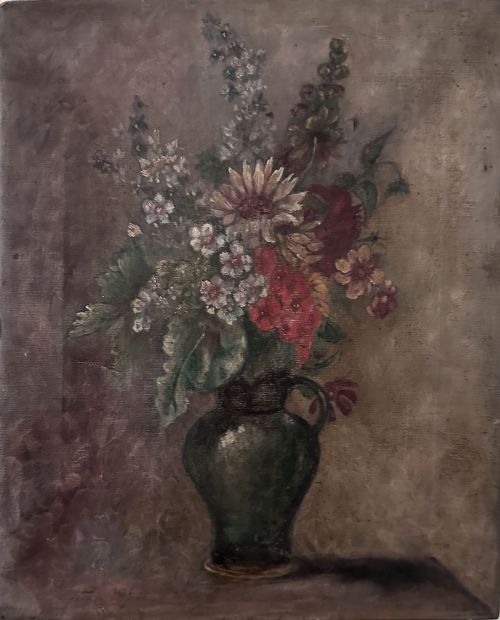
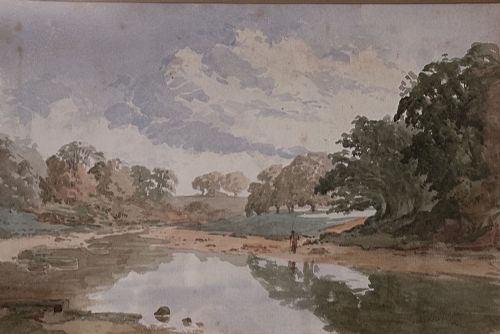
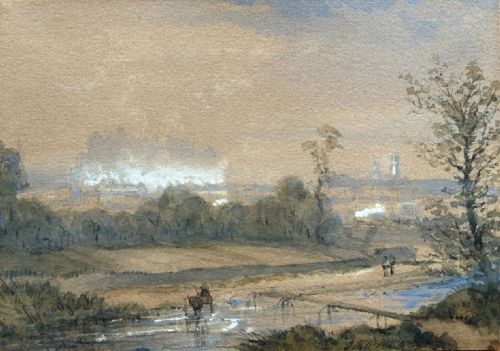
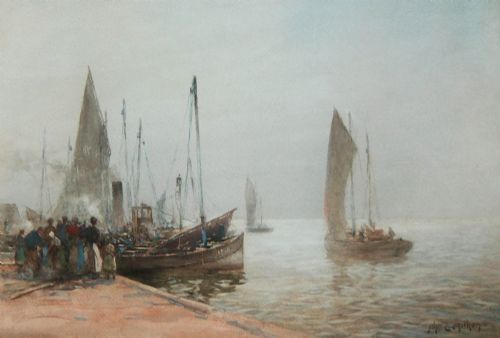
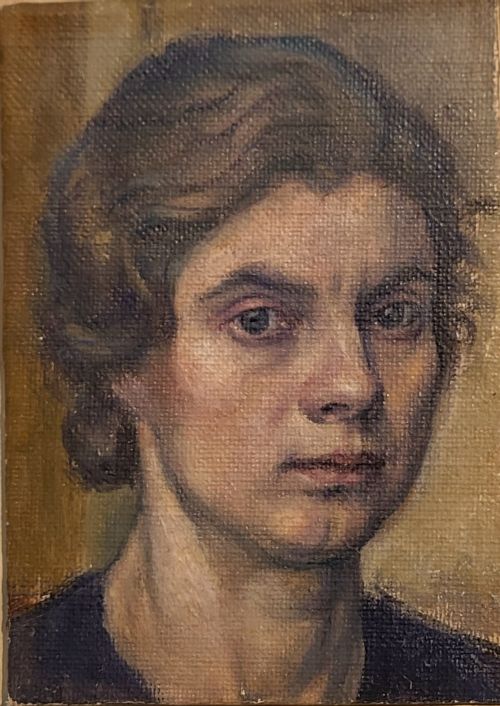
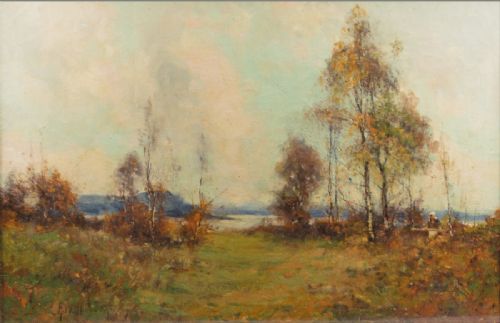
Muted brown artwork encompasses historical paintings and watercolours rendered in subdued earth tones, offering buyers atmospheric landscapes, maritime scenes and portraits from Victorian times through to the mid-twentieth century.
Muted Brown Artwork
Muted brown artwork on this page consists primarily of oil paintings, watercolours, and fine art pieces created across the nineteenth and twentieth centuries. Buyers encounter framed landscapes, coastal views, and town scenes executed by British and European artists working within impressionist and traditional academic traditions.
The selection ranges from Victorian watercolours depicting harbours and rural cottages to mid-twentieth-century oil paintings on board or canvas. These works lean heavily into natural, earthy palettes that capture historical streetscapes, winter scenes, and pastoral life.
Regional British views dominate the selection, alongside occasional continental European scenes and portraits. The typical piece reflects the stylistic shifts from detailed Victorian narration toward the looser brushwork of early twentieth-century British and Scottish impressionism.
How they were made
Artists painted these works using oil paint or watercolour pigment applied to supports such as canvas, heavy paper, board, and wood panels. Oil mediums allowed for textured layering with visible brushstrokes, particularly in mid-century landscapes and marine works.
Watercolour pieces relied on fluid washes on paper to build atmospheric effects, often capturing the soft light of British coastal and rural environments. Many works retain their original framing materials, preserving the historical context of the piece.
Several horses, carts, cattle, and even a pheasant share these quiet brown views with human travellers.
What varies in quality
Quality in these paintings rests upon the artist's handling of tone and perspective, where accomplished brushwork brings depth to restrained brown and neutral palettes. Stronger pieces demonstrate a confident command of light within subdued colour schemes, distinguishing competent topographical records from truly expressive art.
The physical preservation of the canvas, board, or paper surface dictates the integrity of each piece. Works that retain stable pigment layers and sympathetic historical mounts offer a more authentic encounter with the period.
Kenneth Cozens·John R Prentice·James E Aitken·Alfred George Morgan·Gyrth Russell·Fred Lawson·Sir Thomas Newenham Dean·Ernest Pile Bucknall·Tom Clough·James Orrock·Louie Stanley Maurice Prince·Arthur Winter Shaw·Henry Charles Fox·Edmund Morris Wimperis·John D Walker·Owen Bowen·Ruth Prowse·Fred Mayor·Edward Killingworth Johnson·Ernest Higgins Rigg·George Graham·Robert Lesley Howey·William Greaves·William Collins·Arthur Netherwood
The Muted Brown Artwork Glossary
- Watercolour pigment
- Finely ground colour particles suspended in a water-soluble binder, used on paper to create translucent washes. This medium was widely favoured by British artists for capturing atmospheric landscapes.
- Oil paint
- A slow-drying medium made by combining pigments with drying oils such as linseed, allowing for rich texture and deep tonal variation. It forms the primary medium for nineteenth and twentieth-century canvas and board paintings.
- Impressionism
- An art movement focusing on accurate depiction of light and ordinary subject matter with relatively small, thin brush strokes. The listings include British, Scottish, and French variations of this approach.
- Board
- A rigid flat substrate used instead of canvas for painting, particularly common in twentieth-century oil works. It provides a stable, smooth surface for direct application of pigment.
- Canvas
- Closely woven fabric stretched across a wooden frame to serve as a durable painting surface. It is the standard support for historical oil paintings.
Muted Brown Artwork: Frequently Asked Questions
What is the difference between oil on board and canvas?
Canvas uses stretched fabric mounted on a wooden frame, offering slight give and a textured weave surface. Board provides a completely rigid, flat support that artists frequently utilised for smaller, portable sketches.
Both materials require stable room temperatures to prevent warping or cracking of the paint layer.
How do I date an impressionist landscape?
Look to the artist's recorded working dates, style of framing, and historical dress or architecture depicted within the scene. Costume and maritime vessels often provide a tight window of creation.
Exhibition labels or signatures on the reverse offer further confirmation of the production period.
Where should I hang a Victorian oil painting?
Select an interior wall away from direct heat sources, radiators, and prolonged intense sunlight. Stable environmental conditions prevent the canvas and wooden stretcher frames from expanding.
Ensure the hanging hardware is securely fixed to support the weight of the original frame.