

Twentieth Century Canvas Painting
Twentieth century canvas painting brings together landscapes, portraits, and street scenes executed in oil across decades of shifting European and British styles.
Twentieth Century Canvas Painting
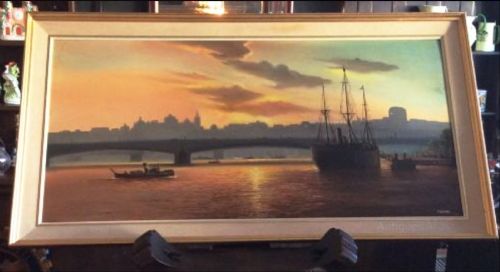
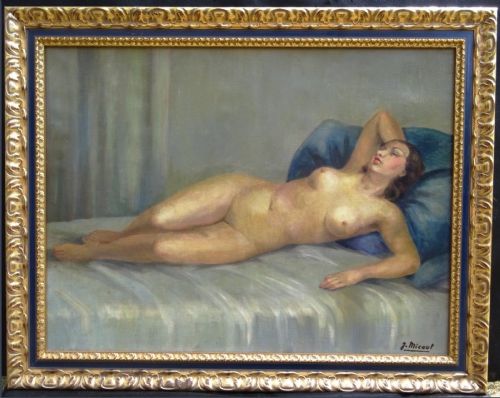
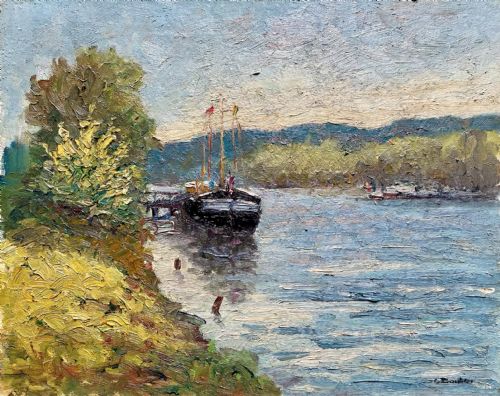
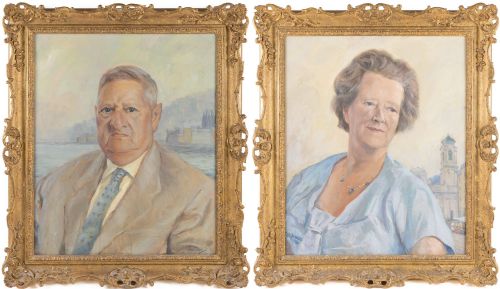
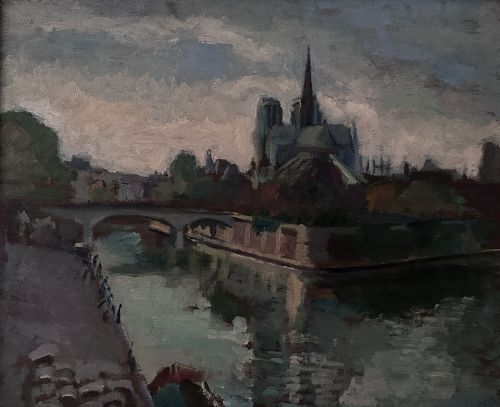
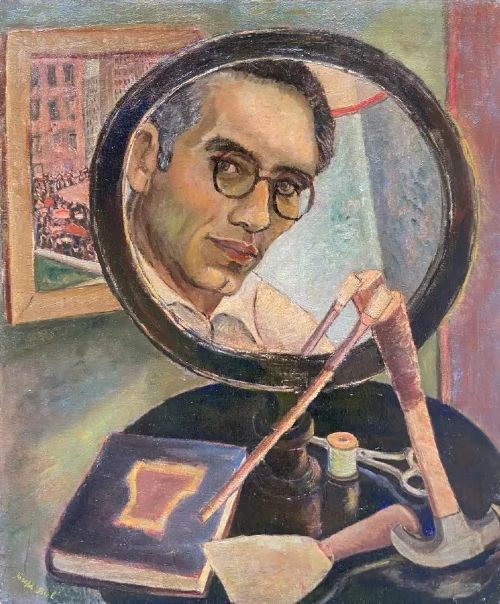
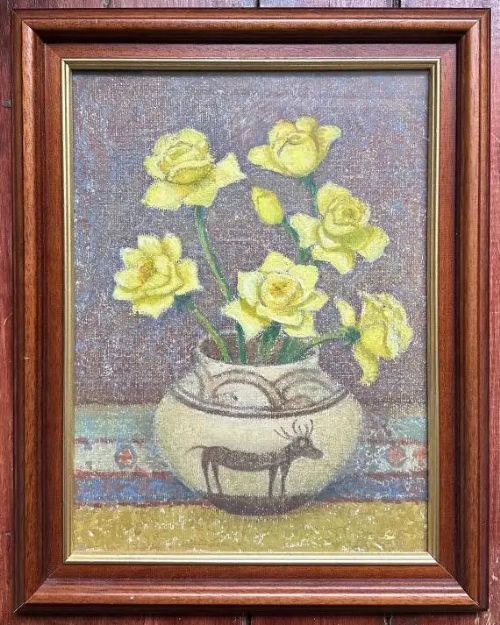
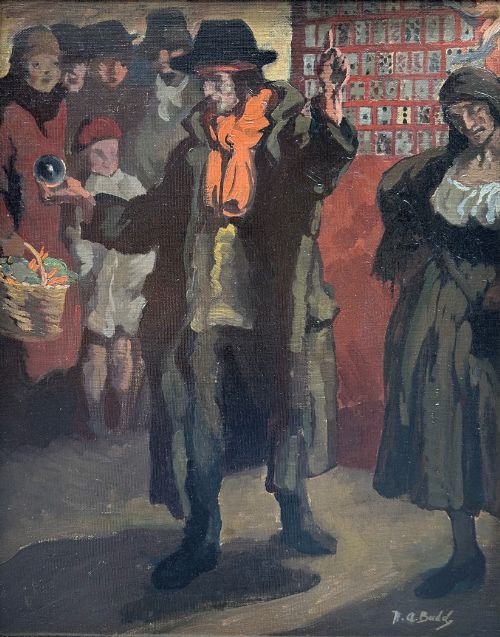
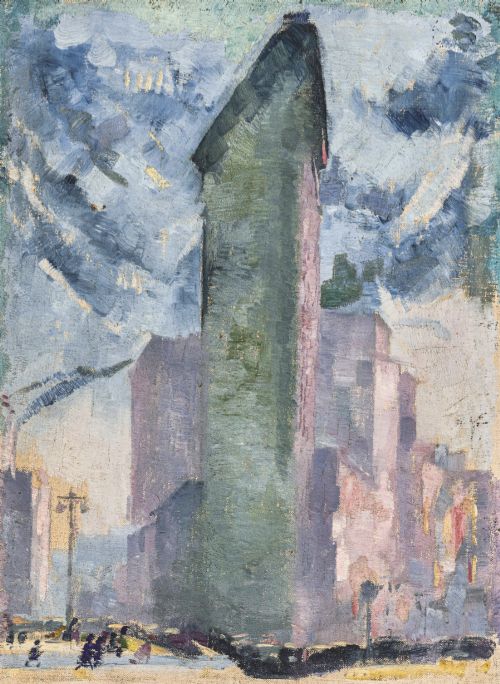
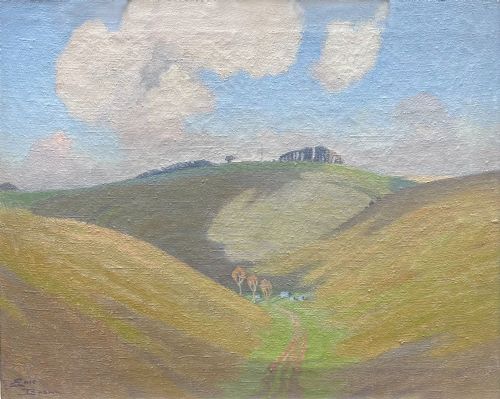
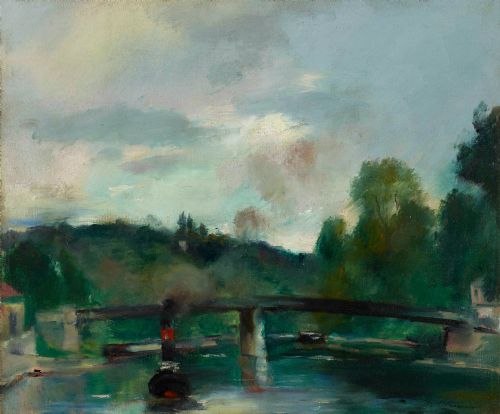
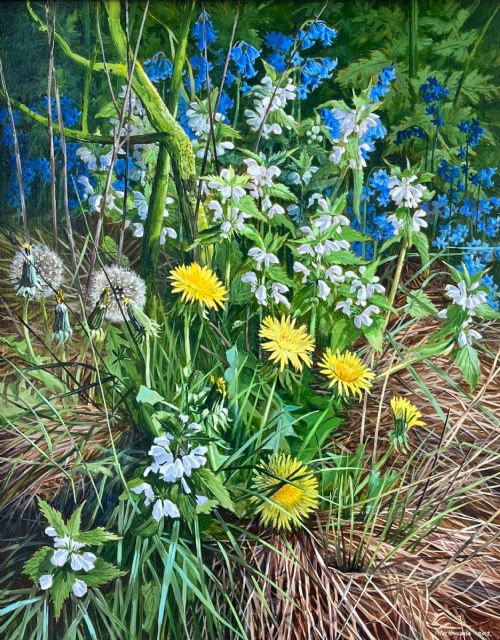
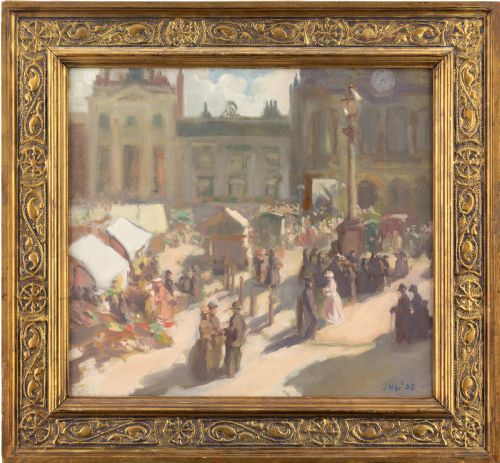
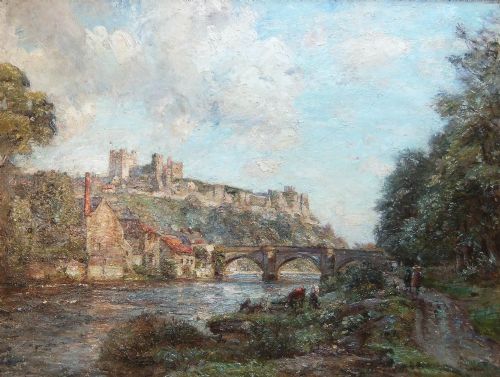
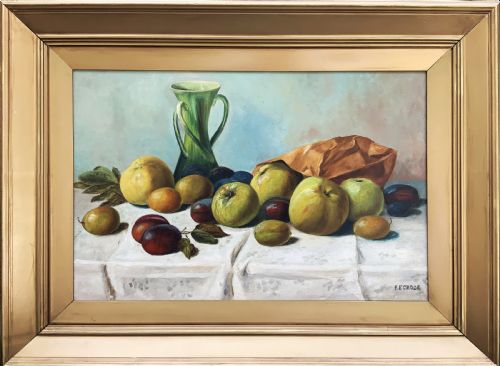
A twentieth century canvas painting captures subjects ranging from coastal marine views and urban Thames panoramas to intimate still lifes and characterful portraiture. These works span Edwardian elegance, Post-Impressionism, Art Deco, and mid-century realism, reflecting the diverse aesthetic shifts of their eras.
The pieces encountered on this page derive primarily from British, French, and wider European traditions, reflecting both regional landscapes and metropolitan life. Works extend from early decades through to mid-century compositions, showing oil applied to stretched fabric support in varied formats.
Materials and construction
These works are executed using oil paint spread across woven canvas stretched over timber frames, occasionally housed within wood frames embellished with gesso mouldings. The combination of oil pigment and textile substrate allowed artists to build rich textures and layered impasto.
Framing often complements the period of the painting, with swept gilt frames and moulded surrounds period-specific to the artwork's creation date. The interaction between the canvas ground and oil medium ensures enduring colour stability over decades.
Listings feature oil paintings on canvas spanning the nineteenth century through to the nineteen-sixties, including wood frames and gesso finishes.
Distinctions in quality
Quality rests upon the artist's handling of light, brushwork confidence, and compositional balance rather than merely the age of the canvas. Finer examples display assured handling of tone and perspective, whether rendering a bustling city street or a tranquil countryside harvest.
The integrity of the canvas support, the preservation of the original oil paint layer without extensive overpainting, and the harmony of any period frame contribute significantly to the standing of an individual piece.
Clifford Hanney·Joseph Biel·Herbert Ashwin Budd·Alfred Wolmark·Henri Ottmann·John Hodgson Lobley·Herbert Royle·Antoine Calbet·Gabriel Dauchot·Septimus Scott·Philippa Maynard Romer·Friedrich von Kaulbach·Merio Ameglio·Jules Rambo·Donald McIntyre·William Grant Murray·S Dennant Moss·Jean Sobieski·Cecil R. Doyly-John·Helmut Reuter·Dion Pears·Paul Schier·Robin MacKertich·Andrew Young
The Twentieth Century Canvas Painting Glossary
- Impasto
- Paint applied thickly to a canvas, standing out in relief from the plane so that brush or palette knife marks remain visible.
- Gesso
- A plaster-like mixture applied to wood frames to create a smooth surface for gilding or moulding.
- Provenance
- The documented history of ownership surrounding a work of art, establishing its authenticity and origin.
- Post-Impressionism
- An artistic movement extending French impressionism while rejecting its limitations, focusing on symbolic content and vivid colours.
Twentieth Century Canvas Painting: Frequently Asked Questions
How should I clean an oil painting?
Dust gently with a soft, dry brush and avoid using water or chemical solvents on the canvas surface. Professional conservation is recommended for deeper cleaning.
Keep paintings away from direct sunlight and excessive humidity to prevent cracking in the oil paint layer.
Are these paintings supplied with frames?
Many pieces retain their original or period-appropriate frames, such as swept gilt wooden moulds or simple surrounds.
Listing details specify whether a frame is included with the individual canvas artwork.
How do I identify the painting's period?
Stylistic markers, artist signatures, and framing techniques often indicate the decade of creation, spanning from Edwardian to mid-century.
Comparative analysis with known works by the listed artists helps confirm the historical context.
Where were these artists active?
The creators worked across Britain, France, Belgium, and Italy, capturing both urban scenes and rural landscapes.
Many exhibited regionally or within metropolitan art societies during the nineteenth and twentieth centuries.