



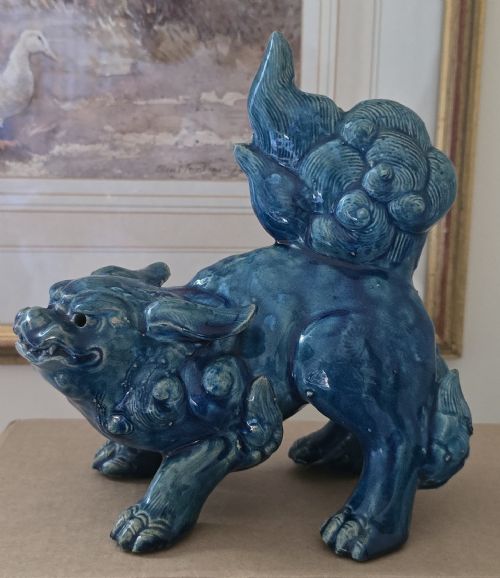


Turquoise Glaze Pottery
Turquoise glaze pottery brings a vibrant, striking colour to interiors through centuries of ceramic artistry, from Victorian majolica to early Chinese vases.
Turquoise Glaze Pottery
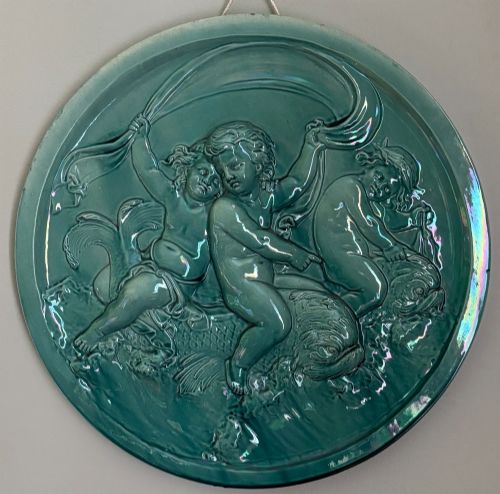
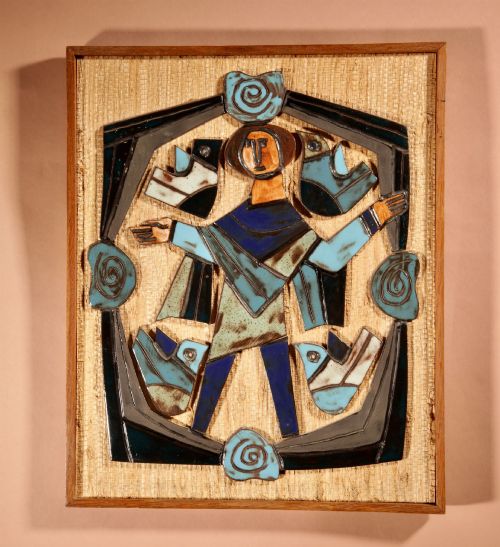
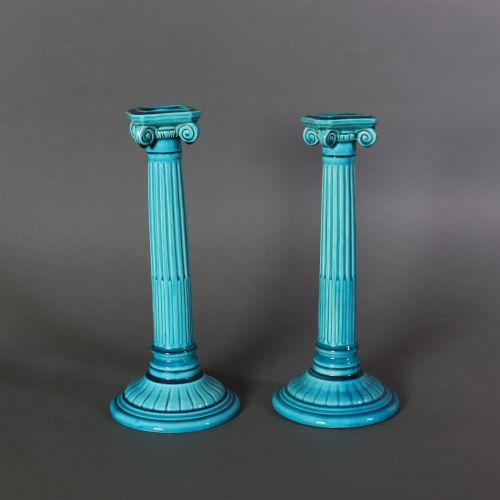
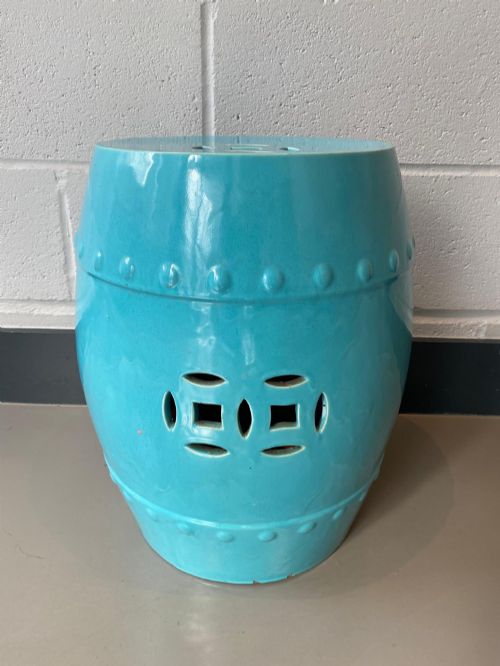
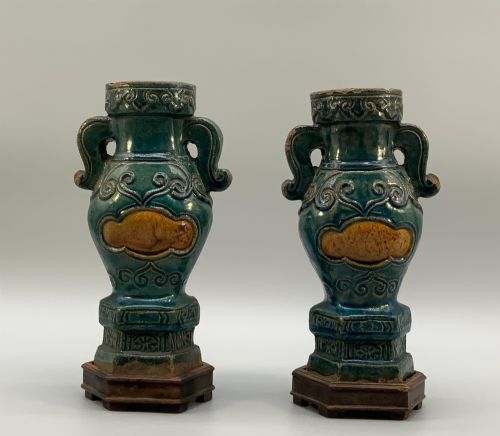
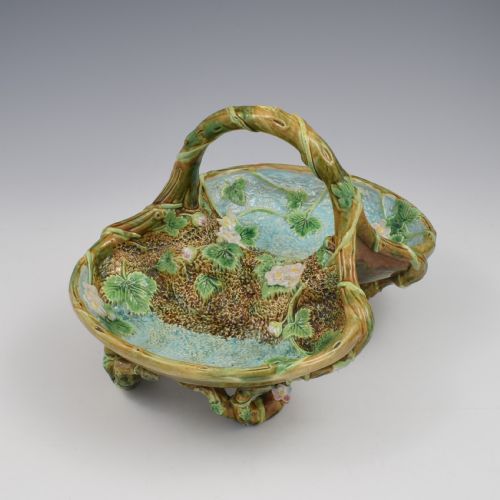
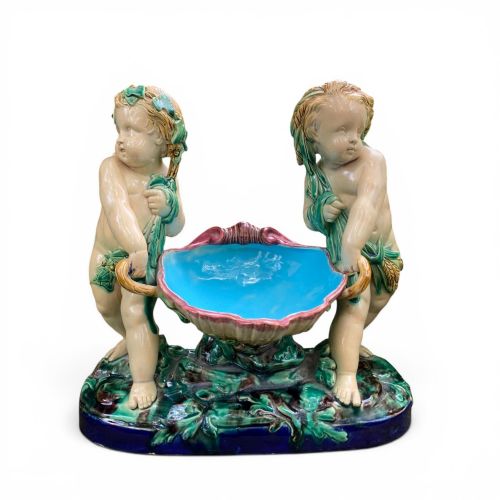
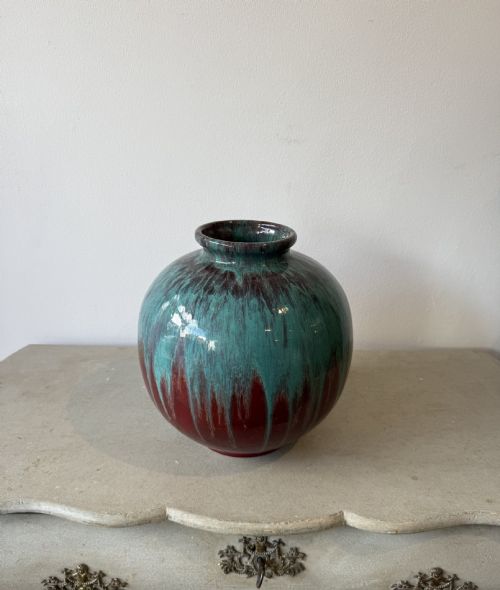
Turquoise glaze pottery encompasses a diverse selection of ceramic objects defined by their brilliant blue-green colour, spanning items from the nineteenth century to the mid-twentieth century. Buyers searching for turquoise glaze pottery will find functional and decorative forms including vases, wall art, garden seats, candlesticks, and centrepieces. The selection on this page leans heavily towards British art pottery, Victorian majolica, and Asian ceramics decorated with distinct turquoise surfaces.
The objects originate from various traditions and periods, ranging from seventeenth-century Chinese Ming dynasty pieces and Persian tiles to Victorian British majolica and French studio pottery. Vases and jardinieres dominate the available forms, often displaying sculptural relief or intricate hand-painted details beneath the glaze. Each piece demonstrates how different makers utilised copper-based glazes to achieve striking colouration across earthenware, ceramic, and fritware bodies.
How they were made
Potters constructed these pieces using earthenware, ceramic, fritware, and faience bodies, often shaping them on a wheel or forming them into complex sculptural figures, baskets, and wall reliefs. The characteristic turquoise colour typically relies on copper oxides applied within the glaze layer during the firing process. Artisans frequently combined this glaze with raised relief decoration, lustre finishes, or contrasting amber and dark tones to accentuate the contours of the ceramic body.
Factories and individual ceramicists employed various techniques ranging from slip casting and moulding to hand-turning and detailed hand-painting. Majolica wares received colourful lead glazes over moulded earthenware, while faience and art pottery utilised specialised kilns to fix vibrant surface glazes. Certain regional traditions, such as Islamic fritware or Chinese ceramics, required precise chemical formulations to achieve the desired translucent turquoise depth.
Turquoise Glaze Pottery Retail Price Guide 2026
Typical asking prices for turquoise glaze pottery among the pieces listed under this phrase on Sellingantiques today, from the lower quarter to the upper quarter. They describe what is for sale here now, not the wider market.
Listings feature turquoise glaze pottery spanning the seventeenth to the twentieth centuries, incorporating earthenware, ceramic, and fritware bodies.
What varies in quality
Quality in turquoise glaze pottery rests upon the depth, consistency, and chemical stability of the glaze itself, alongside the crispness of the underlying modelled detail. Superior examples display an even, luminous colour distribution without excessive crazing, pooling, or dry patches that detract from the visual impact. The precision of the moulding or hand-shaping also separates exceptional studio and factory pieces from standard commercial production.
The artistic ambition of the form and the reputation of the maker heavily influence the standing of an individual piece. Monumental proportions, intricate sculptural additions such as cherubs or mythological figures, and well-documented factory origins elevate certain vases and jardinieres above simpler domestic items. Preservation of the original glazed surface without major restoration remains a primary indicator of desirability.
Minton·Burmantofts Faience·Doulton Lambeth·George Jones·Clement Massier·Longwy
The Turquoise Glaze Pottery Glossary
- Majolica
- A type of earthenware decorated with opaque coloured glazes over a white tin-rich ground, popular during the Victorian era for bold garden seats and ornamental baskets.
- Faience
- Earthenware decorated with coloured glazes, widely produced by late nineteenth-century art pottery manufacturers to create striking vases, candlesticks, and architectural pedestals.
- Fritware
- A ceramic body containing crushed glass or frit, historically utilised in Middle Eastern and Islamic pottery production to achieve a fine, durable matrix beneath turquoise glazes.
- Lustre glaze
- A metallic film applied to ceramics to create an iridescent sheen, often seen on European earthenware from the turn of the twentieth century.
- Jardiniere
- A large ornamental pot or stand designed to hold growing plants or flowers, frequently produced in majolica and art pottery forms.
Turquoise Glaze Pottery: Frequently Asked Questions
How do I date turquoise glaze pottery?
Dating relies heavily on factory marks, ceramic bodies, and stylistic indicators such as Victorian naturalism or Arts and Crafts motifs. Examining the base and the manufacturing technique helps align the piece with documented production periods.
Changes in glaze chemistry and kiln technology across the nineteenth and twentieth centuries also provide reliable clues for establishing an approximate date of origin.
Where were these ceramics made?
These pieces originate from diverse international centres, including British art pottery kilns, French studios, Belgian workshops, and Asian traditions such as Chinese Ming and Qing dynasties. Each region developed distinct methods for preparing clay bodies and applying copper-based glazes.
European factories often reinterpreted historical styles like Islamic Iznik or Alhambra wares alongside contemporary Victorian designs.
How should I display turquoise pottery?
Display these ceramics in well-lit areas where natural light can accentuate the depth and transparency of the turquoise glaze. Placing large jardinieres, vases, or pedestals as focal points allows the bold colouration to complement surrounding interiors.
Ensure that heavier items such as garden seats or monumental vases rest on stable, level surfaces capable of supporting their ceramic weight.
What is the difference between majolica and faience?
Majolica specifically refers to earthenware covered with coloured lead glazes, which became celebrated during the Victorian period for vibrant fruit baskets and figural vases. Faience generally describes tin-glazed earthenware or art pottery decorated with opaque coloured surfaces.
Both categories utilise similar foundational clay techniques but often reflect different aesthetic priorities adopted by nineteenth-century manufacturers.