


Turquoise Enamel Jewellery
Turquoise enamel jewellery brings together brilliant blue vitreous glass and precious metals, offering a striking focal point for any collector.
Turquoise Enamel Jewellery
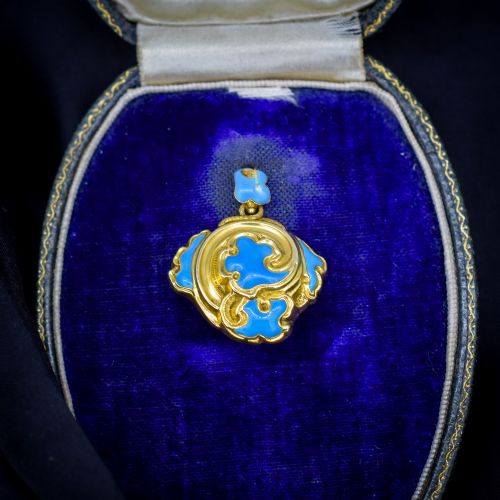
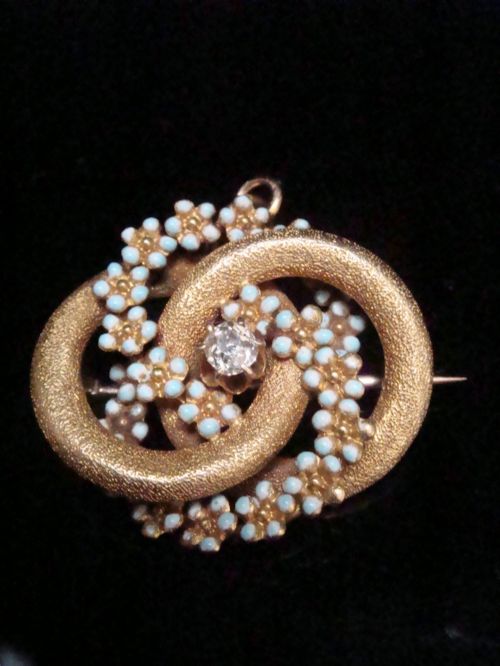
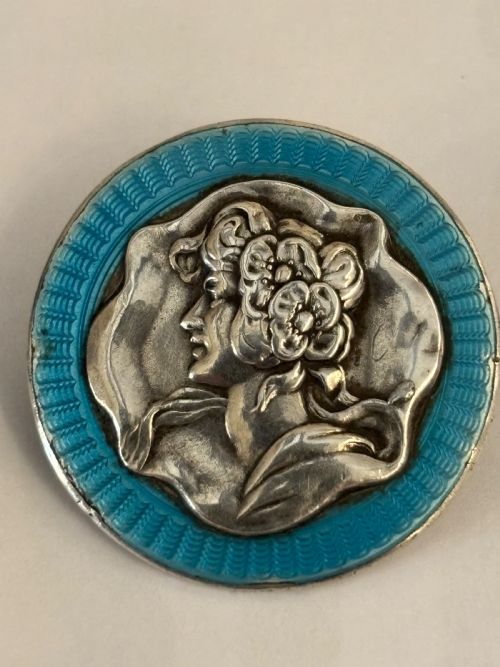
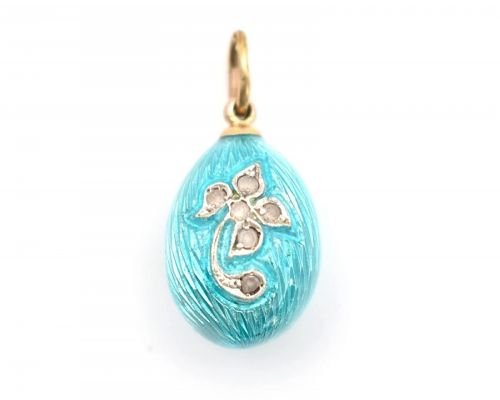
The aesthetic of these items spans multiple distinct design movements, including Victorian, Edwardian, Art Nouveau, Art Deco, and Arts and Crafts. Victorian mourning pieces and lovers' knots sit alongside Scandinavian modern designs and Imperial Russian egg pendants. This variety ensures that every piece carries the specific hallmarks of its originating era.
Pendants and brooches dominate the forms available, often accented with pearls, diamonds, or filigree detailing. Belt buckles and bracelets further broaden the scope of wearable accessories found within this category. Each item demonstrates how jewellers utilised blue enamel to mimic or complement natural turquoise stones.
How they were made
Craftsmen applied powdered glass to metal bases, typically silver, sterling silver, or eighteen-carat gold, and fired them at high temperatures to create vitreous enamel. Guilloche techniques involved machine-engraving the metal surface beneath translucent enamel to produce radiating patterns. Filigree work added delicate twisted wire details around the enamelled sections.
Gemstones such as diamonds and pearls were frequently integrated into the designs, mounted alongside the enamelwork. Hand-painted miniature portraits and cabochons also appeared in select nineteenth-century pieces. These varied techniques combined metalworking proficiency with precise thermal control.
Listings feature items spanning the Victorian, Edwardian, Art Nouveau, Art Deco, and Arts and Crafts periods.
What varies in quality
The refinement of the metalwork and the complexity of the enamel application set individual pieces apart. Fine guilloche engraving beneath translucent enamel creates depth that plain surface colouring lacks. The integration of supporting elements, such as matched pearls or diamonds, indicates higher tier production.
Maker attribution and period authenticity significantly influence the standing of an item. Pieces bearing clear hallmarks from established workshops or identifiable makers demonstrate documented provenance. The crispness of the filigree and the uniformity of the fired enamel surface distinguish finer examples from standard production.
Murrle Bennett·Liberty and Co·Henry Matthews
The Turquoise Enamel Jewellery Glossary
- Vitreous enamel
- A material made by fusing powdered glass to a substrate by firing, usually between eight hundred and eight hundred and fifty degrees Celsius. This creates a durable and glossy coloured surface on metal objects.
- Guilloche
- A decorative engraving technique in which a very precise, intricate repeating pattern is mechanically etched into metal. Translucent enamel is often applied over this work to create shimmering light effects.
- Filigree
- An ornate form of delicate metalwork made with fine wire, usually gold or silver, soldered together. It often creates openwork patterns that resemble lace.
- Cabochon
- A gemstone shaped and polished as opposed to faceted. These smooth, rounded stones are frequently set alongside enamelwork in antique rings and pendants.
- Mourning jewellery
- Wearable items created to commemorate a deceased person, often incorporating dark or blue enamel, hairwork, or miniature portraits. These pieces reflect the sentimental customs of the nineteenth century.
Turquoise Enamel Jewellery: Frequently Asked Questions
How do I date turquoise enamel jewellery?
Dating relies heavily on identifying the metal hallmarks, maker stamps, and stylistic markers associated with specific periods like the Victorian era or the Arts and Crafts movement. Examining the construction techniques and fastening types also provides clear chronological indicators.
Changes in enamel technology and popular motifs across the nineteenth and twentieth centuries help narrow down the year of manufacture.
What is guilloche enamel?
Guilloche enamel is a decorative technique where a metal base is mechanically engraved with geometric patterns before a translucent layer of coloured glass is applied. The underlying engraving shows through the enamel, creating a shimmering, textured effect.
This method was widely utilised during the late nineteenth and early twentieth centuries on items like compacts, brooches, and pendants.
How should I clean antique enamel jewellery?
Cleaning requires gentle care, using a soft cloth dampened with warm water and mild soap to avoid scratching the glass surface. Submerging antique pieces in liquid cleaner or using harsh brushes can damage the delicate metal settings and historic enamel.
Professional evaluation is recommended for pieces with fragile filigree or integrated pearls.
Are these pieces made of solid gold?
Items in this category utilise a range of metals, including sterling silver, nine-carat gold, and eighteen-carat gold. Hallmarks stamped onto the metal components confirm the specific purity of the gold or silver used in each piece.
Markings often include assay office stamps that reveal the town and year of testing.