

Turned Wood Rack
A turned wood rack offers a practical solution for organising hallways and living spaces while displaying the rich grain of traditional timbers.
Turned Wood Rack
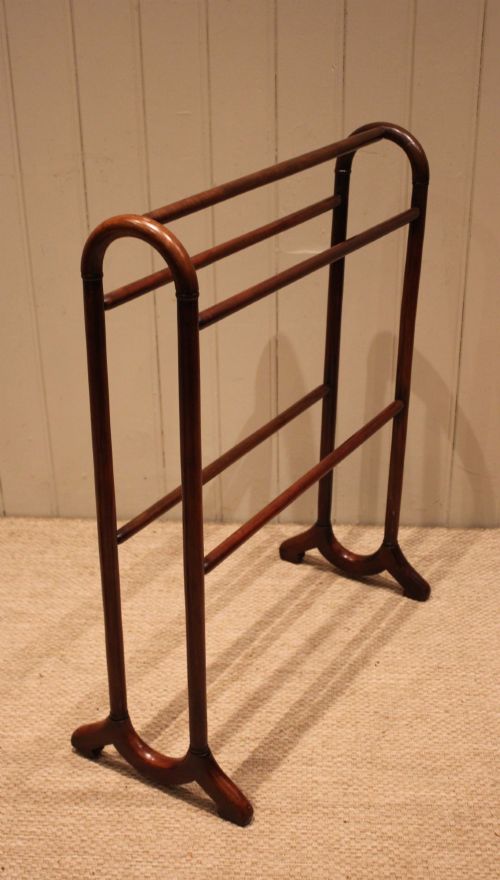
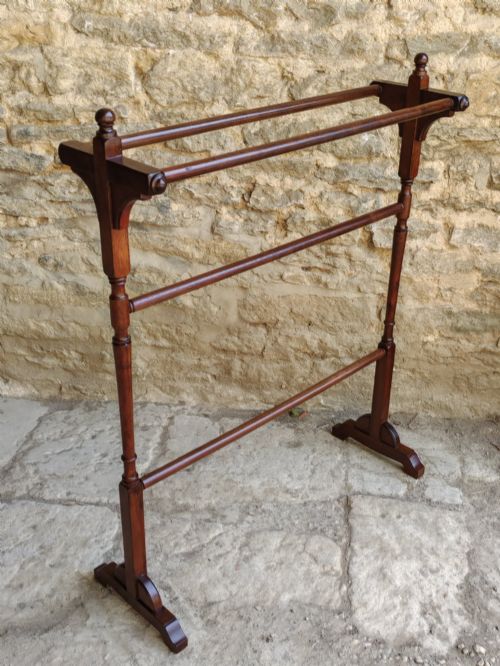
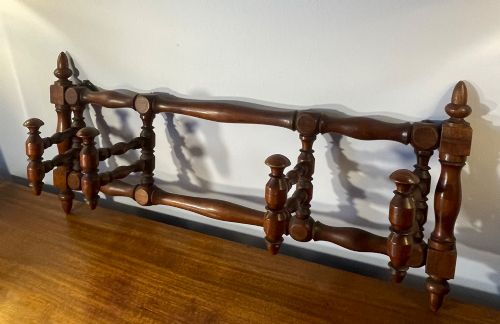
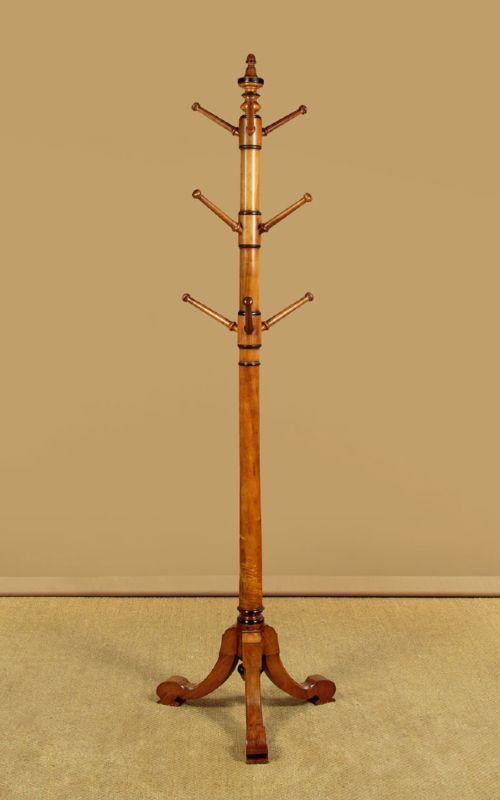
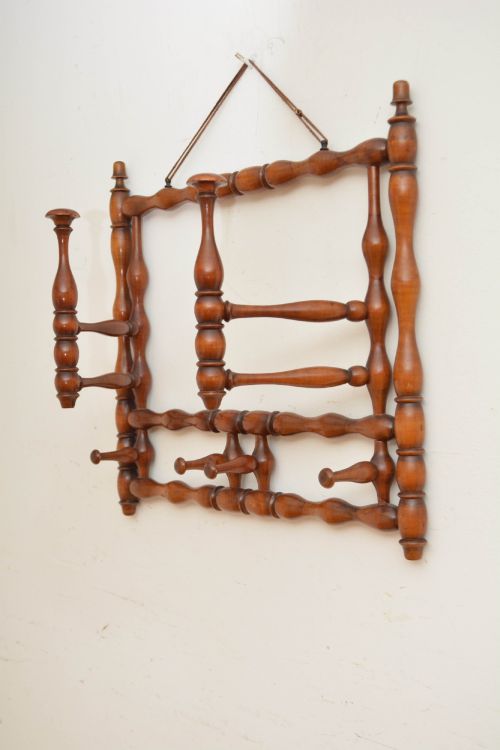
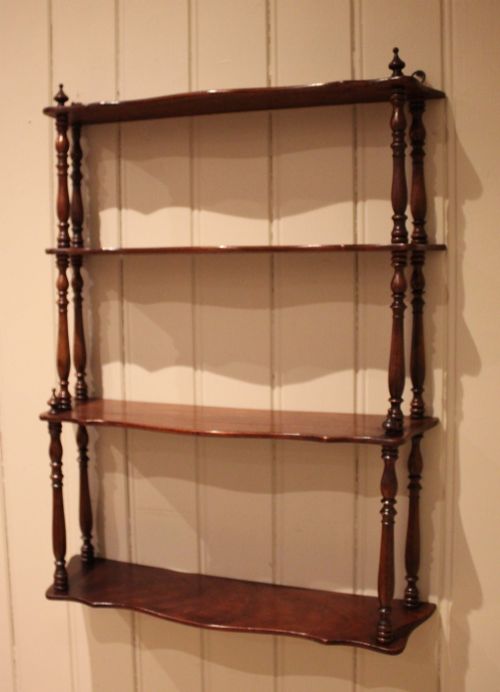
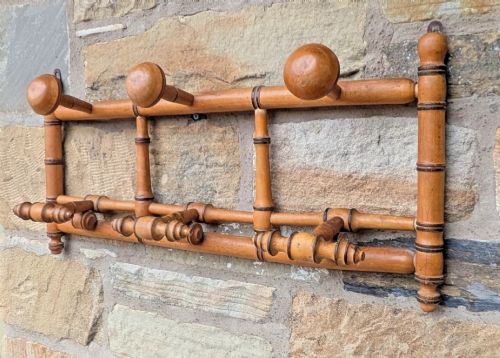
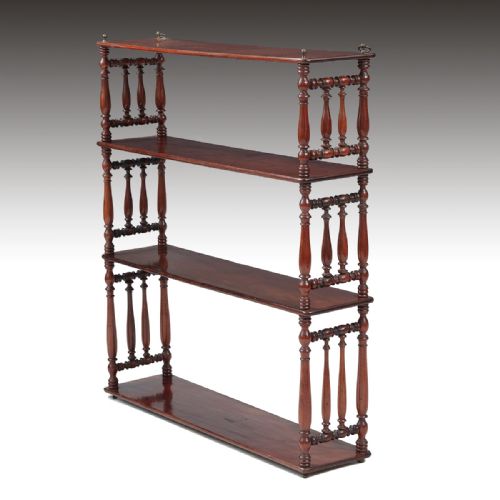
A turned wood rack encompasses several functional household items, including wall-mounted coat racks, freestanding coat stands, and luggage stands. When searching for a turned wood rack, buyers frequently encounter Victorian and Edwardian examples alongside French country designs.
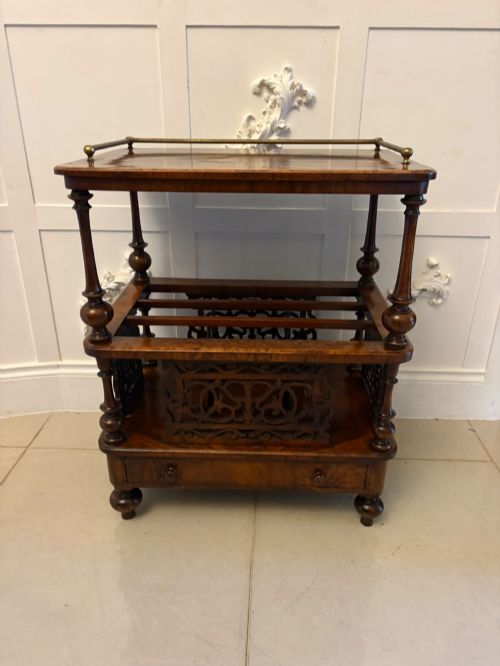
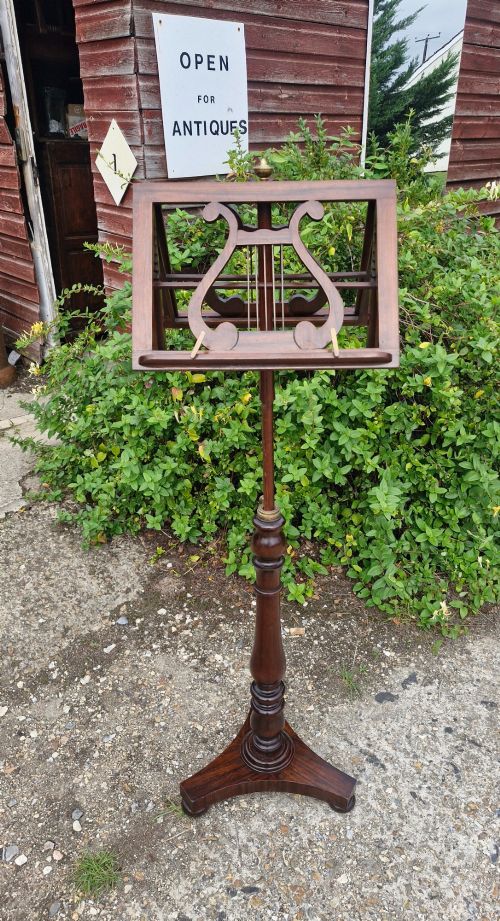
The material selection spans mahogany, walnut, beech, and rosewood, reflecting the preferences of nineteenth-century cabinet makers. These pieces range from compact wall shelves to substantial hall trees and canterburys designed for magazines and books.
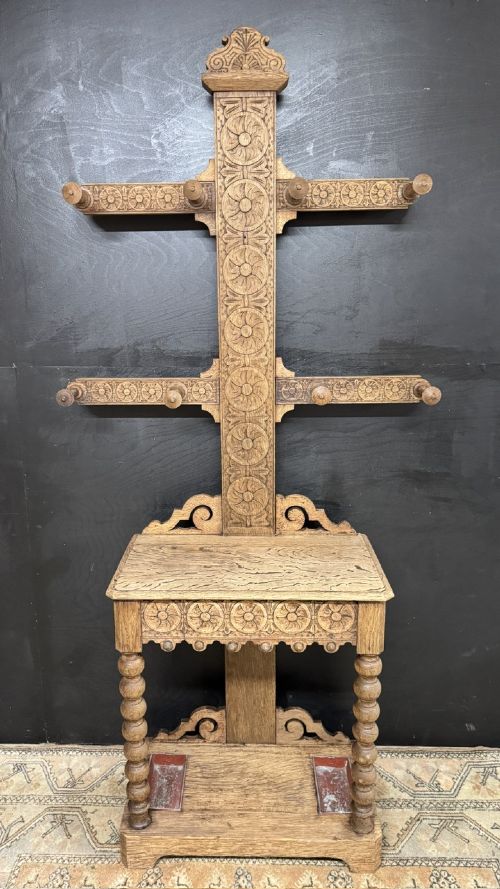
Origins vary from English workshops influenced by Georgian and Regency styles to French provincial pieces featuring bobbin turnings or faux bamboo decoration. Each form serves a distinct domestic purpose, whether holding hats and coats or supporting books in a study.
Assessing Craftsmanship
The distinction between standard utility items and superior examples lies in the crispness of the turning work and the selection of figured timbers. Finely turned spindles and balanced proportions indicate careful workshop execution.
Original hardware, such as swivelling brass hooks or integrated drawer pulls, elevates a piece compared to later replacements. The integrity of the timber and the depth of the polished finish determine the overall presence of the furniture.
Turned Wood Rack Retail Price Guide 2026
Typical asking prices for turned wood rack among the pieces listed under this phrase on Sellingantiques today, from the lower quarter to the upper quarter. They describe what is for sale here now, not the wider market.
Listings feature items from the Georgian, Regency, and Victorian periods, constructed in mahogany, walnut, rosewood, and beech.
Thonet·Brown and Lamont·Gillows
The Turned Wood Rack Glossary
- Bobbin turning
- A form of woodturning characterised by a series of rounded, spool-like shapes resembling bobbins on a thread. This decorative technique appears frequently on nineteenth-century French and English racks.
- Canterbury
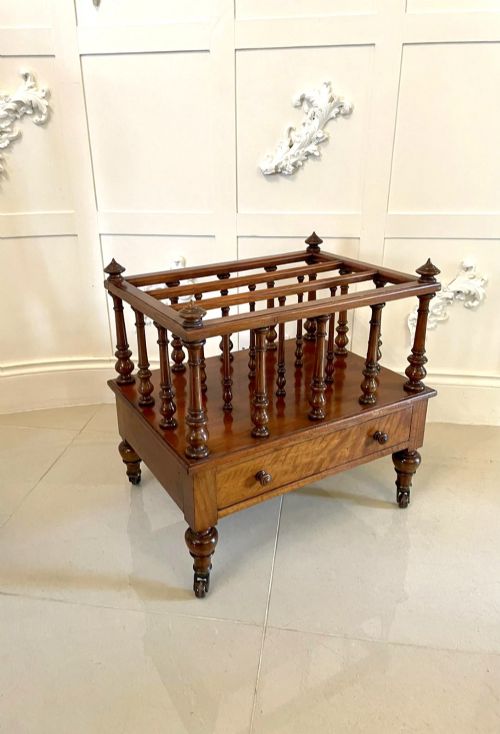
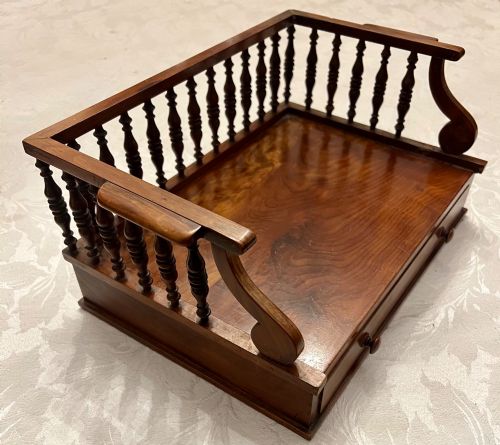
- A low, freestanding wooden stand with partitions, originally designed to hold sheet music or magazines. Many examples feature turned legs and a small drawer beneath the main compartments.
- Bentwood
- Wood that has been rendered pliable by steam and then bent into curved structural forms. This technique created lightweight yet sturdy coat stands during the later nineteenth century.
- Hall tree
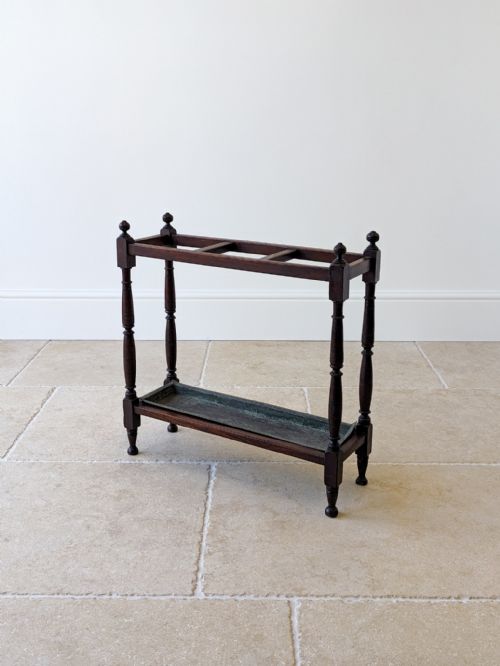
- A tall freestanding piece of furniture designed for entrance halls to hold coats, hats, and umbrellas. They often incorporate mirrors and umbrella wells alongside turned wooden pegs.
- Luggage stand
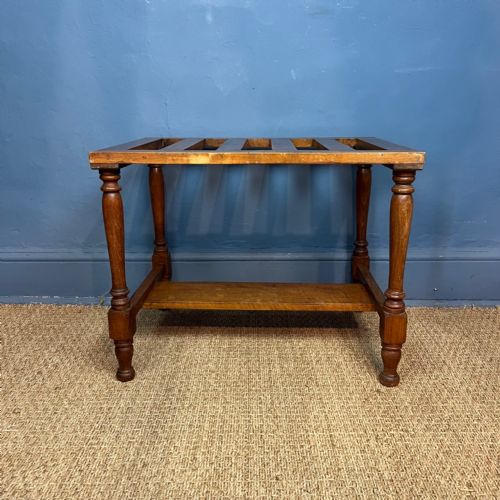
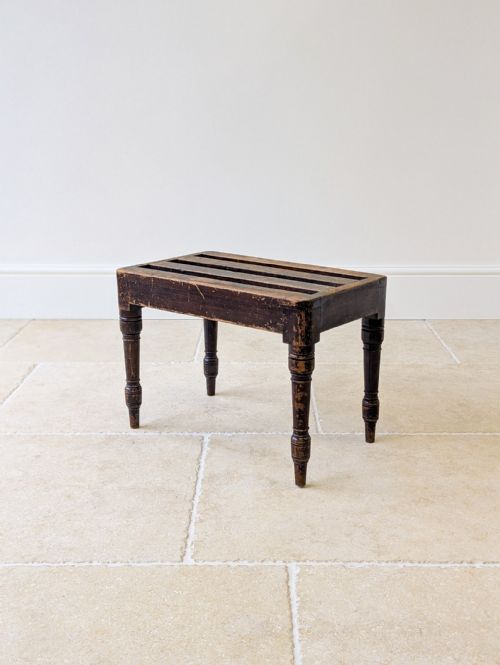
- A low folding or fixed rack with sloped webbing or wooden slats to hold a suitcase off the floor. Sturdy examples are constructed from ash, beech, or mahogany.
Turned Wood Rack: Frequently Asked Questions
What is a turned wood rack used for?
These racks serve practical storage roles in entryways, bedrooms, and living spaces for garments, luggage, and reading materials.
Freestanding and wall-mounted versions organise daily accessories while showcasing period woodworking skills.
How do I identify a Victorian turned rack?
Victorian examples often utilise dense timbers like mahogany and walnut with substantial turned supports and dark polished finishes.
Design details frequently align with nineteenth-century revival styles and functional domestic requirements.
Where should I place a luggage stand?
Luggage stands suit guest bedrooms or dressing areas as a convenient surface for bags and suitcases.
Their sturdy turned frames support everyday weight while maintaining a traditional aesthetic.
What is the difference between a coat rack and a hall tree?
A coat rack typically mounts to a wall with hooks for hanging garments and hats.
A hall tree stands independently on the floor, often combining vertical turned posts with umbrella holders and mirrors.