

Turned Wood Lighting
Turned wood lighting brings tactile warmth to a room through lathe-shaped timber floor lamps, table lamps and candlesticks.
Turned Wood Lighting
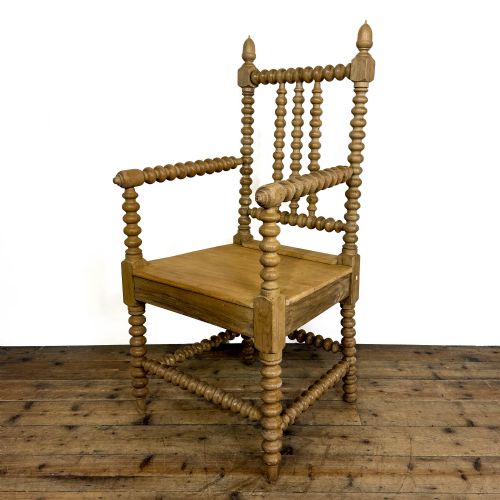
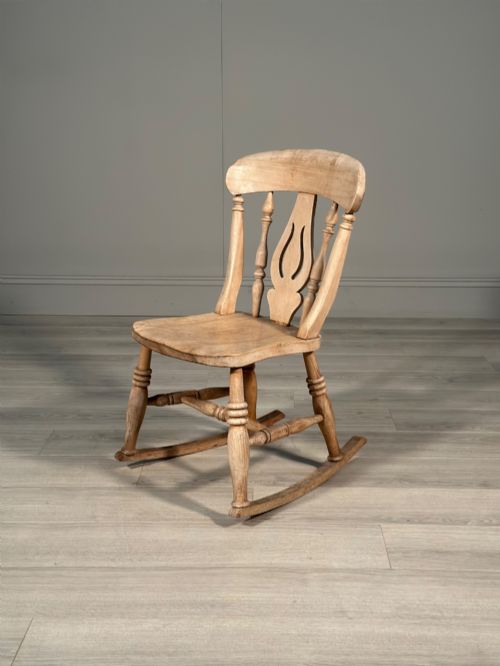
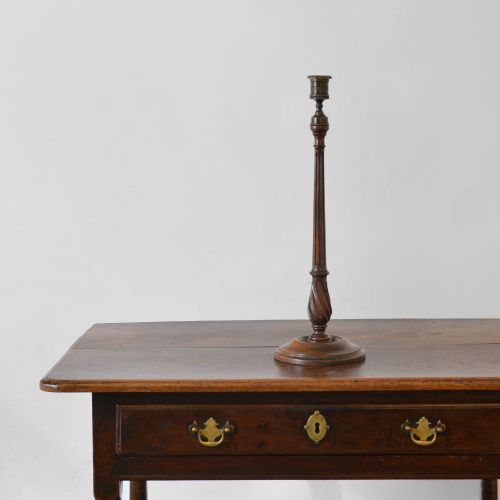
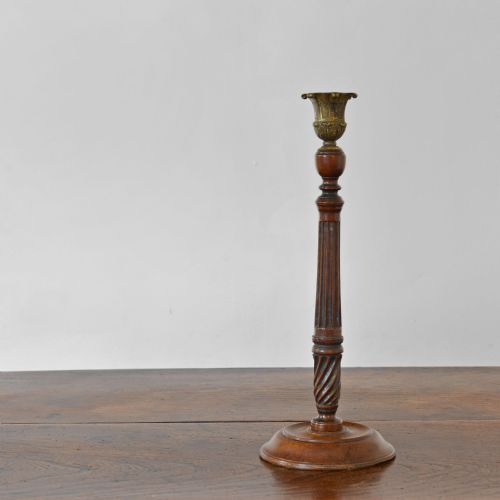
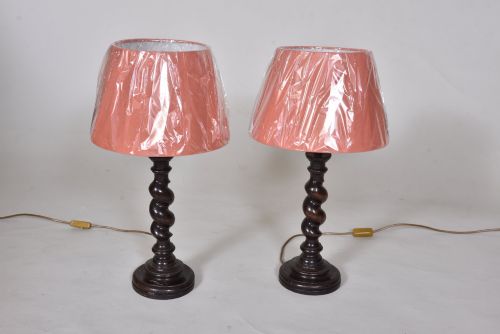
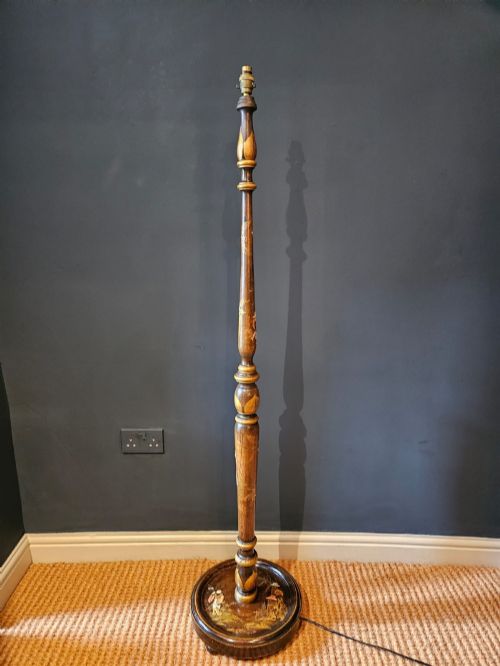
Turned wood lighting encompasses objects shaped on a lathe, primarily consisting of standard lamps, table lamps and candlesticks across this selection. Buyers find pieces dating from the Georgian era through to the 1930s, spanning styles from Victorian and Edwardian to rustic farmhouse and Chinoiserie.
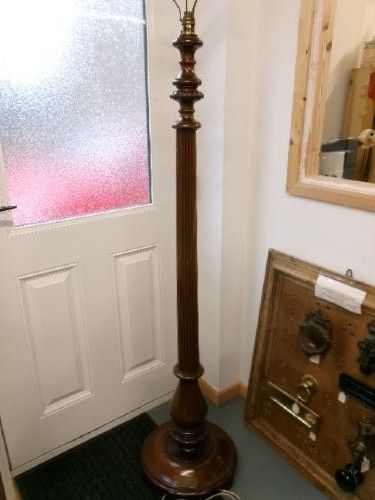
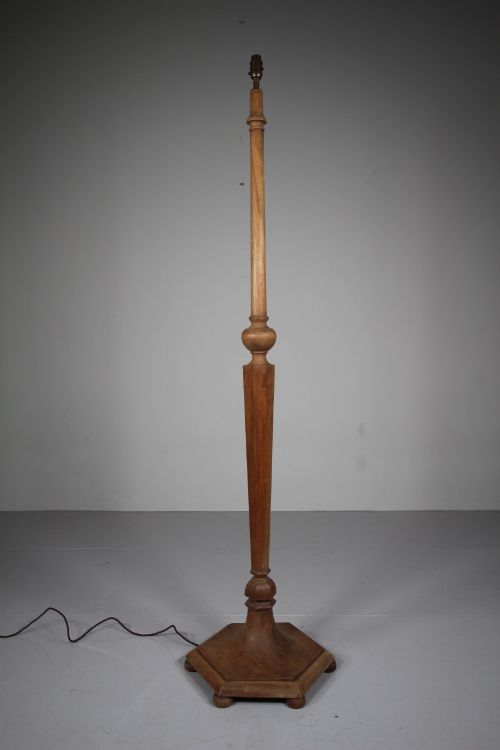
The most common formats on this page are floor-standing standard lamps and smaller table lamps or candlesticks. These items utilise timber bodies shaped with decorative rings, reeding or plain cylindrical turning.
Origins range from domestic English workshops to continental examples, incorporating secondary materials like brass mounts or painted pine finishes. Each piece demonstrates the turning techniques characteristic of its specific period.
How they were made
Craftsmen shaped these items using a lathe, turning raw timber such as oak, mahogany, walnut, satin birch, pine and hardwood into symmetrical columns and bases. Timber selection dictated the weight and grain pattern of the finished lamp or candlestick.
Many items incorporate brass fittings, parcel gilt accents or fabric elements to complement the turned wooden structure. Later adaptations often include electrical wiring integrated into bodies originally designed for candles or oil.
Surface treatments vary from polished mahogany and waxed oak to painted pine and Chinoiserie decoration. These finishes protected the wood while highlighting the precision of the lathe work.
Turned Wood Lighting Retail Price Guide 2026
Typical asking prices for turned wood lighting among the pieces listed under this phrase on Sellingantiques today, from the lower quarter to the upper quarter. They describe what is for sale here now, not the wider market.
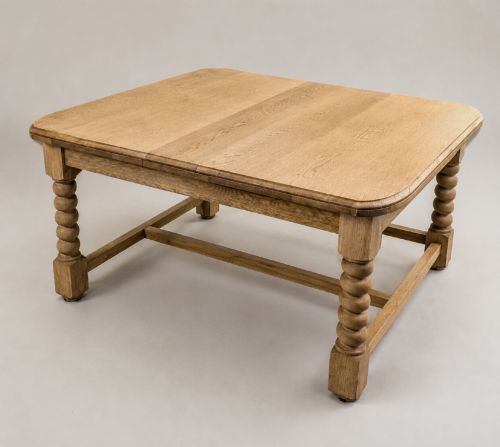
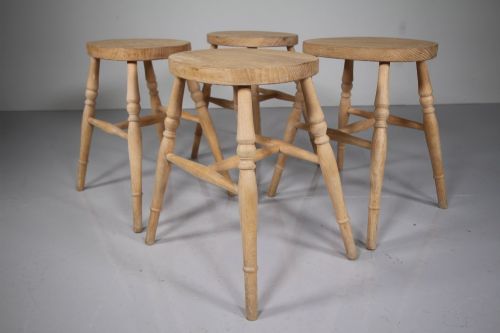
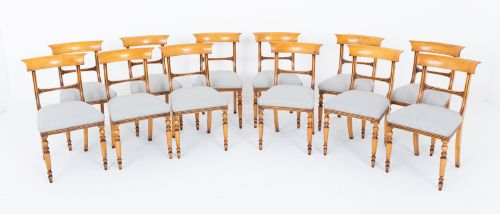
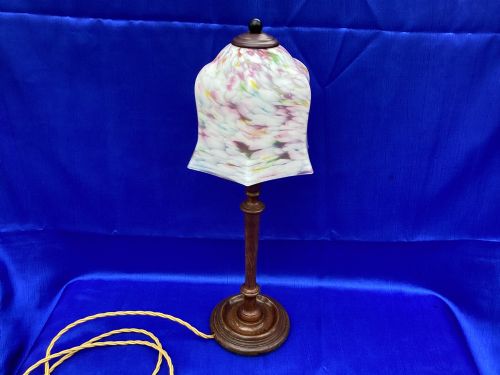
The selection includes floor lamps, table lamps, candlesticks and dining stools incorporating brass and fabric elements.
What varies in quality
The distinction between ordinary and exceptional turned wood lighting lies in the precision of the lathe work and the selection of the timber. Finely articulated mouldings, balanced proportions and dense, beautifully figured woods like walnut or mahogany elevate a piece.
Makers who incorporated thoughtful details such as brass mounts, parcel gilding or hand-painted Chinoiserie decoration achieved a higher standard of craftsmanship. The integrity of the turning and the harmony of the overall silhouette determine the standing of each item.
Heals·Howard and Sons
The Turned Wood Lighting Glossary
- Standard lamp
- A tall floor-standing lamp designed to illuminate a room from standing height. These items often feature heavily turned wooden shafts resting on weighted bases.
- Treen
- Small handmade wooden objects produced before the advent of modern plastics. This term covers domestic items including turned candlesticks and chamber sticks.
- Chinoiserie
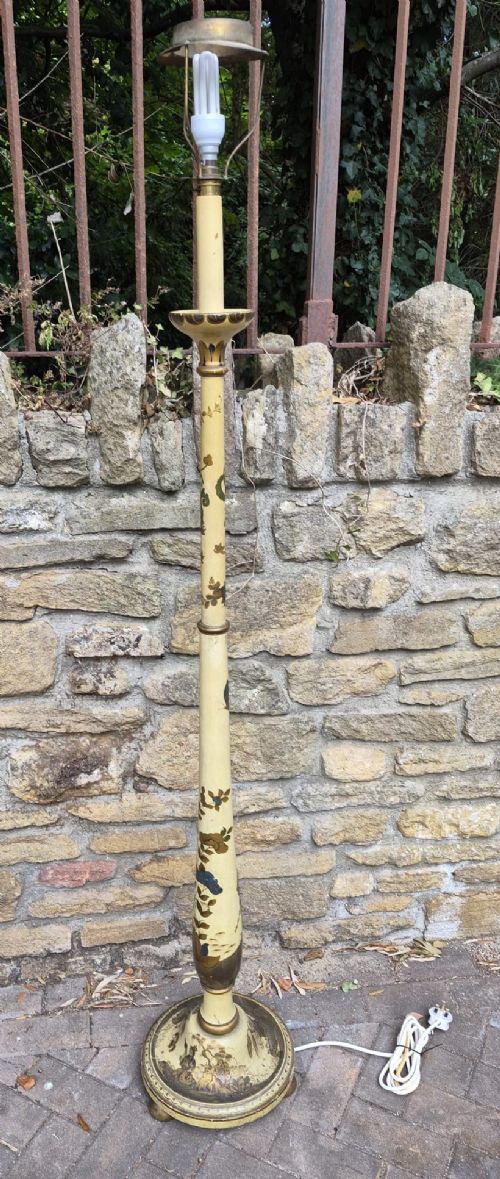
- European decorative motifs inspired by Chinese art and design. This style appears on painted lamp standards from the early twentieth century.
- Parcel gilt
- A surface treatment where selected portions of an object are covered in gold leaf. This technique highlights carved or turned details on wooden lamp bases.
Turned Wood Lighting: Frequently Asked Questions
How do I date a turned wooden lamp?
Dating relies on timber choice, turning style and any integrated metal components. Georgian and Victorian pieces often show denser hardwoods and hand-turned irregularities, while 1930s examples may incorporate modern electrical fittings.
Examining the base and interior fixings provides further clues about the manufacturing period and subsequent rewiring history.
Were these always electric lamps?
Many older turned wood pieces began life as candlesticks or oil lamps before later conversion to electricity. This evolution is common in nineteenth-century and early twentieth-century examples.
Buyers often find twentieth-century standard lamps built specifically for electricity from the outset, pairing wooden columns with fabric shades.
How do I care for turned wood lighting?
Maintaining these pieces requires gentle dusting with a soft, dry cloth to protect the wooden surface and any applied finish. Avoid placing timber lamps in direct sunlight or near heat sources to prevent warping.
Period wiring should be checked by a qualified professional to ensure safety while preserving the original wooden housing.
What woods were used for these pieces?
Craftsmen utilised a variety of native and imported timbers depending on the period and desired finish. Oak, mahogany and walnut appear frequently in formal designs, while pine and hardwood served regional workshops.
Exotic woods like satin birch also feature in specific decorative styles from the late nineteenth and early twentieth centuries.