


Turned Wood Lamp
A turned wood lamp brings warmth and a tactile grain to a room, turning utilitarian lighting into a sculptural object.
Turned Wood Lamp
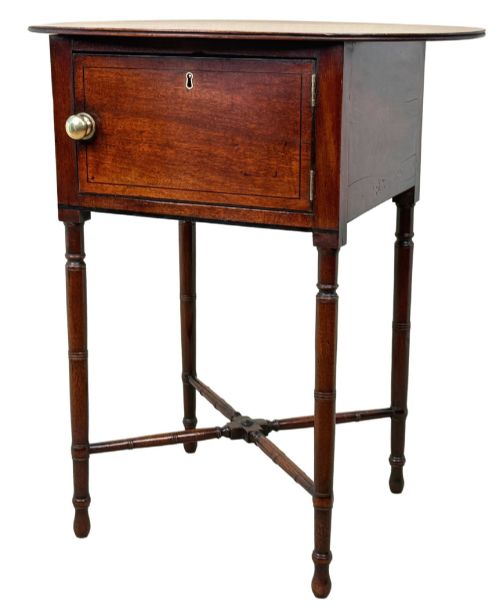
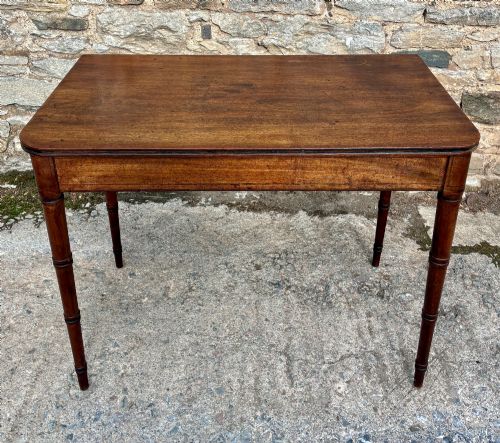
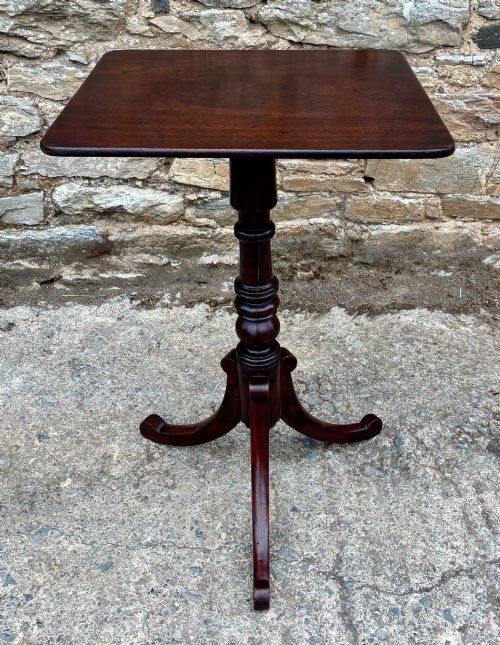
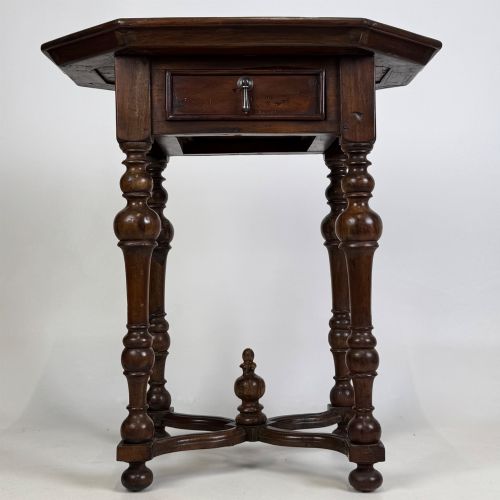
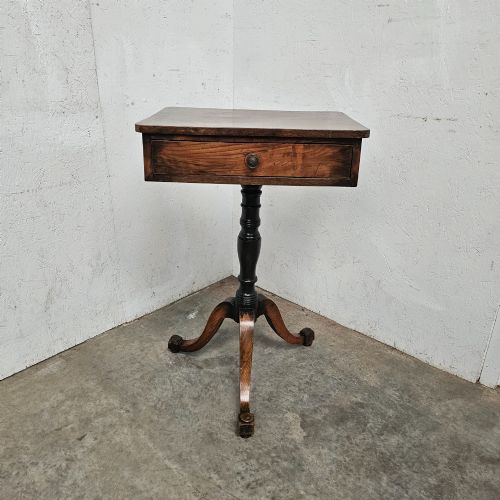
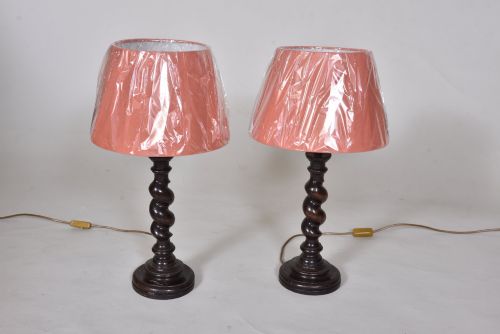
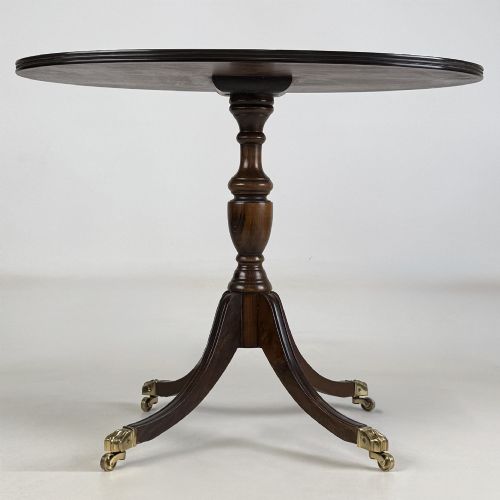
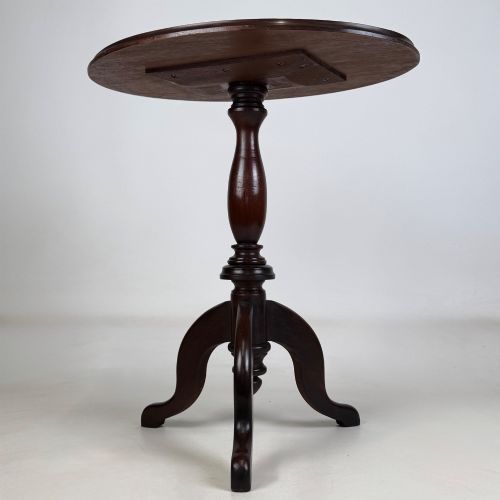
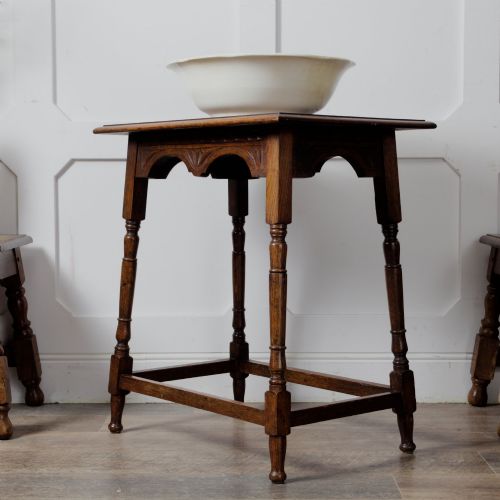
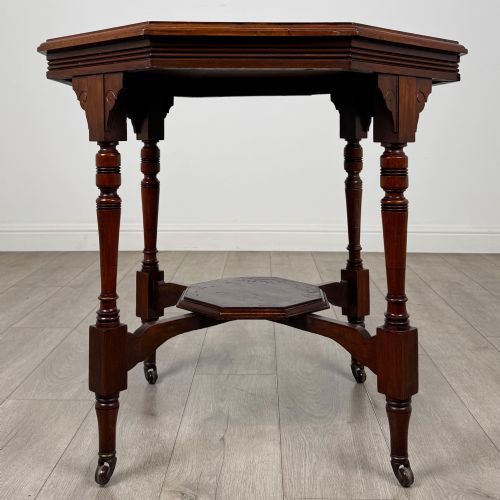
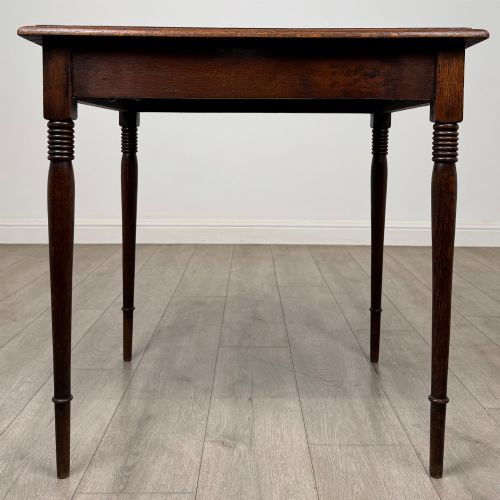
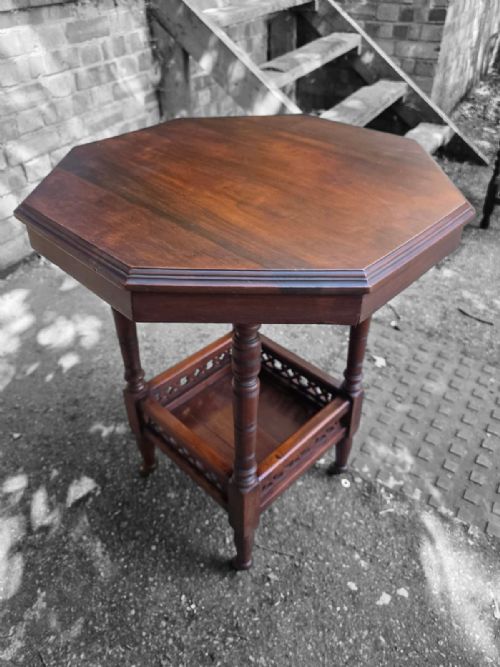
A turned wood lamp is a lighting fixture shaped on a lathe, appearing frequently across periods from the Victorian era to the 1920s alongside related small tables that served similar functional domestic spaces. These pieces emerge from centuries of cabinet-making traditions where cylindrical columns and balusters were formed by rotation against cutting tools. The selection spans standard floor models and smaller table lamp bases, often utilising dense timbers like mahogany, oak, and walnut.
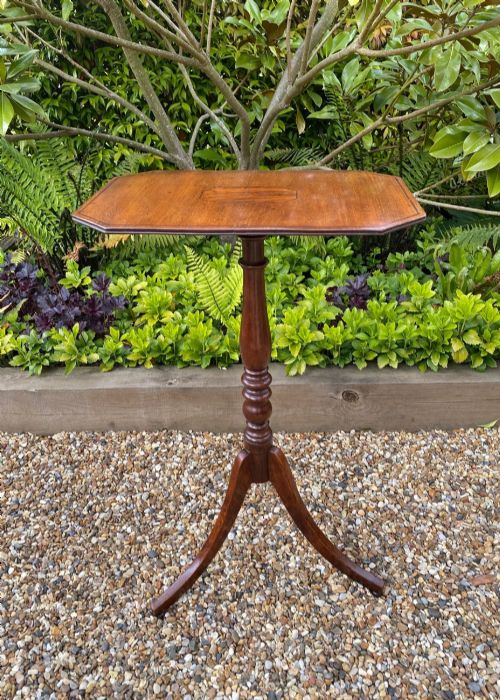
Buyers seeking a turned wood lamp encounter examples ranging from plain Edwardian forms to more decorative pieces incorporating gilt paint or Chinoiserie decoration from the 1920s. Many items share DNA with occasional tables, wine tables, and candlestick conversions, reflecting how domestic woodwork shared similar stylistic turnings. The focus remains on the visible grain and the lathe-cut profile that defines the silhouette of the stem or base.
What varies in quality
Quality in a turned wood lamp rests upon the crispness of the lathe work and the selection of the timber. A superior piece displays sharp, deep undercuts and well-defined reeding or fluting, whereas lesser examples show soft, indistinct profiles where the timber has been rushed through the turning process. The choice of wood also dictates the character, with dense, figured hardwoods holding finer detail than generic softwoods.
Proportion and balance separate standard production items from finer workshop pieces. The transition from the weighted base to the narrow neck must appear deliberate and harmonious, supported by timber that has been properly seasoned to prevent warping along the vertical axis over decades of domestic use.
Liberty of London·William Birch·Druce & Co London
The Turned Wood Lamp Glossary
- Lathe
- A woodworking machine that rotates timber on an axis so that cutting tools can shape it symmetrically. This apparatus makes the curved columns and balusters seen on lamp standards.
- Bobbin-turning
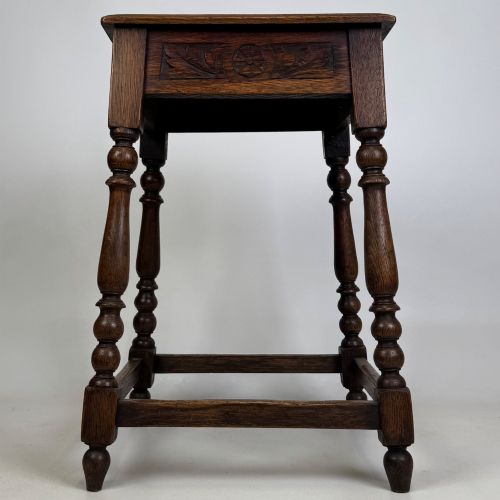
- A style of turning that resembles a string of bobbins or spools along the length of the wood. This decorative profiling appears frequently on 17th-century revival pieces and later adaptations.
- Standard lamp
- A tall floor-standing lighting fixture designed to illuminate a room from a corner or beside seating. These often mirror the height and turning style of torchères or heavy candlesticks.
- Chinoiserie
- European decorative style inspired by Chinese art, typically featuring hand-painted motifs and lacquer. This finish appears on standard lamps from the early 20th century.
- Occasional table
- A small, movable table designed for specific, intermittent use within a room. Many period examples share turned legs that match the aesthetic of contemporaneous lamp bases.
Turned Wood Lamp: Frequently Asked Questions
Were these originally made as lamps?
Many turned wooden standards and bases started as candlesticks, torchères, or table supports before being converted for electrical wiring later in their lifespan. The presence of a central bored channel often indicates the intended use.
When evaluating older floor-standing models, expect to find adaptations where oil or candle hardware was replaced with electrical lamp holders during the 20th century.
What woods were commonly used?
Cabinet-makers utilised dense hardwoods capable of holding crisp details under lathe tools, most notably mahogany, oak, walnut, and elm. These timbers offered the necessary structural strength for tall, slender stems.
Lighter woods or fruitwoods also appear, sometimes painted and gilded to imitate more expensive materials or to suit later decorative tastes like the Chinoiserie style.
How do I style a turned wood lamp?
These lamps integrate easily into interiors by introducing organic texture and traditional craftsmanship to a room. Placing a dark mahogany or oak standard beside upholstered seating anchors the space.
Pairing the turned wooden base with an appropriate fabric shade balances the vertical weight of the timber column, creating a focal point that complements both historic and contemporary furniture.