





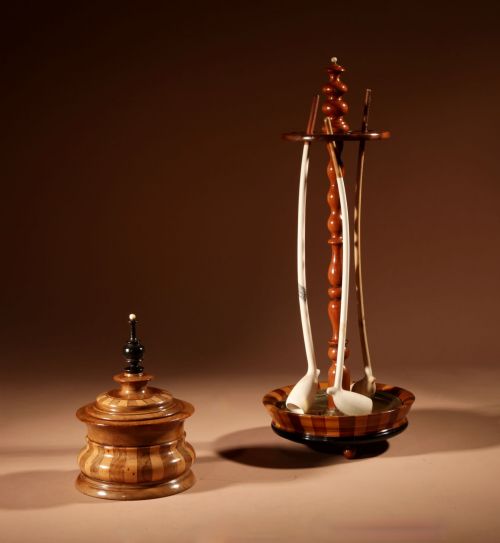
Turned Wood Jar
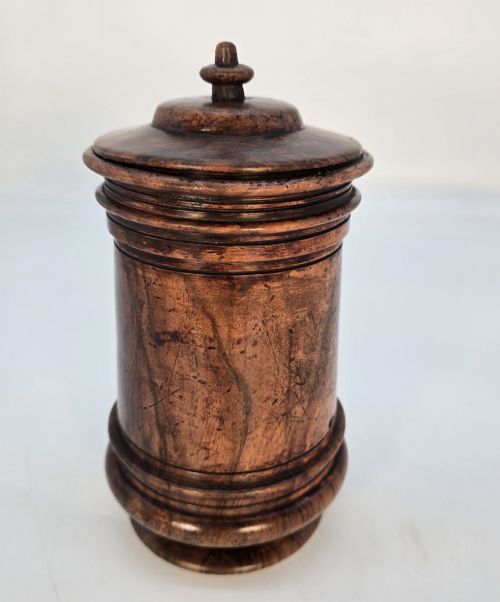
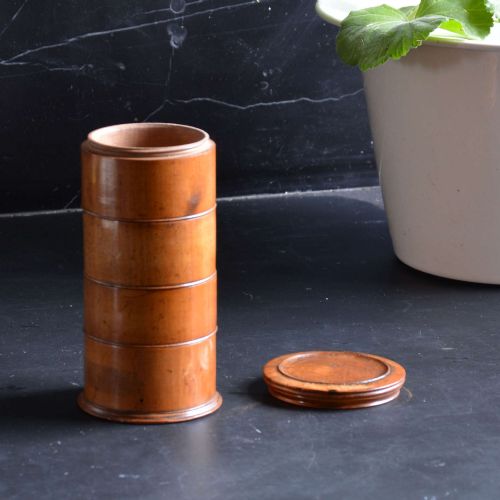
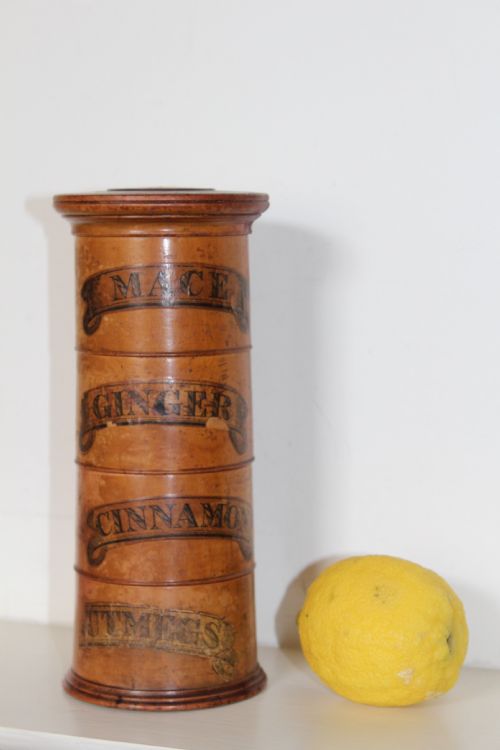
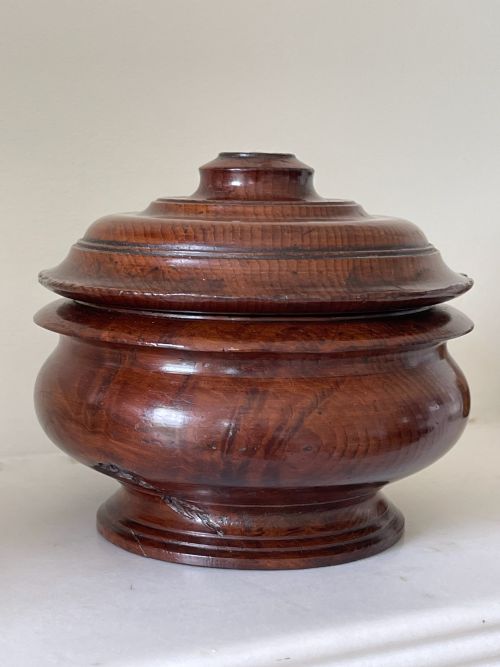
These turned wood jar examples range from small fruitwood spice towers to utilitarian apothecary vessels, prized for their pleasing grain and hand-turned form.
Turned Wood Jar
A turned wood jar encompasses domestic treen, spice towers, and tobacco containers produced primarily during the eighteenth and nineteenth centuries. These pieces served functional roles in the Georgian and Victorian household, holding spices, tobacco, or medicinal items.
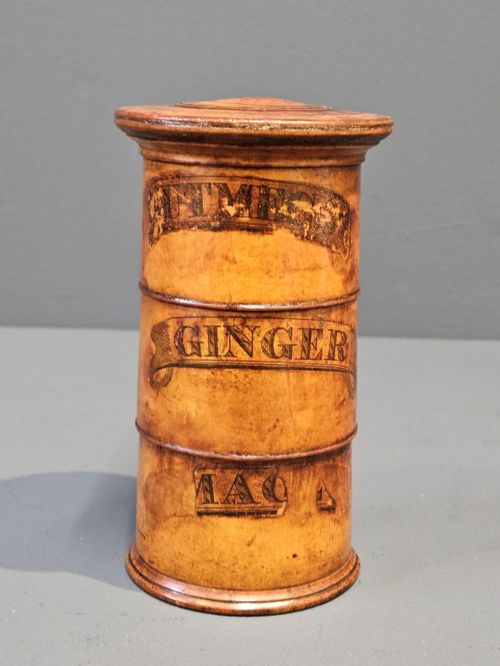
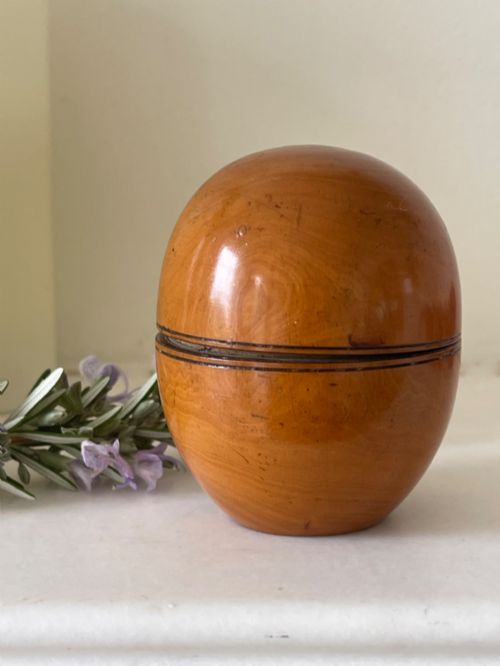
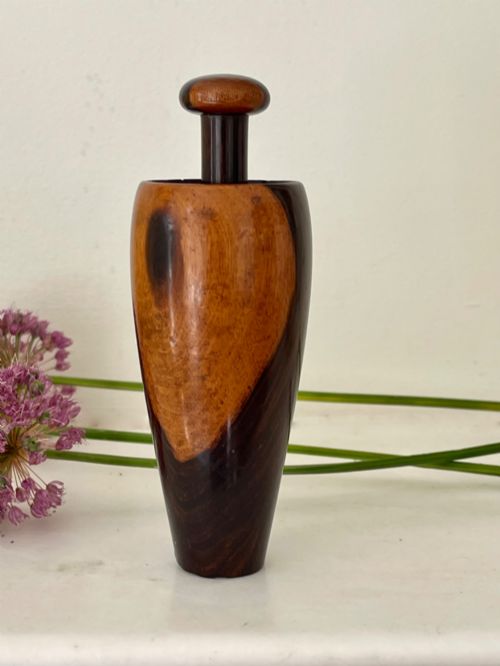
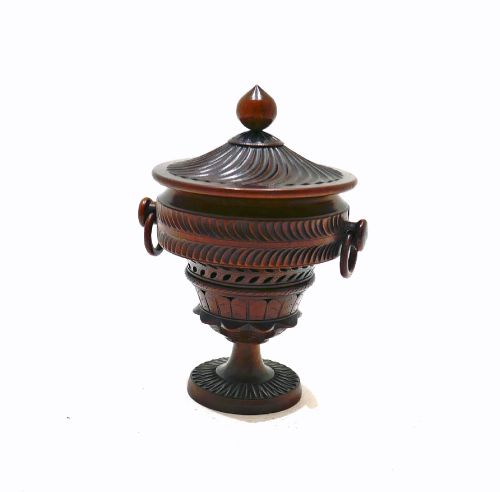
The specimens seen here lean heavily into nineteenth-century domestic treen and primitive forms. Buyers will frequently encounter multi-tiered spice towers and lidded vessels shaped from native hardwoods on the lathe.
Materials and Turning Methods
Craftsmen utilised dense native hardwoods such as boxwood, fruitwood, yew wood, beech, walnut, and mahogany. These timbers were selected for their tight grain and stability when mounted on a lathe.
The body of each jar and cover was turned by hand, resulting in concentric rings, balanced proportions, and fitted lids. Certain utilitarian vessels also incorporated coopered construction methods where individual staves were bound together.
Factors That Separate Examples
Quality rests in the crispness of the lathe turning, the preservation of the original surface patina, and the retention of matching lids or multi-tiered sections. Pieces displaying clear tool marks and balanced proportions stand apart.
The choice of timber heavily influences the character of the object, with figured yew wood or neatly grained boxwood achieving a finer visual impact than simpler utilitarian pine or beech.
The Turned Wood Jar Glossary
- Treen
- Small handmade wooden domestic objects. These items range from kitchen implements to personal accessories.
- Spice tower
- A multi-tiered turned wooden vessel designed to hold various spices. Each section nests or screws into the tier below.
- Coopered
- Made from staves of wood joined edge to edge and bound with hoops. This technique is typical of larger cylindrical vessels and tobacco boxes.
- Pomander
- A small container used for holding aromatic substances or perfumes. In early treen, these often double as lidded cups.
Turned Wood Jar: Frequently Asked Questions
What were turned wood jars used for?
These vessels served everyday storage functions in domestic and professional settings. Households utilised multi-tiered spice towers for culinary ingredients and lidded jars for tobacco or small valuables.
Apothecaries and chemists also employed specialised wooden vessels and mortars for compounding medicines and holding dry preparations.
How do I date a turned wood jar?
Dating relies on observing the tool marks left by the lathe, the style of the turning profiles, and the species of wood employed. Earlier eighteenth-century examples often display softer hand-wrought contours compared to later nineteenth-century production.
Examining the wear patterns, timber shrinkage, and the type of finish or patina also helps establish the period of manufacture.
How should I care for antique turned wood?
Keep wooden objects away from direct sunlight and dramatic fluctuations in temperature or humidity. Excessive dryness causes the timber to split, while moisture damages the historic surface.
Apply a microcrystalline wax sparingly if the wood appears dry, buffing gently with a soft cloth to maintain the natural sheen.
What is treen?
Treen encompasses small, useful wooden objects created for the home before the advent of mass-produced plastics and modern manufacturing. This category includes everything from tableware and boxes to spice towers and small jars.
Collectors prize treen for its tactile quality and the evidence of individual craftsmanship visible on each piece.