



Turned Wood Castor Sofa
A turned wood castor sofa sits on small rolling feet, bringing portable seating and tables from Georgian and Regency parlours directly into modern rooms.
Turned Wood Castor Sofa
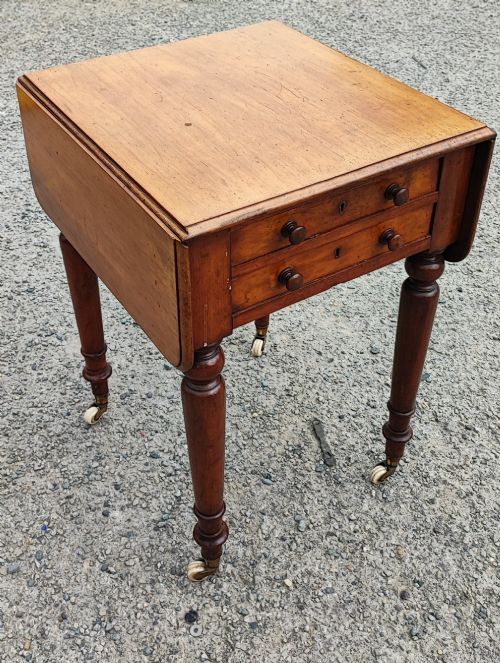
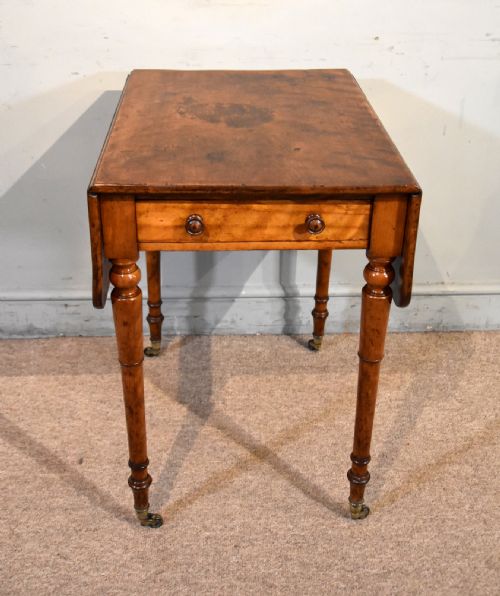
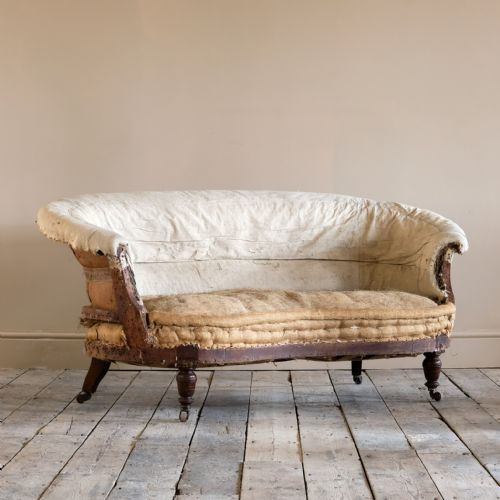
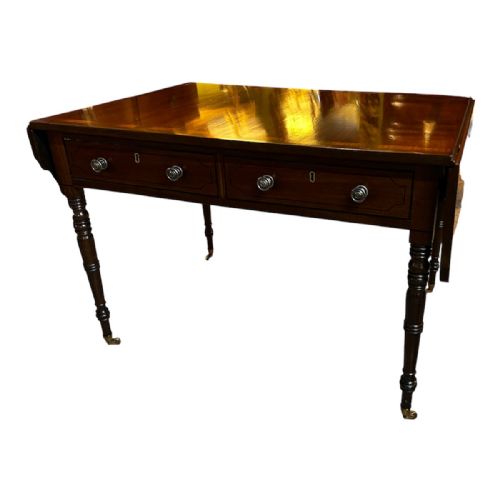
When you search for a turned wood castor sofa, you encounter seating and small tables spanning the Georgian, Regency, and Victorian eras, alongside later country house examples. The selections on this page lean heavily towards mahogany Pembroke tables, drop-leaf surfaces, and upholstered settees resting upon small brass or wooden castor wheels.
Makers fashioned these pieces to move easily across carpets and floorboards as household needs shifted throughout the day. Alongside deep-seated sofas, you find stretcher tables, writing desks, and chaise longue designs featuring turned wooden supports.
Origins stretch from the strict symmetry of the 1800s and Regency periods to the heavier Victorian walnut and 1930s country house comfort. Each piece relies on solid timber frames and functional undercarriages designed for daily domestic use.
Materials and construction
Cabinet makers utilised dense hardwoods like mahogany, rosewood, and satin birch, often figuring the grain on prominent surfaces such as table leaves and sofa frames. Beech served as a sturdy structural timber for internal framing and turned legs.
Castors combined cast brass fittings with small wooden wheels to bear the weight of heavy tables and upholstered seats during relocation. Upholstered pieces employed traditional fillings secured beneath calico and hessian before finishing with decorative textiles.
Deception tables provided hidden writing compartments, letting Regency letter writers conceal their correspondence beneath fold-down Pembroke leaves.
Judging quality in turned wood furniture
The distinction between standard domestic output and exceptional workshop production lies in the crispness of the turned woodwork and the selection of figured timber veneers. Superior tables and seating display harmonious grain matching across drop leaves and smooth, integrated hinge mechanisms.
Subtle details such as original brass castor mountings, finely proportioned stretcher rails, and tight joinery elevate a piece above simpler utilitarian items from the same period.
Johnstone and Jeanes·Hampton & Sons
The Turned Wood Castor Sofa Glossary
- Pembroke table
- A small drop-leaf table with hinged flaps on either side, designed for occasional dining or writing. These often feature single drawers and turned legs mounted on castors.
- Sofa table
- A rectangular occasional table longer than it is wide, traditionally placed in front of a sofa. They typically include drop leaves and double pedestals or four turned legs.
- Castor
- A small swivelling wheel attached to the base of furniture legs for ease of movement. Georgian and Regency examples frequently paired brass sockets with timber wheels.
- Stretcher
- A horizontal support member connecting the legs of a table or chair for added stability. Victorian and earlier makers shaped these to reinforce turned wooden structures.
- Calico
- A plain-woven cotton fabric used historically as an initial layer for upholstery work. It held traditional stuffings in place before the final outer textile was applied.
Turned Wood Castor Sofa: Frequently Asked Questions
What is a Pembroke table?
A Pembroke table is a compact drop-leaf table featuring hinged flaps on two opposing sides. They were built for versatility, serving as writing desks or occasional breakfast tables in smaller rooms.
Most examples include a single drawer and rest upon turned legs fitted with castors for easy repositioning.
Why do these tables have castors?
Castors allowed servants and homeowners to move heavy mahogany and rosewood furniture across heavy carpets without damaging floors. They provided practical flexibility in formal rooms where layouts changed frequently.
Original brass and wood castors indicate that a piece retains its intended mobility and hardware.
How do I date a Regency piece?
Regency items date from the early nineteenth century and typically display classical restraint combined with rich dark timbers like mahogany and satin birch. Look for clean turned wood supports and understated brass mounts rather than heavy carving.
Proportions tend to remain balanced and functional, reflecting the neoclassical tastes of the period.
How do I care for antique mahogany?
Antique mahogany requires gentle dusting with a soft, dry cloth and protection from direct sunlight and extreme temperature fluctuations. Avoid modern silicone polishes that can build up and dull the historic timber finish.
Maintaining stable room humidity prevents the wood and secondary veneers from drying out or splitting.