

Turned Leg Wooden Table
A turned leg wooden table brings a tactile warmth and structural rhythm to a room, rooted in centuries of timber-working tradition.
Turned Leg Wooden Table
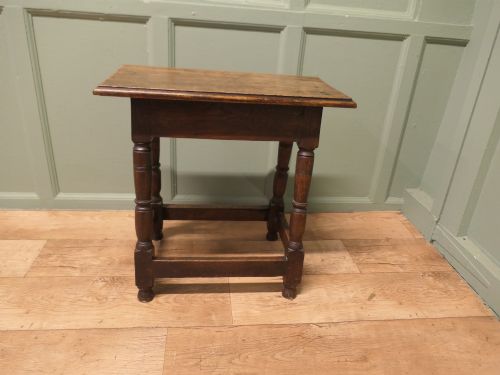
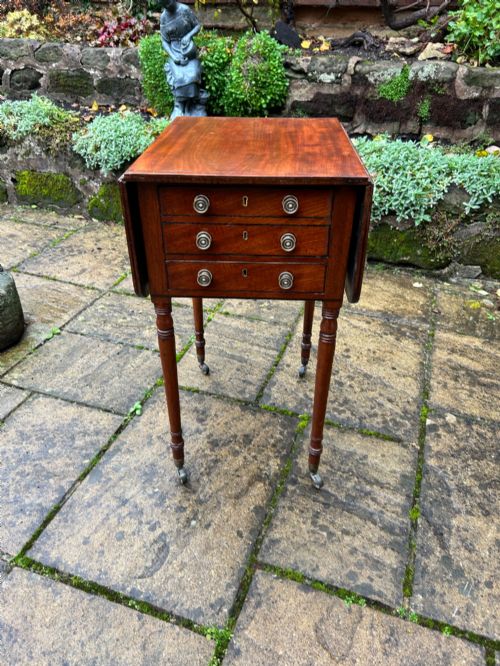
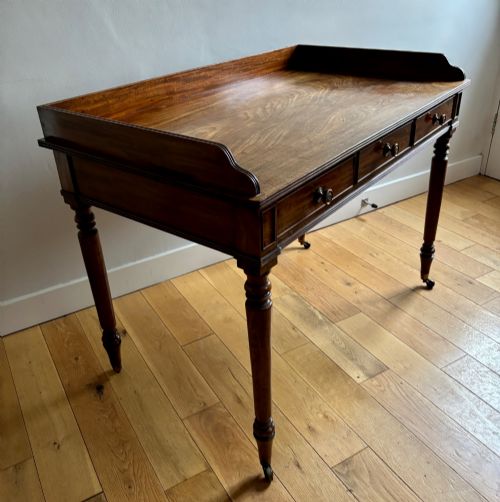
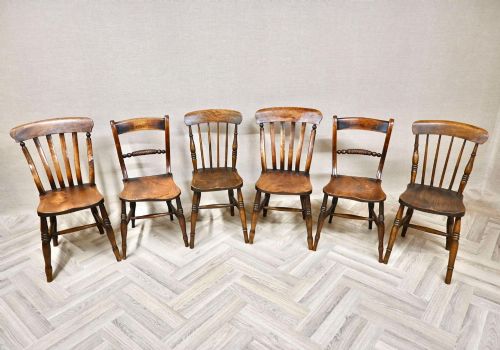
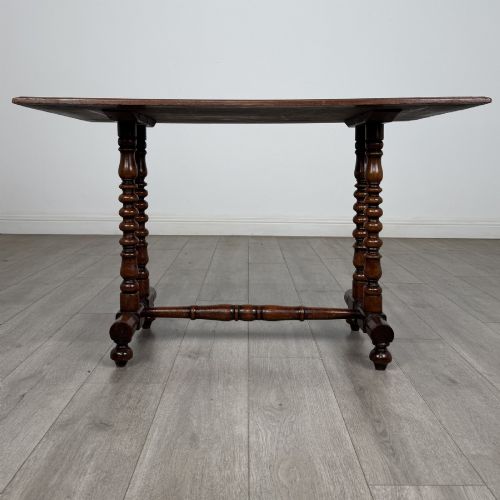
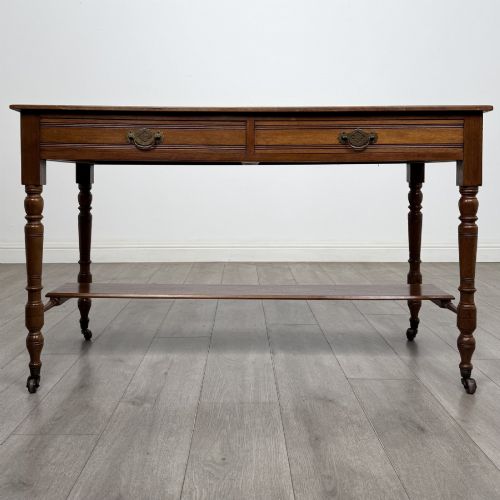
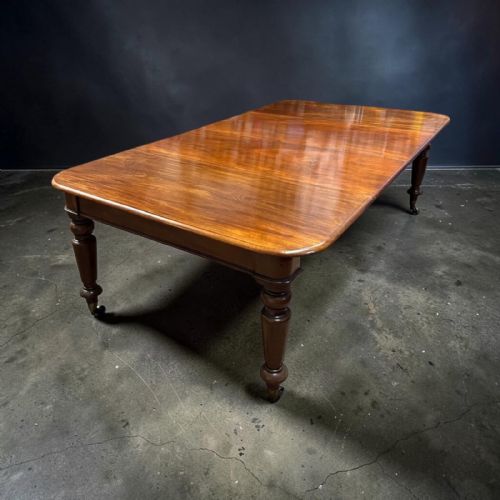
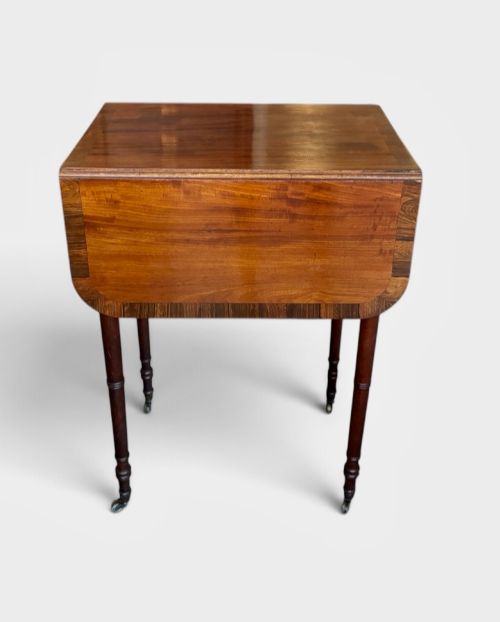
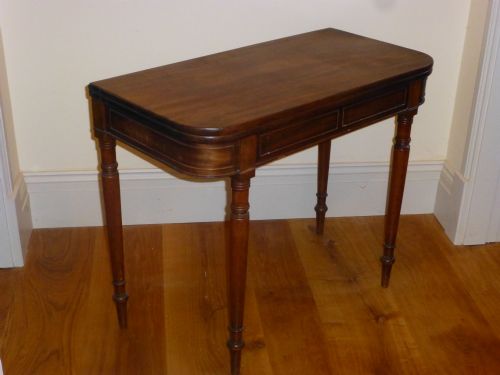
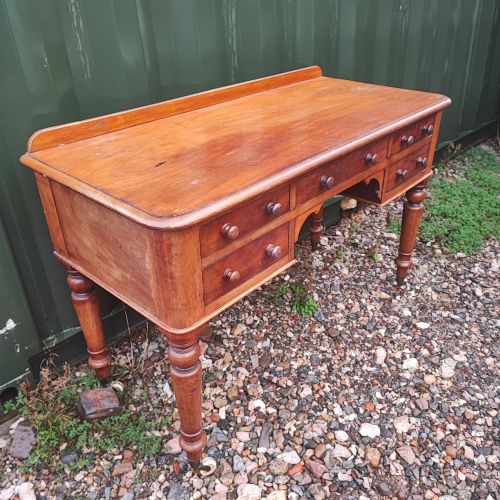
When you search for a turned leg wooden table, you encounter a wide array of domestic furniture spanning several centuries, primarily dining tables, side tables, and writing desks. These pieces showcase supports shaped on a lathe, ranging from simple bobbin forms to elaborate ring-turned and baluster profiles.
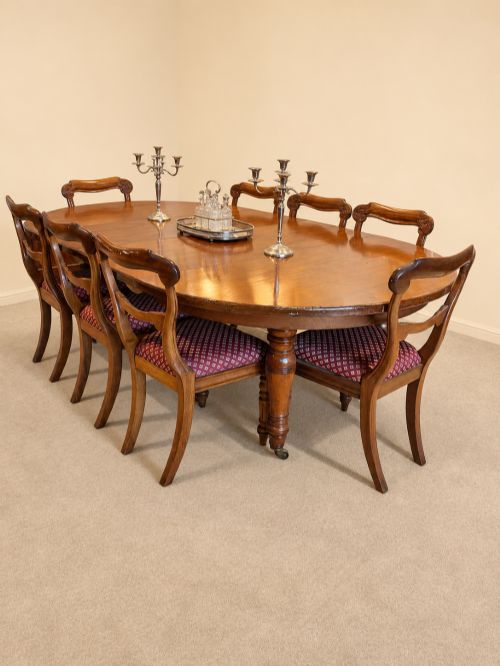
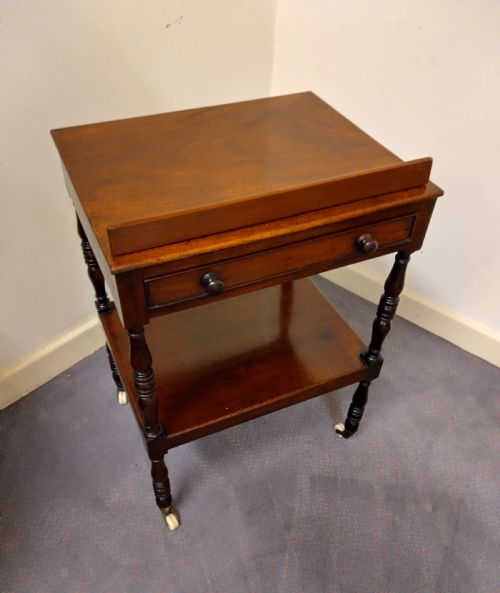
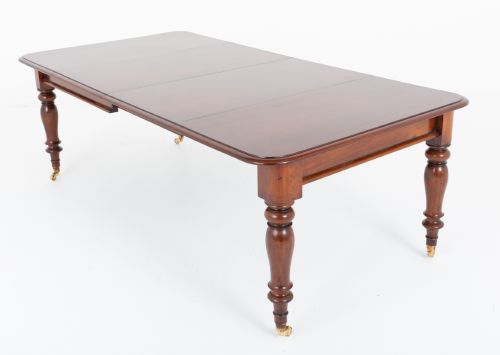
The selection here encompasses periods from the 17th century through to the Edwardian era and the 1920s, with strong representation from Victorian and Georgian makers. Forms vary from extending dining tables with winding handles to small lamp tables, occasional tables, and drop-leaf designs.
Originating largely from British workshops alongside continental examples in walnut, oak, and mahogany, these tables served practical daily functions in kitchens, libraries, and parlours. Today, buyers seek them for their honest construction and the distinct character imparted by hand-turned wooden supports.
How they were made
Cabinet makers and joiners utilised dense native and imported timbers such as mahogany, oak, walnut, elm, and pine, selecting each wood for its grain pattern and structural strength. Table tops were frequently built from single wide planks or jointed boards, supported by frames joined with traditional methods.
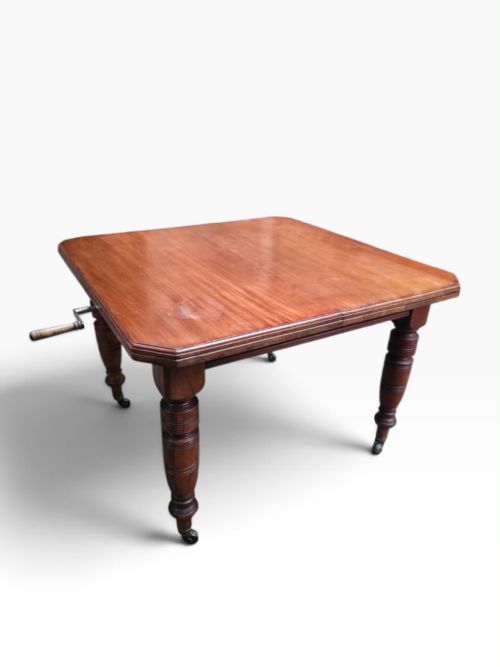
The characteristic legs were shaped on a pole lathe or foot-powered lathe, where timber blanks were spun against cutting gouges to achieve symmetrical rings, vase shapes, or bobbin profiles. Workshops often finished these frames with brass castors on larger dining models or left them resting directly on flagstones and floorboards in farmhouse settings.
Turned Leg Wooden Table Retail Price Guide 2026
Typical asking prices for turned leg wooden table among the pieces listed under this phrase on Sellingantiques today, from the lower quarter to the upper quarter. They describe what is for sale here now, not the wider market.
Several tables still harbour the original brass winding handles used by Victorian families to expand Sunday dinner.
What varies in quality
Quality in these tables rests primarily on the crispness of the lathe work and the selection of timber used for both the top and the underframe. Superior examples display sharply defined turnings with no timber shrinkage distortion, alongside well-figured mahogany, walnut, or quarter-sawn oak that has aged with a deep, even patina.
Structural integrity also dictates value, seen in the solidity of the joints connecting the turned legs to the aprons and the smooth operation of mechanisms like leaf extensions or drop-leaf hinges. Tables that retain their original brass hardware, winding handles, and uncompromised timber surfaces stand distinct from pieces altered or rebuilt over time.
Gillows of Lancaster·Heals of London
The Turned Leg Wooden Table Glossary
- Bobbin turned
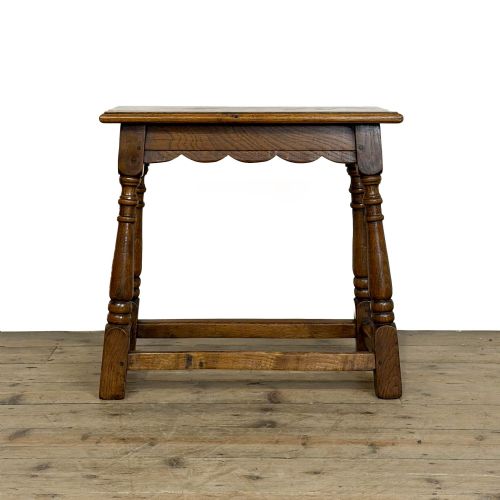
- A style of leg shaping featuring a series of rounded, spool-like spheres stacked vertically along the timber shaft. This technique was particularly popular during the 17th century and later Victorian revivals.
- Gateleg table
- A drop-leaf table where the hinged leaves are supported by swinging legs that pivot outward like a gate. This clever design allows the table to expand significantly from a narrow footprint.
- Refectory table
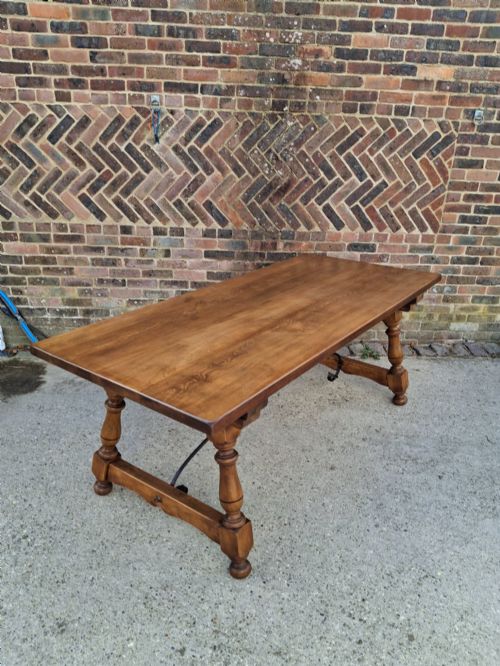
- A long, narrow dining table traditionally used in monastic dining halls and later adopted in domestic farmhouse settings. They typically feature sturdy legs braced by low stretchers for stability.
- Ring turned
- A lathe-working method that cuts horizontal decorative grooves and ridges into the cylindrical wooden leg. It creates a series of parallel rings that catch the light.
- Sutherland table
- A particularly slender variety of drop-leaf table featuring very narrow drop leaves and a gateleg action. When folded down, the entire assembly occupies minimal floor space.
- Winding handle
- A metal crank used to operate the internal screw mechanism of extending dining tables. It allows the leaves to separate smoothly so additional centre leaves can be inserted.
Turned Leg Wooden Table: Frequently Asked Questions
How do I date an old wooden table?
Dating relies on observing construction methods, timber choices, and the specific profile of the turned legs. Tool marks left by hand saws and the type of fixings used provide clear chronological clues.
Secondary woods on drawer linings and the overall wear patterns further confirm whether a piece belongs to the Georgian, Victorian, or earlier centuries.
Are these tables suitable for daily dining?
Most antique timber tables were built for rigorous daily use and remain exceptionally sturdy. Solid hardwood tops handle everyday family meals with ease when treated with reasonable care.
Using heat mats and placemats protects the aged polish and historic patina from accidental spills and hot serving dishes.
How do extending mechanisms work?
Traditional extending tables use a wooden runner system hidden beneath the top, often operated with a metal winding handle. Turning the handle drives a screw mechanism that parts the ends evenly.
Additional leaves are then dropped into the central gap and secured with brass clips or wooden alignment pins beneath the surface.
What is the difference between oak and mahogany tables?
Oak tables generally date from earlier periods like the 17th and 18th centuries, exhibiting a visible grain and robust rustic character. They were the staple of farmhouse and refectory designs.
Mahogany arrived in greater quantities later, allowing for finer, crisper lathe turning and a darker, smoother reddish-brown finish suited to formal dining rooms.