

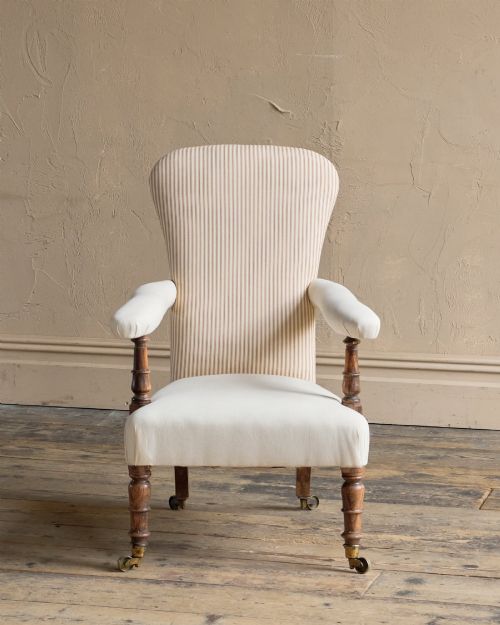
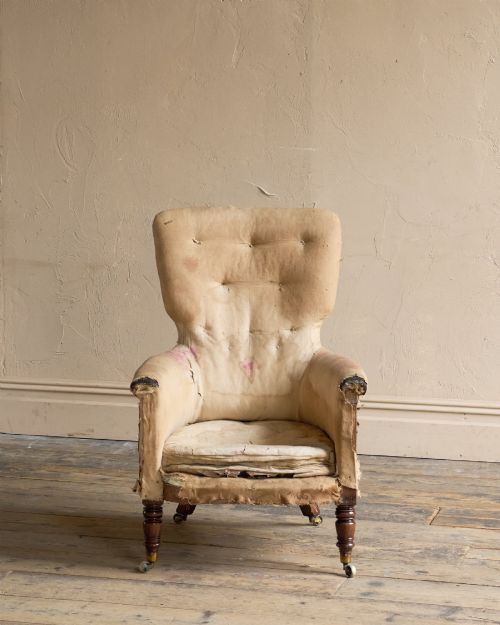
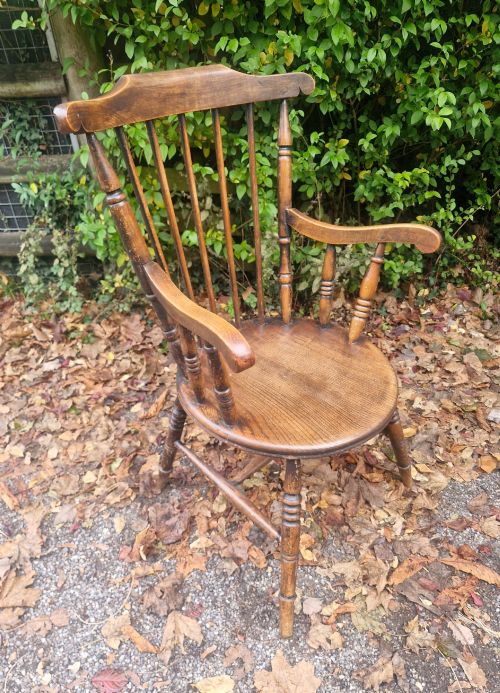
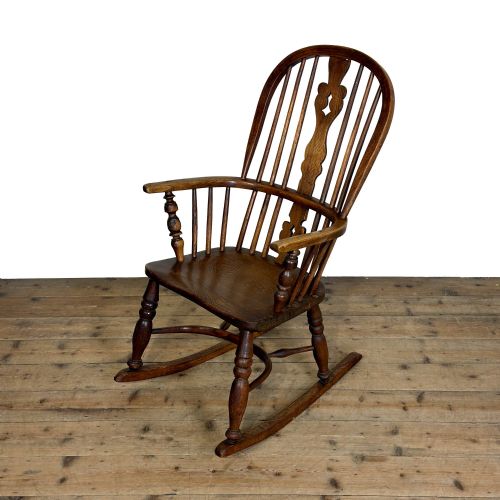
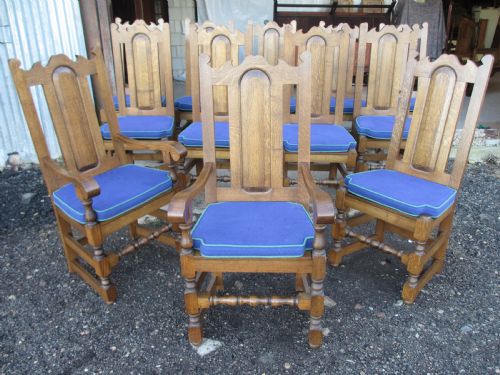
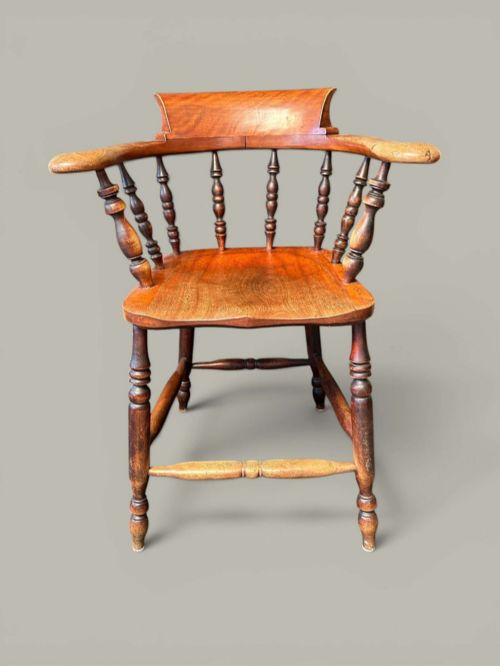
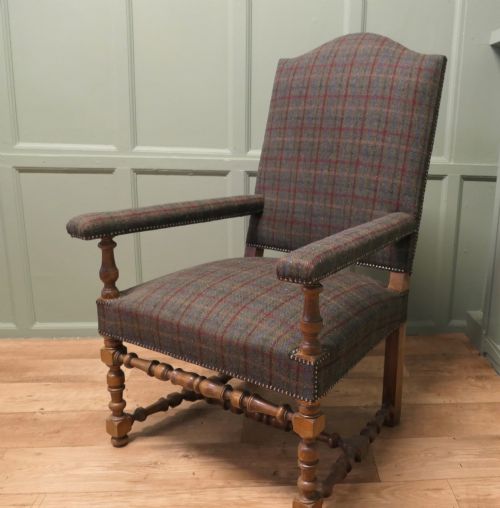
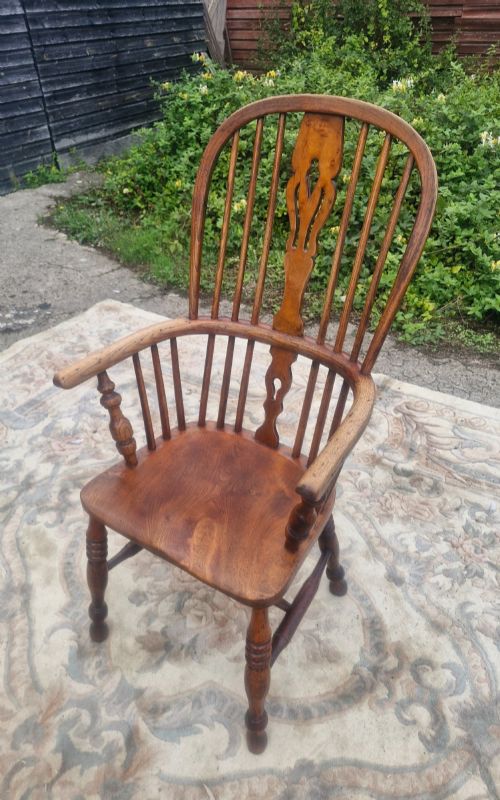
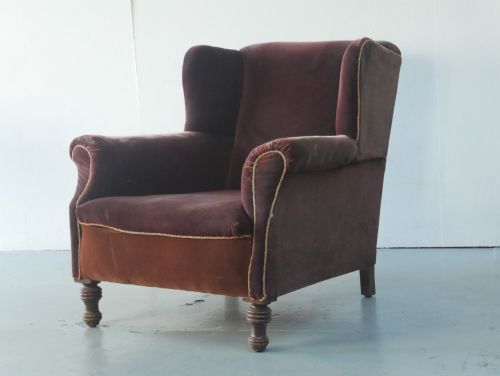
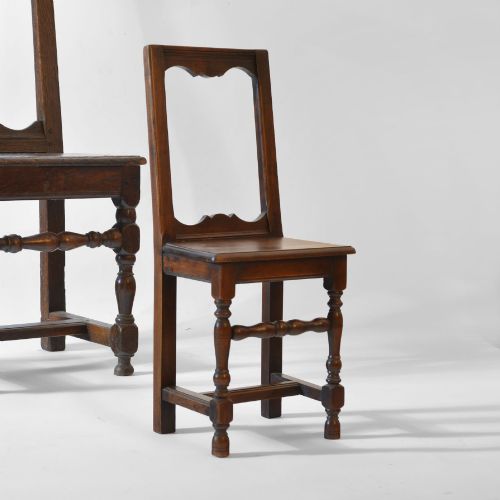
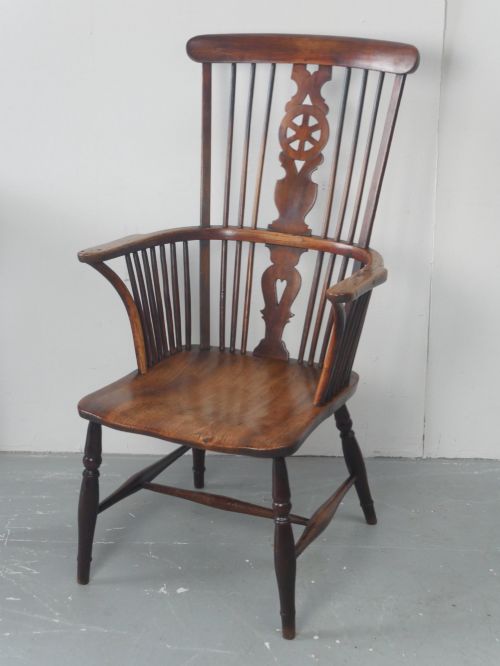
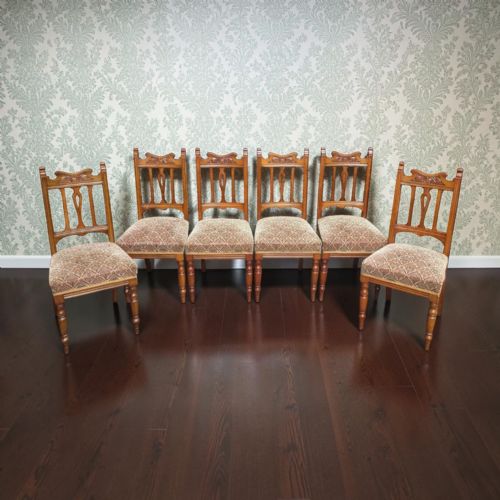
Turned Leg High Chair
These turned leg high chair examples are children's seats raised on spindles, combining domestic utility with traditional furniture styles.
Turned Leg High Chair
A turned leg high chair places a small seat high above the floor using vertical supports, serving historical domestic settings where children sat at table height with adults. The evidence shows forms ranging through the nineteenth century, including Victorian production and earlier country interpretations.
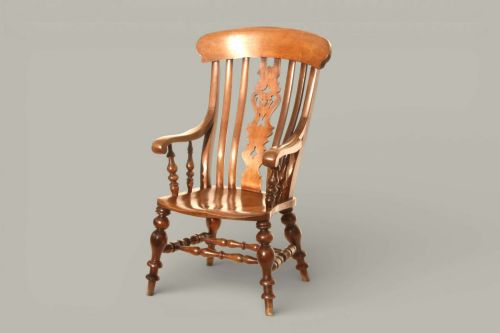
Most pieces encountered in this category align with Windsor framing and regional vernacular styles. Makers built these seating items for nursery use, incorporating spindle turnings and elevated footrests to support a child securely.
Materials and construction of turned leg high chair pieces
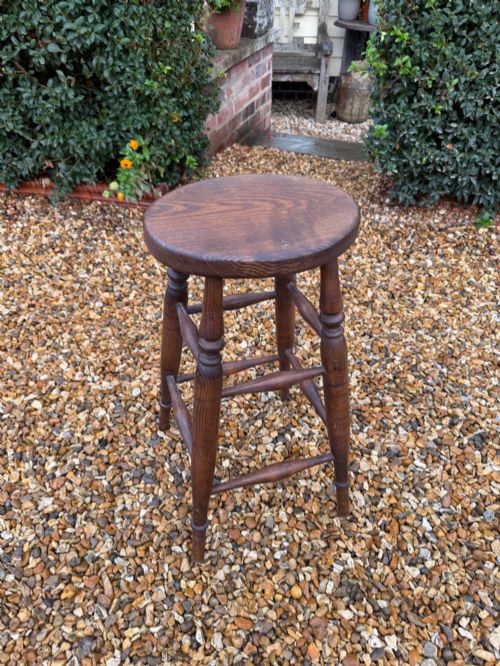
Construction relies on traditional timber combinations, pairing resilient elm for seats with ash, beech, or fruitwood for spindles and turned legs. Joinery typically utilises wedged tenons and turned stretchers to stabilize the elevated frame.
Turned components are shaped on a lathe to create symmetrical spindles and legs. Bending techniques form the hoop backs and crest rails found on Windsor variants.
Turned Leg High Chair Retail Price Guide 2026
Typical asking prices for turned leg high chair among the pieces listed under this phrase on Sellingantiques today, from the lower quarter to the upper quarter. They describe what is for sale here now, not the wider market.
Listings for turned leg high chair examples draw upon nineteenth-century vernacular furniture traditions utilising elm, ash, and beech.
Quality factors in turned leg high chair specimens
Quality depends on timber selection and the crispness of the lathe work on the legs and spindles. Examples retaining original surface patination and tight joinery stand apart from pieces with replaced members.
Proportion and structural integrity dictate the standard of execution. Well-balanced footrests and carefully tapered turnings indicate careful workshop practice.
The Turned Leg High Chair Glossary
- Windsor
- A chair style featuring a solid wooden seat into which the legs and back spindles are directly socketed. This method creates a sturdy, rigid frame.
- Spindle
- A cylindrical, turned wooden rod used as a vertical support in chair backs and legs. These are shaped individually on a lathe.
- Elm
- A dense, interlocking timber frequently used for chair seats because it resists splitting when driven with nails or wedged tenons.
- Stretcher
- A horizontal bar connecting the legs of a chair to provide structural rigidity. These are often turned to match the leg profile.
Turned Leg High Chair: Frequently Asked Questions
What is a turned leg high chair?
A turned leg high chair is an elevated children's seat supported by turned wooden legs and stretchers. These pieces were designed to bring infants up to table height.
They often share construction methods with full-sized Windsor armchairs, utilising elm seats and ash or beech spindles.
How are these high chairs constructed?
Makers built these chairs using traditional stick-built methods, boring holes directly into solid wooden seats to receive turned legs and back stems.
Stretchers are fitted between the legs to add stability to the elevated frame.
What woods were used for turned leg high chairs?
Common timbers include elm for the solid seats, paired with ash, beech, or fruitwood for the turned legs and spindles.
These woods provided the necessary strength and flexibility required for children's furniture.
How do I date a turned leg high chair?
Dating relies on examining tool marks, timber shrinkage, and the style of the turnings on the legs and back.
Nineteenth-century examples show specific lathe profiles and regional construction traits consistent with country workshops.