

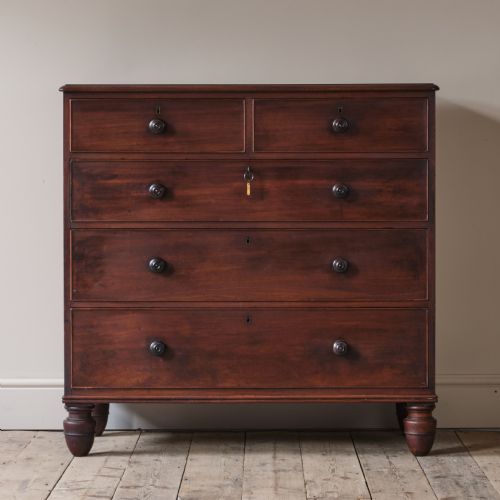
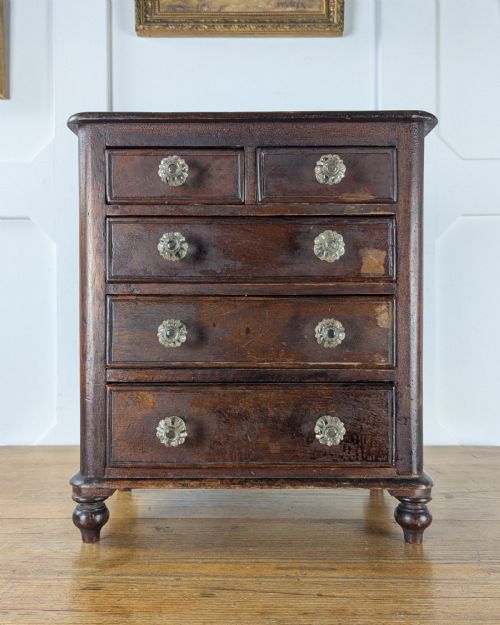
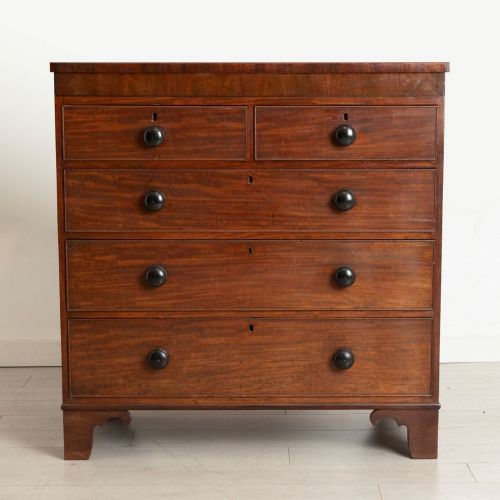


Turned Feet Chest Drawers
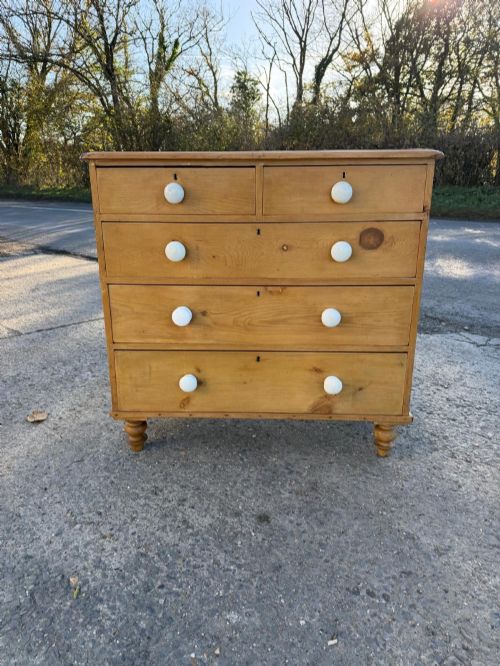
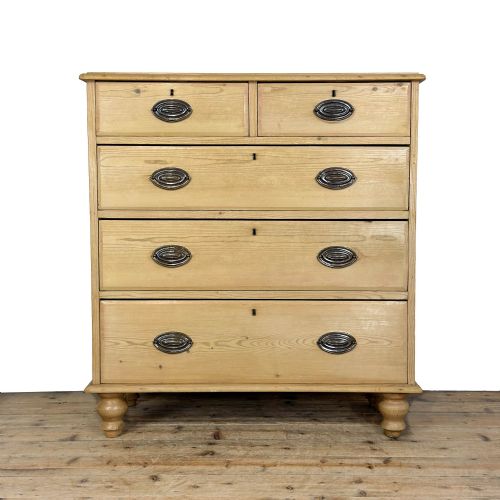
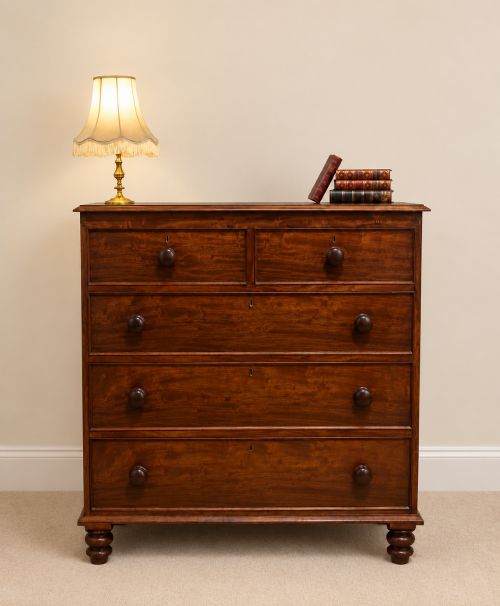
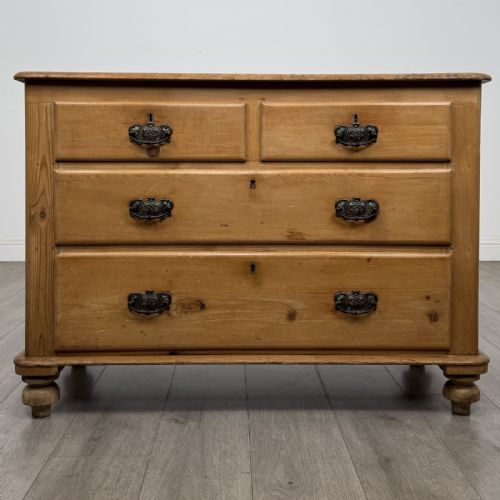
Turned feet chest drawers combine practical storage with robust wooden character, offering a grounded profile that anchors any room.
Turned Feet Chest Drawers
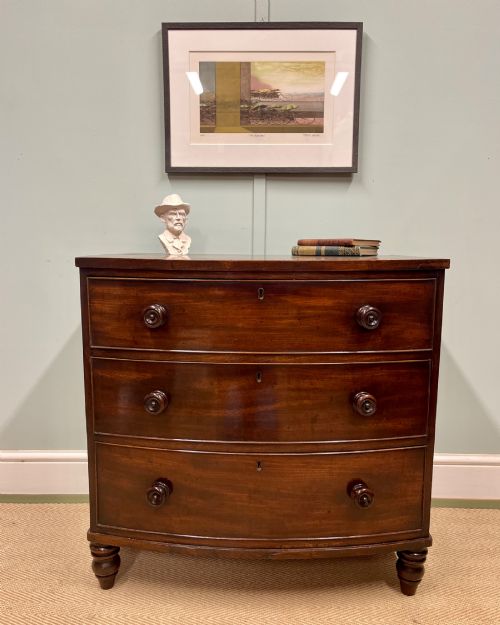
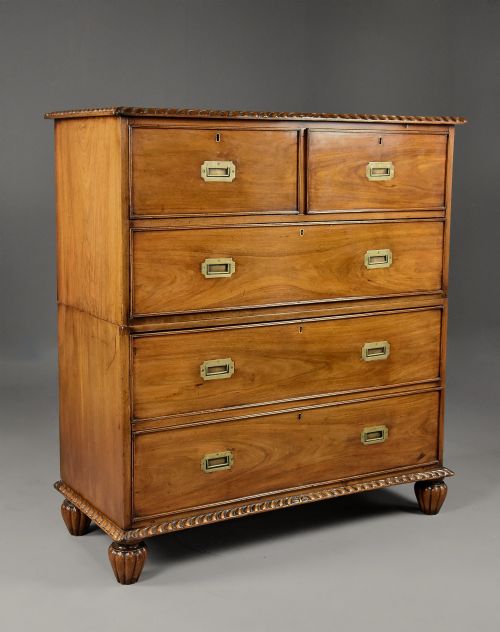
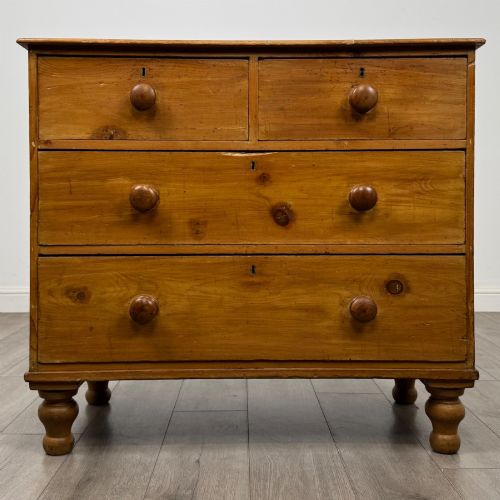
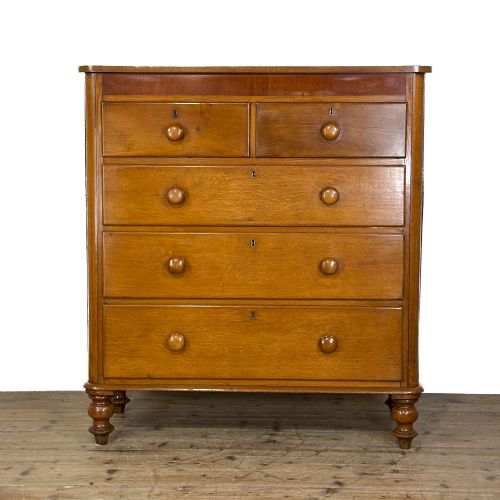
Turned feet chest drawers span multiple centuries, ranging from early Georgian and Regency pieces through to robust Victorian pine and mahogany examples. You will frequently encounter Victorian pine and mahogany chests featuring this distinctive base support.
The form appears in various scales, from large bedroom chests with two short over three long drawers to miniature apprentice pieces and Welsh vernacular items. Regional pieces like the Welsh coffor bach sit alongside standard bow front commodes and straight-fronted timber carcases.
Makers utilised simple woods like pine, often in original paint, alongside finer timbers such as mahogany, satin birch, and amboyna. The supporting feet provide a unifying design element across these diverse periods and woods.
Construction and Materials
Carpenters constructed the carcase bodies primarily from solid pine, oak, or mahogany, joining the timber with traditional methods. Drawers often feature turned wooden knobs and distinct configurations.
Makers shaped the distinctive feet on a lathe from matching or contrasting timber, attaching them securely beneath the base mouldings. Surface finishes range from original paint and dry-scraped pine to polished mahogany and glass details.
Turned Feet Chest Drawers Retail Price Guide 2026
Typical asking prices for turned feet chest drawers among the pieces listed under this phrase on Sellingantiques today, from the lower quarter to the upper quarter. They describe what is for sale here now, not the wider market.
Listings demonstrate a strong prevalence of Victorian pine and mahogany chests, alongside earlier Georgian and Regency examples.
Quality and Proportion
The distinction between standard examples and finer pieces lies in the crispness of the turned woodwork and the retention of original components such as feet, knobs, and painted surfaces. Superior items retain their original turned knobs and feet without replacement.
Timber selection and secondary wood usage also separate pieces, with dense mahogany and well-figured satin birch commanding attention alongside clean original pine surfaces. The harmony between the proportion of the main body and the scale of the turned feet defines the best examples.
T & G Seddon
The Turned Feet Chest Drawers Glossary
- Bow front
- A convex curved chest front that projects outwards in the centre, popular during the Georgian and Regency periods. This curved design softens the rigid geometry of standard furniture.
- Commode
- A decorative chest of drawers, often applied to French or high-status English pieces from the nineteenth century. These items frequently utilise exotic veneers and fine timber selections.
- Coffor bach
- A small Welsh chest, often fitted on turned feet and dating from the early eighteenth century. These vernacular pieces served domestic storage needs in rural Welsh homes.
Turned Feet Chest Drawers: Frequently Asked Questions
What is a turned feet chest of drawers?
A turned feet chest of drawers is a storage unit raised on lathe-formed wooden feet, appearing across Georgian, Regency, and Victorian periods. These pieces utilise woods such as mahogany, pine, and oak.
The turned feet provide elevation and visual balance to the carcase, distinguishing them from bracket-foot or plinth-mounted examples.
How do I date a timber chest?
Dating relies on timber choice, construction techniques, hardware, and overall style characteristics recorded across eras. Georgian pieces often show different internal drawer construction compared to later Victorian items.
Original turned knobs and feet further help establish whether a piece retains its authentic period components.
Are painted pine chests authentic?
Many Victorian pine chests retain original paint finishes applied during the nineteenth century. These surfaces show natural wear and ageing that collectors value.
Original paint survives beneath later layers on numerous surviving regional and domestic examples.