





Turn Wood Lamp Base
A turn wood lamp base brings warmth and character to a room, offering functional illumination through solid craftsmanship.
Turn Wood Lamp Base
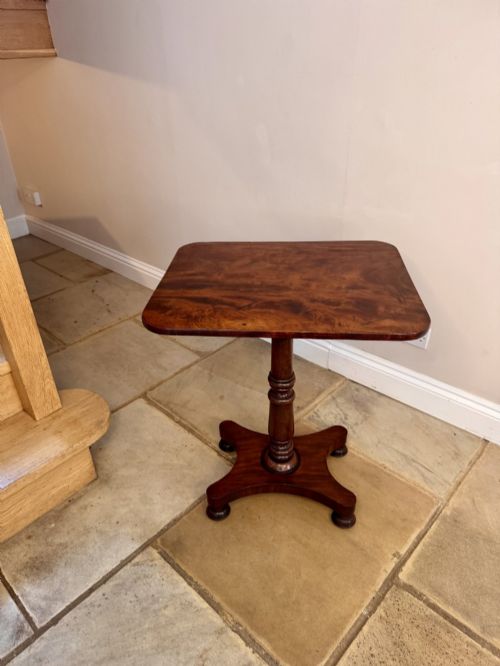
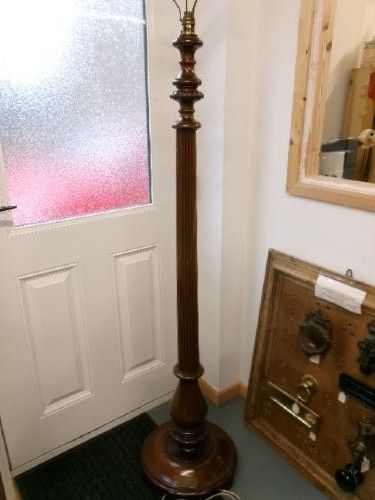
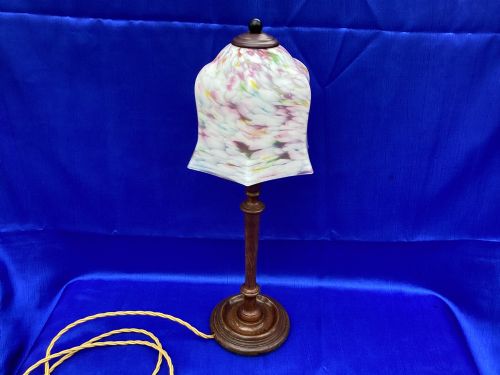
A turn wood lamp base is a decorative and functional lighting fixture shaped on a lathe from various timber species. These pieces range from compact table models to tall standard lamps designed to stand directly on the floor.
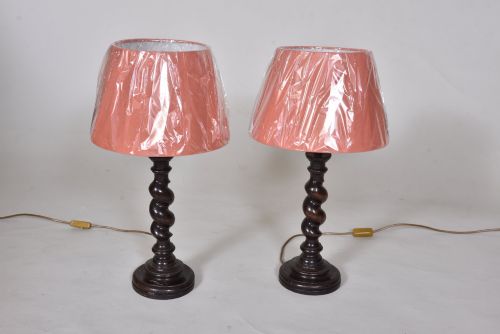
The selections available here span from the nineteenth century into the early twentieth century, encompassing styles such as Victorian, Edwardian, and Regency Revival. Common forms include single table lamps, paired matching bases, and occasional furniture adapted to hold a light.
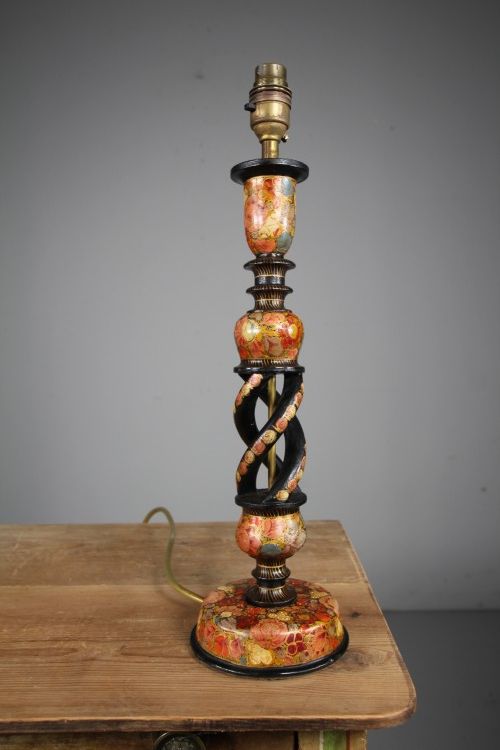
Makers utilised woods like oak, mahogany, pine, walnut, and cherry, occasionally incorporating painted finishes or lacquer. Many items reflect period revivals, drawing inspiration from William and Mary, Jacobean, or Anglo-Indian designs.
How they were made
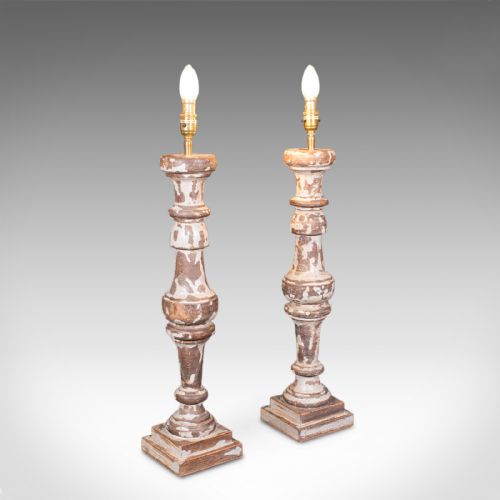
Craftsmen shaped these bases on a lathe, turning solid blocks of hardwood or softwood into symmetrical columns, balusters, and bobbin profiles. Timber selection dictated the weight and grain pattern, with dense hardwoods like mahogany and oak providing stability.
Joinery techniques varied depending on whether the base was constructed as a standalone standard or adapted from an existing furniture form such as a side table or wine table. Surface treatments ranged from clear French polish and wax to painted pine and intricate Kashmiri lacquer work.
Turn Wood Lamp Base Retail Price Guide 2026
Typical asking prices for turn wood lamp base among the pieces listed under this phrase on Sellingantiques today, from the lower quarter to the upper quarter. They describe what is for sale here now, not the wider market.
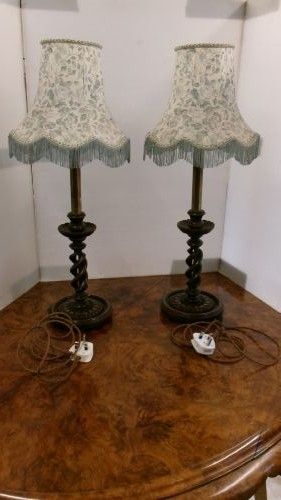
Bobbin-turned bases resemble strings of wooden beads, proving that Victorian makers possessed a profound weakness for miniature bowling pins.
What varies in quality
The distinction between ordinary and superior examples lies in the precision of the lathe work and the selection of the timber. Finely turned mouldings exhibit crisp profiles and balanced proportions, whereas lesser pieces display coarser shaping and simpler geometry.
The choice of material also sets items apart, with dense native hardwoods or exotic woods demonstrating greater longevity than softer painted pine. Furthermore, the integrity of the original construction, whether a dedicated lamp standard or an adapted table, influences the overall character.
The Turn Wood Lamp Base Glossary
- Bobbin turned
- A style of woodturning characterised by a series of rounded, spool-like shapes resembling bobbins used in textile manufacturing. This technique gained popularity during the seventeenth century and saw revivals in Victorian design.
- Standard lamp
- A tall floor-standing lamp designed to illuminate a larger area of a room. These pieces often feature substantial turned wooden columns for stability.
- Occasional table
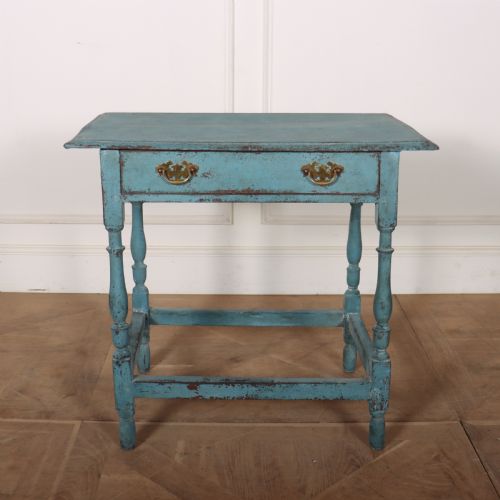
- A small, light table intended for versatile placement within a room. Many period examples are later converted to hold electrical lamp fittings.
- Regency revival
- An architectural and decorative style that imitates the neoclassical elegance of the British Regency period. Items from this movement typically feature clean lines and dark mahogany timbers.
- Anglo-Indian
- A descriptive term for items produced in India under British influence, frequently combining local materials like exotic hardwoods with traditional European forms.
Turn Wood Lamp Base: Frequently Asked Questions
How do I choose the right height for a lamp base?
Consider where the lamp will sit and the height of surrounding furniture. Table models suit side tables and halls, whilst taller standards function best beside armchairs or in corners.
Ensure the proportions complement the shade and the room's overall scale without overwhelming adjacent pieces.
Can older wooden lamp bases be safely rewired?
Most antique wooden bases accept modern electrical wiring quite easily. Professional electricians can run modern flex through existing central channels without damaging the timber.
It is advisable to check the internal channel diameter before purchasing modern fittings to ensure compatibility with period bores.
How do I care for a polished wood lamp base?
Maintain the finish by dusting regularly with a soft, dry cloth. Apply a quality beeswax periodically to nourish the timber and preserve the lustre.
Keep wooden bases away from direct heat sources and strong sunlight to prevent the wood from drying out or splitting over time.