




Turn of Century Timepiece
A turn of century timepiece brings the mechanical precision of the 19th and early 20th centuries directly to your mantelpiece or pocket.
Turn of Century Timepiece
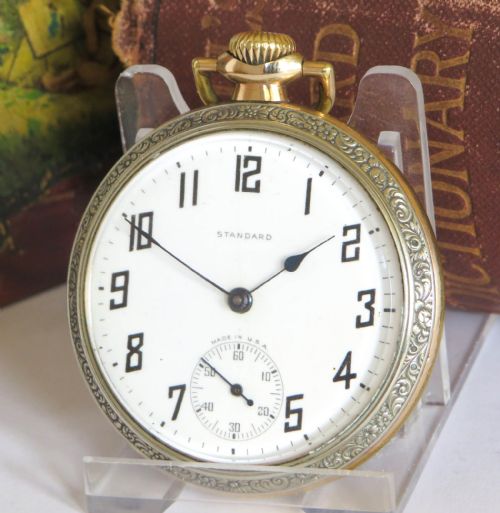
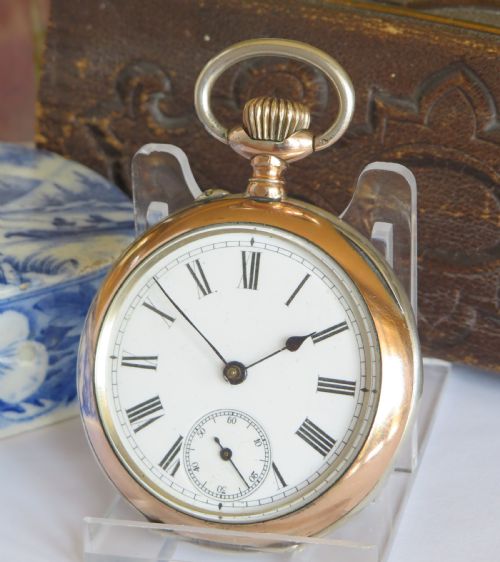
When you search for a turn of century timepiece, you encounter a diverse selection of instruments spanning pocket watches, mantel clocks, carriage clocks, and wall clocks. These objects hail from periods such as the 19th century, 1800, 1860, 1880, 1900, and 1920, reflecting the rich horological output of those decades.
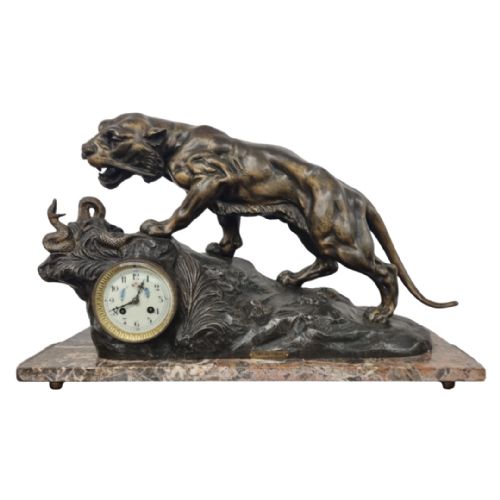
The assortment on this page most frequently presents pocket watches alongside mantel and carriage clocks. Stylistic influences vary widely, taking in Victorian, Edwardian, Regency, French Belle Epoque, and French Animalier designs.
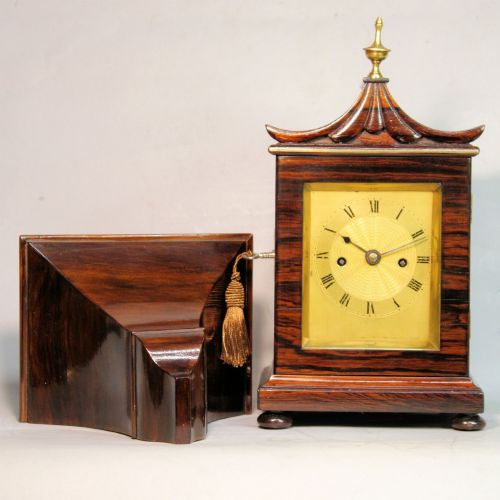
Makers and retailers represented across these horological items include R Varnier, Howell & James, and Henry Berkeley Square London. Whether housed in rosewood, gilt ormolu, or mounted on walls, each piece serves as a tangible link to past methods of timekeeping.
Materials and construction
The construction of these items relies on robust metals and refined casings, utilising brass, steel, nickel, bronze, gold plate, and glass. Makers also employed marble and rosewood to house the internal mechanisms, adding substantial weight and decorative presence.
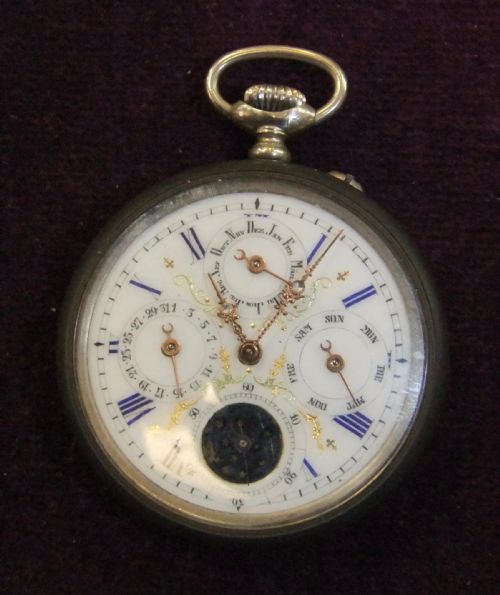
Enamel dials feature prominently on many of the pocket watches and clocks, providing a crisp surface for numerals alongside glass crystals that protect the hands. Gilt ormolu and intricate metalwork further elevate the exterior presentation of mantel and carriage clocks.
Listings feature items spanning the 19th century, 1900, and 1920, constructed from materials including brass, marble, rosewood, and glass.
The spectrum of quality
Quality in these instruments depends upon the refinement of the casing and the sophistication of the movement housed within. Pieces featuring specialist materials such as rosewood, marble, or gilt ormolu demonstrate a higher tier of domestic luxury.
Signed works by established makers or retailers like Howell & James and Henry Berkeley Square London distinguish themselves through superior finishing and provenance. The intricacy of the decorative elements, from French Animalier figures to detailed enamel work, sets exceptional examples apart from standard production.
R Varnier·Howell And James·Henry Berkeley
The Turn of Century Timepiece Glossary
- Carriage clock
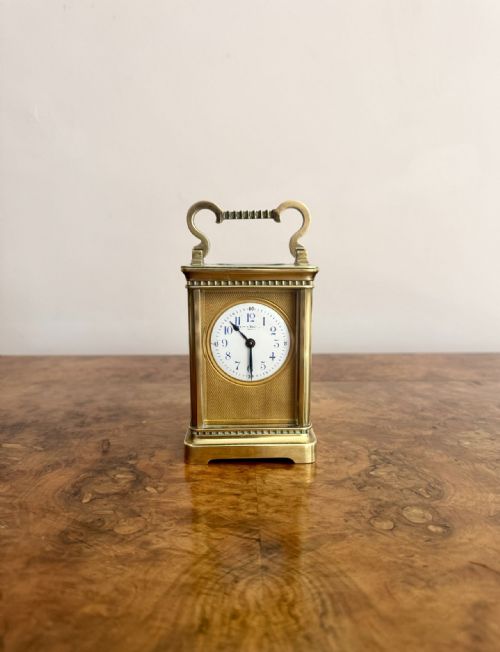
- A small, portable spring-driven clock designed for travel during the 19th century. These typically feature a glass-panelled brass case and a swinging handle on top.
- Fusee clock
- A timekeeper driven by a fusee cone and chain or cord to maintain even tension as the mainspring unwinds. This mechanism ensures greater accuracy in mechanical clocks.
- Goliath pocket watch
- An oversized pocket watch popular in the late 19th and early 20th centuries. They were frequently housed in leather travel cases for desks or bedside tables.
- Ormolu
- Finely ground high-carat gold mercury-gilded onto a bronze object. This technique imparts a rich metallic lustre to clock cases and decorative mounts.
- Strut clock
- A timepiece supported by a hinged prop or strut at the back for standing upright on a desk or mantelpiece.
Turn of Century Timepiece: Frequently Asked Questions
What is a fusee clock movement?
A fusee movement uses a conical pulley connected to the mainspring by a chain or cord. This clever design compensates for the diminishing power of the spring as it unwinds.
By evening out the force delivered to the gear train, the clock maintains a much more consistent rate throughout its running time.
How do I care for an antique clock?
Antique clocks require a stable environment away from direct sunlight, extreme temperature fluctuations, and damp conditions. Regular placement on a level surface ensures the pendulum or balance wheel beats evenly.
Professional servicing every few years keeps the internal gears clean and properly lubricated, preserving the mechanism for decades to come.
Where were carriage clocks placed?
Carriage clocks originated as portable timepieces for travellers during the 19th century. Wealthy individuals packed them into leather cases for use in horse-drawn carriages and steam trains.
They soon transitioned into domestic settings, where their small size allowed them to sit easily on bedside tables, desks, and small mantelpieces.
What distinguishes a goliath pocket watch?
A goliath pocket watch is significantly larger than a standard pocket watch, often measuring several inches across. Their substantial size made them easier to read in dim light.
Owners typically kept them on desks or bedside tables inside fitted leather travelling cases rather than carrying them in waistcoat pockets.