
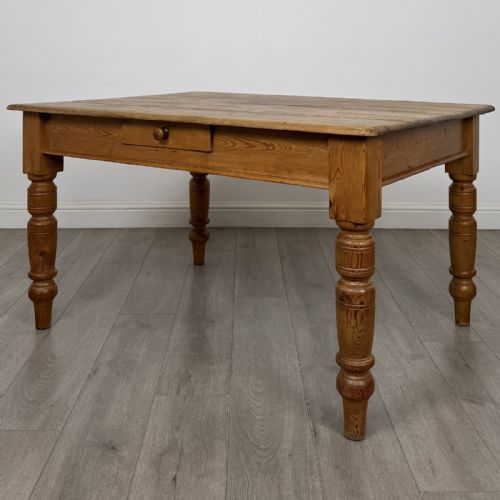
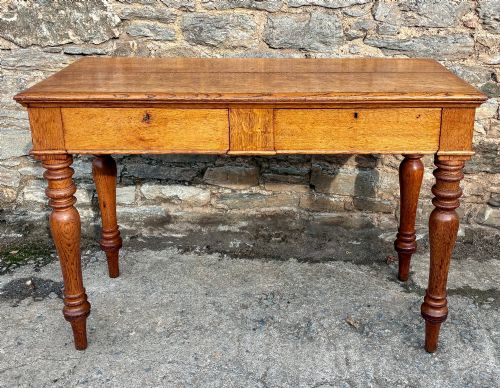
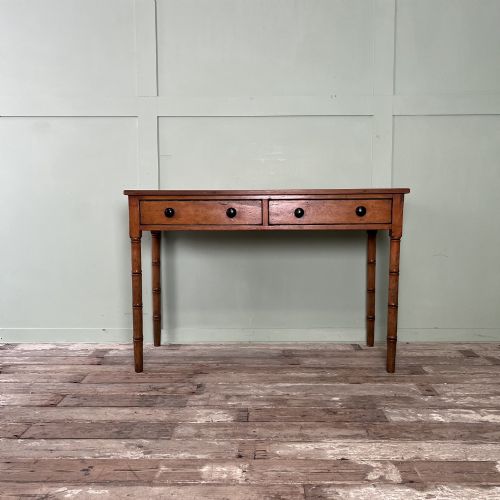
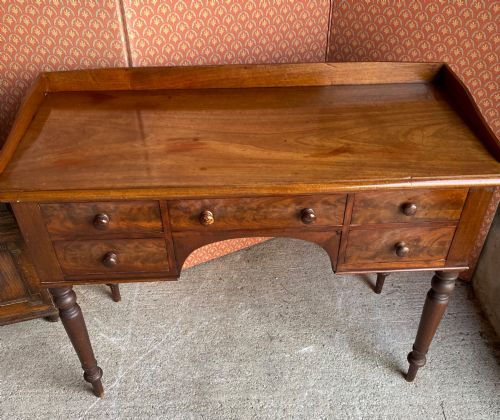
Turn of Century Desk
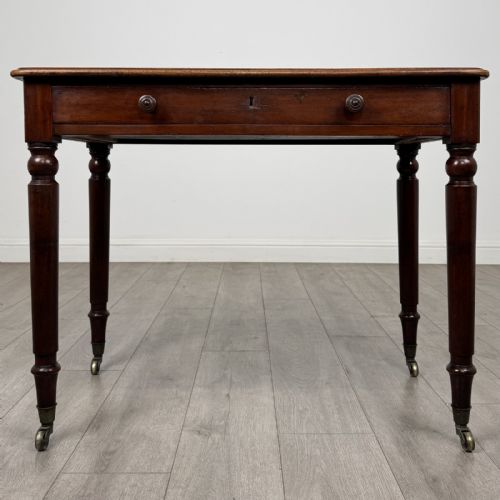
Turn of century desk pieces are solid timber workspaces shaped by Victorian and Edwardian hands for home and library use.
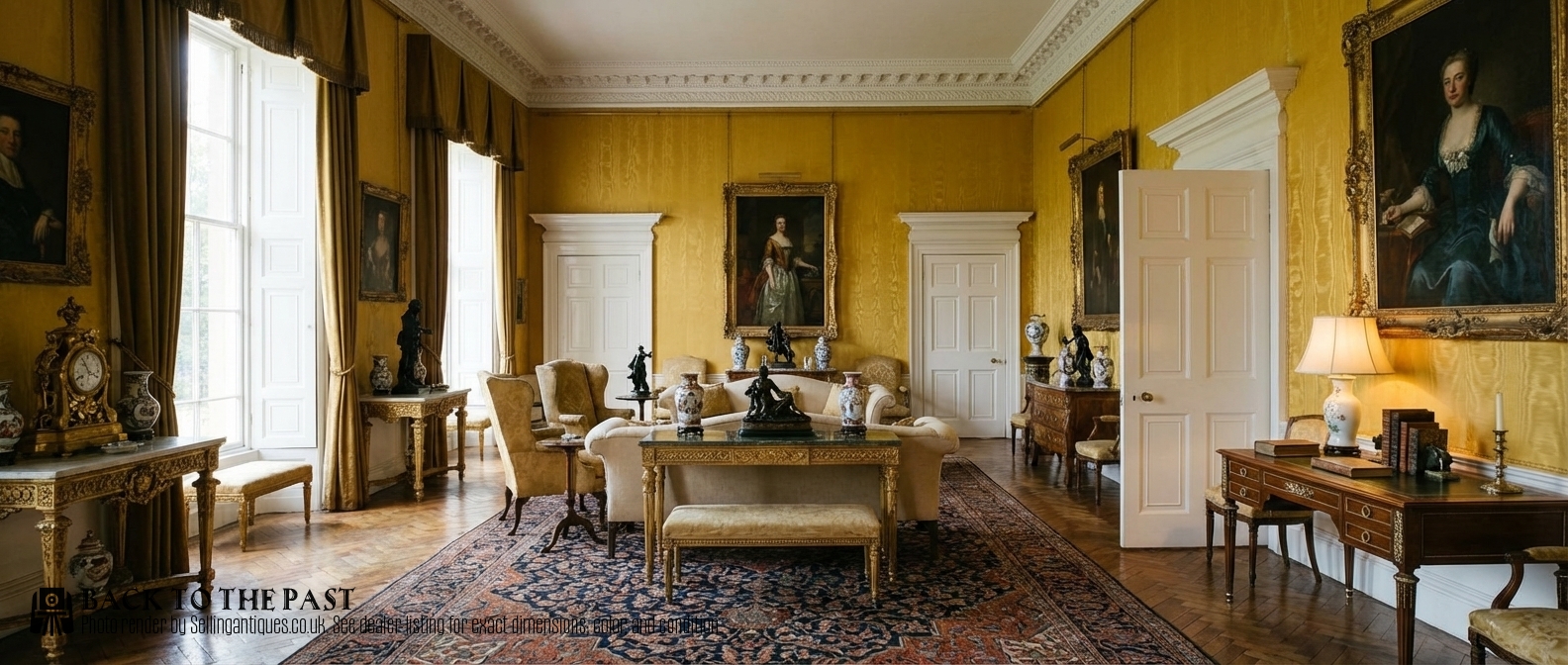
Turn of Century Desk
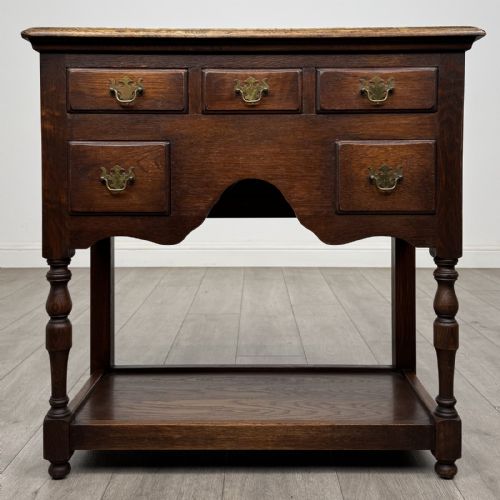
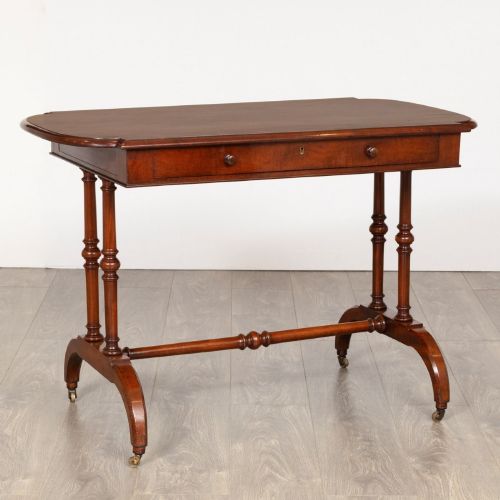
A turn of century desk brings together nineteenth and twentieth-century writing tables, bureaus, and associated seating in durable timbers. Buyers seeking this phrase encounter solid oak, mahogany, and walnut examples built for functional daily work.
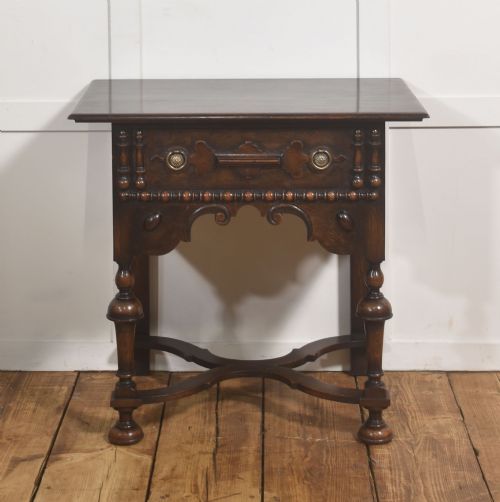
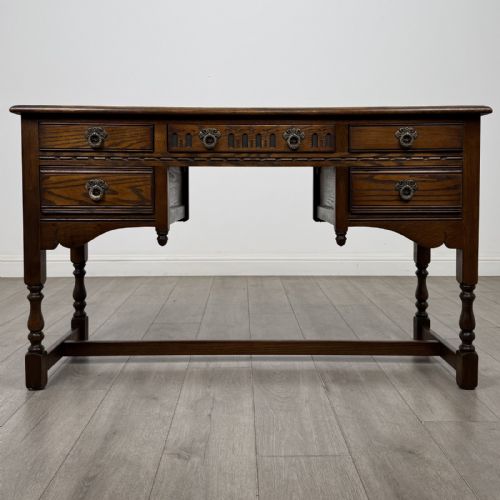
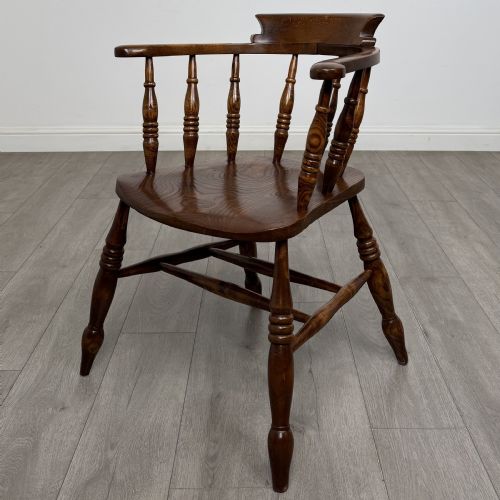
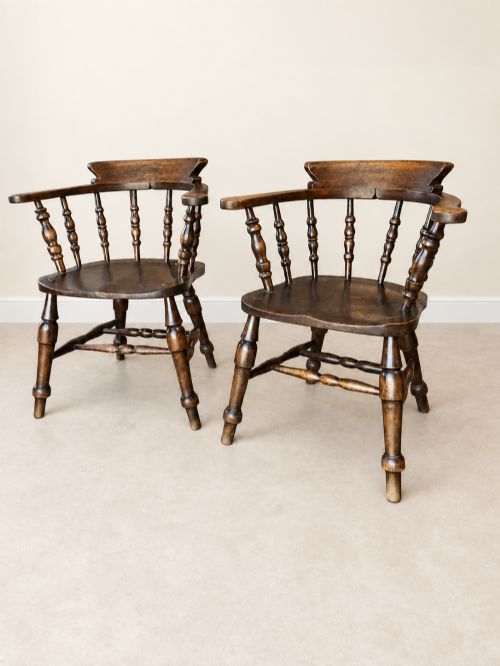
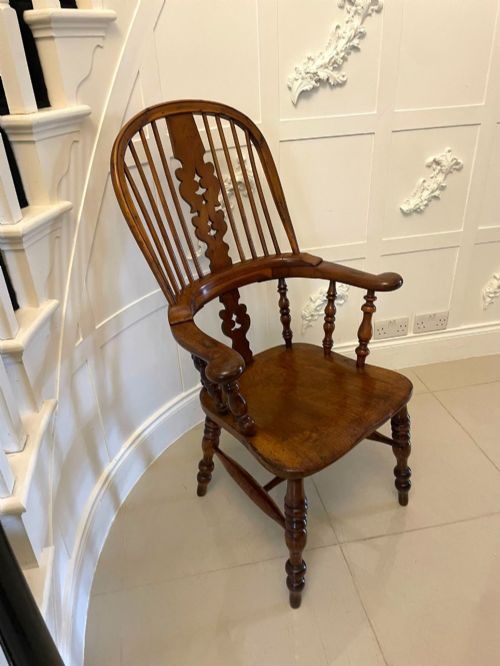
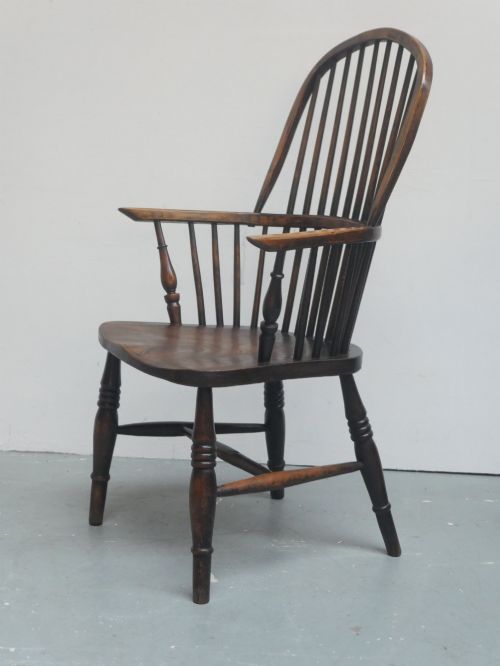
The selection ranges from partners writing tables with multiple drawers to lighter Edwardian oak bureaus and library armchairs. These pieces reflect the transition from ornate Victorian craftsmanship to more restrained early twentieth-century designs.
Originating largely from British workshops, these items serve modern home offices and studies while retaining their original patination and brass hardware. The forms emphasise practical storage alongside generous writing surfaces.
Materials and construction methods
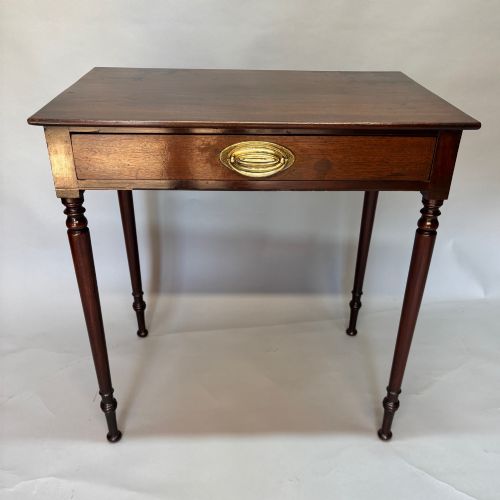
Carpenters utilised dense hardwoods such as mahogany, oak, and walnut, often pairing them with secondary pine or ash for interior framing. Joinery relied on hand-cut dovetails for drawers and mortise and tenon joints for structural stability.
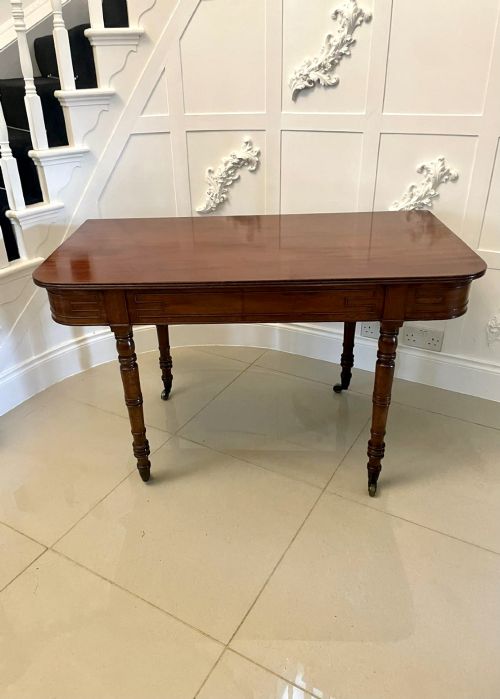
Surface finishes involved traditional wax polishing applied over fine timber grains to highlight natural figuring like flame mahogany. Leather inserts, frequently gold-tooled around the perimeter, provided a durable writing plane on larger library tables.
The listings span the seventeenth through the twentieth centuries, featuring oak, mahogany, walnut, and elm across tables, chairs, and desks.
Assessing quality and craftsmanship
Quality rests in timber selection and the integrity of internal drawer construction rather than surface ornamentation alone. Superior examples display consistent grain matching across primary facades and retain original brass handles and locks.
The refinement of turned legs, carved mouldings, and the tightness of structural joints distinguish standard utility pieces from finer workshop productions. Original finishes that have matured naturally without harsh stripping elevate the standing of a desk.
Heal and Son·H.A.C.
The Turn of Century Desk Glossary
- Partners desk
- A large double-sided writing table designed for two people to work opposite each other, typically featuring banks of drawers on both sides.
- Bureau
- A sloping desk with a hinged flap that opens to reveal pigeonholes and small drawers for correspondence.
- Partners table
- A sturdy library table lacking pedestal drawer blocks, often used for sorting papers or reading in institutional settings.
- Flame mahogany
- Timber cut from the fork of a mahogany tree to produce a dramatic, flickering grain pattern prized for drawer fronts.
- Pigeonhole
- A small compartment within a desk interior used for sorting letters and stationery.
Turn of Century Desk: Frequently Asked Questions
What defines a turn of century desk?
These pieces comprise writing tables and bureaus produced around the year nineteen hundred, drawing on late Victorian and Edwardian traditions.
They combine practical drawer configurations with traditional timber construction, using oak, mahogany, and walnut.
How do I care for leather desk tops?
Leather inserts benefit from occasional treatment with neutral wax or leather balm to prevent drying and cracking over time.
Keep them away from direct sunlight and excessive heat sources to preserve the original tooling and colour.
Were these desks used in homes or offices?
Production catered to both domestic studies and professional libraries, resulting in varying sizes from compact bureaus to massive partners tables.
Larger versions accommodated ledgers and multiple users, while smaller iterations suited residential correspondence.
How can I distinguish oak from mahogany?
Oak displays distinct medullary rays and an open, textured grain that accepts golden or brown wax finishes readily.
Mahogany presents a smoother, reddish-brown surface with tighter figuring, sometimes showing flame patterns on prominent panels.