


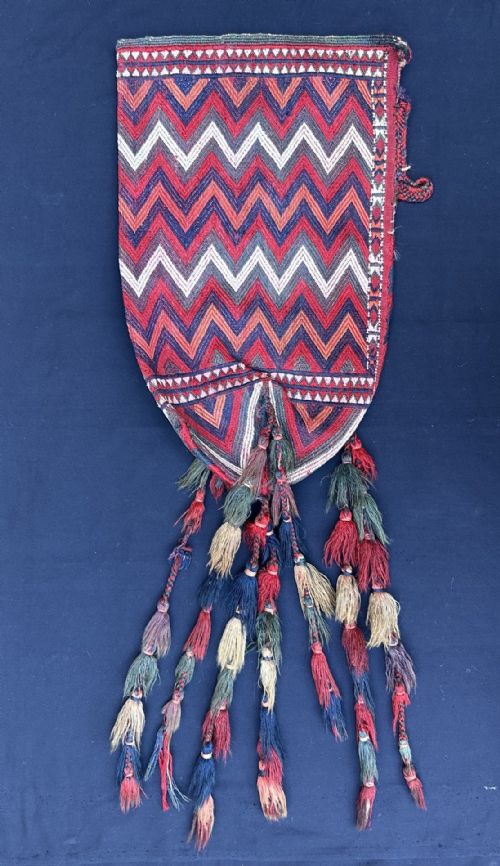
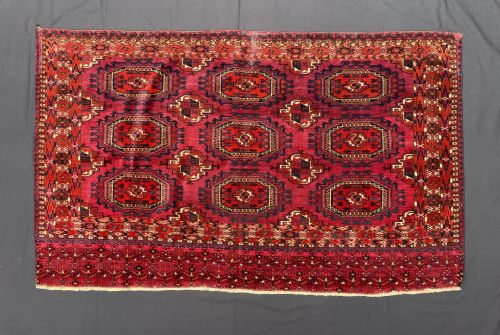


Turkmenistan Bag
A turkmenistan bag brings the rich geometric weaving of Central Asian steppes into a modern room, offering authentic tribal artistry.
Turkmenistan Bag
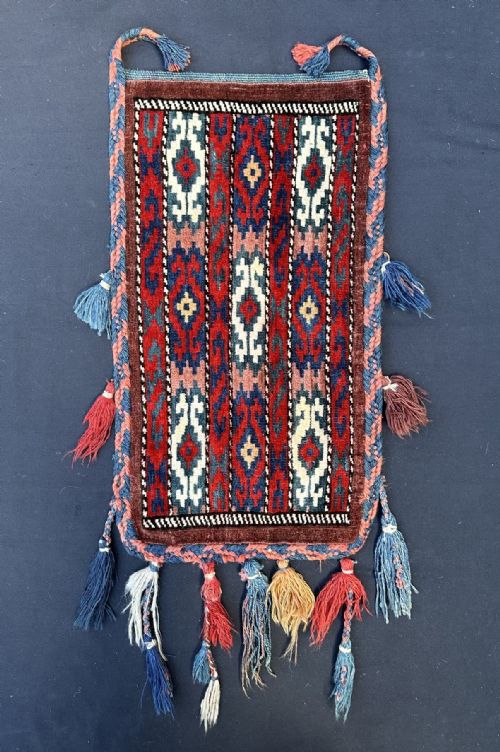
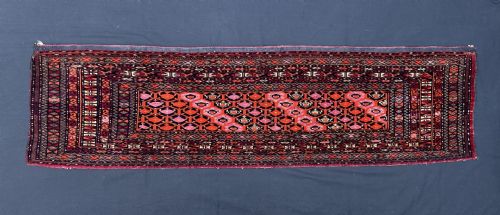
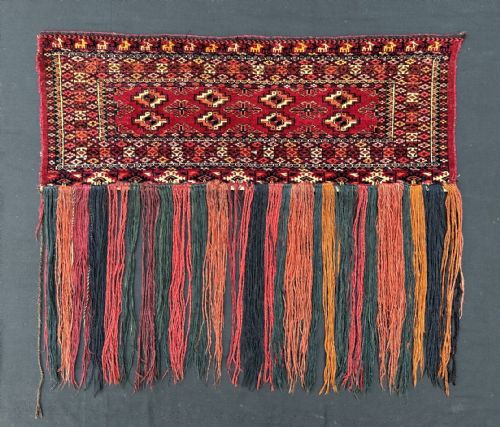
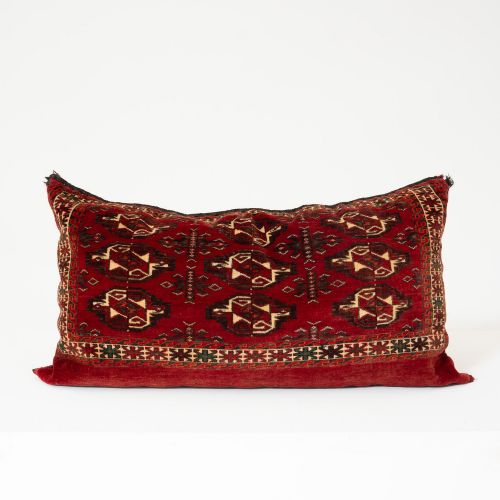
When you examine a turkmenistan bag, you encounter utilitarian tribal textiles fashioned by nomadic groups such as the Yomut, Teke, Sariq, and Ersary tribes across the oases and steppes. These pieces function primarily as storage bags, tent-band covers, or spindle bags, created for domestic life rather than display.
The objects appearing most frequently on this page range from the mid-nineteenth century through to the early twentieth century, alongside select fragments and larger storage bagfaces. Each form serves a specific function within the nomadic tent household, from holding household goods to housing tent poles.
These textiles emerge from distinct regions including the Merv Oasis, Akhal Oasis, Yolatan Oasis, and the Trans-Caspian Steppes. The tribal traditions dictate the specific motifs and formats utilised in each piece.
How they were made
The makers relied on hand-spun wool as the primary structural and decorative material, complemented by cotton and linen foundations in various examples. This natural fibre provides the resilience required for daily nomadic existence.
Makers dyed these wool yarns using natural dyes, achieving deep, saturated tones that define the character of the weave. The integration of these pigments results in colour palettes that age gracefully over generations.
Turkmenistan Bag Retail Price Guide 2026
Typical asking prices for turkmenistan bag among the pieces listed under this phrase on Sellingantiques today, from the lower quarter to the upper quarter. They describe what is for sale here now, not the wider market.
Listings feature pieces spanning from the eighteenth century to the early twentieth century, utilising hand-spun wool and natural dyes.
What varies in quality
The fineness of the knotting and the tightness of the wool weave distinguish the construction standard across these textiles. Tighter, more precise handling of the materials creates a denser and more durable fabric.
The complexity and clarity of the tribal motifs, combined with the depth of the natural dye palette, separate standard examples from exceptional ones. Greater precision in the geometric layout reflects the skill of the individual weaver.
Yomut Tribes·Teke Tribes·Sariq Tribe·Ersary Tribes
The Turkmenistan Bag Glossary
- Chuval
- A large tent storage bag designed to hold bedding and clothing. These pieces form a core category of nomadic weaving.
- Torba
- A smaller wall-hanging bag placed inside the felt tent for storage. They display balanced horizontal formats.
- Natural Dyes
- Organic colouring agents derived from plants and minerals used to dye wool yarns before weaving. They produce the characteristic muted tones seen in antique tribal pieces.
Turkmenistan Bag: Frequently Asked Questions
What is a turkmenistan bag?
A turkmenistan bag is a woven textile created by nomadic tribes in Central Asia for storage and domestic use inside felt tents. These pieces include storage bags, spindle holders, and tent-band covers.
Nomads utilised these bags in daily camp life to organise possessions and furnish the interior of their dwellings. Each format fulfilled a practical role within the household economy.
How were these bags used?
Tribespeople utilised these textiles to store bedding, clothing, spindle tools, and tent components. They hung them against the lattice walls of the yurt.
Their sturdy wool construction protected contents from dust and dampness on the steppe. The woven faces displayed tribal identity and status within the community.
How do I date a turkmenistan bag?
Dating relies on examining the quality of the hand-spun wool, the character of the natural dyes, and the tribal attribution. Most examples date from the nineteenth to early twentieth centuries.
Earlier pieces generally display more saturated natural palettes and finer wool preparation. Structural wear and the specific structure of the foundation yarns also assist in determining age.
How do I live with a turkmenistan bag?
You can display these textiles as wall hangings or place them flat as small accent rugs and cushion covers. They bring rich geometric patterns into modern interiors.
Keep them away from direct sunlight to protect the natural wool dyes. Gentle vacuuming without a rotating brush helps maintain the textile fibre.