








Turkish Throw Rug
A turkish throw rug brings warmth and genuine nomadic character to a room through centuries of skilled hand-weaving.
Turkish Throw Rug
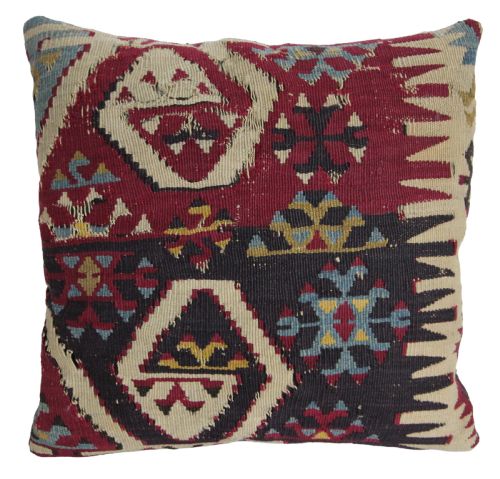
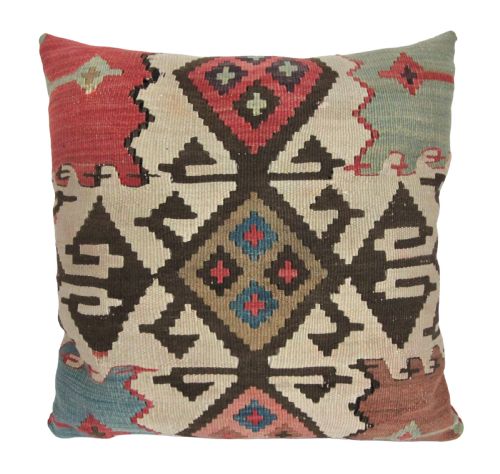
A turkish throw rug spans historic village pieces, tribal bag faces, and flat-woven kilim cushions dating from the mid-nineteenth century up to the early twentieth century. When exploring this selection, a buyer frequently encounters smaller formats such as antique kilim cushions and tribal rug fragments alongside larger village and prayer rugs.
These items originate from Anatolian traditions, reflecting distinct tribal and nomadic designs created for practical domestic use rather than export. Each piece serves as a tactile record of regional weaving habits from periods including eighteen fifty, eighteen seventy, nineteen twenty, and nineteen thirty.
How they were made
Makers constructed these textiles almost entirely from natural wool and cotton fibres, spinning the yarns by hand before setting up traditional floor looms. The weaver interlaced the warps and wefts tightly to build durable flat-weave surfaces or pile structures designed to withstand daily wear.
Natural dyeing methods imparted deep, organic tones to the wool, relying on plant and mineral extracts that developed rich patinas over decades of exposure and use.
Turkish Throw Rug Retail Price Guide 2026
Typical asking prices for turkish throw rug among the pieces listed under this phrase on Sellingantiques today, from the lower quarter to the upper quarter. They describe what is for sale here now, not the wider market.
What varies in quality
The standard of a textile rests on the tightness of the weave and the precision of the geometric or tribal motifs executed across the surface. Early examples demonstrate careful proportion in their layouts, where the rhythm of the design remains steady from edge to edge.
The integrity of the original fibres and the subtlety of the colour fading distinguish exceptional historical specimens from simpler domestic productions. Pieces retaining their structural strength alongside uncompromised regional patterns command greater appreciation among collectors.
The Turkish Throw Rug Glossary
- Kilim
- A flat-woven textile produced without a pile by tightly interweaving warp and weft strands. This technique results in a lightweight, durable fabric commonly utilised for traditional cushions and floor coverings.
- Anatolian
- Pertaining to the historic peninsula of Anatolia, encompassing diverse regional weaving centres and nomadic groups. This geographical designation groups together the distinct tribal styles found across modern Turkey.
- Bag face
- The decorative front panel of a nomadic storage bag, removed and preserved as a small rug or cushion. These panels often display concentrated tribal symbolism and particularly fine knotting.
- Prayer rug
- A textile featuring a distinct mihrab or arch design indicating the direction of prayer, traditionally spread for daily devotion. These rugs combine devotional iconography with local village aesthetics.
Turkish Throw Rug: Frequently Asked Questions
How do I use a turkish throw rug at home?
These textiles adapt easily to domestic spaces, functioning effectively as small floor coverings, decorative seat pads, or cushion covers on chairs and sofas.
Their rich textures and geometric patterns provide a strong focal point when layered over plain wooden flooring or neutral upholstery.
What periods do these rugs come from?
The available pieces originate from the mid-nineteenth century through the early twentieth century, spanning decades such as eighteen fifty, eighteen seventy, nineteen twenty, and nineteen thirty.
Each era reflects distinct regional weaving practices and material availability within Anatolian tribal communities.
What materials were used to make them?
Weavers relied principally on sheep's wool and cotton, utilising wool for the durable pile or flat-weave faces and cotton often for foundational warp threads.
These natural fibres were hand-spun and dyed using traditional botanical and mineral colourants.
How do I identify an authentic kilim cushion?
Authentic examples utilise traditional flat-weaving techniques without a pile, often constructed from historic rug fragments or repurposed nomadic storage bags.
Close examination reveals hand-spun wool yarns, irregular slit-weave junctions, and natural colour variations indicative of nineteenth and early twentieth-century production.