



Turkish Runner Rug
A turkish runner rug brings centuries of Anatolian floorcraft into long corridors and narrow spaces with traditional motifs and rich wool.
Turkish Runner Rug
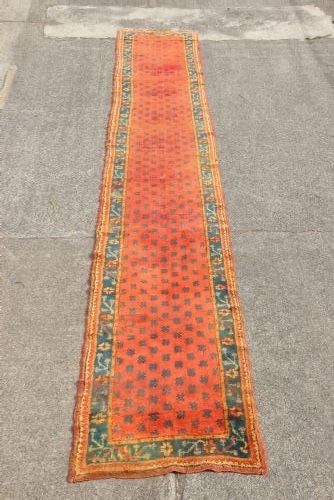
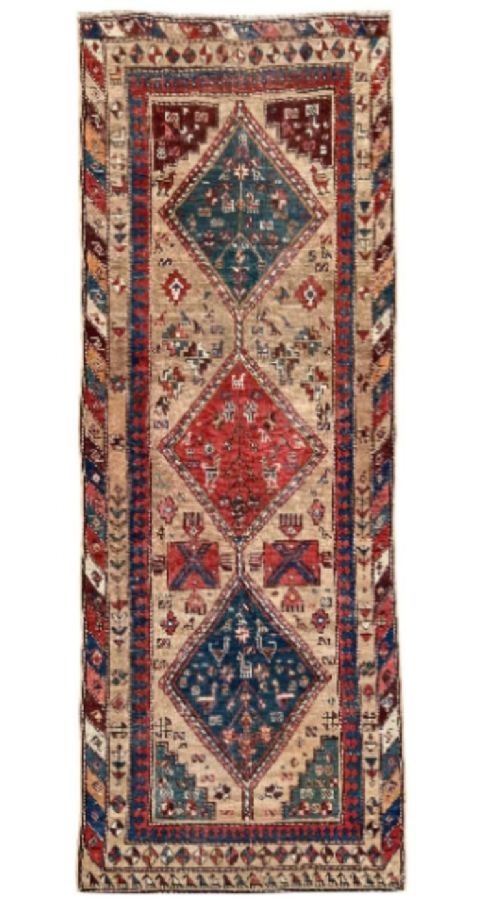
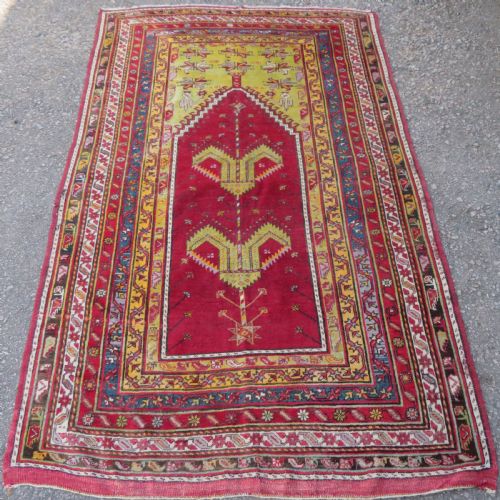
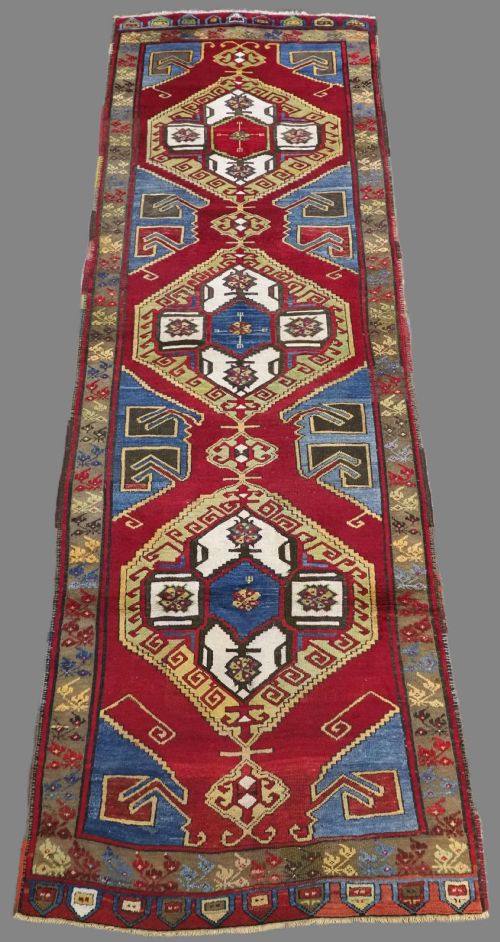
A turkish runner rug serves as a long, narrow floor covering rooted in the weaving traditions of Anatolia and the wider Ottoman world. These textiles encompass tribal prayer formats, flat-woven kilims, and room-length carpets woven in villages and regional centres.
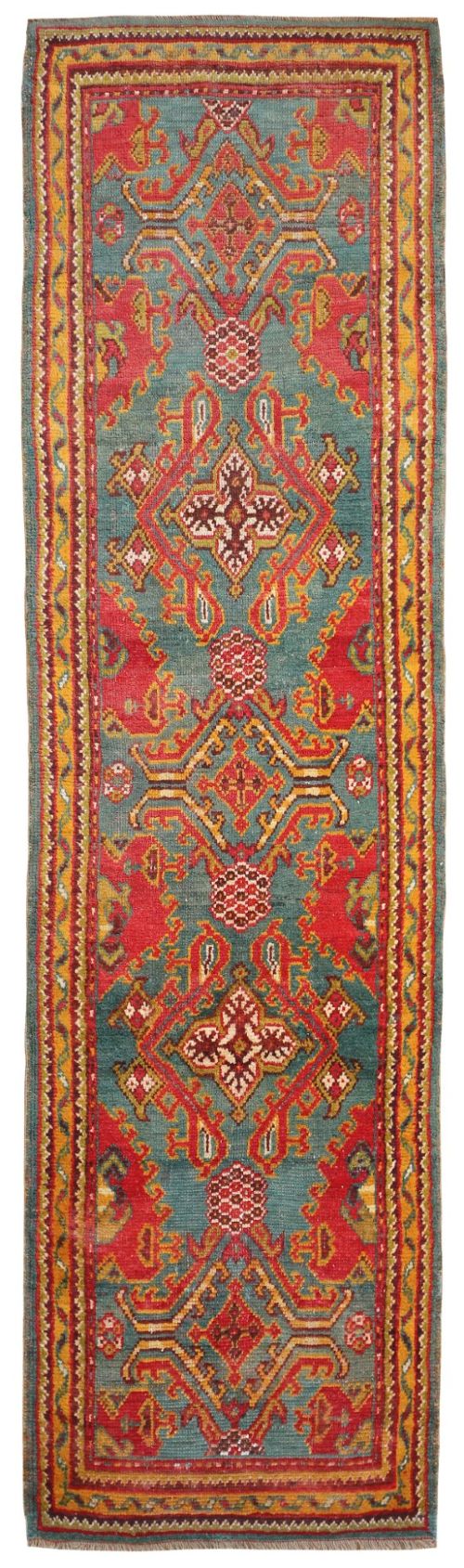
Buyers encounter pieces spanning from the mid-nineteenth century through to the early decades of the twentieth century. The selection ranges from grand Oushak and Ushak formats down to utilitarian village runners and embroidered fragments.
Regional styles such as Konya, Kirsehir, Milas, and Yagcibedir appear frequently across these listings. Each weaving centre contributes specific geometry, colour palettes, and knotting densities to the runner format.
How they were made
Weavers relied principally on wool, cotton, and silk, sometimes incorporating metallic thread or art silk for highlights. Hand-spun wool forms the foundation of many older tribal pieces, providing resilience and a tactile pile.
Construction methods shift between hand-knotted pile carpets and flat-woven kilims or embroidered fragments. Artisans tied symmetrical or asymmetrical knots on vertical looms or interlaced warp and weft threads to create reversible slit-weave surfaces.
Some nineteenth-century village weavers split their kilims into two separate parts, joining them down the centre just to create a longer hallway runner.
What varies in quality
Knot density and the quality of the wool dictate much of the structural integrity in these runners. Finer spinning and tight packing of the foundation threads yield greater durability and sharper definition in the geometric or floral patterns.
The integrity of the dyes and the preservation of the original borders or selvedges distinguish finer examples. Patination from age and wear alters the surface tone, rewarding pieces that retain balanced proportions and uncompromised structural edges.
The Turkish Runner Rug Glossary
- Kilim
- A flat-woven carpet or runner produced without a pile by tightly interweaving warp and weft strands. This technique creates a lightweight, reversible textile with sharp geometric motifs.
- Oushak
- A classification of carpet originating from the town of Usak in western Anatolia, known for large-scale floral designs and a soft, lustrous wool palette. These pieces often feature muted terracotta, gold, or blue tones.
- Prayer rug
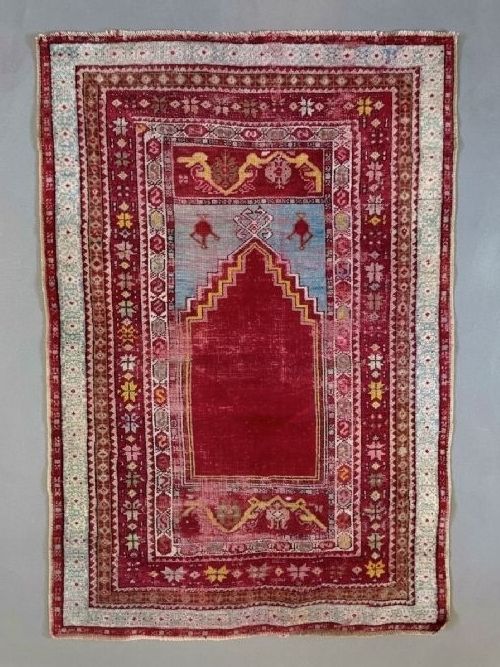
- A small format textile featuring a mihrab or niche design at one end, historically oriented towards Mecca during daily prayers. These rugs frequently incorporate symbolic motifs such as trees of life or lamps.
- Warp
- The vertical foundation threads stretched tightly on a loom before weaving begins. The weft threads pass horizontally through the warp to secure the knots or flat weave.
- Anatolian
- Pertaining to the geographic peninsula of Asia Minor that constitutes the Asian portion of Turkey. This region encompasses numerous distinct weaving villages, nomadic tribes, and urban workshops.
Turkish Runner Rug: Frequently Asked Questions
How do I style a long narrow runner?
These elongated formats suit hallways, galleries, and narrow landings where linear floor space requires visual warmth. Their balanced proportions draw the eye down a passage while protecting high-traffic wooden boards.
Pairing a tribal or village runner with neutral surroundings allows the traditional Anatolian geometry and varied wool pile to stand out without competing with surrounding furniture.
What is the difference between a kilim and a pile rug?
Pile rugs are constructed by knotting individual strands of wool, silk, or cotton around the warp threads and shearing the ends to create a plush surface. Kilims are flat-woven without a pile, relying on interlocking weft threads to form crisp, graphic patterns.
This structural difference gives kilims a thinner profile that lies flat against the floor, whereas pile runners offer a softer, more cushioned underfoot experience.
How can I tell the age of an antique runner?
Dating relies on examining the materials, dye types, and structural wear visible across the foundation. Hand-spun wool, natural dye variations, and specific regional motifs from centres like Ushak or Konya point toward nineteenth-century production.
Structural irregularities in the weaving and the natural softening of the wool pile over generations offer further clues to a piece's vintage origins.
How should I care for antique wool textiles?
Gentle vacuuming without a rotating brush roll prevents dust accumulation in the wool pile while protecting fragile foundation threads. Keeping the textile away from prolonged direct sunlight preserves the natural dyes used in these traditional weaves.
Professional specialist cleaning is recommended for antique pile rugs and kilims to maintain the integrity of the natural fibres and hand-spun materials.