





Tulip Glass Lamp
These tulip glass lamp options bring genuine period character to a room through distinctive floral forms and warm, filtered illumination.
Tulip Glass Lamp
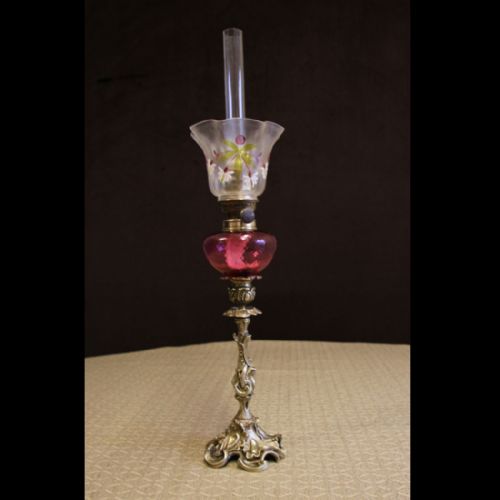
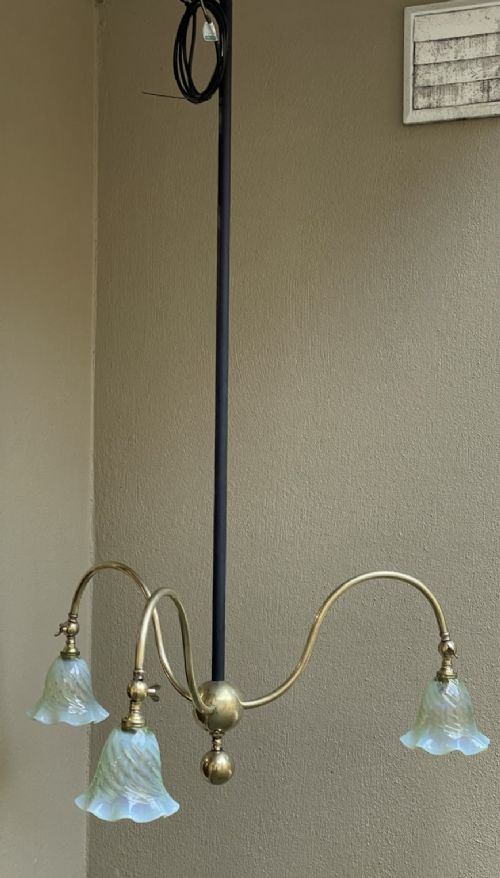
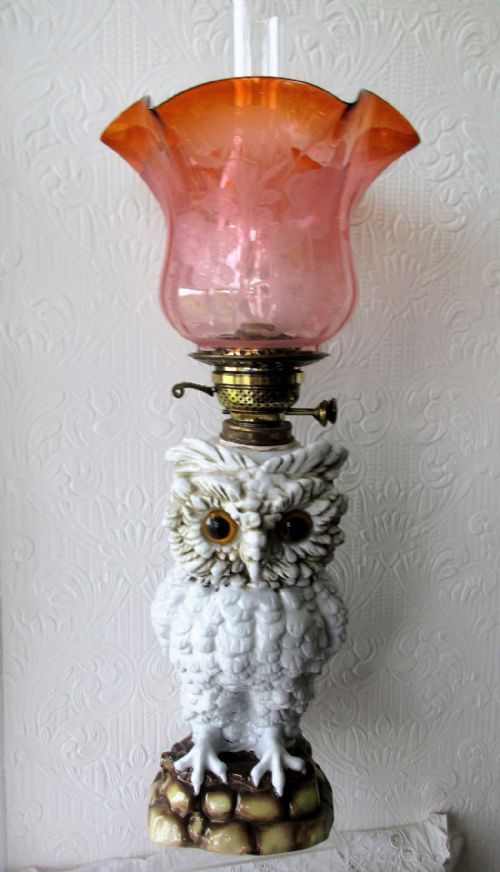
A tulip glass lamp encompasses lighting fixtures and individual shades shaped to recall the petals of a tulip, spanning periods from the late nineteenth century into the 1930s. The listings here include Victorian oil lamps, Edwardian desk lamps, and ceiling lights featuring shaped glass alongside brass and porcelain components.
Buyers will most frequently encounter nineteenth-century and early twentieth-century designs, particularly Victorian oil lamps with etched or coloured glass shades and Edwardian brass desk lamps. These pieces originate from British, French, and German makers, utilising forms like standard lamps, chandeliers, and table fixtures.
The selection ranges from simple frosted glass shades to elaborate gilt bronze notary lamps and multi-light fixtures. Each piece demonstrates the period preference for botanical motifs applied to functional domestic and municipal illumination.
How they were made
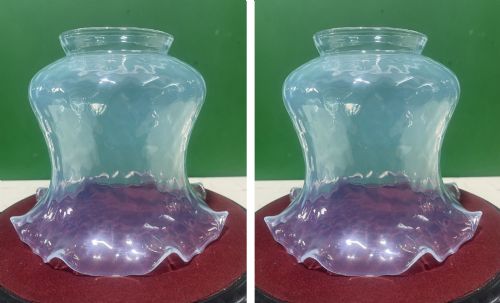
The construction relies on combining moulded or blown glass with structural metalwork in brass, gilt bronze, and iron. Glassmakers shaped frosted, opalescent, and enamelled glass to capture the characteristic curves of a tulip flower.
Metal components such as brass columns, swan-neck frames, and cherub arms were cast and turned to support the delicate glass shades securely. Techniques included acid-etching surface patterns onto the glass and applying gold leaf details to the metal mounts.
Tulip Glass Lamp Retail Price Guide 2026
Typical asking prices for tulip glass lamp among the pieces listed under this phrase on Sellingantiques today, from the lower quarter to the upper quarter. They describe what is for sale here now, not the wider market.
Listings feature items from the Victorian, Edwardian, and Arts and Crafts periods, utilising glass, brass, and porcelain.
What varies in quality
Quality rests upon the crispness of the glass moulding and the depth of the decorative etching on the tulip shades. Heavier gauge brass and refined casting on the lamp bases distinguish superior examples from standard commercial production.
The integration between the glass element and its metal mount shows the maker's hand, where well-fitted collars and balanced proportions create a harmonious object.
Sitzendorf
The Tulip Glass Lamp Glossary
- Opalescent glass
- Glass that exhibits a milky, semi-translucent appearance with soft shifting tones of colour when lit. This material diffuses light gently and was favoured for softening harsh interior illumination.
- Duplex burner
- A double-wick mechanism found on nineteenth-century oil lamps that provided a brighter flame. It requires specific gallery fittings to hold matching tulip shades securely in place.
- Gilt bronze
- Metalwork coated with a thin layer of gold, often termedormolu. It provides a durable, lustrous surface finish on high-status lamp bases and mounts.
- Swan neck
- A curved metal arm shape resembling the neck of a swan, commonly used on desk lamps to direct the light downward. This profile allows the shade to be positioned over a specific workspace.
Tulip Glass Lamp: Frequently Asked Questions
What is a tulip glass lamp?
A tulip glass lamp is a period lighting fixture or shade moulded or shaped to resemble the petals of a tulip flower. These pieces typically date from the Victorian era through the early twentieth century and incorporate glass paired with brass, bronze, or porcelain.
They appear as oil lamps, desk lamps, chandeliers, and individual shades. The glass is often frosted, opalescent, or etched to diffuse light softly across a room.
How do I identify the period?
Dating relies on examining the materials, manufacturing techniques, and stylistic markers present in the metalwork and glass. Victorian pieces often feature heavy brass columns and etched green or clear glass shades, while Edwardian examples lean towards adjustable brass frames and opaline glass.
Later pieces from the 1930s introduce different alloy compositions and simpler geometric transitions. Comparing the mounting hardware and wiring style helps narrow down the decade of manufacture.
Can these lamps be used daily?
Many surviving lamps can be integrated into modern interiors with appropriate electrical rewiring by a qualified professional. Original oil lamps are frequently adapted for electricity while retaining their historic burners and shade holders.
Care should be taken to use compatible bulb wattages that respect the age and heat tolerance of the antique glass. Placing them on stable surfaces protects the heavier brass and glass components from accidental knocks.