



Tufted Wing Chairs
Tufted wing chairs offer deep comfort and period presence, bringing scrolled ears and buttoned upholstery into a room.
Tufted Wing Chairs
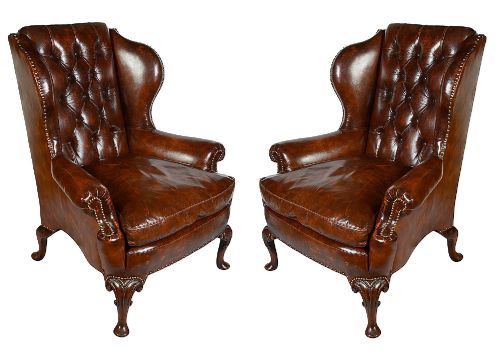
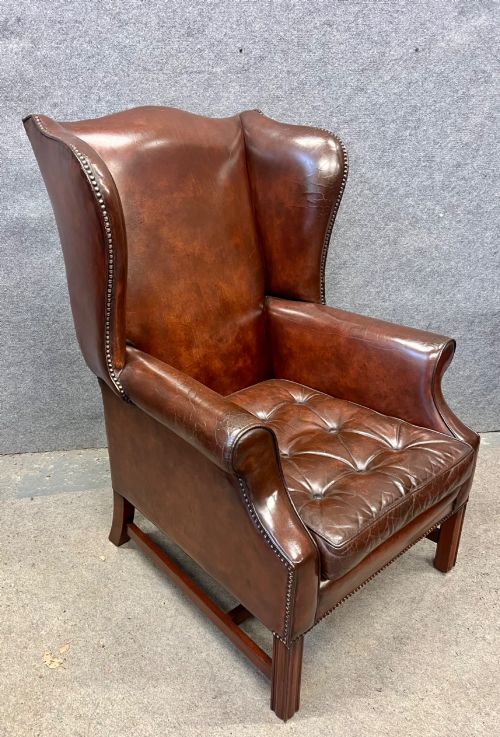
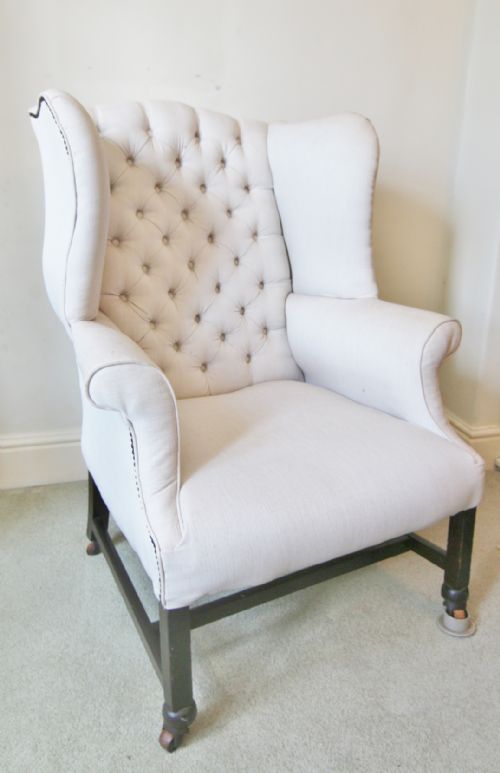
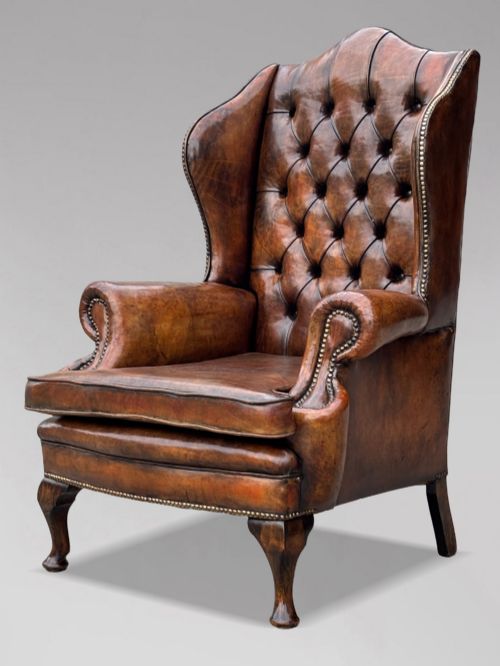
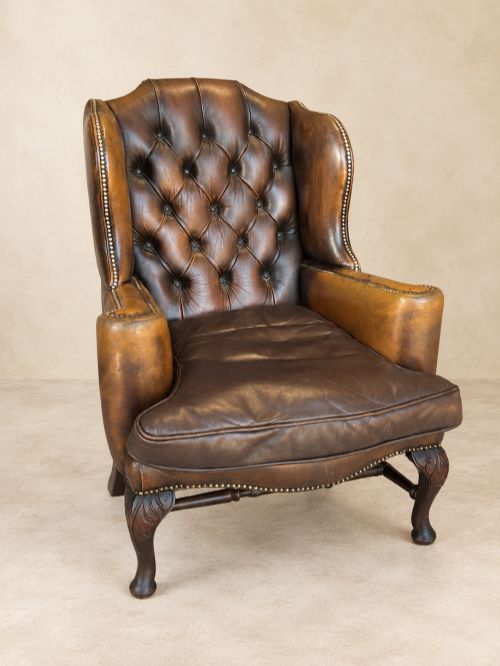
Tufted wing chairs combine high protective sides with buttoned upholstery to block draughts and provide formal seating. The form evolved through the Georgian and Victorian eras, carrying high backs and scroll arms designed for fireside warmth.
Leather dominates the selection here, alongside fabric, linen, and wood frames. Pieces range from genuine 18th century examples to later revival pieces from the Victorian, Edwardian, and 1920s periods.
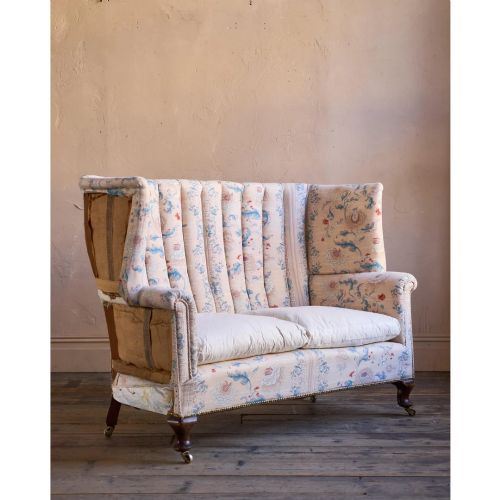
Armchairs form the majority of the available seating, accompanied by occasional sofas, settees, and barrel back variations. Most examples lean towards traditional mahogany or walnut construction beneath their upholstered skins.
How they were made
Makers built the structural frames using solid timber such as mahogany, walnut, and general hardwood. These frames provided the rigid skeleton required to support the substantial padding and tensioned leather or fabric.
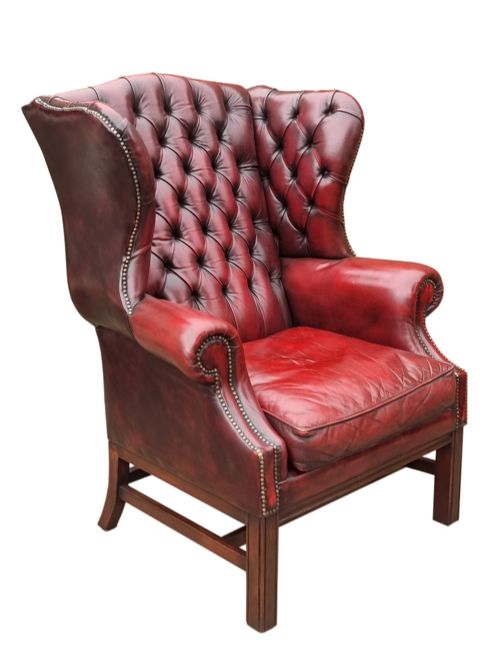
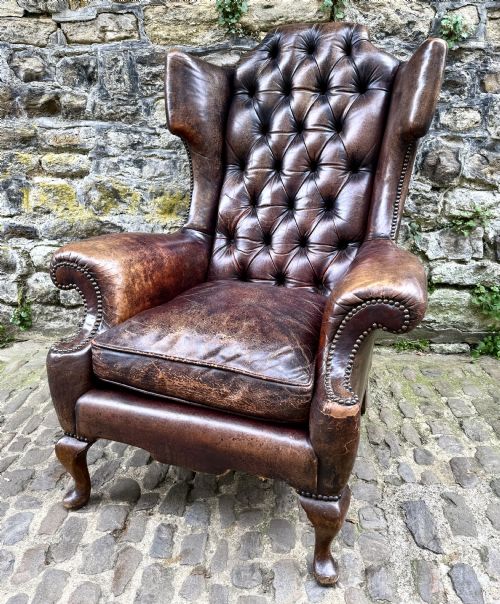
Upholstery techniques relied on deep buttoning through horsehair or similar stuffing to secure the surface and create the characteristic tufted pattern. Leather surfaces were often hand-dyed in tan, brown, burgundy, or oxblood tones.
Tufted Wing Chairs Retail Price Guide 2026
Typical asking prices for tufted wing chairs among the pieces listed under this phrase on Sellingantiques today, from the lower quarter to the upper quarter. They describe what is for sale here now, not the wider market.
Some Victorian armchairs feature carved lion details on the woodwork, letting fierce beasts guard your afternoon nap.
What varies in quality
Quality shows in the proportion of the wings and the crispness of the timber carving on the legs and stretchers. Earlier 18th century pieces display precise joinery and hand-carved details, while later revivals vary in the weight of the mahogany used.
The finish of the leather separates standard examples from finer ones. Hand-dyed hides with natural patination and uniform button tension indicate superior workshop execution compared to flat, machine-treated alternatives.
The Tufted Wing Chairs Glossary
- Wingback
- An upholstered chair featuring projecting side panels designed to shield the sitter from draughts. These ears form the defining silhouette of the seating type.
- Button back
- A method of upholstery where buttons are pulled deep into the padding at regular intervals. This creates a tufted surface that keeps the filling firmly distributed.
- Barrel back
- A seating form where the back and arms curve continuously in a semicircular shape. This hugs the sitter for added enclosure.
- Mahogany
- A durable, reddish-brown tropical timber favoured for furniture frames through the Georgian period. It takes a fine polish and supports intricate carving.
- Chesterfield
- A traditional style of heavily upholstered seating featuring deep buttoning and rolled arms of equal height to the back. It is frequently executed in leather.
Tufted Wing Chairs: Frequently Asked Questions
How do I spot an 18th century wing chair?
Examine the timber framing beneath the upholstery where accessible, noting the density and grain of the mahogany. Genuine pieces from this era show hand-cut joinery and period tool marks rather than modern fixings.
The shape of the wings and the sweep of the arms also reflect earlier proportions. Compare the stretcher construction with documented examples from the same decades to confirm authenticity.
What is the difference between Georgian and revival chairs?
Original Georgian chairs date from the 18th century and carry the wear of extended use. Revival pieces, built during the Victorian era or the 1920s, imitate these earlier styles using contemporary workshop methods.
While revivals often feature similar mahogany frames and leather upholstery, their timber seasoning and internal webbing reveal a later date of manufacture. Both types offer substantial comfort but differ in historical age.
How should I care for leather wing chairs?
Keep leather upholstery away from direct heat sources and strong sunlight to prevent the hide from drying out. Apply a suitable leather conditioner periodically to maintain flexibility and preserve the hand-dyed finish.
Dust the buttoned crevices regularly with a soft brush to prevent grit accumulation in the folds. Avoid harsh chemical cleaners that can strip the natural colour from the leather.
Where did wing chairs originate?
Wing chairs developed in Britain during the late 17th and early 18th centuries when domestic heating was less efficient. The high sides were engineered to trap heat around the head and shoulders of the sitter.
As domestic comfort priorities shifted, the form evolved from a purely functional draught-excluder into a status piece for libraries and drawing rooms. Cabinet makers refined the proportions through the Georgian reigns.