
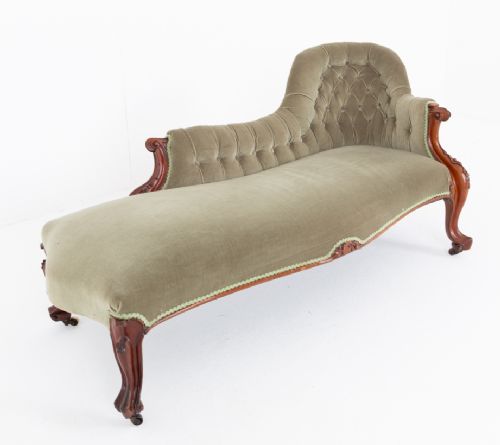


Tufted Back Daybed
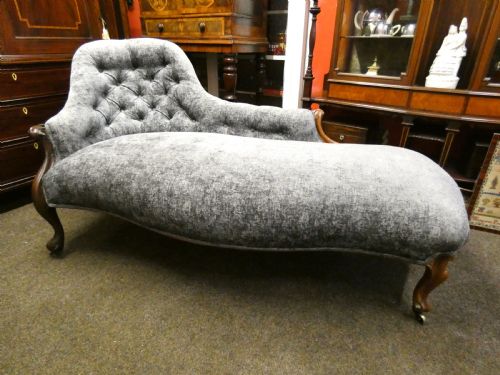
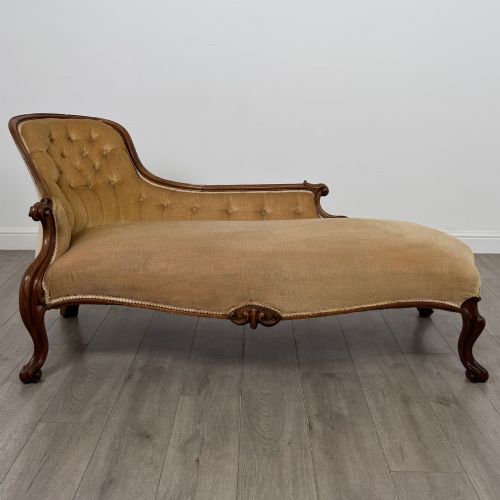
A tufted back daybed brings nineteenth-century lounging to a modern interior, offering a comfortable place to recline with classical lines.
Tufted Back Daybed
A tufted back daybed bridges the gap between a sofa and a bed, designed primarily for daytime reclining and long periods of rest. When exploring a tufted back daybed, buyers encounter forms that merge nineteenth-century seating with low upholstered frames, often appearing under related terms like chaise longue and day bed.
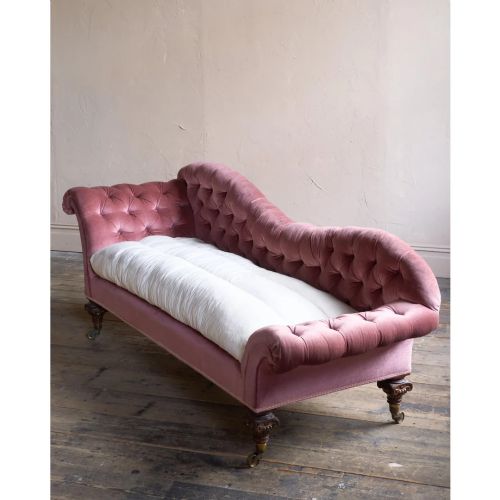
The pieces available originate predominantly from the nineteenth century and the Victorian era, spanning specific decades up to nineteen hundred. Examples take various structural shapes, including double spoonback frames, kidney sofas, and open arm settees alongside classical day beds.
Materials span traditional hardwoods paired with soft textiles and supple leathers, anchored by styles ranging from Regency and French nineteenth century to Louis XVI Revival and Victorian aesthetics.
Materials and construction
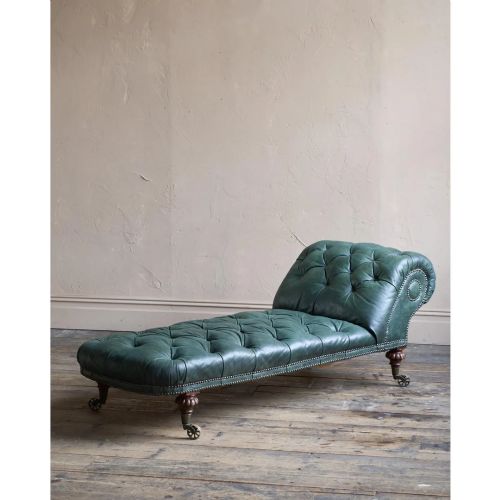
Upholstery techniques defined the comfort of the piece, utilising buttoning and tufting across velvet, leather, and fabric coverings. This soft padding was secured over sprung or webbed bases within frames dating from the Regency period through to the early twentieth century.
Nineteenth-century makers thoughtfully designed asymmetrical backrests so lounging ladies could recline gracefully without disturbing their elaborate hairstyles.
Distinctions in quality
Quality rests in the crispness of the timber carving and the architectural integrity of the frame, where dense hardwoods like rosewood and mahogany support elaborate forms better than softer woods. Superior examples display refined proportions, particularly in the sweep of the single raised end and the symmetry of carved details.
The execution of the upholstery work marks another clear division, with precise buttoning and high-grade leather or velvet elevating the piece. Maker attribution, such as work originating from noted nineteenth-century workshops, further separates standard production from exceptional furniture.
Holland and Sons·Miles and Edwards·Howard and Sons
The Tufted Back Daybed Glossary
- Chaise Longue
- A long upholstered chair for reclining, featuring a backrest at one end and sometimes a partial arm. This form serves as the primary seating shape found among nineteenth-century daybed listings.
- Buttoning
- A method of upholstery where buttons are pulled deep into the padding in a grid pattern to create tufts. This technique secures the filling and gives the characteristic textured surface to the backrest.
- Spoonback
- A chair or sofa back shaped like the bowl of a spoon, curved to fit the human spine. Victorian examples frequently utilise this ergonomic form for enhanced support.
- Ionic Column
- A classical architectural column style featuring scroll-shaped ornaments on the capital. Some nineteenth-century daybeds incorporate these columns directly into the wooden leg design.
- Bobbin
- A turned furniture leg or stretcher shaped like a succession of wooden bobbins or spools. This decorative turning method appears on nineteenth-century daybed frames.
Tufted Back Daybed: Frequently Asked Questions
Where did people place daybeds in nineteenth-century homes?
These pieces sat primarily in drawing rooms, libraries, or boudoirs where occupants could rest during the day without retiring to a bedroom. Their dual nature as seating and lounging furniture made them versatile additions to formal public rooms.
They often stood against a wall or functioned as a room divider, displaying the decorative carved back and single raised end to best effect.
How do I distinguish a Victorian daybed from a Regency one?
Regency daybeds usually display cleaner classical lines influenced by ancient Greek and Roman designs, often featuring dark mahogany and restrained mounts. Victorian pieces tend to be heavier and more ornate, embracing rich rosewood or walnut with deep buttoning and elaborate carved woodwork.
Looking at the timber selection and the style of the legs provides the clearest indication of the manufacturing period.
Are these daybeds comfortable for daily sleeping?
Nineteenth-century daybeds were designed primarily for daytime resting and reclining rather than overnight sleeping. The narrow width and raised backrest suit sitting or lying down with support, but they lack the dimensions of a standard bed.
Modern users generally employ them as reading spots or sophisticated seating alternatives in living spaces.