

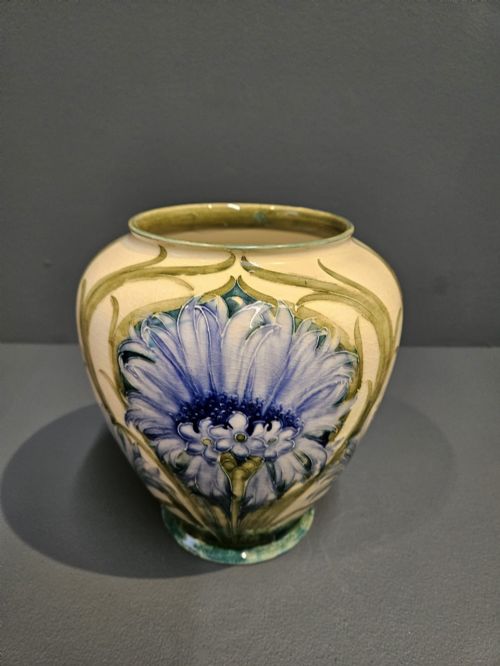
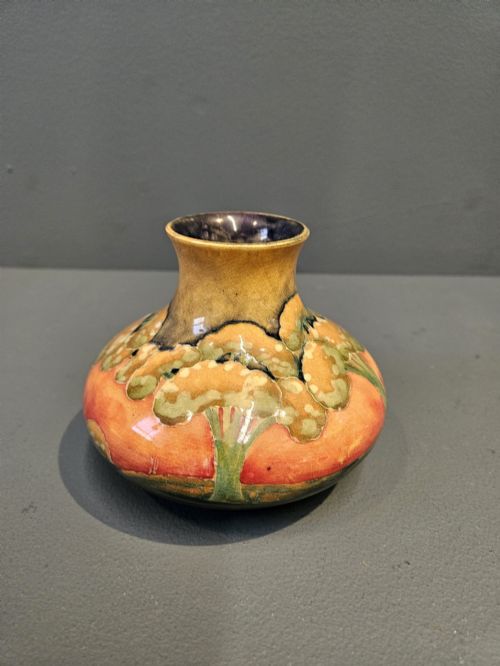
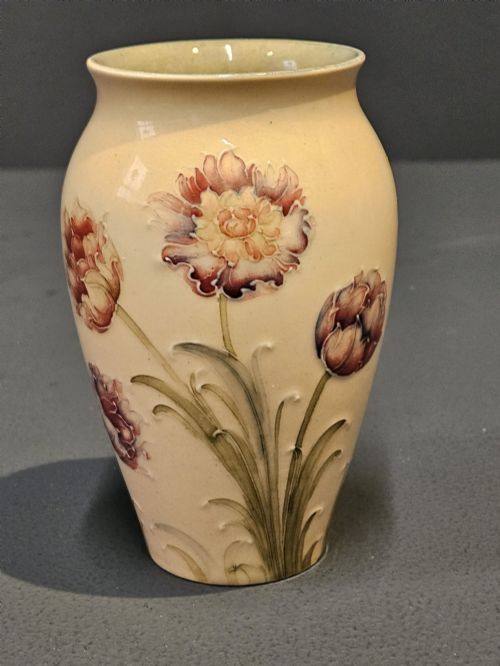
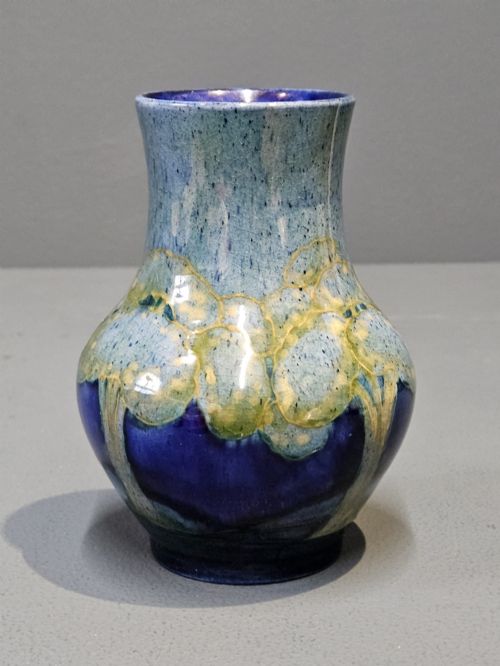
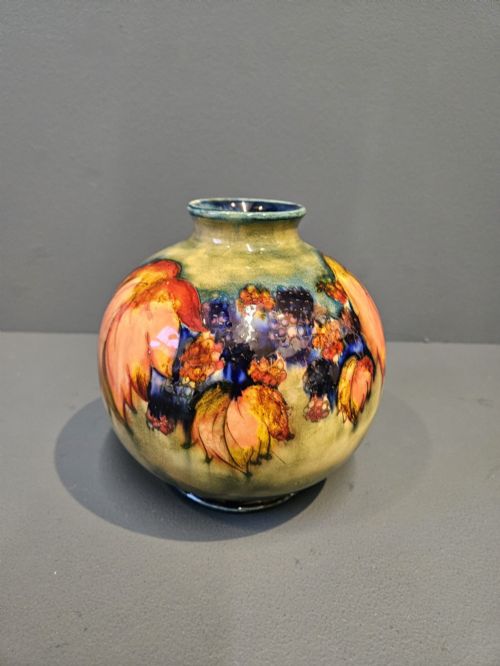

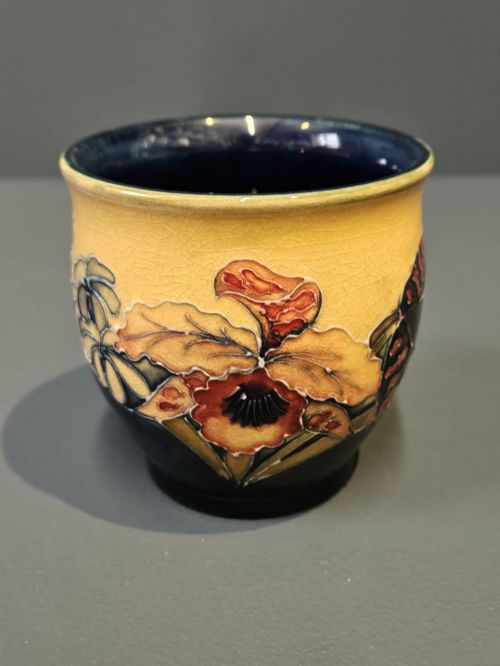
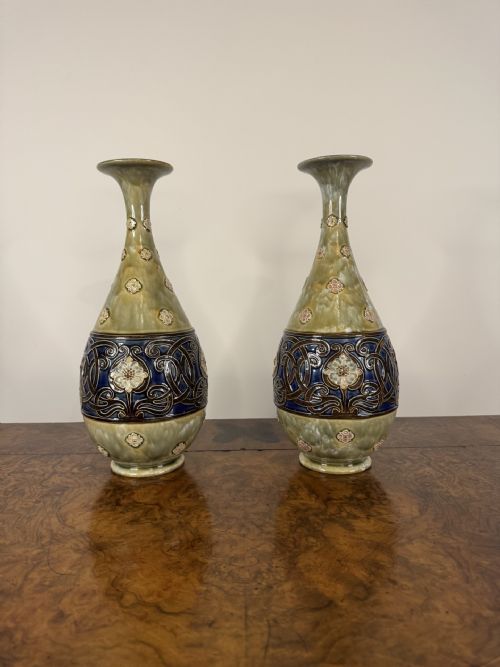


Tubelined Pottery Vessel
A tubelined pottery vessel brings rich tactile depth and vibrant colour into a room, making it a rewarding choice for any collector.
Tubelined Pottery Vessel
A tubelined pottery vessel is defined by raised outlines that form intricate patterns on the surface. When searching for a tubelined pottery vessel, buyers typically encounter pieces originating from the late nineteenth century through to the interwar decades.
The selections available here span key aesthetic movements including Art Nouveau, Art Deco, and the Arts and Crafts tradition. Vases represent the primary form found across these periods, ranging from compact cabinet pieces to substantial baluster shapes.
Examples date from eighteen-eighty to nineteen-thirty, capturing shifts in design from organic floral motifs to geometric modernist lines. Earthenware and stoneware serve as the predominant bodies for these decorated forms.
How they were made
Potters built these vessels using earthenware or stoneware clay bodies, often shaping them on a wheel or in moulds. The signature raised lines were created by squeezing a thin stream of liquid clay, known as slip, through a tube onto the unglazed body.
Makers filled the resulting compartments with coloured glazes before firing the ceramic in a kiln. Some pieces received specialist treatments such as flambe glazes to achieve rich, mottled surface effects during the high-temperature process.
Tubelined Pottery Vessel Retail Price Guide 2026
Typical asking prices for tubelined pottery vessel among the pieces listed under this phrase on Sellingantiques today, from the lower quarter to the upper quarter. They describe what is for sale here now, not the wider market.
Early decorators used rubber bulbs with fine nozzles, much like pastry bags, to pipe the wet clay lines onto raw pots.
What varies in quality
The precision and height of the raised slip lines dictate much of the visual appeal. Crisp, well-defined barriers keep the bright glazes from bleeding into one another during the kiln firing.
Surface finish also distinguishes standard examples from exceptional ones, particularly where specialist glaze effects like flambe are employed. The harmony of the colour palette across the raised design marks the skill of the original decorator.
Moorcroft·Royal Doulton·Cranston·Charlotte Rhead
The Tubelined Pottery Vessel Glossary
- Tubelined
- A decorative technique where liquid clay is squeezed through a nozzle onto a pottery body to create raised outlines for holding coloured glazes. This method creates a distinct tactile boundary between design elements.
- Slip
- Liquid clay used both as the medium for raising outlines and as a coating for the pottery body before firing. Potters mix clay with water and colourants to achieve the desired consistency.
- Baluster
- A vase form characterised by a rounded lower body that tapers towards a narrow neck and flared rim. This classical silhouette provides a stable base for elaborate surface decoration.
- Flambe
- A rich, variegated glaze achieved through reduction firing in a kiln, producing unpredictable and striking colour shifts. It requires precise control of kiln temperatures.
- Earthenware
- Porous pottery fired at lower temperatures, commonly used as the foundation for vibrant coloured glazes. It forms the body of many domestic and decorative art pottery pieces.
Tubelined Pottery Vessel: Frequently Asked Questions
How do I clean my vase?
Dust your ceramic vessel gently with a soft, dry cloth to remove everyday particles. Avoid using harsh chemical cleaners or submerging older pieces in water.
Moisture can seep into unglazed bases or historical body cracks over time. Gentle care preserves the original glaze surface.
How do I date these pieces?
Dating relies on maker stamps, painted signatures, and stylistic markers such as Art Nouveau curves or Art Deco geometries. Each pottery factory used specific base marks during different active periods.
Comparing the glaze palette and floral motifs to documented timelines helps narrow down the decade of production.
Where should I display them?
Place your vessel in a stable location away from direct sunlight and heavy foot traffic. Good natural light highlights the raised slip lines and rich glaze colours.
Ensure the surface is level and supports the weight of the ceramic safely. Mantelpieces and dedicated display cabinets work well.