



Tubelined Floral Vase
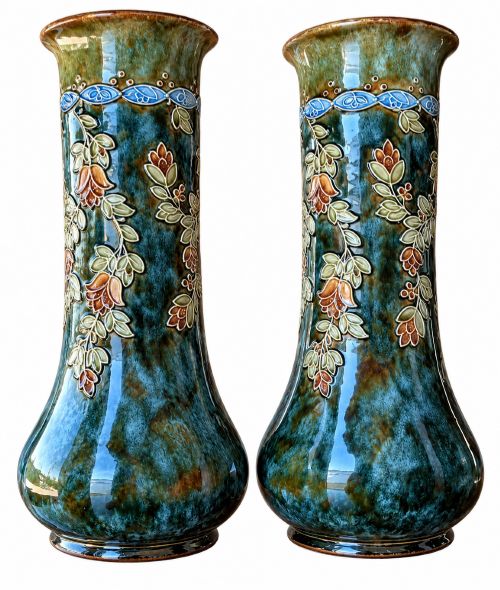
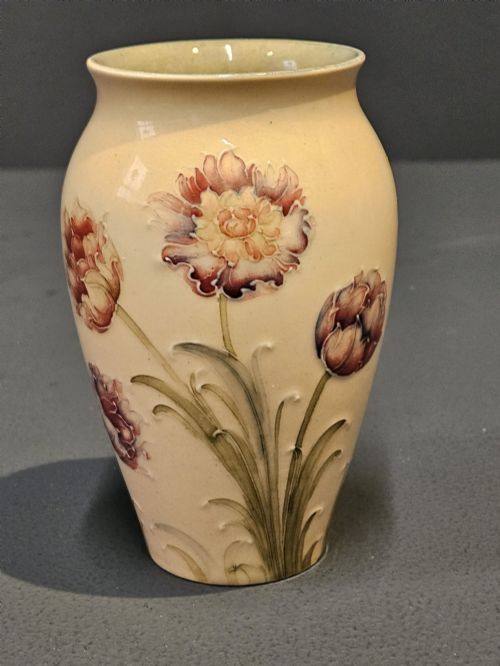
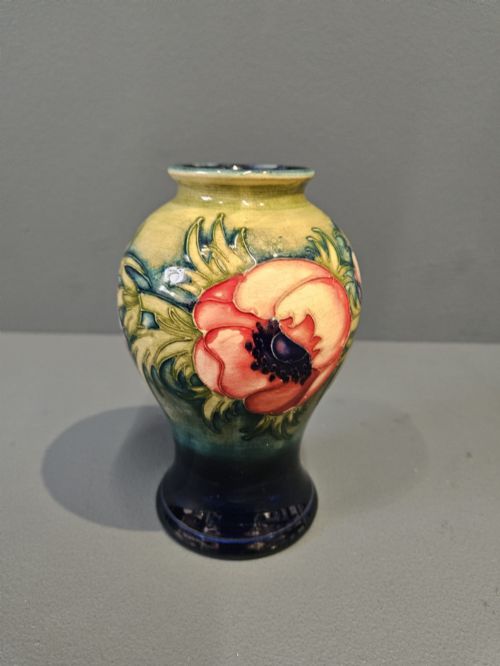
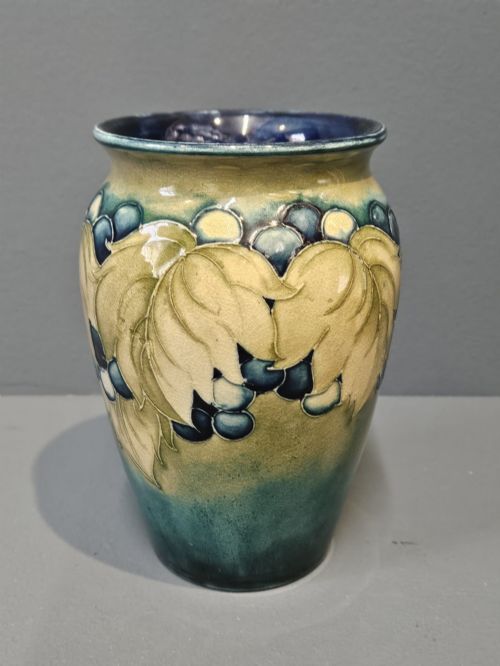
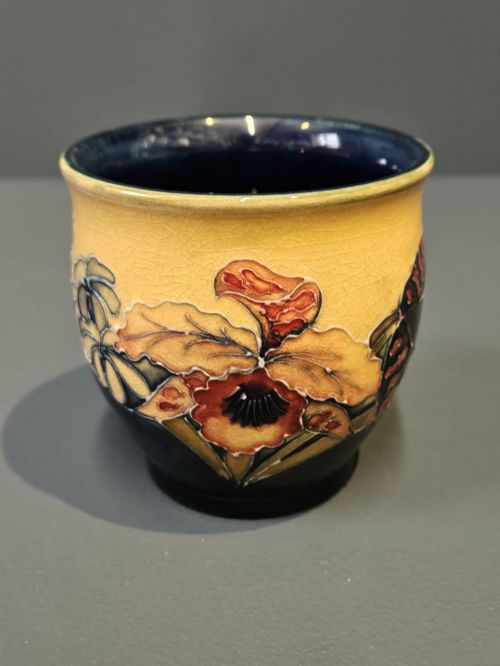
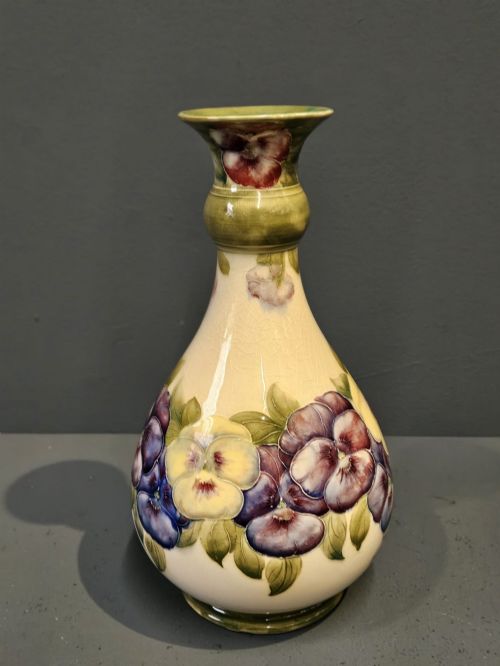
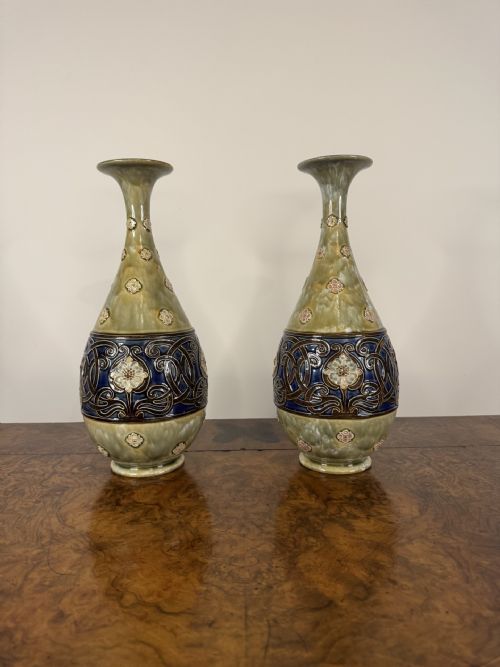
These tubelined floral vase examples bring together raised clay outlines and botanical motifs from the late nineteenth and early twentieth centuries.
Tubelined Floral Vase
A tubelined floral vase presents raised outlines that contain rich coloured glazes, forming distinct botanical patterns across the ceramic body. When you search for a tubelined floral vase, you encounter pieces spanning the Art Nouveau and Art Deco periods, created by prominent potteries and independent makers.
The selections available here include cabinet pieces, miniature vessels, baluster shapes and matched pairs from decades such as nineteen hundred, nineteen ten and nineteen twenty. Smaller examples share shelf space with substantial architectural or studio creations, offering various floral motifs from pansies to orchids.
Most items on this page date from the early twentieth century, reflecting the peak of British art pottery production. These vessels utilise traditional ceramic bodies finished with glossy or matte glazes that highlight the raised clay lines.
Materials and construction
Potters shape these vessels from earthenware and stoneware, building a durable ceramic foundation before applying decorative surface treatments. Earthenware bodies absorb glaze differently than dense stoneware, producing distinct surface textures across different manufacturing traditions.
Makers apply liquid clay, or slip, through a fine nozzle to draw raised outlines on the unglazed body, a technique known as tubelining. Coloured enamels and glazes are then hand-painted into the compartments formed by these clay barriers before the piece enters the kiln for firing.
Tubelined Floral Vase Retail Price Guide 2026
Typical asking prices for tubelined floral vase among the pieces listed under this phrase on Sellingantiques today, from the lower quarter to the upper quarter. They describe what is for sale here now, not the wider market.
Pansies and celadon glazes appear repeatedly, proving that early twentieth-century potters possessed an enduring fondness for purple flowers and pale green finishes.
Assessing quality
Quality rests upon the precision of the raised slip lines and the depth of the glaze palette. Crisp contours and smooth, even pools of colour distinguish finer studio output from standard commercial production.
The hand of the individual decorator plays a defining role, particularly on signed pieces where specific artists executed the tubelining and painting. Stronger examples display confident brushwork and balanced compositions that enhance the botanical subject matter.
Royal Doulton·Moorcroft·Louisa Wakely·Minton Secessionist·William Moorcroft
The Tubelined Floral Vase Glossary
- Tubeline
- A technique where liquid clay is piped onto a ceramic body through a nozzle to create raised outlines for enamel colours. This method creates cells that keep different glaze colours separated during firing.
- Earthenware
- A porous ceramic body fired at lower temperatures than stoneware, commonly used for decorative art pottery. It requires a complete glaze coating to become completely watertight.
- Stoneware
- A dense, impermeable ceramic fired at high temperatures until the clay vitrifies. This robust material withstands heavier use and supports rich, complex glaze reactions.
- Baluster
- A vertical vase form featuring a rounded lower body that tapers upward toward a narrow neck. This classic silhouette provides a stable base and an expansive surface for floral designs.
- Art Nouveau
- An international decorative style characterised by organic, fluid lines inspired by natural forms. It heavily influenced the floral motifs and curved shapes seen on early twentieth-century ceramics.
Tubelined Floral Vase: Frequently Asked Questions
How do I date these vases?
Dating relies on factory bottom marks, stylistic cues from Art Nouveau or Art Deco design, and recorded working periods of individual artists.
Pottery backstamps often change from decade to decade, helping narrow down the exact era of manufacture.
Are these pieces waterproof?
Most glazed ceramic and stoneware vessels hold water safely, though porous earthenware or antique pieces are often best kept dry.
Examining the interior glaze coverage helps determine whether a specific vase suits holding fresh flowers.
What styles are most common?
Art Nouveau designs dominate this category, featuring flowing plant motifs, sinuous stems, and stylised floral arrangements.
Later pieces sometimes edge into early Art Deco geometry, though organic flower patterns remain the central focus.