

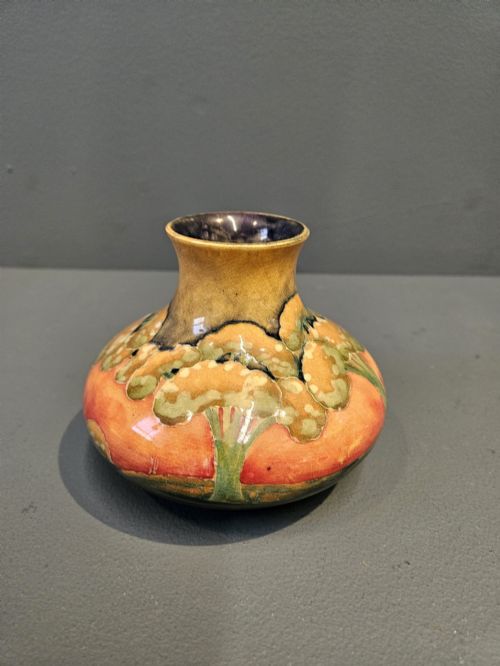
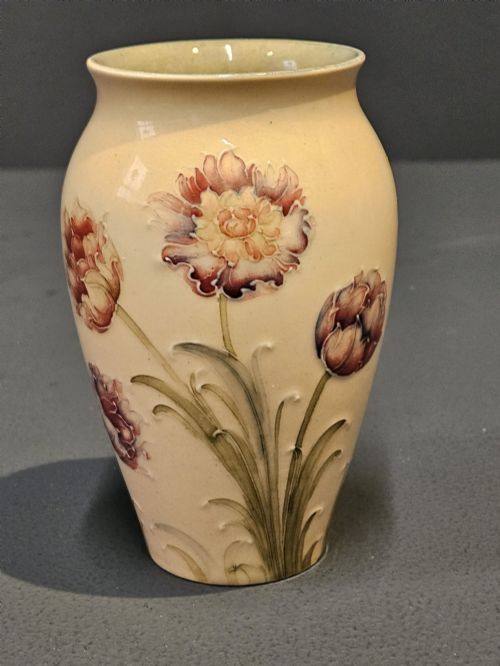
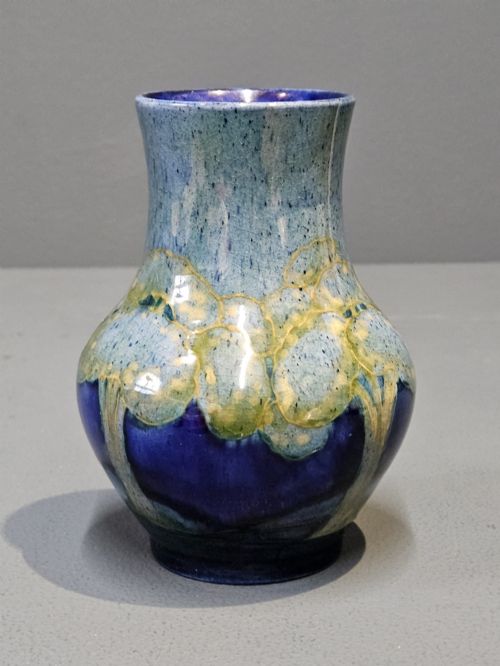
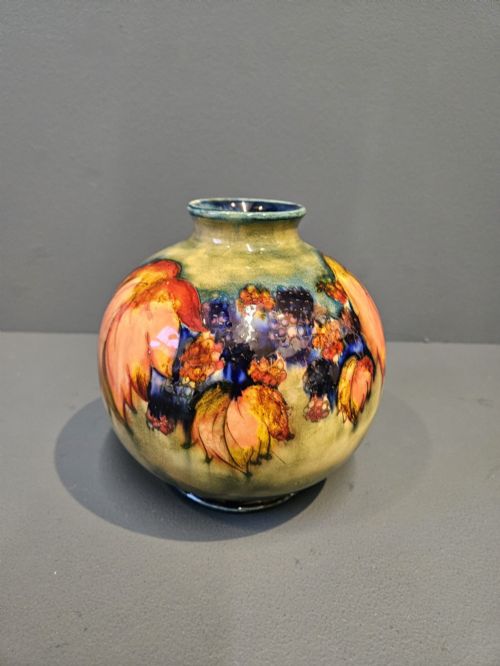


Tubelined Ceramic Vessel
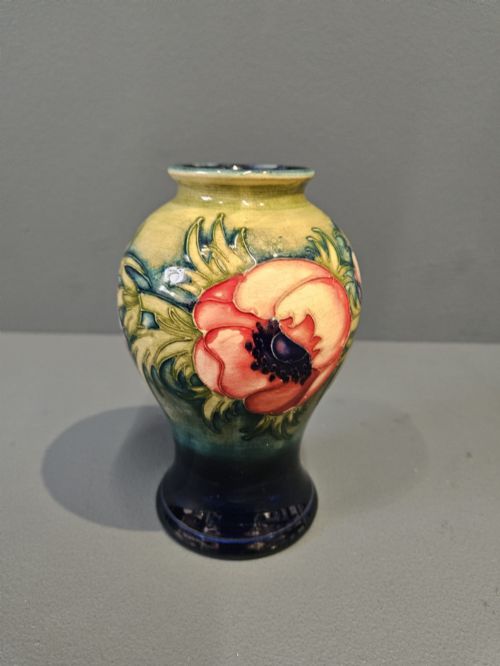
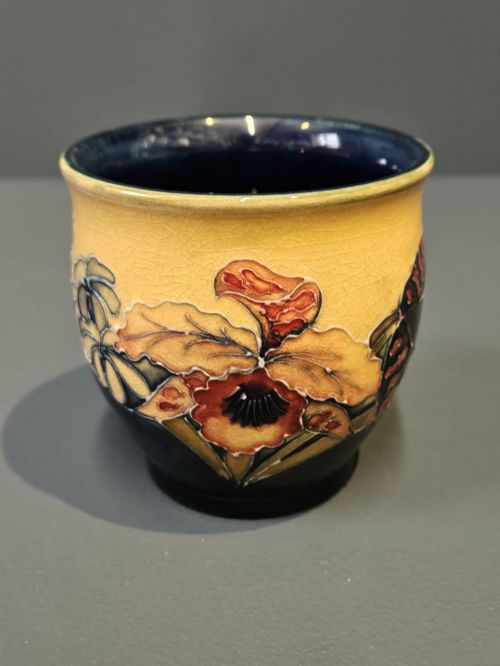
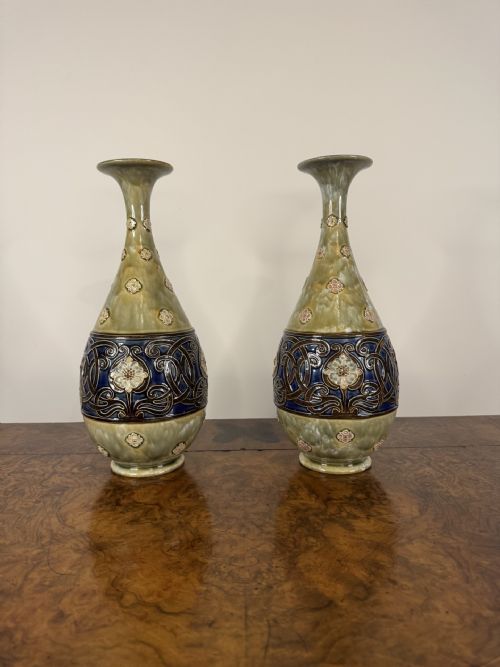
These tubelined ceramic vessel examples are raised-line decorated pottery works that bring rich tactile depth to an interior.
Tubelined Ceramic Vessel
A tubelined ceramic vessel is a decorated pottery piece defined by raised clay lines that form distinct boundaries for coloured glazes. The selection here spans from the late nineteenth century into the twentieth century, taking the form of vases ranging from baluster shapes to decorative vessels.
Makers working in the Arts and Crafts, Art Nouveau and Art Deco styles utilised this technique to create bold graphic patterns. The most common forms met on this page are earthenware and stoneware vases produced across several decades.
Collectors encounter pieces from prominent potteries alongside examples from English art pottery studios. Each era brings specific stylistic markers, connecting late Victorian designs to later twentieth century output.
How they were made
Potters applied liquid clay or slip through a fine nozzle onto an unfired clay body to create a raised outline of the design. This linear barrier held individual pools of coloured glaze separate during the high-temperature firing process.
Earthenware and stoneware bodies served as the foundation, finished with reactive glazes that pooled around the raised clay lines. Flambé effects and high-gloss finishes appeared through specialised kiln atmospheres and layered glaze applications.
Tubelined Ceramic Vessel Retail Price Guide 2026
Typical asking prices for tubelined ceramic vessel among the pieces listed under this phrase on Sellingantiques today, from the lower quarter to the upper quarter. They describe what is for sale here now, not the wider market.
Art Nouveau, Arts and Crafts, and Art Deco styles appear across the current selection.
What varies in quality
The precision and crispness of the raised slip lines dictate the visual clarity of the pattern. Finer vessels display even line thickness and careful control where complex motifs intersect.
Glaze application distinguishes standard production from exceptional pieces, particularly where varied tones or flambé effects create depth within the cells. The balance between the raised outline and the surrounding colour defines the success of the finished surface.
Moorcroft·Royal Doulton·Louisa Wakely·Cranston·Charlotte Rhead
The Tubelined Ceramic Vessel Glossary
- Tubelining
- A decorating technique where liquid slip is squeezed through a tube onto a clay body to form raised outlines. This method creates cells that hold coloured glazes during firing.
- Slip
- A mixture of clay and water suspended to a fluid consistency, used for casting, decorating or joining clay parts. In this context, it forms the raised boundaries of the design.
- Baluster
- A vertical architectural form with a rounded lower body and a narrower neck, commonly adapted for vase shapes. Many tall ceramic vessels adopt this balanced proportion.
- Flambé
- A rich, variegated glaze effect achieved through reduction firing, producing streaks of red, purple and blue. This unpredictable finish requires careful kiln management.
Tubelined Ceramic Vessel: Frequently Asked Questions
How do I clean my vase?
Dust these ceramic vessels gently with a soft, dry cloth to protect the glazed surface and raised slip lines. Avoid using harsh chemical cleaners or submerging older earthenware in water for extended periods.
Moisture can seep into unglazed bases or historical body cracks, so damp wiping should be done with care.
How do I date these pieces?
Dating relies on maker marks, impressed pottery stamps, and stylistic shifts spanning from the late Victorian era through Art Deco. Arts and Crafts and Art Nouveau designs often feature flowing organic motifs.
Later decades introduced geometric Art Deco patterns and brighter colour palettes that help narrow down the production period.
Where should I display them?
Place these vessels in areas with stable light and temperature away from direct, harsh sunlight that might affect the glazes over time. Position them where natural light can catch the raised tubelined contours.
Open shelving or mantelpieces provide sturdy platforms that highlight the varied profiles and rich colours of the pottery.