
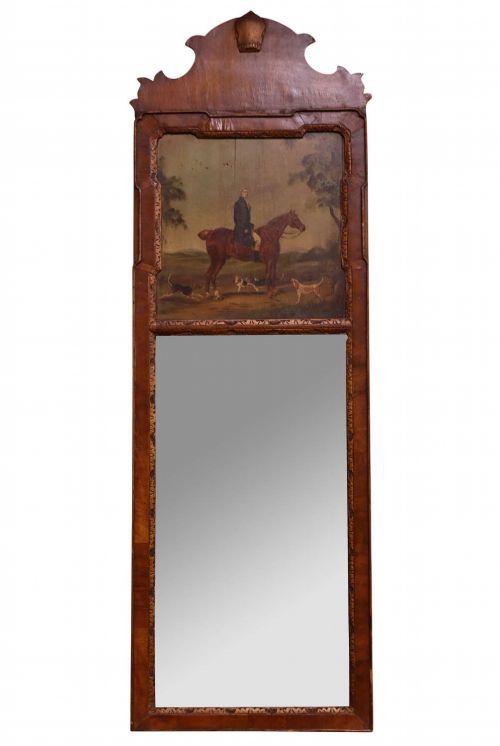
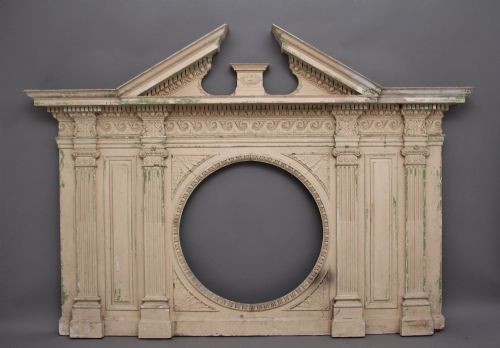


Trumeau Painting and Mirror
A trumeau painting and mirror combines architectural presence with fine art, offering a decorative wall piece that anchors a room.
Trumeau Painting and Mirror
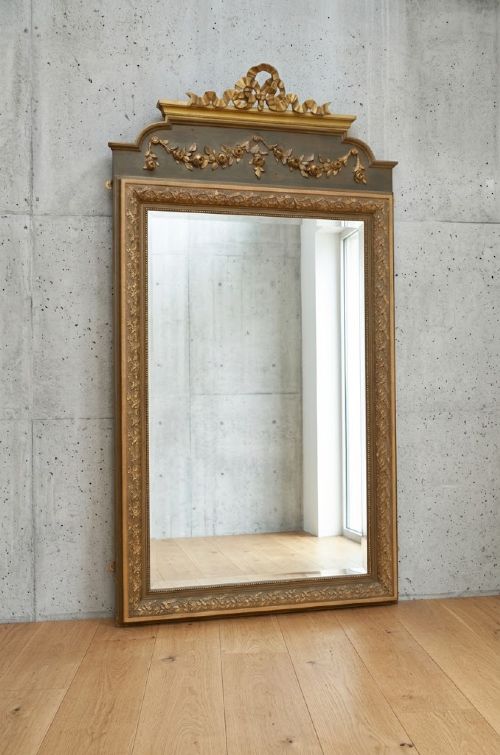
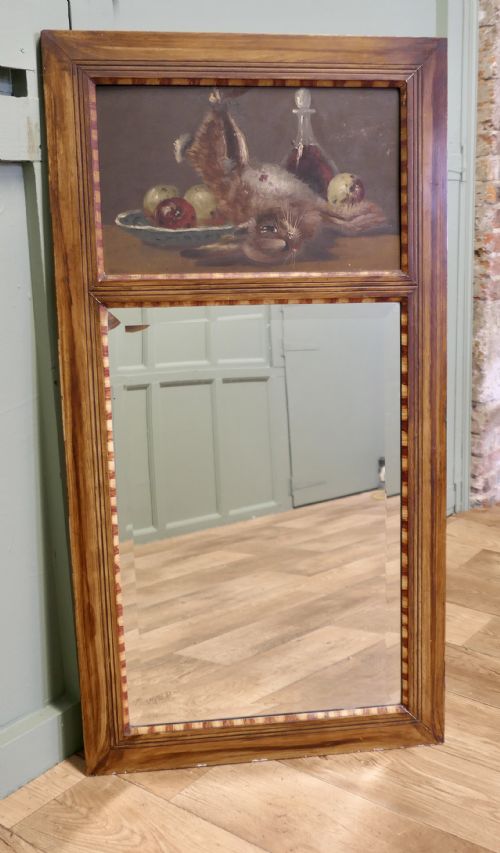
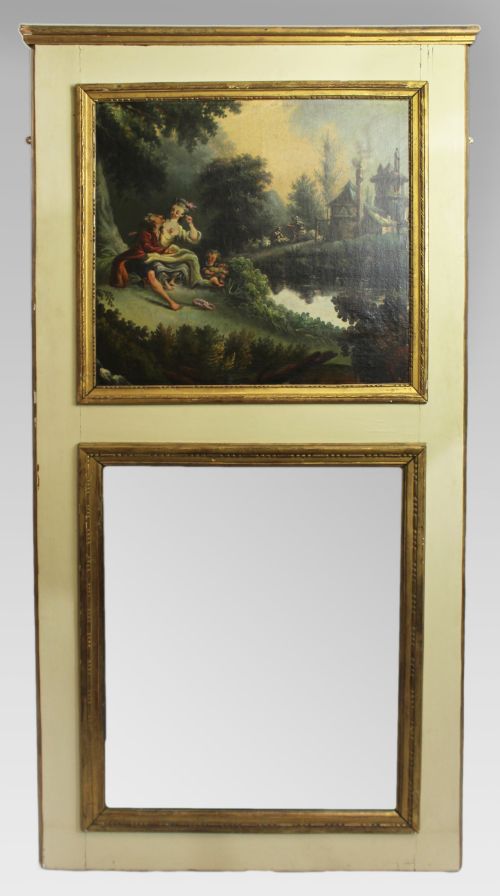
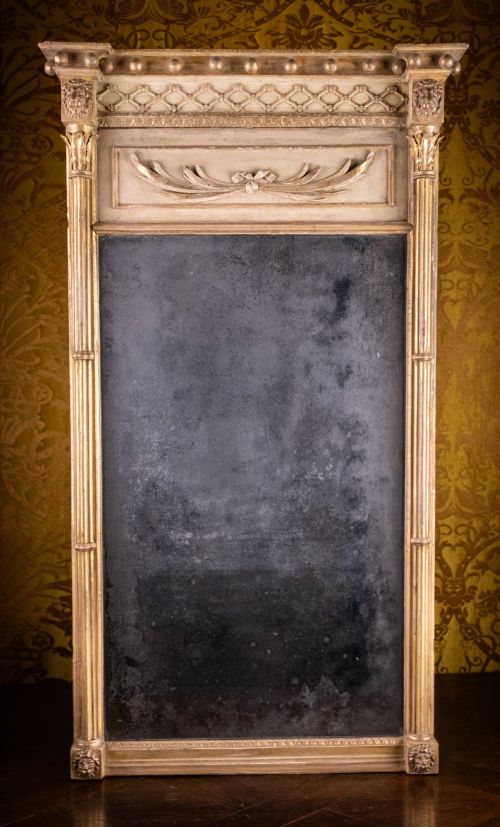
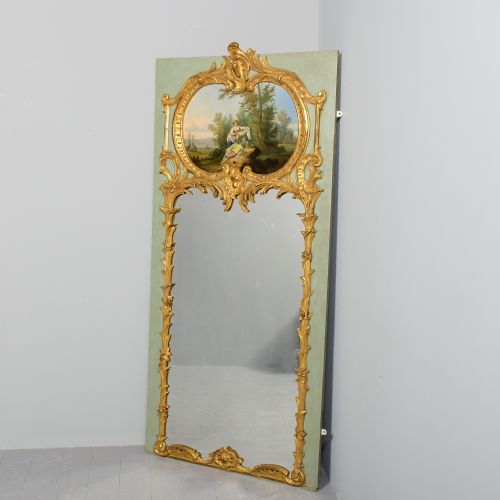
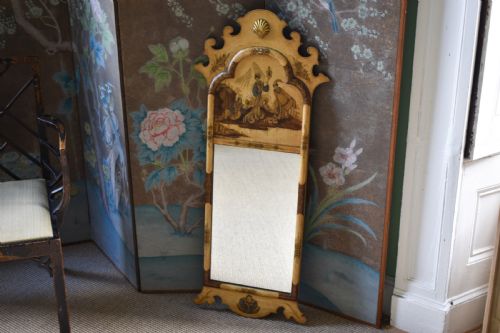
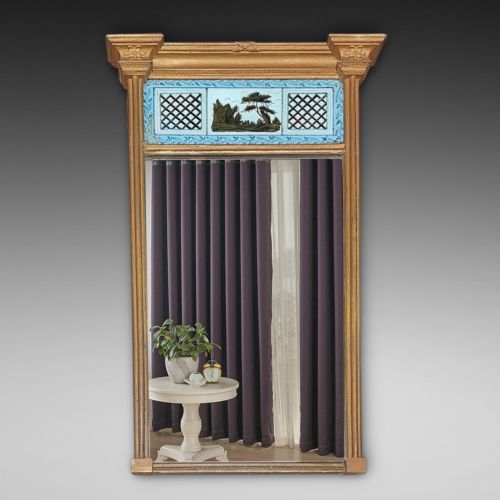
When you search for a trumeau painting and mirror, you are looking at an integrated architectural wall piece that pairs a looking glass with a decorative panel. These furnishings typically combine a lower mirror plate with an upper oil painting, reverse glass print, or carved motif.
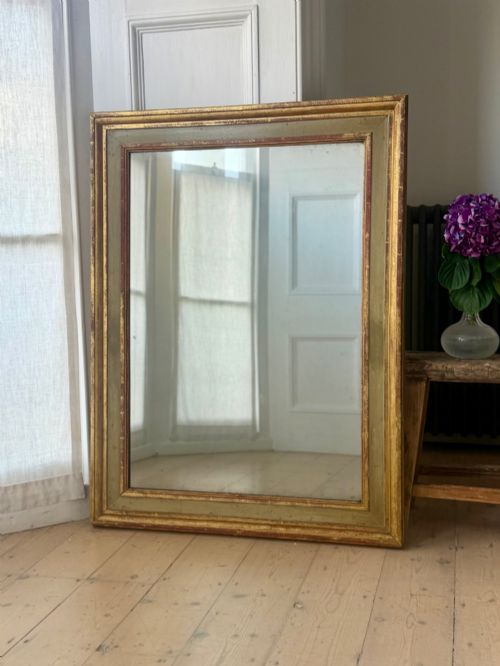
The versions you are most likely to meet on this page span from the eighteenth century through the early twentieth century. They appear in French Chateau, Regency, French Empire, and Queen Anne Revival styles, taking the form of pier mirrors, overmantels, and wall mirrors.
Materials and Construction
These items were constructed using wood frames of pine, walnut, maple, or mahogany, prepared with gesso and finished with paint, parcel gilding, or full giltwood. Artisans incorporated mercury glass or standard mirror glass into the lower section, often split into two distinct panes.
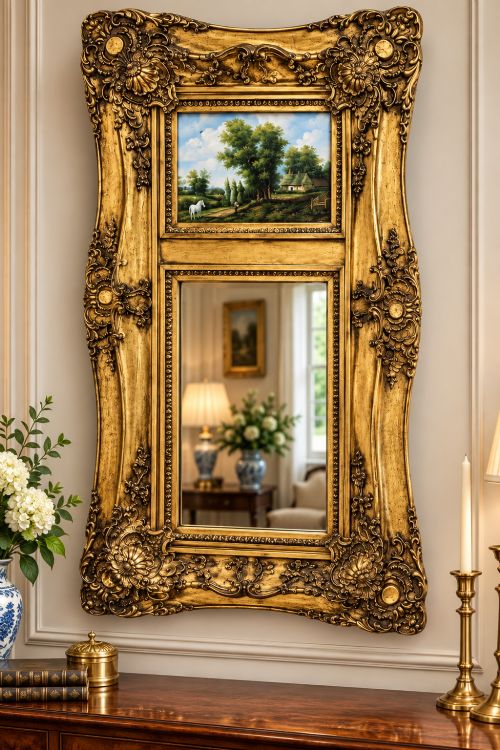
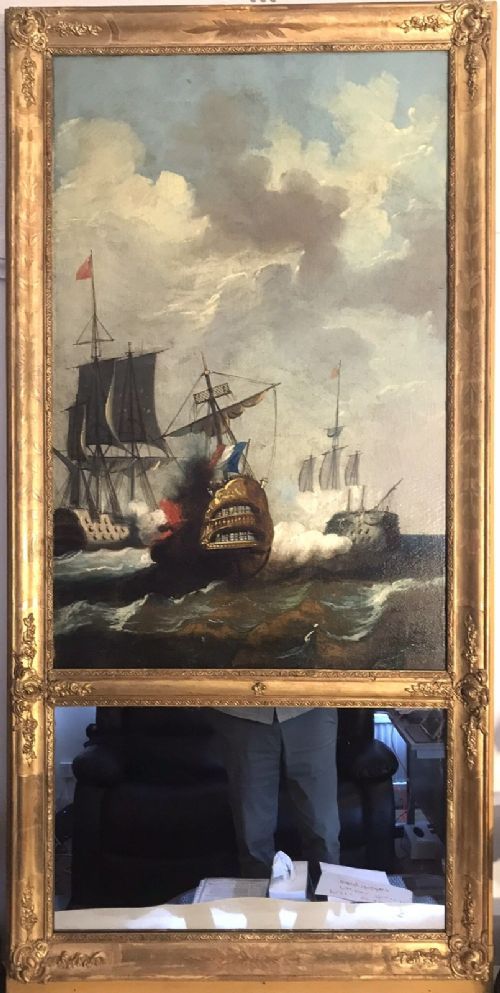
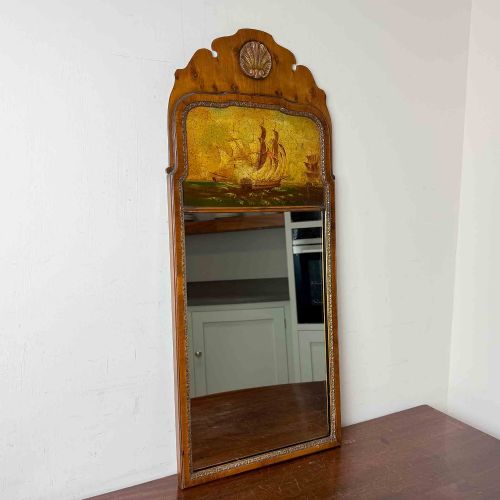
The upper panels showcase oil paintings depicting pastoral scenes, galleons, maritime engagements, and equestrian subjects, alongside verre églomisé panels. Carved details such as lion masks and ribbon crests complete the wooden framework.
Naval battles at sea share wall space with quiet pastoral cows and aristocratic equestrian riders.
Assessing Quality and Execution
The distinction between tiers rests upon the articulation of the carved wood and gesso ornamentation, and the finesse of the upper artwork. Hand-painted pastoral scenes or detailed maritime oil paintings elevate an example above standard decorative pieces.
Original mercury glass and period gilding contribute significantly to the character of an item. The integration between the mirror glass and the upper pictorial panel reveals the skill of the original workshop.
The Trumeau Painting and Mirror Glossary
- Trumeau mirror
- A decorative wall mirror featuring an upper panel containing a painting or carved motif above the glass. These were designed to fit the wall space between windows.
- Verre églomisé
- A process of applying gold or silver leaf to glass along with cold painting, creating a reflective, decorative panel. This technique appears frequently in Regency examples.
- Pier mirror
- A tall mirror specifically designed to hang on the pier, the solid wall space between two windows. They often coordinate with console tables placed underneath.
- Overmantel mirror
- A large horizontal mirror positioned directly above a fireplace mantel. Grand scale examples often incorporate architectural moulding and trumeau styling.
- Gesso
- A plaster-like mixture applied to wood frames to create a smooth surface for gilding or painting. Intricate raised decorations are often moulded in this material.
Trumeau Painting and Mirror: Frequently Asked Questions
Where were trumeau mirrors placed?
These furnishings were traditionally hung on the wall between two windows, known as the pier, to reflect light around the room. They were also placed above fireplace mantels as overmantels.
Their vertical proportions made them suitable for filling large expanses of wall in reception rooms and parlours.
What subjects appear in the paintings?
The upper panels frequently display pastoral landscapes, maritime scenes with galleons, equestrian subjects, or architectural views. Some examples feature decorative floral motifs or historical naval engagements.
These artworks were executed in oil paint or created as reverse glass prints on verre églomisé.
How do I date a trumeau mirror?
Dating relies on the stylistic markers of the frame, such as the neoclassical motifs of eighteenth-century pieces, the lion masks of the Regency period, or the revival styles of the early twentieth century.
The presence of original mercury glass and the construction methods of the wood backing also offer clues to the period of manufacture.
Are the paintings original to the pieces?
Many items retain their original oil paintings or decorative panels set into the wooden frame above the mirror glass. The integration of the panel and the surrounding gesso work generally indicates a unified period piece.
Examining the rabbet and the backboards can help determine if the upper panel and glass were constructed together.