


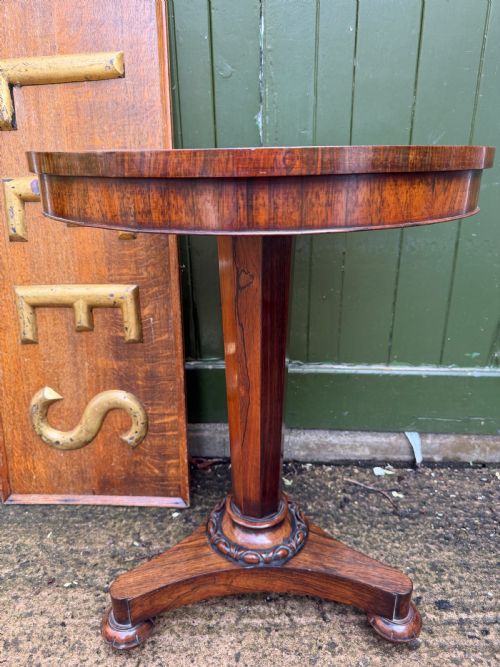
Tripod Base Lamp Table
Tripod base lamp tables are steady, compact surfaces designed to hold lighting and small objects, combining balance with traditional cabinetmaking.
Tripod Base Lamp Table
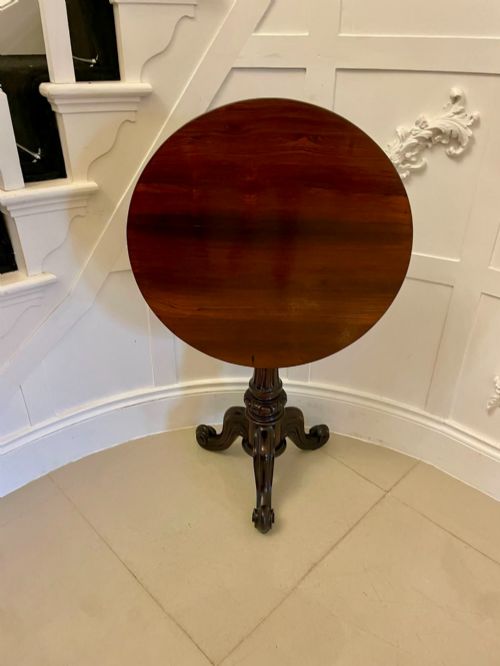
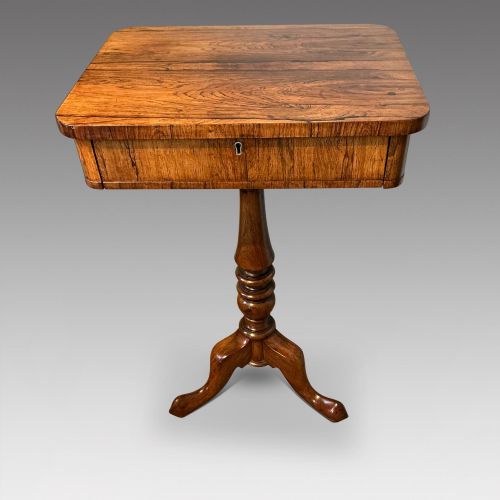
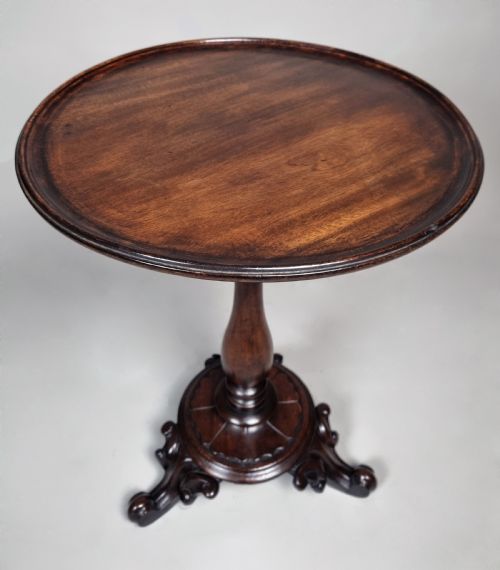
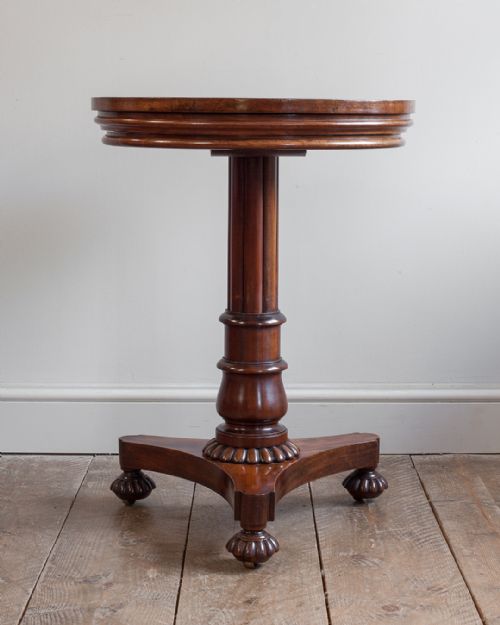
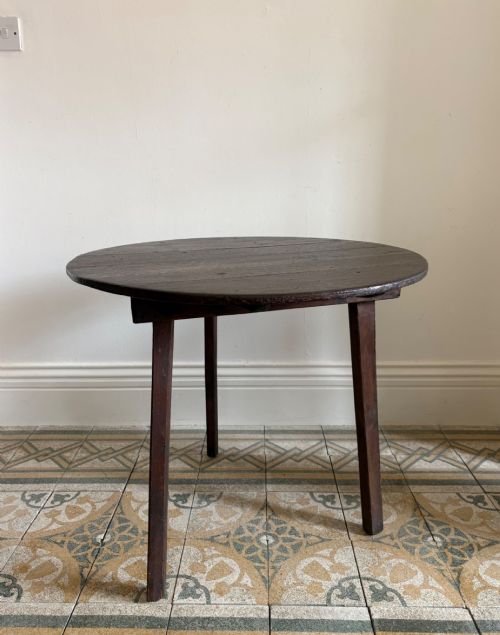
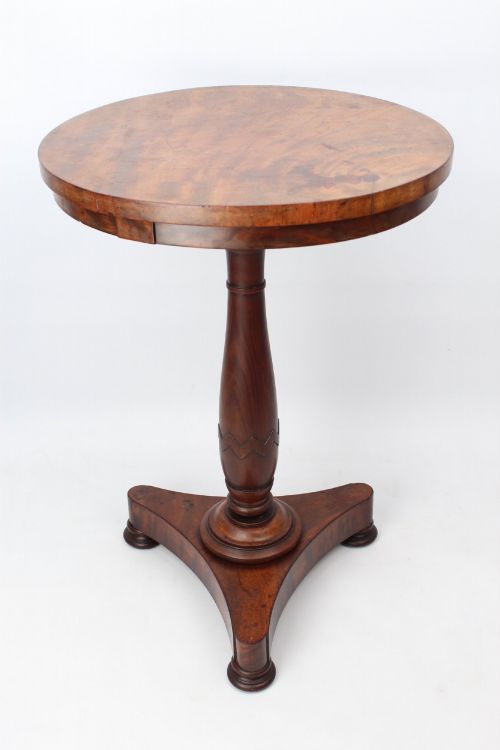
A tripod base lamp table provides a sturdy circular or occasional surface raised on a central pillar supported by three splayed legs. This search phrase encompasses pieces designed to sit beside seating or in corners, holding illumination.
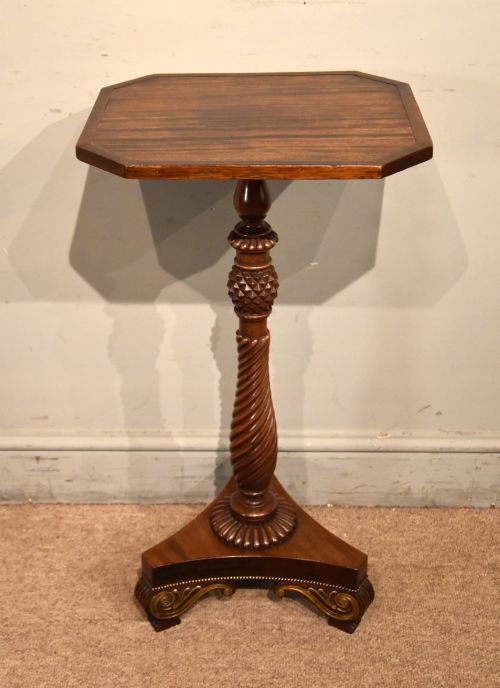
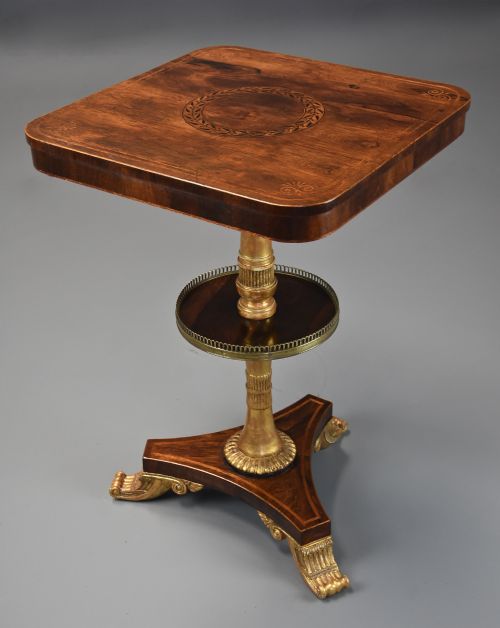
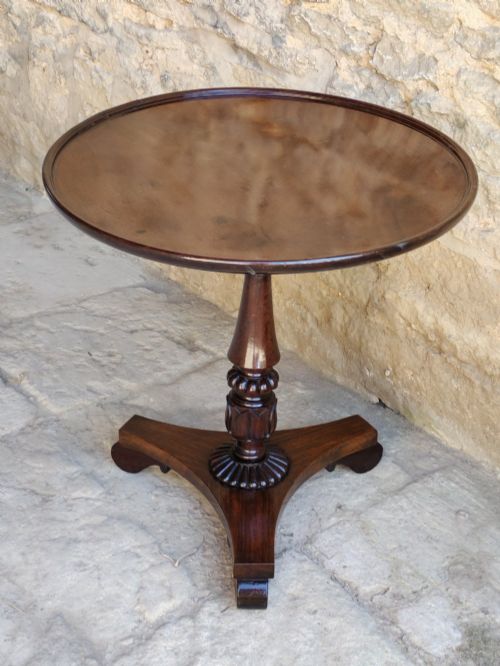
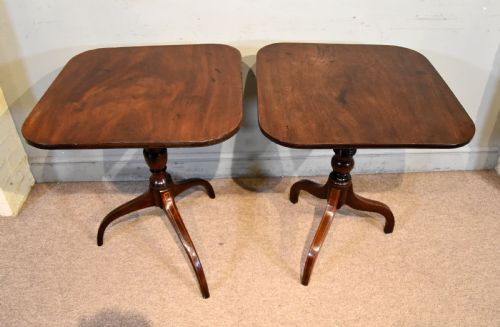
The selections span the nineteenth century, taking in Regency, William IV, and Victorian periods alongside Edwardian examples. Mahogany, rosewood, and pollard oak dominate the timber choices, frequently appearing as wine tables, side tables, and occasional tables.
Buyers will encounter circular tops, dished tops, tilt-top mechanisms, and occasional marble insertions resting upon carved wooden or brass-mounted tripod supports. These formats developed to maximise utility in smaller drawing room spaces without cluttering the floor plan.
Materials and Construction
Cabinetmakers utilised dense native and imported timbers, pairing solid mahogany, oak, and walnut with figured veneers such as rosewood and flame mahogany. Tops were frequently constructed from single boards or carefully matched veneer segments laid over secondary framing.
The central pillar meets the three legs through tenoned joints or iron brackets concealed beneath the column, ensuring stability despite the narrow footprint. Brass fittings, castors, and marble inserts appear on select pieces to add weight and decorative contrast to the woodwork.
One exceptional listing repurposes a taxidermy deer hoof into the base of a table lamp.
Craftsmanship and Proportion
Quality rests in the crispness of the carving on the tripod base and the grain selection of the timber utilised across the top. Finer examples display continuous veneer matching and tight joinery at the pillar junction where stress concentrates.
Proportion separates standard production from superior cabinetwork, visible in the graceful sweep of the three legs and the balanced thickness of the turned column. Lesser pieces often exhibit heavy, clumsy feet or ill-fitting tilt mechanisms that wobble under weight.
George Bullock·Faraday & Sons
The Tripod Base Lamp Table Glossary
- Tripod base
- A support structure comprising three legs radiating from a central vertical column. This configuration provides inherent stability on uneven floors.
- Tilt-top
- A hinged table top that pivots to a vertical position when not in use. This allowed historical rooms to be cleared quickly.
- Flame mahogany
- Timber sliced from branches or fork joints to produce a flickering, flame-like grain pattern. Cabinetmakers reserved this for prominent surfaces.
- Wine table
- A small occasional table designed to hold glasses and bottles beside a chair. They frequently feature circular tops and tilting mechanisms.
Tripod Base Lamp Table: Frequently Asked Questions
What is a tripod base lamp table used for?
These tables provide a compact surface for placing lamps, books, or decorative objects beside armchairs and sofas. Their small footprint allows them to fit into tight corners where larger furniture cannot go.
Historically, similar small tables served specialised functions like holding wine glasses or sewing equipment. Today, they remain versatile accent pieces for living rooms and hallways.
How do I identify a Regency period table?
Regency pieces often feature dark imported timbers like rosewood or mahogany, sometimes accented with brass inlay or gilt bronze mounts. The legs on tripod bases from this era tend to be sharply reeded or saber-shaped.
Proportions during this time lean toward classical restraint inspired by ancient Greek and Roman designs. Look for clean turned columns rather than heavy Victorian carving.
Why do some tops tilt?
Tilting mechanisms allowed servants to store the tables flat against walls when rooms needed to be cleared for dancing or entertaining. A brass catch or wooden wedge beneath the top secures it in the horizontal position.
This feature is common on nineteenth-century wine and occasional tables. It indicates a piece designed for flexibility in period domestic spaces.
Are marble tops original to these tables?
Marble inserts appear on select nineteenth-century occasional and lamp tables to provide a heat-resistant surface for oil lamps or hot drinks. These were integrated during initial production or added as a bespoke upgrade.
Examine the rebate where the marble sits to ensure the wooden framing matches the age of the stone. Inset marble added significant weight and luxury to the piece.