



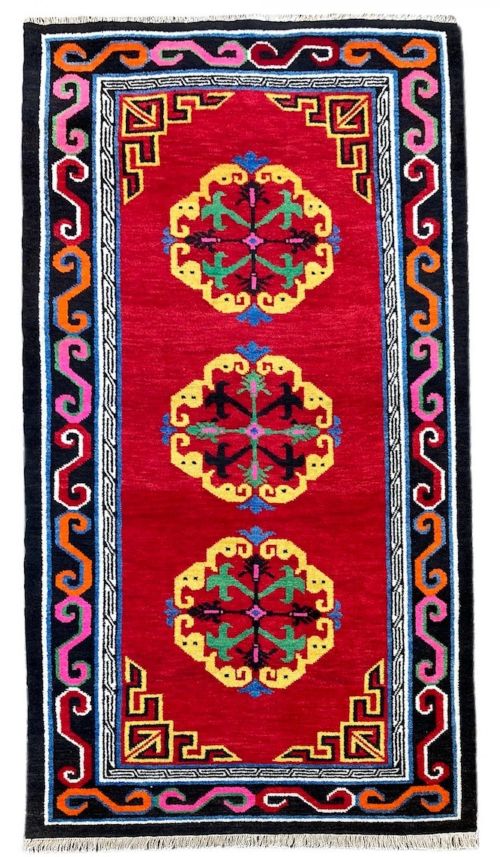
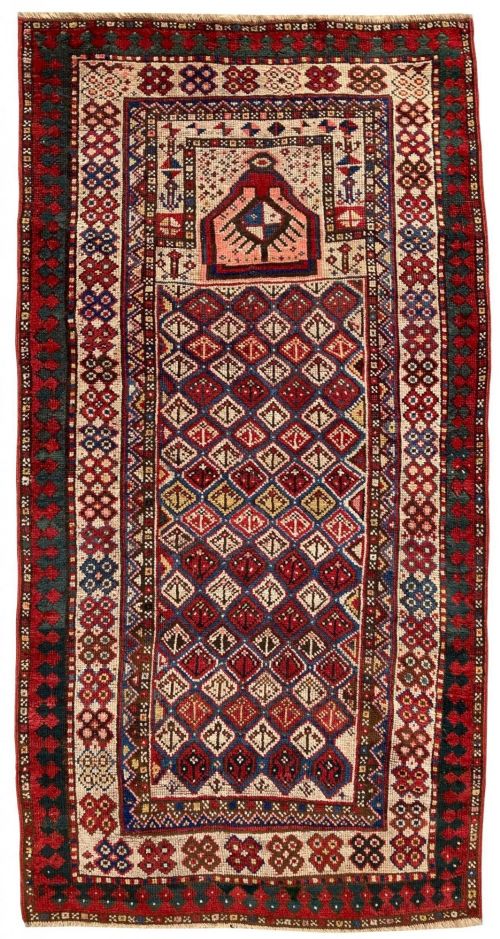
Tribal Weaving Rug
A tribal weaving rug brings nomadic woolwork and village flatweaves into a room, offering geometric motifs and saturated dyes.
Tribal Weaving Rug
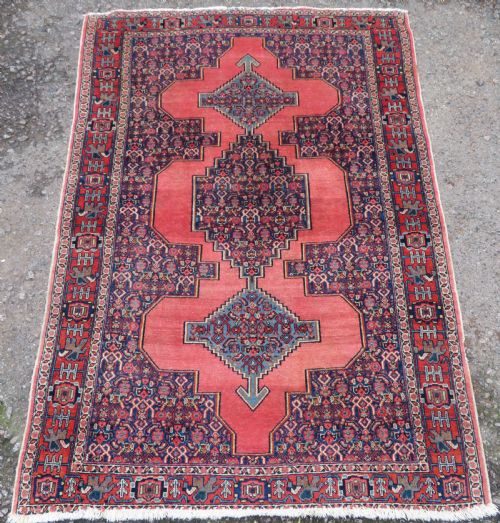
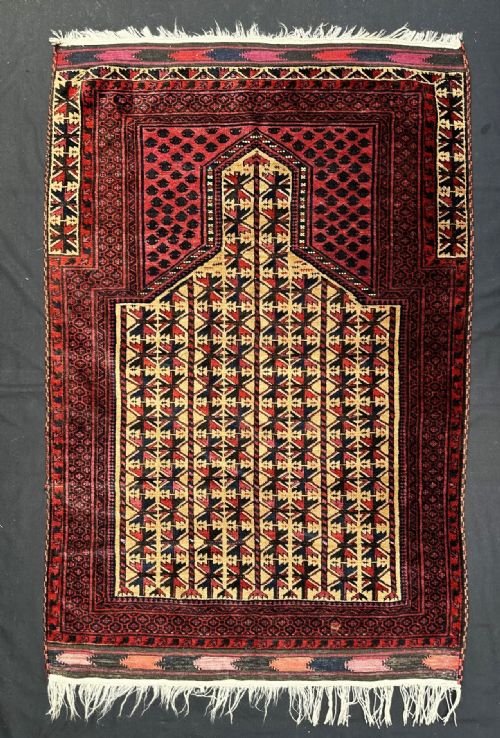
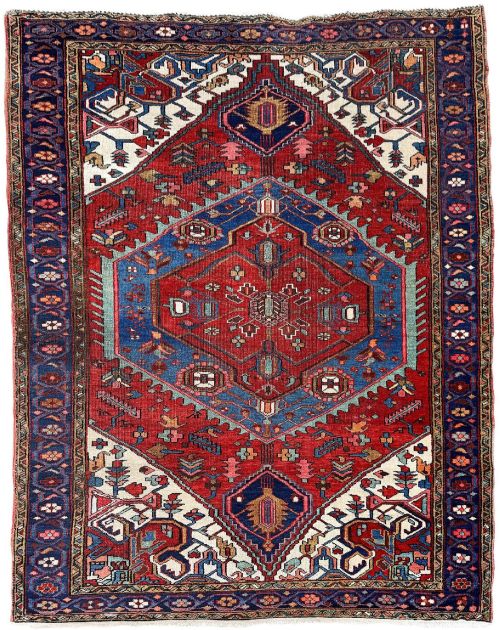
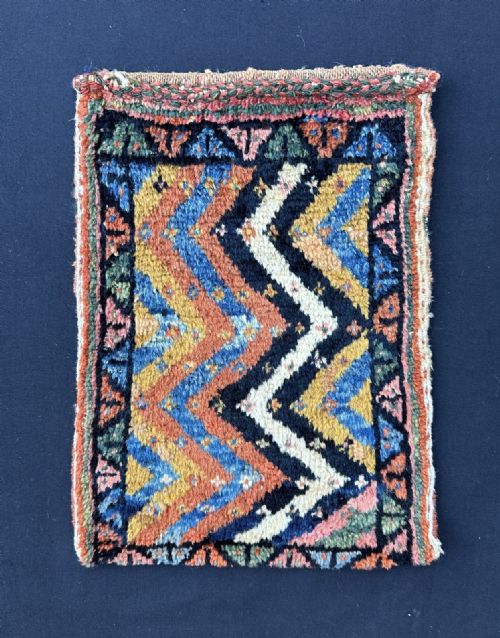
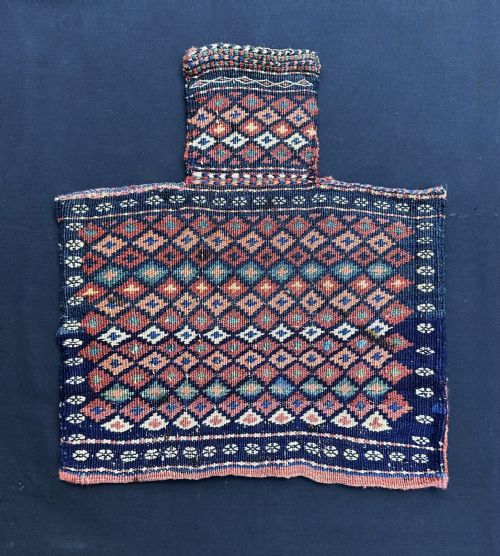
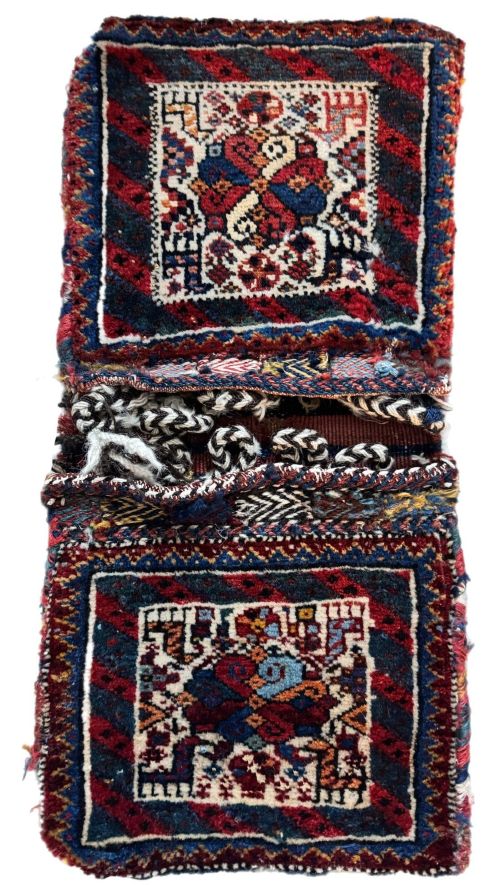
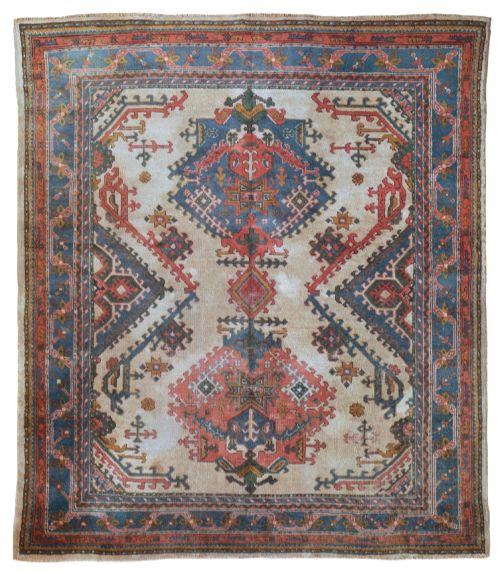
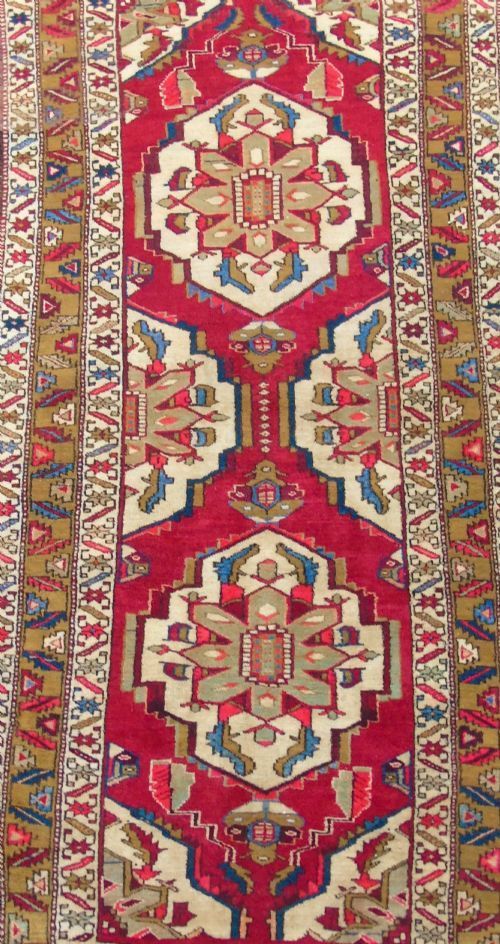
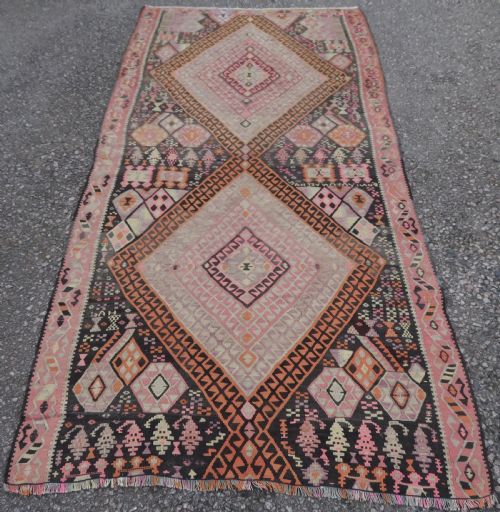
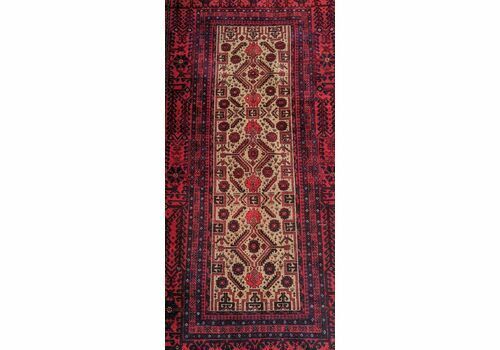
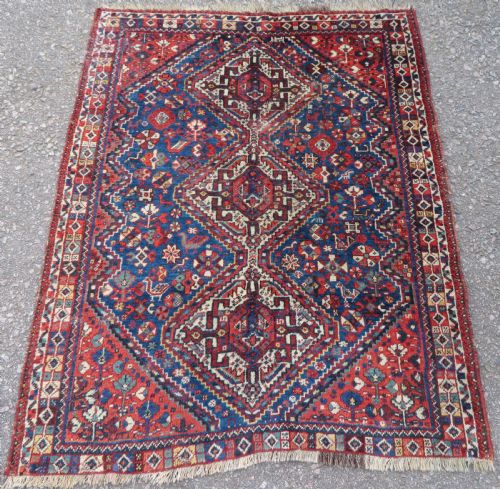
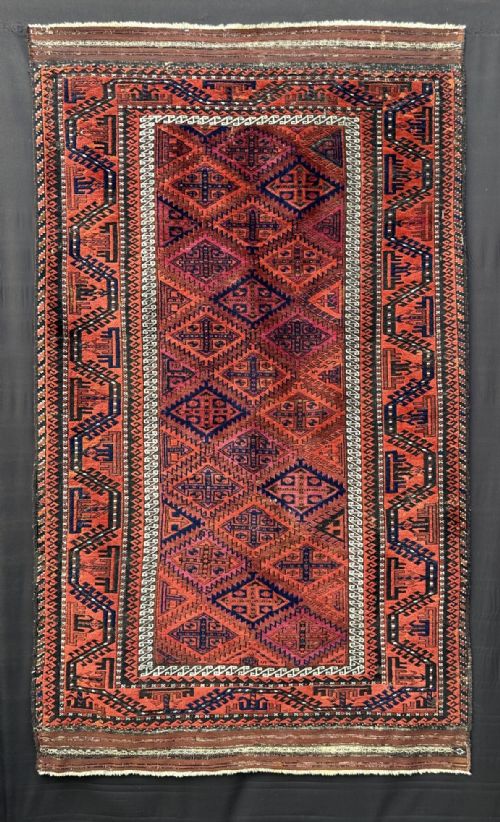
A tribal weaving rug encompasses village and nomadic floor coverings originating from Persia, the Caucasus, Anatolia, and Turkmenistan. These textiles include large carpets, prayer rugs, runners, and smaller utility items such as saddle covers and storage bags.
The most common examples encountered on this page date from the late nineteenth century through to the early decades of the twentieth century. Production ranges from southern Persian tribal groups like the Qashqai and Afshar to Caucasian Kazak and Gendje weavers.
Makers include specific regional groups and nomadic confederations such as the Timuri, Lori-Bakhtiari, and Ersari Turkmen. Items vary from long carpets to compact area rugs designed for practical floor use.
Materials and construction methods
Pieces are constructed primarily from wool and hand-spun wool, often paired with cotton foundations. Natural dyes provide the palette, yielding deep reds, greens, and mellow background tones.
Weavers utilise traditional pile knots and flatweave techniques, occasionally incorporating glass beads for specific decorative details. The wool is hand-processed to create durable surfaces suitable for daily use.
Tribal Weaving Rug Retail Price Guide 2026
Typical asking prices for tribal weaving rug among the pieces listed under this phrase on Sellingantiques today, from the lower quarter to the upper quarter. They describe what is for sale here now, not the wider market.
Some nomadic weavers included glass beads among the wool knots to ward off the evil eye.
Factors determining quality
Quality rests upon the fineness of the knotting, the stability of the wool foundation, and the complexity of the tribal design. Tightly woven structures retain structural integrity over decades of floor deployment.
The choice of dyes influences visual depth, with natural colour sources creating harmonious patination as the wool ages. Precision in geometric layout and regional motifs distinguishes standard village output from master tribal work.
The Tribal Weaving Rug Glossary
- Kilim
- A flatweave textile produced without a pile, commonly utilised for rugs, carpets, and grain sacks. These pieces rely on interlocking weft threads to form sharp geometric patterns.
- Prayer rug
- A small format rug featuring a mihrab or arch design intended to indicate the direction of prayer. These pieces often display specific regional iconography tied to Anatolian or Caucasian traditions.
- Soumak
- A brocaded flatweave technique where supplementary threads are wrapped around the warp before being bound across the back. This method results in a thick, durable textile with a textured surface.
- Khorjin
- A traditional double-sided storage bag woven by nomadic groups for transport on animals. Surviving examples often appear as single panels or complete fragments.
- Natural dyes
- Colourants derived from plants, insects, and minerals rather than synthetic compounds. They produce organic variations in hue that mellow gracefully over time.
Tribal Weaving Rug: Frequently Asked Questions
How do I identify a tribal rug?
Look for asymmetrical tribal motifs, geometric field patterns, and earthy palettes rooted in regional traditions. Nomadic pieces often display slight irregularities in symmetry due to hand-weaving on portable looms.
Examine the wool quality and structural foundation to determine whether the piece originates from Persian, Caucasian, or Anatolian weaving groups.
Where were these rugs made?
Production centres span the Caucasus, Persia, Anatolia, and Turkmenistan, reflecting the migration routes and settlements of nomadic tribes and village communities. Specific regions include Luristan, Kerman, and the Caucasus mountain borderlands.
Each weaving group developed distinct border patterns, colour combinations, and structural habits that link the textile to its geographic origin.
Are these rugs suitable for high traffic?
Hand-spun wool construction and dense pile knotting make these traditional rugs durable for everyday floor placement. Placing an appropriate underlay beneath the textile prevents slippage and reduces friction against hard flooring.
Regular rotation distributes wear evenly across the surface, helping preserve the pile and structural integrity over years of domestic use.
How do I care for antique wool rugs?
Vacuum gently using suction attachment only, avoiding rotating brush heads that can pull at the wool pile. Professional cleaning by specialists in antique textiles is recommended to protect natural dye stability.
Keep pieces away from direct, prolonged sunlight to prevent fading of the natural tones present in the wool.